















































In a political landscape often characterized by deep ideological chasms, finding common ground has become a rarity. Yet, amidst the partisan friction defining modern American life, one public asset remains remarkably uncontroversial: the local park. Whether in deep-blue urban centers or conservative-leaning rural enclaves, the mandate for green space is nearly universal. Recent polling data underscores this rare consensus, revealing that 88 percent of Americans visited a park in the past year. Perhaps more tellingly, the support for these spaces transcends party lines, with nearly 90 percent of Kamala Harris voters and 80 percent of Donald Trump voters identifying public parks as critical community infrastructure.
However, a new report from the Trust for Public Land suggests that the value of these spaces goes far beyond mere aesthetics or community sentiment. Parks are, according to the data, a high-performing economic engine. For every dollar invested in parks and recreation, municipalities reap a staggering $3 in annual economic benefits. As cities face mounting pressures to balance budgets and address climate change, this "green dividend" is forcing a reassessment of how local governments prioritize land use.
The Core Economics: Why Parks Pay for Themselves
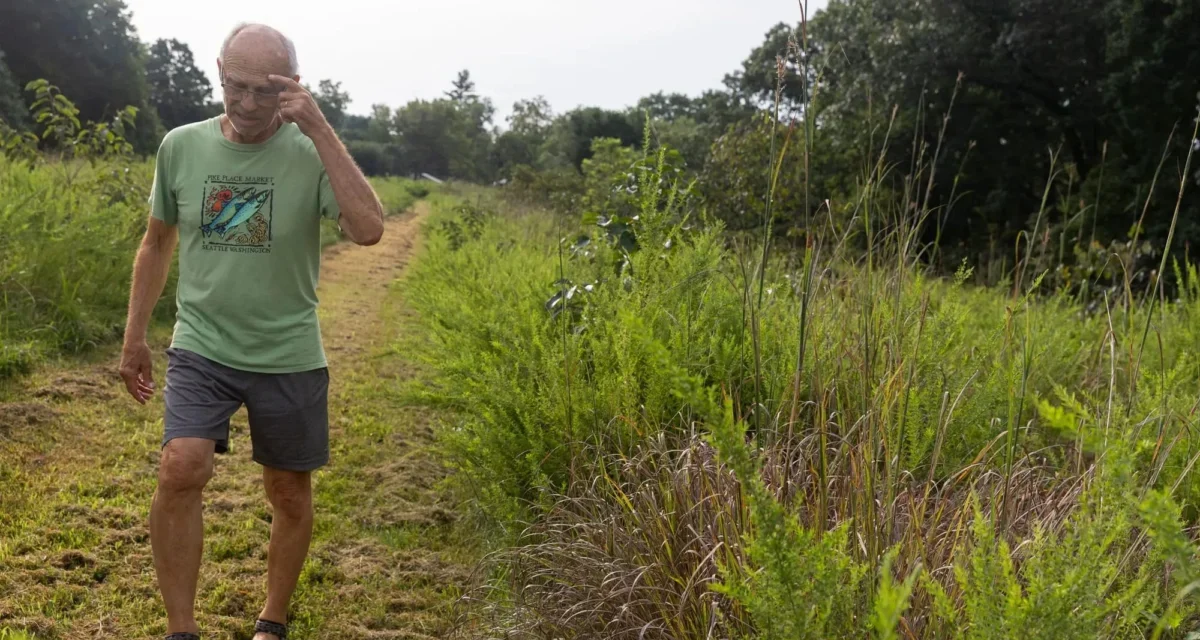
The economic argument for parks is multi-layered, extending from direct local business stimulation to massive savings in public health expenditures. Will Klein, director of parks research at the Trust for Public Land, emphasizes that the "goodness" extracted from these spaces is quantifiable.
"People are healthier, people connect with each other, and they drive business activity, especially for small businesses," Klein explains. In an era of intense commercialization, parks remain one of the few "third places"—spaces outside the home and the workplace—where individuals can congregate without the barrier of entry fees. While the cost of a gym membership or a café latte can effectively bar lower-income residents from social or physical activity, the public park offers an open, inclusive alternative.
The fiscal impact on public health is perhaps the most compelling metric. The United States currently allocates $5.3 trillion annually to healthcare, with physical inactivity-related chronic conditions—such as cardiovascular disease—costing the nation over $200 billion each year. Klein’s research indicates that parks are now the most popular destination for physical activity in the country, outpacing private fitness centers. By providing free access to trails, playgrounds, and open fields, municipalities are essentially subsidizing a preventive health measure that saves approximately $2,000 per person annually in healthcare costs.
Chronology of the Urban Park Evolution
The role of the urban park has evolved significantly over the last century. In the early 20th century, parks were often viewed through a "beautification" lens—ornamental spaces meant to provide respite from industrial soot. By the mid-20th century, the focus shifted toward recreational programming, with the construction of ball fields and swimming pools.
The current shift, however, is defined by "functional infrastructure." Since the early 2020s, cities have begun to recognize that parks are not just "nice-to-have" amenities but are vital tools for climate adaptation. As climate change increases the intensity of rainfall and the frequency of urban flooding, city sewer systems—often built for 20th-century weather patterns—are frequently overwhelmed.
Modern urban planning has turned to green infrastructure to solve this. By integrating bioswales, rain gardens, and permeable surfaces into park designs, cities are using parks as massive, natural sponges. This shift is not merely environmental; it is a calculated financial strategy to prevent the millions of dollars in property damage caused by flooding each year.
Supporting Data: The ROI of Greenery
The financial benefits of parks can be categorized into four primary streams:
- Direct Economic Activity: Greenways and large-scale parks act as magnets for tourism and foot traffic. For instance, the Florida Gulf Coast Trail, a 420-mile greenway currently under development, is projected to generate $200 million in economic activity in Sarasota County alone, driven by cycling and outdoor tourism.
- Property Value Appreciation: Proximity to well-maintained green space consistently boosts residential property values. This, in turn, broadens the municipal tax base, providing local governments with the revenue needed to fund other essential services.
- Healthcare Cost Avoidance: By facilitating active lifestyles, parks mitigate the societal costs associated with obesity, diabetes, and heart disease.
- Climate Mitigation: By reducing the "urban heat island" effect and managing stormwater, parks reduce energy costs for residents and infrastructure maintenance costs for city departments.
Official Responses and the Funding Paradox
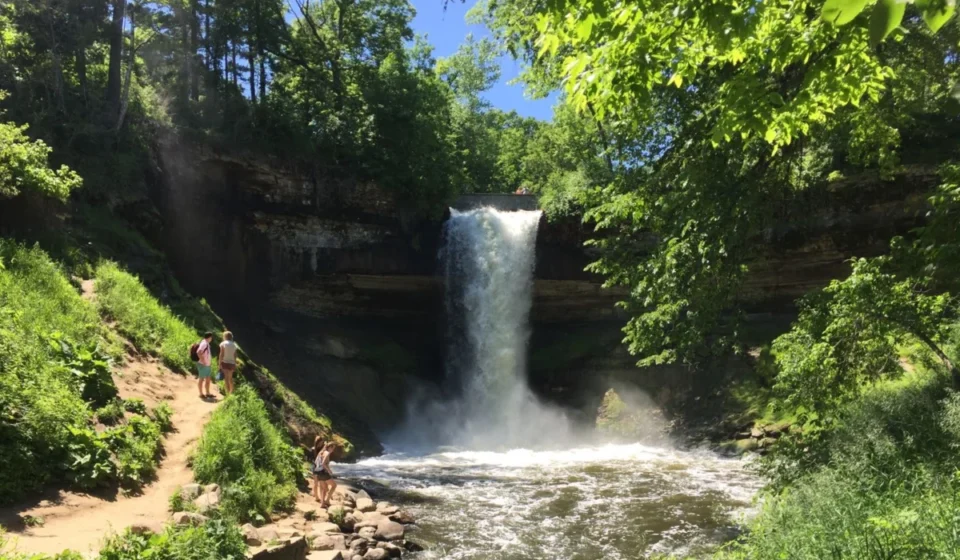
Despite these overwhelming economic benefits, many cities—including Minneapolis, as highlighted by the current budget debates regarding the Minneapolis Park and Recreation Board—are facing the prospect of austerity. This creates a "funding paradox": officials recognize the value of parks but often view them as "discretionary" spending when municipal budgets tighten.
Advocates argue that this mindset is fundamentally flawed. When a city cuts park funding, they are not just reducing a service; they are effectively imposing a "hidden tax" on their residents. Reduced maintenance leads to lower park usage, which in turn leads to higher healthcare costs and lower property tax revenue.
"Parks are actually one of these solutions hiding under the feet of all these local leaders," Klein notes. The challenge for policymakers is to move away from viewing parks as a cost center and begin viewing them as an investment portfolio that requires consistent capital injections to yield high returns.
Implications for Future Urban Development
The future of urban design must reconcile the need for high-density housing with the necessity of green space. Critics of development often fear that new construction will sacrifice parks, but modern urbanism suggests a different path: integration.
Innovative developers are now implementing "pocket gardens"—small, high-impact green spaces nestled within residential complexes. These patches of greenery offer localized relief from urban heat and provide essential mental health benefits to residents. Even more advanced are "agrihoods," which integrate working farms into residential developments. These projects not only provide fresh, local food but also foster a sense of community that is increasingly rare in transient urban environments.
The sociological impact cannot be overstated. Research consistently links access to greenery with improved mental well-being and reduced feelings of loneliness. In an age where social isolation is categorized as a public health crisis, the park serves as a community anchor. Movie nights, concerts, and neighborhood barbecues are not just recreational; they are the social glue that holds a diverse neighborhood together.
Conclusion: A Solution Hiding in Plain Sight
As we look toward the mid-21st century, the definition of "critical infrastructure" must expand. We have long prioritized roads, bridges, and power grids. However, the data confirms that the humble public park is just as essential.
By investing in green space, we are not merely planting trees or mowing lawns; we are strengthening the financial foundation of our cities, bolstering the health of our citizens, and providing a necessary buffer against a changing climate. The path forward for our leaders is clear: stop treating parks as a luxury and start treating them as the high-yield investment they truly are. The dividend is a healthier, wealthier, and more resilient society.