














































The New Era: Chris Finch on the Timberwolves’ Evolution, LaMelo Ball, and a Championship Mandate

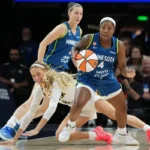
As the Minnesota Timberwolves prepare to open their 2026 preseason training camp, the atmosphere in Minneapolis is characterized by a mix of anticipation and profound structural transition. Head coach Chris Finch, entering a pivotal campaign, is tasked with recalibrating a roster that has undergone significant upheaval. In the second part of his annual comprehensive interview with MinnPost, Finch pulled back the curtain on the team’s shifting identity, the integration of star point guard LaMelo Ball, and the heavy burden of leadership placed upon the shoulders of Anthony Edwards and Jaden McDaniels.
The Philosophical Pivot: A New Dynamic
For the past several seasons, the Timberwolves’ identity was anchored by a specific brand of veteran-led stability and defensive grit. With the departure of steadying influences like Mike Conley, Kyle Anderson, and Joe Ingles, the team is entering what Finch calls a "diapers are off" phase. This metaphor serves as a blunt directive to the team’s core—primarily Edwards and McDaniels—that the time for developmental patience has passed.
"It’s your team now," Finch stated. "What you say and the way you say it, and setting the tone from the first days of practice; that stuff matters. And it’s time."
The addition of LaMelo Ball is the primary catalyst for this shift. By bringing in an elite, albeit sometimes inefficient, playmaker, the Timberwolves are looking to liberate Anthony Edwards from the heavy ball-handling duties that hampered his efficiency last year. The goal is to move Edwards back to his natural position as a shooting guard, allowing him to focus on what he does best: scoring and explosive playmaking, rather than the taxing role of primary facilitator.
The LaMelo Ball Factor: Efficiency and Mentality
The acquisition of Ball has sparked debate regarding his shot selection and turnover rate. While his vision is undeniable, his efficiency numbers have remained a point of contention. Finch, however, appears unfazed, viewing the Timberwolves’ environment as the perfect incubator for the young star’s growth.

"Some of his individual inefficiencies on offense are related to shot selection and decision-making," Finch explained. "He can make all those shots he takes, but making a living off of those shots is different and very hard to do. We want him to focus on having a finishing plan and embracing the contact."
Finch notes that Ball’s tendency to approach the rim with a "passing-first" mentality often leaves him vulnerable to shot-blockers or results in rushed attempts. By encouraging a more "selfish" approach to finishing—where Ball commits to his own scoring drive rather than deferring—the coaching staff believes they can unlock a higher tier of offensive production.
Regarding the "happy-go-lucky" label often pinned on Ball, Finch offered a nuanced defense. "You can do both—have fun and get things done," he chuckled. He pointed to the statistical impact Ball had on his teammates’ performance last season, noting that those improvements were not accidental. "It was the first complete set of teammates that accentuated his skill set," Finch said. "And I think that impact is repeatable."
Jaden McDaniels: The Unsung Pillar
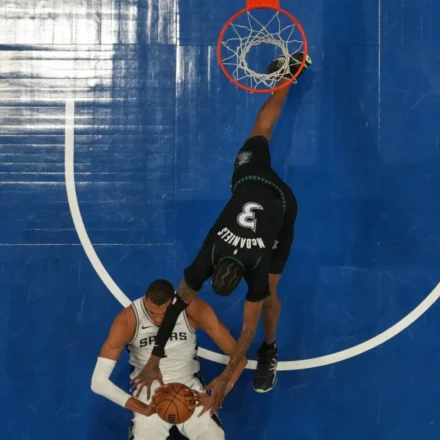
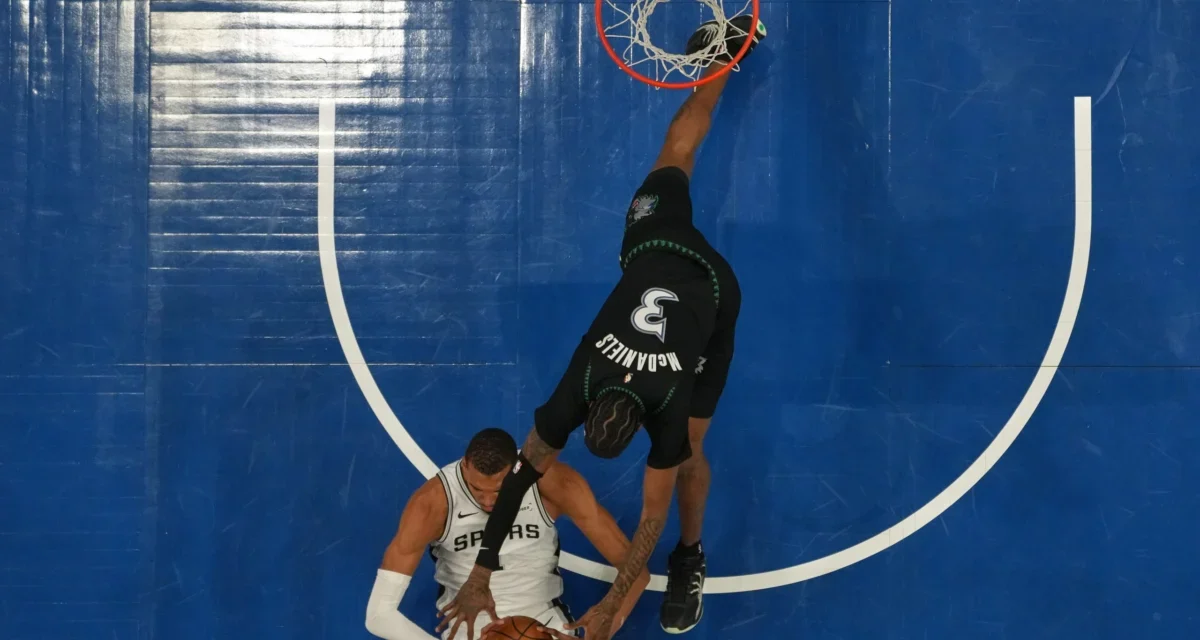
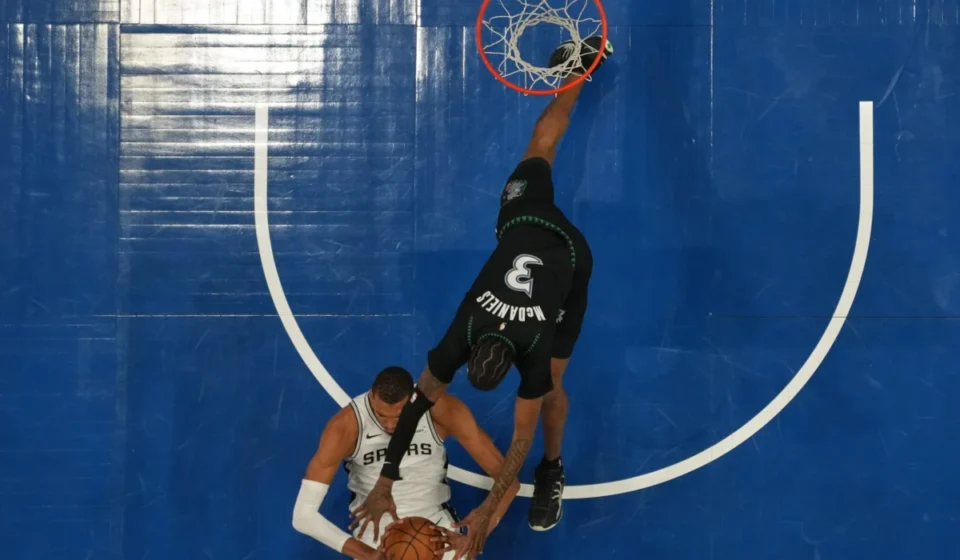
While the focus is often on the headline-grabbing backcourt, Jaden McDaniels remains the team’s most critical "quiet" asset. Long touted by Finch for his potential to mirror the impact of an elite wing defender like Scottie Pippen, McDaniels is now expected to evolve into a more vocal leader and a more consistent offensive contributor.
Finch addressed the "usage puzzle"—the challenge of distributing touches among a talented roster—noting that McDaniels’ growth as an interior passer could be the key to revitalizing Rudy Gobert’s offensive utility.

"Rudy lost a lot of allies," Finch admitted, referring to the departure of veteran mentors. "He’s a quirky guy, he’s proud, and he wants to do things a certain way. We need people who can ‘speak Rudy.’"
Finch believes McDaniels has the unique capacity to bridge this gap. Because McDaniels possesses the size and passing IQ to find Gobert in traffic—particularly on broken plays or baseline drives—he is uniquely positioned to maximize the center’s value. The coach challenged McDaniels to move past the inconsistent offensive mindset of his earlier years and embrace the playmaking duties required of him in this new, more fluid offensive system.
The Leadership Vacuum and the Paris Connection
A significant concern for the coaching staff is the loss of the "regulators"—the veterans who kept the team’s mood and focus steady during the ebbs and flows of an 82-game season. Without Conley and others, the responsibility for setting the culture falls squarely on the core.
However, a glimmer of hope for the team’s cohesion emerged this past summer. During a voluntary team gathering in France, orchestrated by Anthony Edwards and joined by LaMelo Ball, the players took the initiative to bond outside of the team’s organized structure.
"What happened in Paris this summer, I was most pleased about for Rudy," Finch noted. "It was organic. He had been trying to make something like that happen for years, and now Anthony was the driving force behind it. That gives me great hope that we’ll figure out the Rudy piece."

Tactical Implications: A New Offensive Flow
The shift in roster composition will necessitate a change in how the Timberwolves operate over 48 minutes. Finch indicated that he does not feel compelled to keep either Ball or Edwards on the floor at all times, citing the emergence of bench contributors like Bones Hyland, T.J. Warren, and Ayo Dosunmu.
The strategy, as outlined by the coach, revolves around creating a more cohesive, faster-paced offense. "I think we have a chance to play faster, be a better passing team, and have people benefit from off-ball movement more," Finch said. "Ultimately, a lot of our identity is still going to flow through Anthony, but we want it to be more polished."
The "sin" of the previous season, according to Finch, was the over-reliance on Edwards as the primary ball-handler, which led to a decline in his catch-and-shoot volume and overall efficiency. By offloading that burden to Ball, the team expects to see a more lethal, efficient version of Edwards.
Conclusion: The Path Forward
The 2026-2027 season represents a "sink or swim" moment for the Timberwolves’ young core. By shedding the reliance on veteran stabilizers, the team is forcing its stars to mature rapidly. The success of this experiment hinges on three variables: whether LaMelo Ball can refine his shot selection, whether Jaden McDaniels can step into a leadership role, and whether the group can maintain the chemistry they sparked in the off-season.
As the team prepares to hit the court, the mandate is clear: they are no longer an up-and-coming squad finding their footing. They are a group with championship aspirations, and the "diapers" are officially off.

Stay tuned for Part 3 of the MinnPost series, arriving next week, which will examine the integration of forward Jonathan Kuminga and a detailed analysis of the Timberwolves’ bench rotation.