













































The New Era: Chris Finch on Tactical Shifts, Leadership, and the "Unlocking" of the Timberwolves

As the Minnesota Timberwolves prepare to open their 2026 preseason training camp, the atmosphere surrounding the franchise is defined by a singular, overarching theme: evolution. Following a summer of significant roster upheaval, head coach Chris Finch finds himself at a career-defining crossroads. Gone are the stabilizing veteran voices of Mike Conley, Kyle Anderson, and Joe Ingles—the "regulators" of the team’s locker room culture. In their place is a younger, more explosive core, headlined by the marquee acquisition of star point guard LaMelo Ball.
In the second installment of our annual deep-dive interview, Coach Finch offers a candid assessment of what this transition means for the team’s identity, the strategic recalibration of Anthony Edwards, and the ongoing mission to integrate Rudy Gobert into a shifting, youthful landscape.
The Strategic Pivot: Integrating LaMelo Ball
The most prominent question facing the organization is how the arrival of LaMelo Ball will fundamentally alter the team’s offensive rhythm. Ball, a prodigious passer with a high-octane playstyle, represents a deviation from the methodical, high-IQ basketball that defined the Conley-led backcourt.
"To be determined," Finch says when asked how the team’s identity will shift. "As I sit here now, I want to see how it plays out. Your identity is driven by your best players, and we still have them. I can see a lot of our offensive identity still flowing through Ant, but I think we have a chance to play faster and be a better passing team."
Finch acknowledges that while Ball’s raw talent is undeniable, there is work to be done regarding his efficiency. "Some of his individual inefficiencies are related to shot selection and decision-making," Finch notes. "He can make the difficult shots, but making a living off of them is very hard. We need a redistribution of his shot mix. If you want to be a great player, the first thing you do is get rid of the bad shots."

Beyond shot selection, Finch is focused on Ball’s finishing at the rim. He suggests that Ball often approaches the paint with a "passing-only" mentality, which can inadvertently hinder his scoring effectiveness. "We want him to focus on having a finishing plan and embracing the contact," Finch adds. "Early returns have been great; he’s really been putting the work in."
The "Usage Puzzle" and the Return of Anthony Edwards
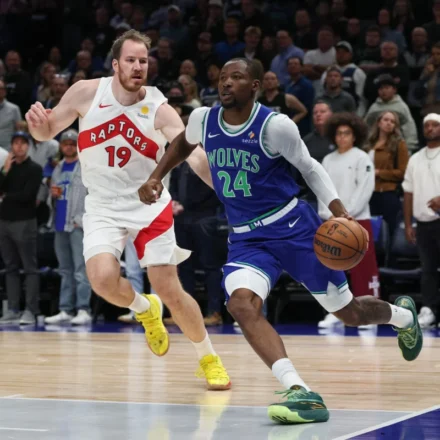
For the past two seasons, the Timberwolves’ offense was often stifled by the sheer burden placed on Anthony Edwards as both a primary playmaker and a primary scorer. By bringing in a natural point guard in Ball, the coaching staff intends to alleviate that load, allowing Edwards to return to his most dangerous role: the league’s premier shooting guard.
"Every player is their best self when they are playing their natural position," Finch explains. "Ant is naturally the most explosive two-guard in the league. The reason his three-point volume dipped last year is that he handled the ball so much. It wasn’t that guys weren’t able to create for him; it’s just the natural math of the game. You don’t get the ball back as much when you are the one initiating every single possession."
This shift, however, creates a "usage puzzle." With a roster brimming with high-level talent—including Jaden McDaniels, who is expected to see his offensive role expand—every possession becomes a precious commodity. Finch is clear that he does not intend to tether Edwards or Ball to the floor for all 48 minutes, noting that players like Bones Hyland, TJ, and Ayo provide the depth needed to maintain intensity when the stars rest.
Jaden McDaniels: The Next Step in the Evolution
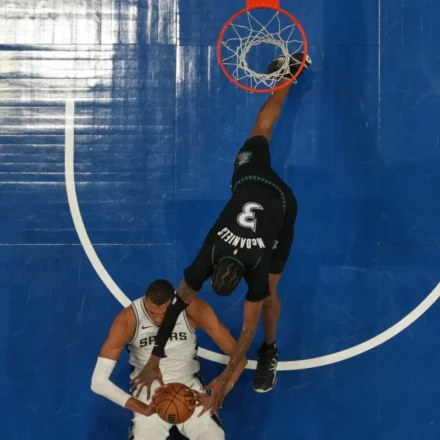
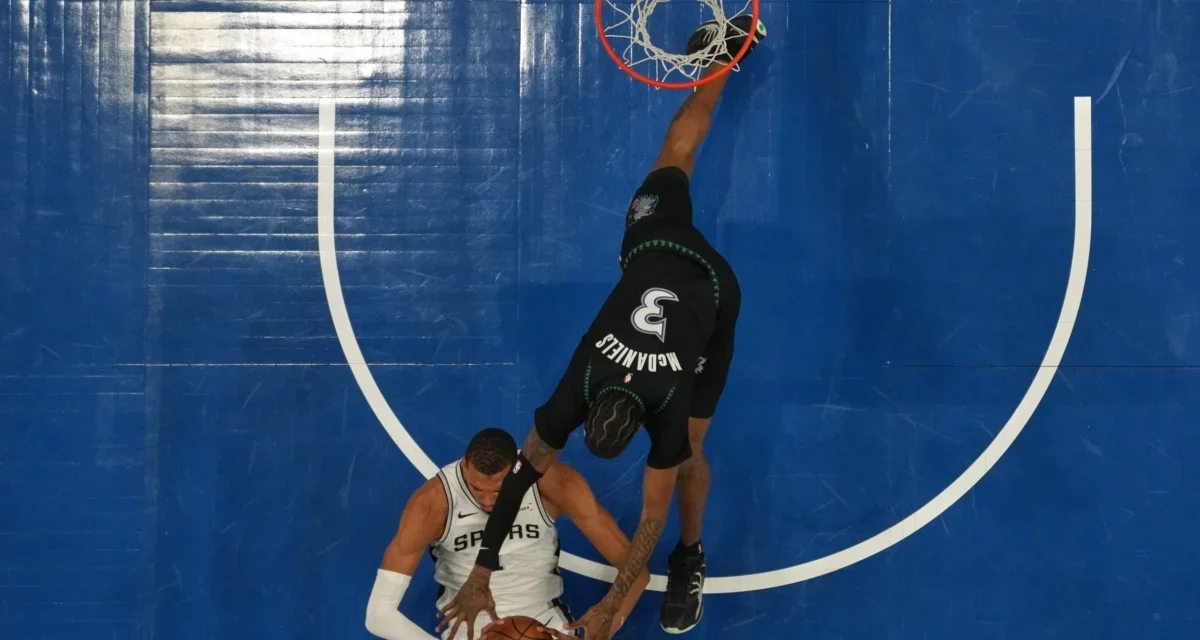
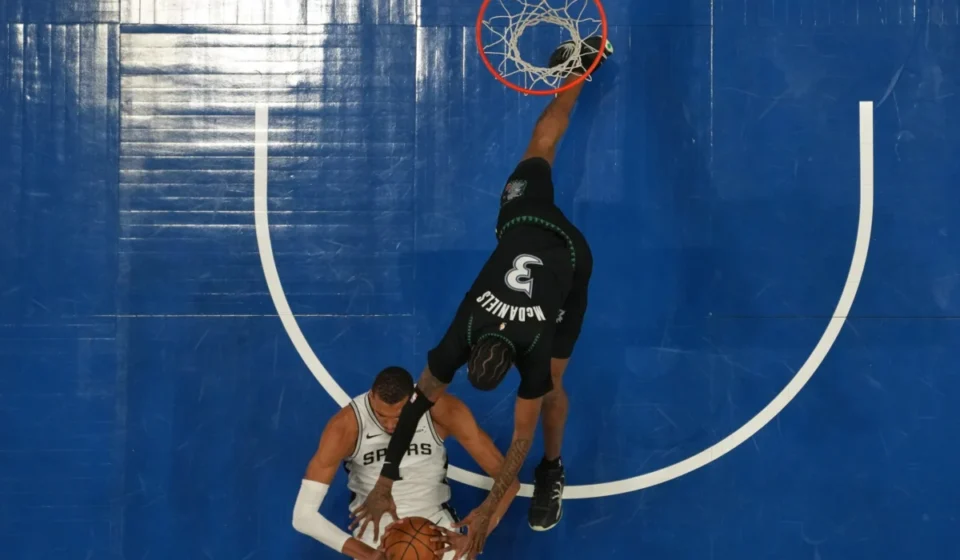
If LaMelo Ball is the new engine of the offense, Jaden McDaniels remains the team’s defensive heartbeat and its most intriguing offensive wild card. Now a seasoned veteran, the expectations for McDaniels have never been higher.

Finch, who famously likened McDaniels’ potential to Scottie Pippen, believes the time has come for the forward to shed his remaining inhibitions. "We need another step forward from Jaden," Finch says. "Last year, he operated with a mindset where he didn’t know if he was going to get six shots or sixteen. We need him to be more aggressive, but also more of a playmaker."
Finch highlights that McDaniels possesses a unique chemistry with Rudy Gobert, particularly in the pick-and-roll and interior passing lanes. "Nobody else is able to make that specific bounce pass to Rudy that Jaden can," the coach observes. As the team looks to optimize its interior scoring, McDaniels’ ability to manipulate defenses and find the big man will be a critical component of the Timberwolves’ half-court success.
Leadership in a Post-Veteran World
Perhaps the most delicate challenge facing Finch is the loss of the team’s veteran "regulators." Players like Conley and Ingles provided a necessary calming influence, a "father figure" dynamic that helped the team navigate the long, grueling NBA season.
"My biggest concern is that Rudy lost a lot of allies," Finch admits. "Guys who understood him, knew how to talk to him, and could help him help us. I am conscious of ensuring that there are people on the team who can still ‘speak Rudy.’"
However, the coach expressed immense optimism following the team’s informal gathering in Paris this past summer. The trip, which was spearheaded by Anthony Edwards and joined by the new addition, LaMelo Ball, served as a symbolic passing of the torch. It was an organic, player-led initiative that signaled a new era of cohesion.

"Anthony was the driving force, and LaMelo was a driving force as a newbie," Finch says. "They’ve adopted Rudy, and he’s adopted them. That gives me great hope."
Implications for the Season
As the "diapers come off"—a phrase Finch uses to describe the maturation of his young core—the coaching staff is shifting their expectations. They are no longer a group of prospects; they are a team with championship aspirations.
"If we’re going to take the diapers off, let’s take the diapers off," Finch declares. "It’s their team now. What they say, the way they set the tone from the first day of practice—that stuff matters. We might not be the ‘smartest’ team in the league in terms of sheer veteran experience, but we have a group that is beginning to understand how to win at the highest level."
The upcoming season will ultimately be defined by how quickly this group can coalesce. The talent is present, the roles are being redefined, and the leadership structure is shifting from veteran-led to player-led. For Chris Finch, the mission is simple: keep the team’s spirit high, maintain the defensive intensity that defined their identity, and ensure that the "Rudy piece" continues to fit into the broader offensive puzzle.
With training camp on the horizon, the Timberwolves are betting that their collective talent, combined with a newfound, organic chemistry, will be enough to propel them toward a deep playoff run.

Coming next week: Part 3 of the MinnPost interview, featuring an in-depth discussion on the acquisition of Jonathan Kuminga and the bench rotation strategies.