



















































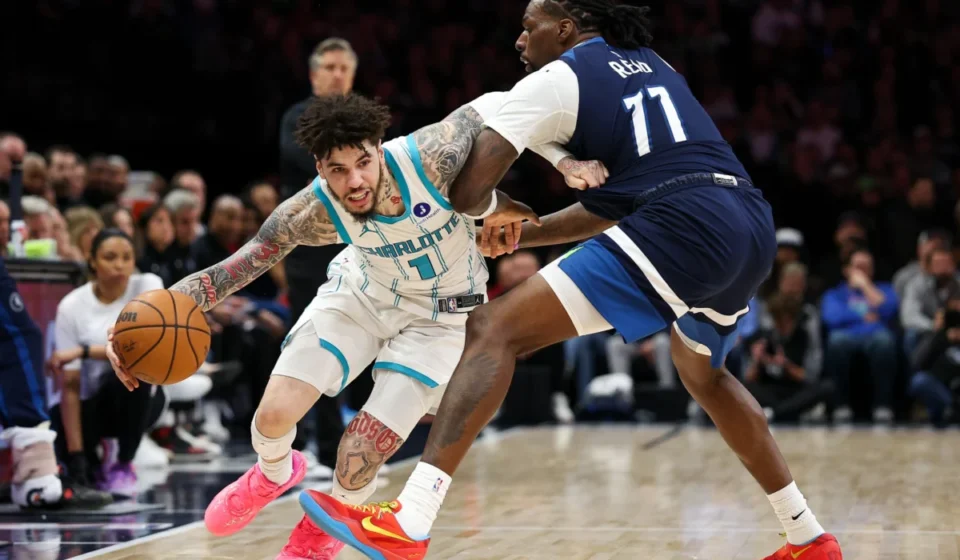

In the high-stakes theater of the NBA, Minnesota Timberwolves President of Basketball Operations Tim Connelly has once again set the stage for a dramatic, high-risk production. The latest twist? LaMelo Ball is coming to Minneapolis, and the beloved Naz Reid—the heartbeat of the Target Center faithful—is heading out.
It is the quintessential Connelly maneuver: bold, disruptive, and arguably reckless. As the summer sun warms the arena, the architect of the Timberwolves’ recent identity has engaged in his annual tradition of gutting the roster to chase a higher ceiling. This time, the price of admission was not just the departure of a fan-favorite, but the virtual liquidation of the franchise’s future draft capital.
The Chronology of a Roster Overhaul
The transformation began on Tuesday when Connelly orchestrated a salary dump, offloading Julius Randle and his burdensome $33 million contract. While the move provided the team with long-sought salary-cap flexibility, it left a void in the starting lineup. For a fleeting 48 hours, the basketball world assumed the natural successor would be Naz Reid. Having spent seven years as the team’s ultimate "Swiss Army knife," Reid had earned his stripes, evolving from an undrafted project into an indispensable folk hero.
However, on Thursday, the script flipped. In a move that mirrored the shockwaves felt when Karl-Anthony Towns was traded in 2024, Connelly parted ways with Reid. The decision stunned the fan base; in Minnesota, Reid is more than a player—he is an icon whose likeness is immortalized in tattoos and whose promotional beach towels have become high-priced collector’s items on the secondary market.
By offloading Reid and bundling a treasure trove of future assets, Connelly secured LaMelo Ball and backup wing Josh Green. The cost to the team’s future, however, was staggering. The Timberwolves surrendered their 2033 first-round pick and granted the Charlotte Hornets swap rights for their 2028, 2029, and 2030 first-round selections. To seal the deal, Minnesota added second-round picks in 2029, 2032, and 2033. It is a massive mortgage on a future that is now inextricably tied to the health and performance of LaMelo Ball.
The Rationale: Unlocking Anthony Edwards
At the center of this aggressive pivot is the desire to maximize Anthony Edwards. For years, the Timberwolves have tasked their superstar with the dual burden of being the team’s primary scorer and its primary floor general. Connelly’s analysis, backed by the growing consensus of NBA analytics, suggests this is an inefficient use of Edwards’s unique talents.
Data from NBA.com highlights the disparity in Edwards’s efficiency when he is relieved of point-guard duties. Last season, while burdened with playmaking responsibilities, Edwards shot 35.3% on 363 pull-up three-pointers. Conversely, when afforded the opportunity to play off the ball, he was a revelation, shooting 49.6% on 69 catch-and-shoot attempts.
By bringing in Ball—a career assist machine whose assist percentage ranks among the elite of the active generation—the Timberwolves intend to move Edwards into a role where he can function as a pure offensive weapon. With Ball drawing defensive attention and navigating the pick-and-roll, Edwards will be positioned to punish defenses as a finisher rather than a facilitator.
"If we mess up, we will mess up loudly," Connelly stated five weeks ago, following a disappointing postseason exit. "We are going to try and be as aggressive as possible." This trade is the embodiment of that philosophy.
The Ball Paradox: Pros, Cons, and Potential
LaMelo Ball arrives in Minnesota as a player defined by neon-lit highs and frustrating lows. At 25 years old—just 17 days younger than Edwards—Ball is a proven playmaker who demonstrably elevates his teammates. In 2024-25, the Hornets’ offensive rating plummeted from 118.4 with Ball on the court to 110.6 when he sat. Even on a Charlotte team lacking top-tier talent, Ball served as the engine of the offense.
However, the questions regarding Ball are significant. His shot selection has been criticized as erratic, and his durability remains a persistent concern. He has played more than 70 games in a season only twice in his six-year career, with frequent absences ranging from lingering injuries to team-wide tanking efforts.
Furthermore, there is the defensive question. Ball’s length (6-foot-7) suggests he should be an asset, yet his defensive metrics have historically lagged. Here, the Timberwolves are banking on the "Gobert Effect." With Rudy Gobert anchoring the defense, the team believes they can mask Ball’s individual lapses while utilizing him as the most dynamic lob-initiator Gobert has played with since moving to Minnesota. If the pick-and-roll chemistry between the two clicks early, it could transform the team’s offensive rhythm.
Official Responses and Strategic Philosophy
Connelly’s public stance is one of total conviction. He has expressed a disdain for "job-survival mode," favoring a high-variance approach that either culminates in a championship or a massive rebuild. By offloading aging contracts and consolidating a core of 11 players aged 26 or younger—including Jaden McDaniels, Bones Hyland, and incoming prospect Isaiah Evans—Connelly is banking everything on a specific window of contention.
The front office is clearly modeling their strategy after the "Oklahoma City" blueprint: stack the roster with high-upside, athletic wings and hope that a core group develops a synergistic identity. However, unlike OKC, the Timberwolves have stripped away their draft-pick safety net, leaving little room for error if the core fails to jell.
Implications: The Character Component
Ultimately, the success of the LaMelo Ball era will be determined by more than just statistics. It will be a test of culture. The 2025-26 Timberwolves were often criticized for a lack of collective grit and inconsistent effort on the defensive end. Talent is rarely the issue in the modern NBA; it is the "character side of the equation"—the willingness to defend, rotate, and sacrifice personal stats for the team—that separates contenders from afterthoughts.
The trade effectively makes Anthony Edwards the undisputed face of the franchise, not just in production, but in leadership. The question now looms: Is Edwards ready to evolve into the two-way superstar that the coaching staff claims he is? Or will the team’s reliance on high-usage, high-flash playmakers continue to stifle the defensive intensity required for a deep playoff run?
Connelly has placed his chips on the table. He has traded the team’s depth, its history, and its future draft flexibility for the potential of an elite, lightning-fast offense. It is a "loud" move, as he promised, but the volume will only be worth it if it rings with the sound of a championship parade. If the chemistry fails to ignite, this will be remembered as the moment the Timberwolves’ timeline shattered. For now, the city waits, watching to see if this fever dream becomes a reality or a cautionary tale.