




















































Beyond the Classroom: How a New "Climate Literacy Seal" is Transforming High School Education

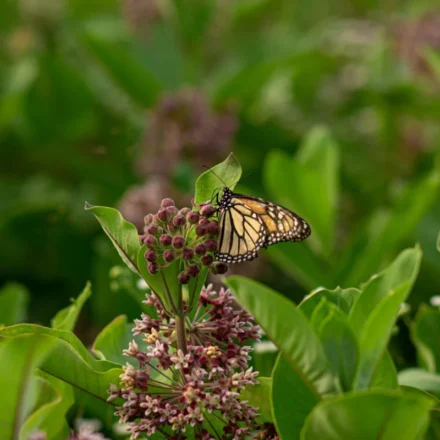
In the shadow of Denver International Airport, Anthony Muñoz spent his high school years contemplating the invisible: the jet fuel lingering in the air and its impact on the local ecosystem. An avid gardener at his charter school, Vista Academy, Muñoz didn’t just worry about the climate—he turned his concern into a scientific mission. Partnering with climate scientists from the National Center for Atmospheric Research (NCAR), he cultivated an "ozone garden," using specific native plants to monitor air quality. His work, however, was more than a science project; it was a capstone requirement for Colorado’s Seal of Climate Literacy, a pioneering initiative that is rapidly gaining traction across the United States.
As climate change shifts from a distant, theoretical threat to a daily reality affecting everything from coastal erosion to urban heat, a growing number of states are moving to formalize climate education. By offering a seal of climate literacy on high school diplomas, these states are attempting to bridge the gap between abstract academic concepts and the urgent, hands-on need for a climate-conscious workforce.
The Genesis of the Climate Seal
The movement began in Colorado, spearheaded by the nonprofit Lyra Colorado. Mary Seawell, the organization’s CEO, observed that rural students and educators were eager to move beyond the "doomsday" narratives found in dense, outdated textbooks. They wanted to study climate change as a tangible feature of their own backyards.
In 2024, Colorado lawmakers formalized this desire into policy. To earn the seal, students must complete two advanced courses—one focused on science (such as biology or environmental studies) and one in a field of their choice, including the humanities or fine arts—and complete a community-based capstone project. Since its inception, 26 of Colorado’s 179 school districts have adopted the program, with approximately 1,200 students having earned the distinction so far.
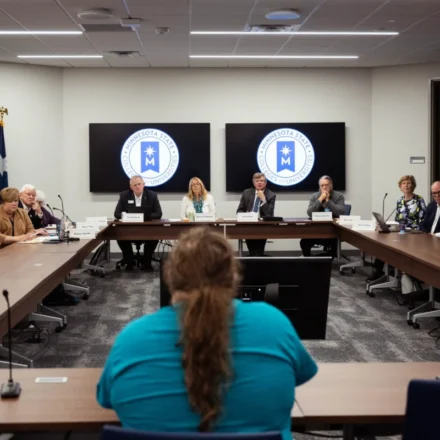
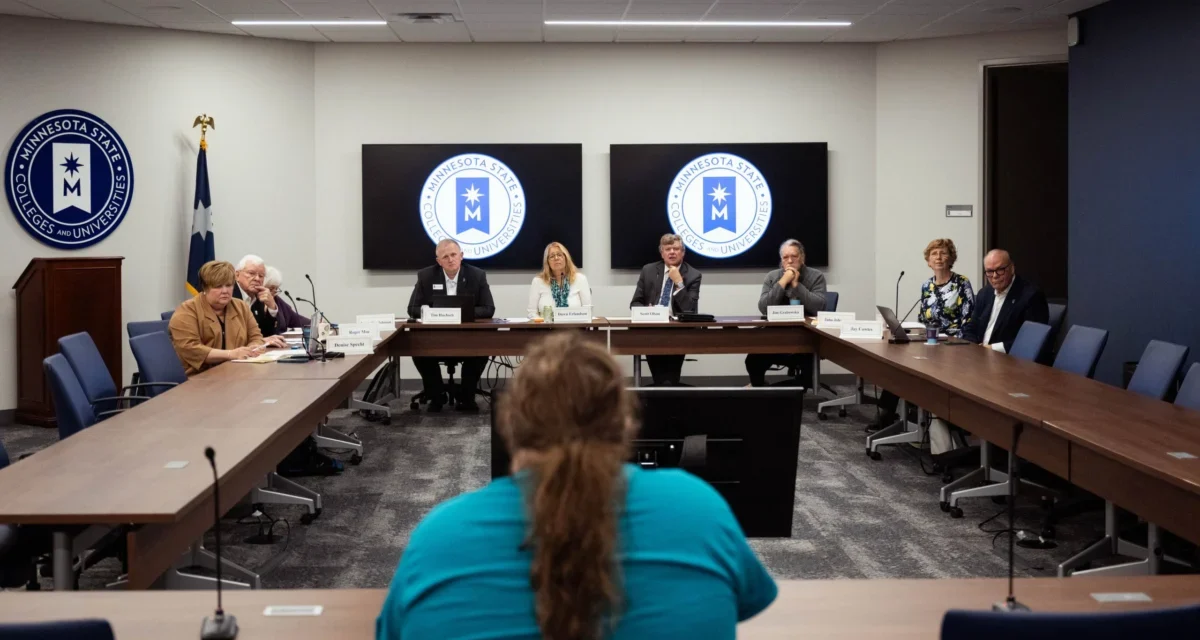
The model is now cascading across the country. Maine adopted a similar seal earlier this year, and California recently signed legislation to implement the credential. Youth-led coalitions are currently advocating for the policy in states like Hawaii and Minnesota, proving that this is a student-driven grassroots movement as much as it is a legislative one.
A Chronology of Climate Education Reform
The evolution of the climate seal reflects a broader shift in how American schools approach environmental topics:
- Pre-2020: Climate change is largely relegated to isolated, often brief, chapters in traditional science curricula. Education remains fragmented and inconsistent.
- 2022–2023: Nonprofit advocacy groups like Lyra Colorado identify a demand for "localized" climate education, particularly in rural communities where environmental changes are already affecting livelihoods.
- 2024: Colorado officially approves the Seal of Climate Literacy. This marks the first time a state has institutionalized a climate-focused credential that requires both academic coursework and community service.
- 2025: Maine, recognizing the value of the seal as a tool for career preparation, adopts the policy through administrative action rather than lengthy legislative debate.
- 2026: California signs into law a bill establishing the seal. Simultaneously, student advocates in Hawaii and Minnesota elevate the conversation to state-level boards of education and legislative sessions.
The Data: Why "Literacy" Matters
The proponents of the seal argue that the initiative is an economic and psychological imperative. As the global economy pivots toward renewable energy, there is an acute need for a workforce capable of managing solar grids, climate-resilient agriculture, water resource management, and urban heat mitigation.
In Maine, the urgency is driven by the state’s changing geography. The Gulf of Maine is warming faster than nearly any other body of water on the planet, threatening the lobster and aquaculture industries that sustain the state’s economy. At Freeport High School, science teacher Melissa Luetje has integrated the seal’s requirements into her curriculum, with students monitoring woodlands for insect damage and developing sustainable fishery practices. "It’s up to each community to figure out what they value and how they want to roll this out," Luetje noted.
The impact on students is equally significant. Education experts like Laura Schifter, a senior fellow at the Aspen Institute’s This is Planet Ed, argue that the seal provides students with a sense of agency. By moving away from the "global doom and gloom" narrative and toward local, actionable projects—such as building trails, managing beaver dams, or planting ozone-detecting gardens—students are empowered to see themselves as problem-solvers rather than passive victims of a changing climate.
Official Responses and Ideological Hurdles
Despite the enthusiasm from educators and students, the initiative has encountered significant pushback. The hurdles are threefold: budgetary constraints, administrative burdens, and political polarization.
The financial reality is stark. In Colorado, the state provided less than $20,000 for the rollout of the seal, forcing students and nonprofits to scramble for external grants. When funding is scarce, the burden often falls on schools already struggling with tight budgets.
Politically, the program has faced criticism from organizations like the Pacific Research Institute, a free-market think tank. Lance Izumi, the institute’s senior director of education studies, has questioned the academic rigor of the program. "Diverting focus away from foundational science learning could worsen California’s already abysmal performance levels," Izumi wrote, arguing that schools should prioritize core competencies over what he characterizes as "activist community projects."
Furthermore, the initiative is operating in a hostile federal climate. With political leaders frequently refuting climate science, nonprofit organizations that support these initiatives have faced increased scrutiny regarding their tax-exempt status. This has created a "chilling effect" among potential donors who fear that supporting climate education could make them targets of political retaliation.
Implications for the Future
The climate seal is ultimately an experiment in the role of schools in a rapidly changing world. If the program succeeds, it could redefine the "educated citizen" of the 21st century.
For students like Anthony Muñoz, the seal was a launchpad. Now a mechanical engineering student at the Colorado School of Mines, Muñoz serves as vice president of the college’s environmental club. He remains dedicated to the garden he built, even writing code to help current high schoolers collect data, despite the uncertainty surrounding the future of federal climate research.
"Are you going to think beyond yourself and help not only those in need but the environment, or will you sit back and wait for someone else to change the world for you?" Muñoz asks.
The movement is also beginning to align with higher education. Lyra Colorado is currently working with institutions like Colorado Mountain College to ensure that students who earn the seal can receive partial credit or advanced standing for college-level courses in skilled trades, such as heat pump installation and solar maintenance.
As more states consider the seal, the conversation is shifting from whether to teach climate change to how to best prepare the next generation to survive and thrive within it. For Maine’s K-12 climate education specialist, Teddy Lyman, the goal is simple: "Students are the ones growing up in this world. They want to be involved, they want to be literate, and they are looking for a pathway to turn that passion into a career."
Whether the climate seal becomes a standard feature of the American diploma or remains a niche, voluntary program will depend on the ability of its proponents to secure stable funding and navigate an increasingly polarized political landscape. Yet, for the thousands of students currently tending to ozone gardens, studying invasive species, or lobbying their state legislatures, the seal is already serving its primary purpose: giving them a seat at the table in the defining challenge of their lifetime.