









































In an era where inflation and the rising cost of living have made international travel feel like an exclusive luxury, a select group of world-class cities proves that adventure does not require a fortune. From the bustling, neon-lit streets of East Asia to the historic, sun-drenched squares of North Africa and the Levant, budget-conscious travelers can still experience the height of culture, gastronomy, and history for a fraction of the cost of traditional tourism hubs.
This report examines ten major global cities that offer exceptional value, allowing travelers to stretch their budgets without sacrificing the quality of their experience. By leveraging local infrastructure, public transit, and a rich tapestry of free cultural institutions, one can traverse the globe on a shoestring budget.
Main Facts: The Economics of Affordable Travel
For the modern traveler, "affordability" is often defined by the "daily burn rate"—the total cost of lodging, sustenance, and local engagement. Our research highlights cities where the daily average cost ranges between $38 and $78 USD.
The primary driver of these low costs is the robust availability of local street food culture and competitive, non-chain hospitality sectors. In cities like Kuala Lumpur, Bangkok, and Delhi, the infrastructure of the "backpacker economy" creates a symbiotic environment where small-scale entrepreneurs provide high-quality services at prices that remain accessible to locals and tourists alike.
Chronology of Economic Development in Emerging Hubs
The evolution of these cities into affordable travel destinations is not accidental. It is the result of distinct historical and economic trajectories.
- 1980s–1990s: Beijing and Kuala Lumpur began their rapid ascent as global economic powerhouses. Unlike many Western counterparts, these cities maintained a tiered pricing structure that preserved local food markets and transit systems as the primary mode of daily life.
- 2000s: The post-2008 economic climate saw a shift in tourism habits, as travelers began seeking "value-based" experiences. Cities like Warsaw, Poland, emerged as a bridge between the historical grandeur of Europe and the affordability of the East, leveraging its post-Soviet infrastructure to attract a new generation of backpackers.
- 2010s–Present: Buenos Aires, Lima, and Cairo have utilized their unique cultural heritage—from the tango halls of Argentina to the ancient history of Egypt—to create tourism ecosystems that prioritize volume and accessibility. The digital nomad movement has further incentivized these cities to maintain low cost-of-living benchmarks to attract global talent.
Supporting Data: Regional Breakdown
The East Asian Powerhouses
Beijing, China ($78/day): Often perceived as an expensive capital, Beijing offers a surprising duality. While luxury accommodations exist, the daily cost of food remains exceptionally low, with $12 per day providing ample access to traditional delicacies.
Kuala Lumpur, Malaysia ($39/day): Effectively the "Singapore of the budget traveler," Kuala Lumpur provides high-density, low-cost living. With $32 hotel averages, travelers are free to allocate funds toward the city’s world-class art galleries.
Bangkok, Thailand ($38/day): Despite its reputation for excess, Bangkok’s strength lies in its democratization of culture. Free museum access and street food stalls allow for a high-volume itinerary on a low-volume budget.
The Americas
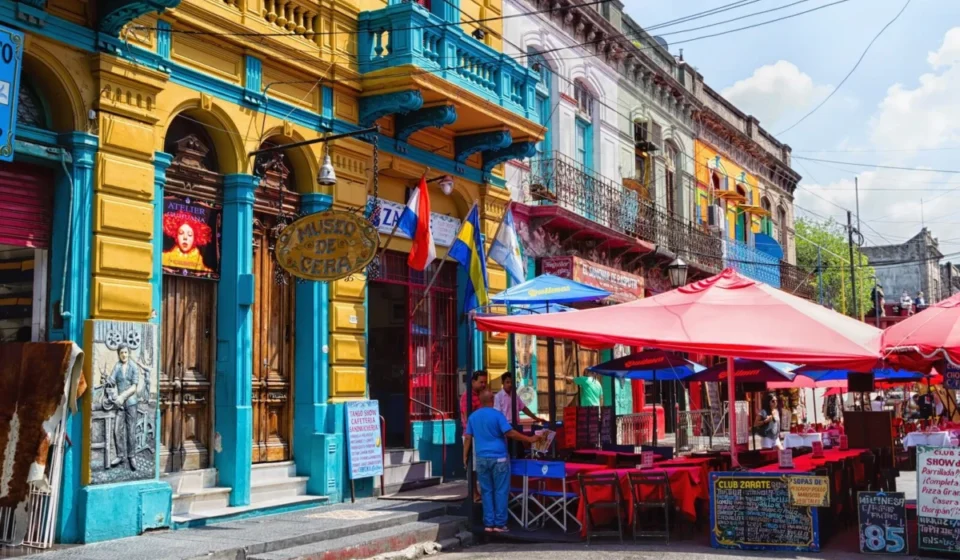
Buenos Aires, Argentina ($50/day): Famous for its "steak-and-wine" lifestyle, the city remains an anomaly in modern travel economics. For less than $20, a traveler can enjoy a world-class meal that would cost five times as much in New York or London.
Lima, Peru ($50/day): While fine dining in Lima is world-renowned, the local "bodega" culture provides fresh ceviche and local staples for roughly $16 per day, making it a premier destination for culinary travelers.
The Mediterranean and North Africa
Istanbul, Turkey ($45/day): A bridge between two continents, Istanbul remains one of the most culturally dense cities on Earth. With $22 hotel rooms and inexpensive, high-quality street food like balik ekmek, it is a top-tier destination for the frugal explorer.
Marrakech, Morocco ($38/day): Marrakech thrives on the "experience of the streets." Since the city’s primary attractions—the souks and the medina—are essentially free, travelers can live comfortably on $38 a day, provided they master the art of the haggle.
Cairo, Egypt ($38/day): Cairo offers the most unique value proposition: the ability to witness the Giza Pyramids on a budget. By opting for local transport, the cost of the "bucket list" items is significantly mitigated.
European Outlier
Warsaw, Poland ($78/day): As the only European city on our list, Warsaw offers a rare glimpse of old-world European charm without the price tag of Paris or Rome. With $50 hotel stays and a burgeoning pub culture, it is the premier European budget destination.
Official Responses and Tourism Strategies
Local tourism boards in these regions have increasingly adopted strategies to maintain their "affordable" status while managing the influx of international visitors.
In Kuala Lumpur, the government has invested heavily in the KL Forest Eco Park, ensuring that natural attractions remain free to the public to balance the urban development of the Petronas Towers area. Similarly, in Istanbul, the city’s decision to offer free admission to the Museum of Contemporary Art reflects a broader policy of cultural democratization.
Economic analysts note that these cities are essentially practicing "soft power" diplomacy. By keeping their cities accessible, they ensure a steady stream of international visitors who act as brand ambassadors, ultimately boosting the long-term sustainability of the tourism sector.
Implications: The Future of Budget Travel
The sustainability of these low-cost travel models faces two primary challenges: gentrification and inflationary pressure.
- Gentrification: As digital nomads flock to cities like Mexico City, Lima, and Lisbon, the cost of housing has spiked. While our data currently holds at these price points, travelers should be aware that the "local price" is becoming increasingly distinct from the "tourist price."
- Infrastructure Upgrades: As these cities modernize, they are transitioning from "budget-friendly" to "premium-tier." Beijing, for example, is seeing a rapid shift in the pricing of its central districts.
Final Recommendations for the Frugal Traveler:
- Embrace the Local: Eat where the locals eat. If a restaurant has an English-only menu, it is statistically likely to be overpriced.
- Leverage Free Cultural Days: Many museums in cities like Warsaw and Lima have specific "free entry" days. Checking the calendar before arriving can save hundreds of dollars.
- The "Double Occupancy" Hack: As noted in our data, hotel costs are often calculated per person in a double room. Traveling with a partner or friend immediately cuts your lodging overhead by 50%.
- Avoid the "Tourist Traps": In cities like Cairo, the difference between a government-sanctioned taxi and a local bus is the difference between a $20 expense and a $0.50 expense. Use public transport whenever possible.
In conclusion, the world remains open to those willing to look beyond the luxury travel brochures. By choosing destinations that prioritize public access, local culinary tradition, and efficient infrastructure, travelers can maintain a global perspective without the burden of excessive debt. The cities listed here offer not just a cheap vacation, but a richer, more authentic connection to the heartbeat of the world.