





















































From the thawing permafrost of the Canadian Arctic to the scorched drylands of Kenya and the flood-ravaged river basins of the Ecuadorian Amazon, Indigenous communities are standing on the frontlines of a rapidly destabilizing planet. They are not merely passive victims of a warming world; they are the architects of the most effective, scalable, and sophisticated climate adaptation strategies currently in existence.
A landmark report from the global nonprofit Land Is Life underscores a critical, yet often overlooked, truth: the world’s most effective climate solutions are already being implemented by Indigenous peoples. However, these successes are increasingly imperiled by a global failure to provide the legal recognition, direct financing, and structural support necessary to sustain them.
The Reality of Overlapping Crises
For Indigenous peoples, climate change is rarely a singular event. It is a compounding, "polycrisis" experience. Over 80 percent of survey respondents in the Land Is Life report, which aggregated data from 46 countries and six major ecosystems, noted that they are frequently hit by multiple, simultaneous disasters.
Whether it is the concurrence of drought and civil instability in East Africa or flooding and infrastructure failure in South America, the frequency of these disasters has spiked for over 90 percent of the surveyed communities. This reality contradicts the Western tendency to categorize climate events as isolated, "one-off" occurrences. Instead, Indigenous nations are living in a state of perpetual response, managing fire, flood, and famine concurrently.
Chronology of Resilience: From Traditional Knowledge to Modern Strategy
The effectiveness of Indigenous climate response is not a product of new, imported technology, but rather the evolution of ancestral knowledge systems.
- Pre-2010s: Indigenous communities have long utilized traditional fire management, water-harvesting techniques, and seed-banking as integral parts of their seasonal governance.
- 2019: The Kichwa People of Sarayaku in the Ecuadorian Amazon faced a catastrophic flooding event along the Bobonaza River. While the physical destruction was severe, the community’s response was swift and organized, preventing total collapse.
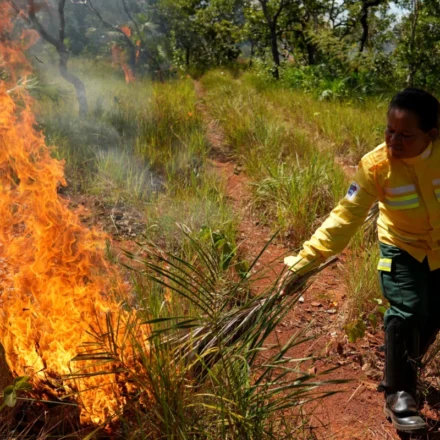
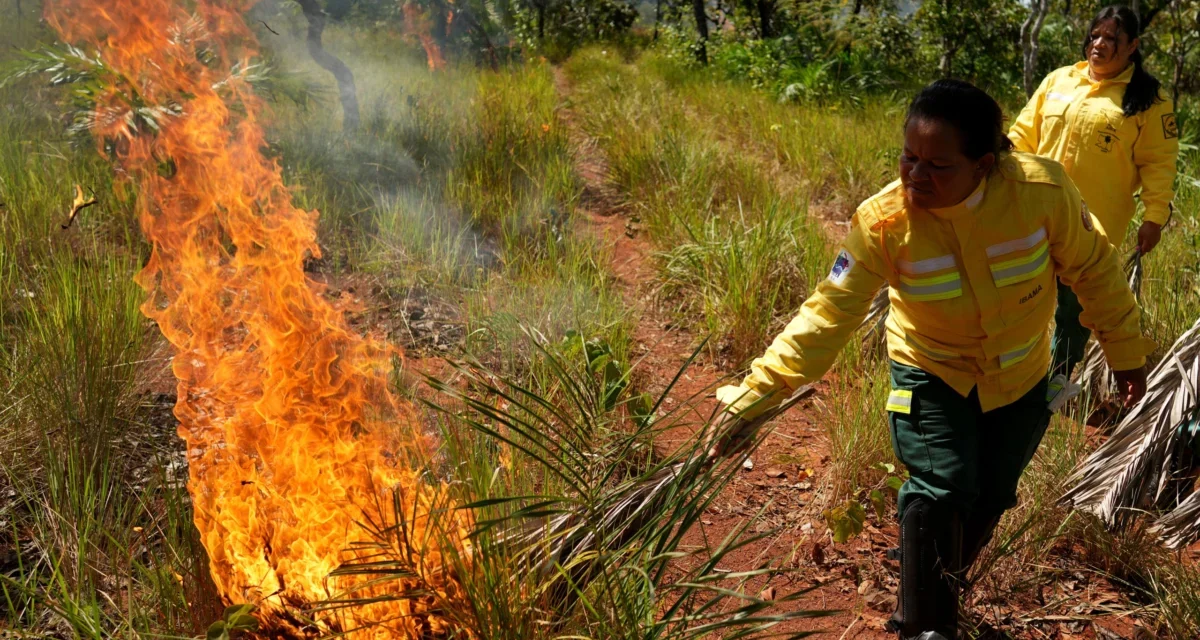
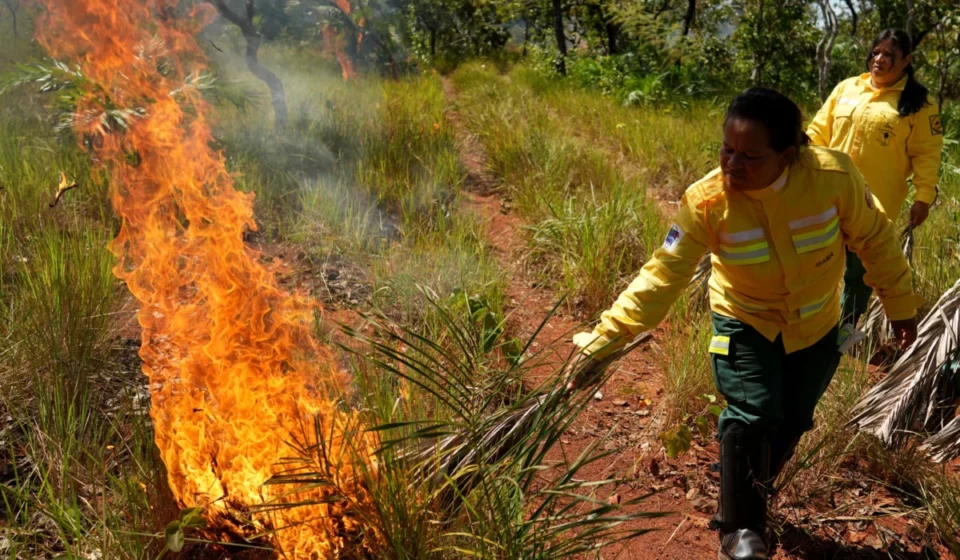
- 2026: Throughout the current year, global reports have confirmed that Indigenous-led fire brigades—such as those operating in the Xerente territory of Brazil—are successfully using controlled burns to prevent larger, more destructive wildfires, working in tandem with, or often exceeding the efficacy of, state environmental agencies.
The Land Is Life report makes it clear: when communities are empowered by their own governance structures, they do not need to "reinvent the wheel." They need only the authority and resources to scale what has been working for generations.
Supporting Data: A Global Assessment
The report’s conclusions are drawn from over 200 detailed surveys across forests, mountains, drylands, freshwater systems, grasslands, and coastal zones. The data points to a consistent trend: success in climate adaptation is directly correlated with the degree of local self-determination.

Key Findings:
- 90%+ of respondents report a marked increase in the frequency of climate-related disasters over the last decade.
- 80% of respondents deal with two or more climate crises at once, requiring a "multi-hazard" governance approach.
- The "Minga" Effect: In the Kichwa tradition, minga—a practice of collective responsibility—allows for rapid mobilization of labor, housing reconstruction, and communication with external authorities during emergencies. This governance model is significantly more efficient than top-down bureaucratic disaster relief.
"We show that it’s not that they are only the most impacted, but they are already implementing effective solutions," says Luisa Castañeda Quintana, executive director of Land Is Life. "When it comes to adaptation, we don’t really need to create new structures or systems. We just need to see what is working."
Official Responses and the Governance Gap
While scientists and policymakers have begun to publicly acknowledge the value of "Indigenous Knowledge," they have been notably slower to respect "Indigenous Governance." There is a fundamental disconnect: the world wants the results of Indigenous stewardship but refuses to grant the autonomy required to achieve them.
The Legal and Financial Void
Many nations refuse to formally recognize Indigenous land rights, effectively criminalizing the very people who protect the world’s most biodiverse regions. Furthermore, when climate funds are earmarked for "Indigenous-led" initiatives, the capital is frequently funneled through non-Indigenous NGOs, leaving the actual communities on the ground without direct access to the resources.
"It’s always the lack of resources and the lack of access to funding that makes it so difficult for us to work," says Anisha Buda, a program officer with the national Indigenous Women Forum in Nepal. "There are so many projects that are supposed to be for Indigenous peoples, but they are implemented by non-Indigenous organizations."
A Call for Direct Action
During New York Climate Week, leaders associated with the Land Is Life project issued a stark warning: the current global funding landscape is not just inefficient; it is exclusionary. Despite billions of dollars in global climate pledges, the vast majority remains locked behind layers of red tape and international bureaucracy.
The report calls for a radical pivot:
- Direct Financing: Move capital directly to community-governed funds rather than relying on intermediaries.
- Legal Recognition: Countries must codify the land rights of Indigenous nations, which provides the security necessary for long-term climate planning.
- Governance Partnerships: Treat Indigenous governing bodies as equal partners in climate policy rather than as stakeholders to be "consulted" after decisions have already been made.
Implications for the Global Future
The implications of this report extend far beyond Indigenous territories. As the global climate continues to warm, the volatility currently experienced by Indigenous peoples will become the "new normal" for the rest of the world.

"What they are seeing in the territories, we’re going to see it also in the future," explains Gisela Hurtado, the report’s author. "They are the ones that are much more connected with the Earth to know what is going to happen."
If global powers continue to ignore the lessons of Indigenous governance, they risk losing the most effective, battle-tested survival strategies available. The cost of inaction is not just measured in dollars, but in the erosion of the world’s most resilient social and ecological systems.
A Path Forward: Lessons from the Field
The success stories in the report—from the drought-resistant agriculture of the Endorois and Tugen women in Kenya to the collaborative, cross-border monitoring in Peru’s Ausangate Regional Conservation Area—offer a template for a more sustainable future.
These examples suggest that resilience is not a technology to be bought; it is a community structure to be nurtured. When Daniel Santi of the Kichwa people speaks of the ability to "confront any problem," he is speaking of the power of a cohesive, self-governing community that understands its land.
As global leaders grapple with the shrinking pool of resources and the accelerating pace of climate change, the message from the Land Is Life report is clear: the most efficient way to spend the world’s limited climate capital is to invest in those who have the deepest, most enduring relationship with the Earth. To ignore this is to choose vulnerability over wisdom. The future, as these leaders suggest, is not about creating new, unproven systems, but about finally trusting, funding, and legalizing the systems that have already proven they can survive the storm.