

























































The Dual Reality of New York City Crime in 2026: Citywide Declines Contrast with Stubborn Localized Violence

Preliminary New York City Police Department (NYPD) CompStat data reveals a significant overall reduction in major felony offenses across New York City. However, a closer examination of the data reveals a starkly divided landscape: while citywide totals are falling, violent crime—specifically felony assault—remains stubbornly high in several historically underserved neighborhoods, and some gentrifying nightlife hubs are experiencing sharp, unexpected surges in criminal activity.
Between January 1 and July 26, 2026, the NYPD recorded 63,710 complaints across the seven major felony categories—a 6.5% decrease compared to the 68,151 incidents reported during the same period in 2025. Yet, as city officials celebrate double-digit percentage drops in murders, robberies, burglaries, and vehicle thefts, community advocates and local precinct commanders warn that these aggregate statistics mask deep geographic disparities.
Chronology: Tracing the 2025–2026 Crime Shift
The trajectory of public safety in New York City over the past 18 months shows a steady stabilization of post-pandemic crime surges, though the rate of recovery varies by offense type.
- Early 2025: High rates of auto theft and retail-related grand larcenies dominated municipal policy discussions, prompting targeted NYPD task forces.
- Winter 2025–2026: Aggressive enforcement and community-based violence interruption initiatives began showing measurable results, particularly in driving down gun violence and homicides.
- Spring 2026: Citywide major felonies consistently trended downward week-over-week, led by rapid drops in burglary and grand larceny auto (vehicle theft).
- Summer 2026 (Through July 26): The mid-year data solidified a 20.9% drop in murders and a 12% drop in robberies. However, felony assaults plateaued, registering a near-identical figure to the previous year, while reported rapes and hate crimes ticked upward. Simultaneously, the 83rd Precinct in Bushwick emerged as a major statistical outlier, deviating from the citywide downward trend with a 25% spike in overall major crime.
Supporting Data: A Statistical Breakdown
The following data, compiled from official NYPD CompStat reports through July 26, 2026, outlines the citywide shifts across the seven major felony categories:

Citywide Major Felony Trends (Jan 1 – July 26, 2026 vs. 2025)
| Crime Category | 2026 (Through July 26) | Same Period in 2025 | Percentage Change | Net Difference |
|---|---|---|---|---|
| Murder | 148 | 187 | Down 20.9% | -39 |
| Rape | 1,226 | 1,180 | Up 3.9% | +46 |
| Robbery | 7,453 | 8,473 | Down 12.0% | -1,020 |
| Felony Assault | 17,032 | 17,029 | Unchanged (0.0%) | +3 |
| Burglary | 6,184 | 7,265 | Down 14.9% | -1,081 |
| Grand Larceny | 24,958 | 26,365 | Down 5.3% | -1,407 |
| Vehicle Theft | 6,709 | 7,652 | Down 12.3% | -943 |
| Total Major Felonies | 63,710 | 68,151 | Down 6.5% | -4,441 |
Beyond the seven major felonies, minor offenses showed mixed results. Misdemeanor assaults rose by 1.9%, and reported hate crimes increased by nearly 5%. Transit system offenses experienced a modest increase, though overall totals remain historically low relative to the millions of daily subway commuters.
Geographic Analysis: Neighborhoods of Focus
Because crime patterns are highly localized, citywide averages fail to reflect the daily realities on the ground. Below is an analytical review of ten neighborhoods where localized conditions, historical factors, and specific crime patterns require heightened awareness from residents and visitors alike.
10. Hunts Point (Bronx – 41st Precinct)
- Main Concerns: Felony assault, commercial vehicle security, isolated industrial corridors after dark.
- The Data: Major felonies fell by over 26%, dropping from 877 in 2025 to 645 in 2026. Robberies dropped from 152 to 105, felony assaults decreased from 250 to 186, and vehicle thefts were cut by more than half. Shooting incidents declined from seven to five.
- Context: Dominated by the Hunts Point Food Distribution Center and heavy industrial zoning, the neighborhood’s physical layout presents unique safety challenges. While commercial activity is high during the day, the warehouse districts empty out at night, leaving pedestrians isolated. Despite these spatial risks, the double-digit drop in major crimes proves that Hunts Point is steadily shedding its historical association with unchecked street-level violence.
9. East Harlem (Manhattan – 23rd Precinct)
- Main Concerns: Petty theft, opportunistic larceny, and pedestrian awareness near transit hubs.
- The Data: Major felonies in the 23rd Precinct declined by over 16%, falling from 778 to 651. The precinct recorded zero murders (down from two in 2025). Robberies fell by 26%, burglaries by 34%, and felony assaults by 10%. Conversely, petty larceny reports rose by nearly 15%.
- Context: East Harlem is a vibrant, culturally rich enclave featuring major institutions like El Museo del Barrio. While violent crime has plummeted, the rise in petty theft near busy intersections—specifically around the 125th Street and Lexington Avenue transit corridor—requires commuters and shoppers to keep personal belongings secure.
8. Bedford-Stuyvesant (Brooklyn – 79th Precinct)
- Main Concerns: Block-by-block variance, property theft, and evening pedestrian safety.
- The Data: Major felonies in the western portion of the neighborhood (79th Precinct) dropped from 779 to 745. Felony assaults fell from 269 to 232, robberies declined from 117 to 107, and shootings decreased from 11 to seven. Grand larceny bucked the trend, rising from 229 to 244.
- Context: Bedford-Stuyvesant is highly diverse, featuring beautifully restored historic brownstones alongside public housing complexes. While major commercial avenues like Fulton Street and Nostrand Avenue remain active and well-lit late into the evening, adjacent residential blocks can become quiet quickly, making route planning essential for nighttime visitors.
7. Brownsville (Brooklyn – 73rd Precinct)
- Main Concerns: Concentrated felony assaults, localized gang conflicts, and public housing safety.
- The Data: Major felonies fell by 14.3%, dropping from 1,127 to 966. Robbery declined by 21% and grand larceny by 16%. Shooting incidents dropped from 19 to 12, with the number of shooting victims falling from 23 to 15. However, felony assaults remained high at 429 incidents.
- Context: Decades of systemic disinvestment and concentrated poverty have given Brownsville a persistent reputation for high crime. While the 2026 data shows encouraging progress—particularly in the reduction of gun violence—the high volume of felony assaults indicates that interpersonal violence remains a critical challenge. Community-led violence interruption programs continue to play a pivotal role in maintaining this downward trajectory.
6. Bushwick (Brooklyn – 83rd Precinct)
- Main Concerns: Rapidly rising robberies, felony assaults, burglaries, and nightlife-related disputes.
- The Data: Major felonies surged by 25%, rising from 875 to 1,094. Robberies rose by 37%, felony assaults by 42%, burglaries by 41%, and grand larcenies by 24%.
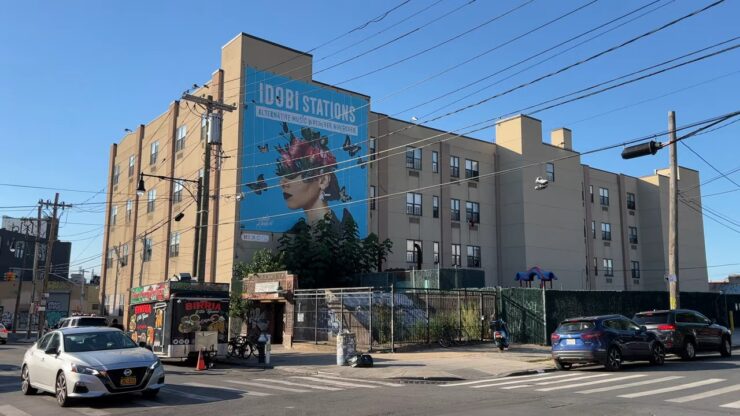
- Context: Bushwick is the primary anomaly of 2026. As a premier nightlife destination packed with bars, music venues, and warehouse parties, the neighborhood attracts massive crowds on weekends. This influx of late-night foot traffic, often combined with alcohol consumption, has driven a sharp increase in physical altercations and opportunistic thefts.
5. Tremont (Bronx – 48th Precinct)
- Main Concerns: Persistent felony assaults and localized shooting incidents.
- The Data: Overall major felonies fell by 12.5% to 1,249. Homicides dropped significantly from 11 to three, and robberies declined by over 35%. However, felony assaults remained high at 396 reports, and shooting incidents ticked up slightly from 16 to 17.
- Context: Tremont’s commercial corridors, particularly around East Tremont Avenue, remain busy and relatively safe during the day. However, residential side streets see drastically reduced foot traffic after dark, where domestic disputes and localized neighborhood conflicts continue to drive the precinct’s high assault rate.
4. Highbridge (Bronx – 44th Precinct)
- Main Concerns: Event-day pickpocketing, crowd dynamics, and isolated park areas.
- The Data: Major felonies declined by 10.3% to 1,532. While robberies, assaults, and vehicle thefts dropped, felony assaults remained the largest single category with 567 reports. Shooting incidents rose slightly from 13 to 15.
- Context: Home to Yankee Stadium, the 44th Precinct experiences massive influxes of visitors during baseball games and concerts. While these events bring a heavy police presence, they also create opportunities for pickpockets and phone snatchers. Once event crowds disperse, the neighborhood’s steep stairways and park borders become isolated, requiring extra vigilance.
3. Fordham (Bronx – 46th Precinct)
- Main Concerns: Rising violent crime, commercial robberies, and pickpocketing.
- The Data: Major felonies increased by 8.3%. Felony assaults spiked by nearly 23% (from 512 to 629), robberies rose by 9%, and murders increased from four to nine.
- Context: Fordham Road is one of the most heavily trafficked commercial and transit corridors in the city. The high density of shoppers, commuters, and street vendors creates an environment ripe for opportunistic theft during the day. At night, the area’s safety profile changes rapidly as commercial storefronts shutter, leaving wide avenues vulnerable to robbery and assault.
2. East New York (Brooklyn – 75th Precinct)
- Main Concerns: High volumes of felony assaults, auto theft, and transit hub transition zones.
- The Data: Major felonies fell by nearly 9% to 1,686. Robberies fell by 17% and burglaries by 27%. However, felony assaults rose from 587 to 611, murders increased from seven to nine, and shooting incidents remained flat at 26. Vehicle thefts remained a major concern with 226 reported cases.
- Context: Spanning a massive geographic area in eastern Brooklyn, East New York is highly segmented. Major transit hubs like Broadway Junction feature constant commuter traffic and a heavy transit police presence. However, the industrial borders and residential blocks surrounding these hubs can become quiet instantly, presenting a sharp contrast in safety from one block to the next.
1. Mott Haven (Bronx – 40th Precinct)
- Main Concerns: Highest raw volume of major felonies among residential precincts, stubborn felony assaults, and gun violence.
- The Data: The 40th Precinct recorded 1,808 major felonies, the highest residential total analyzed. While this represents an 8% decline from 2025 (with robberies down 14.5% and vehicle thefts down 25%), felony assaults rose from 585 to 629. The precinct also recorded 17 shooting incidents and 19 shooting victims.
- Context: Mott Haven is undergoing rapid gentrification, characterized by luxury high-rises along the Harlem River waterfront. This development has created a stark socioeconomic contrast. While the newly developed waterfront pathways are heavily monitored, older residential blocks and industrial sectors just a few streets away continue to experience persistent, localized violent crime.
The Midtown Exception: Understanding the Denominator Effect
Many algorithmic crime rankings place Midtown Manhattan (specifically the Midtown South Precinct) at the top of "most dangerous" lists due to its high volume of reported offenses. In 2026, Midtown South recorded 1,611 major felonies.
However, a granular analysis reveals that grand larceny accounted for 993 of those cases—over 60% of the total. Conversely, violent crime is exceptionally rare in Midtown; the precinct recorded only two shooting incidents during this period.
Because Midtown South’s daily population swells with millions of tourists, commuters, and shoppers, the actual per-capita risk of violent crime for any individual is remarkably low. The primary threat in Midtown is non-violent property theft—such as pickpocketing, unattended bag snatches, and retail shoplifting.
Official Responses and Law Enforcement Strategy
City Hall and the NYPD leadership have pointed to the 6.5% citywide drop in major felonies as validation of their current operational strategies. However, the stubbornness of felony assaults and the localized crime spikes have forced tactical adjustments.

- Targeted Nightlife Policing: In response to the 25% crime spike in Bushwick, the NYPD has established a specialized nightlife task force. This initiative partners with local venue owners to improve exterior lighting, coordinate ride-share pickup zones, and deploy additional foot patrols during peak weekend hours (11:00 PM to 4:00 AM).
- Focus on Interpersonal Violence: With citywide felony assaults remaining flat, the NYPD is shifting resources toward domestic violence prevention and community-level mediation. Officials note that unlike commercial robberies or car thefts, felony assaults are frequently driven by spontaneous disputes between individuals known to each other, making them harder to deter through traditional patrol methods alone.
- Expansion of Violence Interruption Programs: In neighborhoods like Brownsville and Hunts Point, where gun violence has decreased, city officials are expanding funding for non-profit, community-based violence interrupters. These programs utilize credible messengers to mediate street-level conflicts before they escalate into physical violence.
Implications for Residents, Visitors, and the City’s Future
The mid-2026 crime data carries broad implications for New York City’s real estate market, tourism industry, and municipal policy.
Real Estate and Neighborhood Gentrification
The divergence between a neighborhood’s aesthetic development and its crime statistics is highly apparent in areas like Mott Haven. Developers continue to market waterfront luxury apartments, yet the persistent rate of felony assaults in the 40th Precinct highlights an ongoing disconnect. Prospective residents are increasingly looking beyond general neighborhood labels, analyzing block-by-block data and transit routes before committing to relocations.
The Public Perception Gap
The dramatic drop in homicides (-20.9%) and robberies (-12%) indicates that New York City remains, statistically, one of the safest large metropolitan areas in the United States. However, localized surges in high-traffic nightlife areas (like Bushwick) and the rise in misdemeanor assaults sustain public anxiety. This gap between statistical reality and subjective perception remains a central challenge for municipal leaders aiming to boost tourism and return-to-office rates.
Practical Safety Guidelines for Navigating the City
Experts emphasize that situational awareness is far more effective than avoiding specific boroughs or neighborhoods entirely. Recommended practices include:
- Secure Personal Technology: Avoid using mobile phones immediately adjacent to subway train doors, where "snatch-and-run" thefts are common.
- Pre-Plan Transit Routes: Before exiting venues in nightlife districts or unfamiliar areas, identify the exact subway entrance or coordinate ride-share services to avoid wandering down quiet, industrial side streets.
- Vehicle Safety: The decline in auto theft is encouraging, but vehicular property crime remains common. Drivers should ensure no bags, electronics, or tools are visible inside parked vehicles, regardless of the neighborhood.