

















































The American dinner table has become an unexpected battleground in the lead-up to the 2026 midterm elections. What was once a routine consumer concern—the safety of fresh produce and proteins—has metastasized into a high-stakes political crisis. Following a summer marked by a massive, record-breaking parasitic outbreak and a series of high-profile meat recalls, voters are increasingly questioning the integrity of the U.S. food supply, turning food safety into a potent campaign weapon.
As the political divide widens, the debate has shifted from public health policy to accusations of government negligence, corporate influence, and partisan "scaremongering." For many, the question is no longer just about the nutritional value of a salad or the quality of a burger, but whether the federal agencies charged with protecting them have been hollowed out by political agendas.
The Chronology of a Crisis: From Lettuce to Legislation
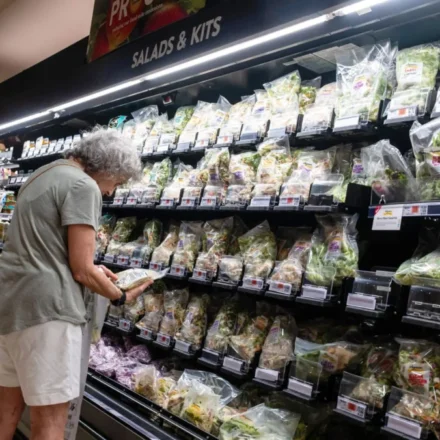
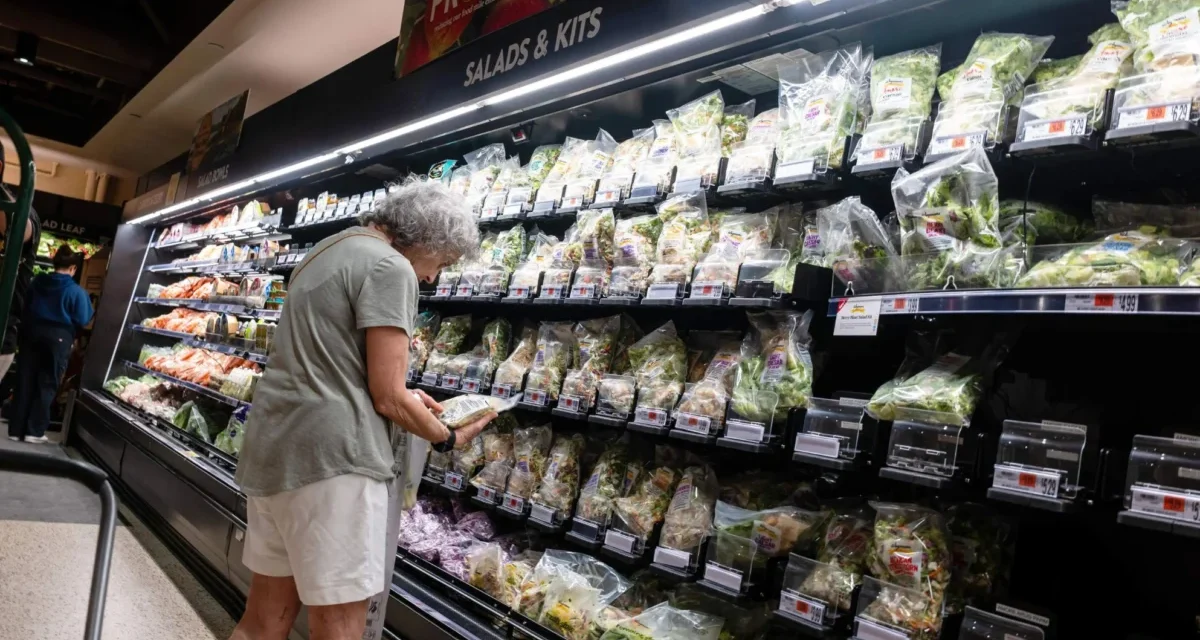
The current climate of apprehension was ignited by a perfect storm of events during the summer of 2026. The most prominent incident involved a widespread Cyclospora outbreak linked to contaminated lettuce. According to data from the Centers for Disease Control and Prevention (CDC), the outbreak resulted in nearly 20,000 laboratory-confirmed cases of illness between May and August. To put this in perspective, there were only 1,180 cases during the same period in 2025. This surge marks the largest recorded outbreak of the parasite in history, causing chain restaurants like Chipotle and Taco Bell to abruptly pull lettuce and jalapeños from their menus.
Simultaneously, the U.S. Department of Agriculture (USDA) issued recalls for tens of thousands of pounds of imported meat, including products from Corte Argentino USA LLC. These events were not merely isolated health incidents; they became fodder for late-night talk show hosts—who poked fun at the graphic symptoms associated with the outbreaks—and, more significantly, for Democratic lawmakers who saw an opening to attack the Trump administration’s regulatory philosophy.
The response from the public was swift. A July survey by Quinnipiac University found that a majority of registered voters possess little to no confidence in government oversight regarding food safety. Furthermore, a poll by GS1 US indicated that 94% of U.S. adults are actively concerned about the frequency of food recalls. By August, consumer trust in the safety of the U.S. food system had plummeted to 30%, down from 40% just nine months prior.
Supporting Data: Parsing the Recall Numbers
The political debate is fueled by conflicting interpretations of federal data. Democrats, led by figures like Sen. Elizabeth Warren (D-Mass.) and Rep. Gabe Amo (D-R.I.), argue that the administration’s budget cuts and regulatory rollbacks have directly compromised the safety of the food supply.
However, the administration has pushed back, citing data that suggests the total number of recalls for fiscal year 2026 is among the lowest in a decade. The FDA, in a post on X, asserted that recalls dropped to 1,836 in fiscal 2026 from nearly 4,000 in fiscal year 2013, famously adding the tagline, "Don’t believe the fake news."
Yet, food safety experts and independent analysts caution that these numbers are misleading. Susan Mayne, who served as director of the FDA’s Center for Food Safety and Applied Nutrition from 2015 to 2023, pointed out that the FDA’s broad recall tally often conflates food items with medical devices and pharmaceuticals. When isolating food-specific data, the picture is more complex. PIRG (U.S. Public Interest Research Group) data indicates that while 2026 recall numbers are currently on par with the previous year, the total number of recalls grew 21% between 2021 and 2025. Most concerning is the rise in "Class I" recalls—those involving products that pose a risk of serious illness or death.
Official Responses and the "Hypocrisy" Allegation
The administration’s stance is that they are maintaining a robust defense of public health while streamlining government efficiency. HHS senior adviser Calley Means has been particularly vocal, accusing Democratic operatives of weaponizing food safety to attack the performance of Health and Human Services Secretary Robert F. Kennedy Jr.
"It makes sense that these craven, disingenuous attacks are all these influencers have," Means posted on X, arguing that the administration is successfully identifying and mitigating outbreaks more efficiently than in the past.
Conversely, critics like Sarah Sorscher, regulatory affairs director at the Center for Science in the Public Interest, argue that there is a profound "level of hypocrisy" in the administration’s approach. "They promise to make our food safer and then eviscerate the agencies and programs that detect and prevent outbreaks," Sorscher noted.
HHS spokesperson Grace Davis Jamison defended the administration, stating that FDA and CDC teams dedicated to foodborne illness investigations have remained untouched by staffing reductions. "The Trump administration has mounted a robust response to each outbreak," she said, noting that they are working closely with health departments across all 50 states to provide timely information to the public.
The Regulatory Rollback: Implications for the Future
The political friction is underscored by a series of specific policy shifts that have alarmed food safety advocates. In late August, President Trump proposed policies that would lower barriers for small livestock operations to slaughter and process their own meat. While framed as a boon for small farmers, critics fear it could introduce inadequately inspected beef into the national supply.
Furthermore, the administration has moved to increase beef imports from Brazil and Argentina. This has drawn scrutiny because the European Union has previously banned Brazilian beef imports due to concerns over antibiotic use and lax adherence to safety standards.
Perhaps most significant are the administrative delays in food safety enforcement. The administration has withdrawn a proposed Biden-era rule that would have limited the sale of raw poultry containing high levels of Salmonella. Additionally, the compliance deadline for new, stringent food traceability requirements—which would allow for faster identification and removal of contaminated products—has been pushed back from January 2026 to July 2028.
The Consumer Impact: A Shift in Habits
The human cost of these political and regulatory maneuvers is being felt in grocery aisles and restaurant booths across the country. According to research from the University of Illinois and Purdue University, nearly half of all consumers have changed their grocery shopping habits in the last month, while 40% have modified their restaurant dining behavior due to fear of foodborne illness.
Sandra Eskin, chief executive of Stop Foodborne Illness, highlights the economic and social consequences of this erosion of trust. "If you want people to eat real food, fresh fruits and vegetables, they have to be safe," Eskin said. "Instead, we have had farmers plowing under fields because people aren’t buying lettuce."
Conclusion: A Lingering Question for November
History suggests that food safety can be a decisive issue. The 1993 E. coli outbreak at Jack in the Box restaurants was a pivotal moment for the Clinton administration, forcing a top-to-bottom overhaul of safety protocols that arguably saved countless lives.
Whether the 2026 outbreaks will have a similar effect on the electorate remains to be seen. While the administration points to successful containment and lower aggregate recall numbers, the public’s perception—driven by high-profile illness reports and a perceived lack of government oversight—remains deeply shaken.
As the midterm elections approach, the debate over the safety of the American food supply serves as a microcosm of the broader political struggle. It is a debate about the role of the state, the power of private industry, and the fundamental expectation that when a citizen goes to the grocery store or sits down to dinner, they are not putting their health at risk. For voters this November, the "food fight" is not just about rhetoric; it is about the tangible security of their own lives.