



















































Defiance in Albert Lea: City Council Rejects First Cannabis Dispensary Despite State Mandates

ALBERT LEA, MN – In a move that sets the stage for a high-stakes legal and fiscal showdown between local governance and state authority, the Albert Lea City Council has voted to deny a business license to the city’s first prospective cannabis dispensary. The decision, reached in a narrow 4-3 vote during a contentious Monday night meeting, directly contradicts Minnesota state law regarding the mandatory registration of cannabis retailers.
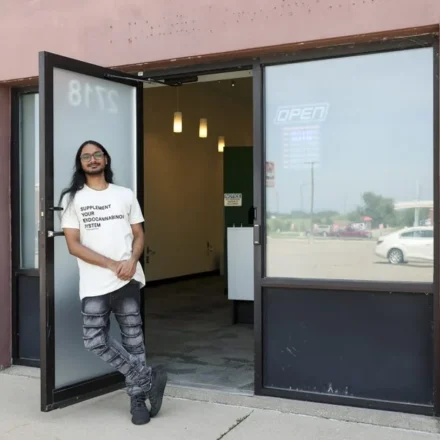
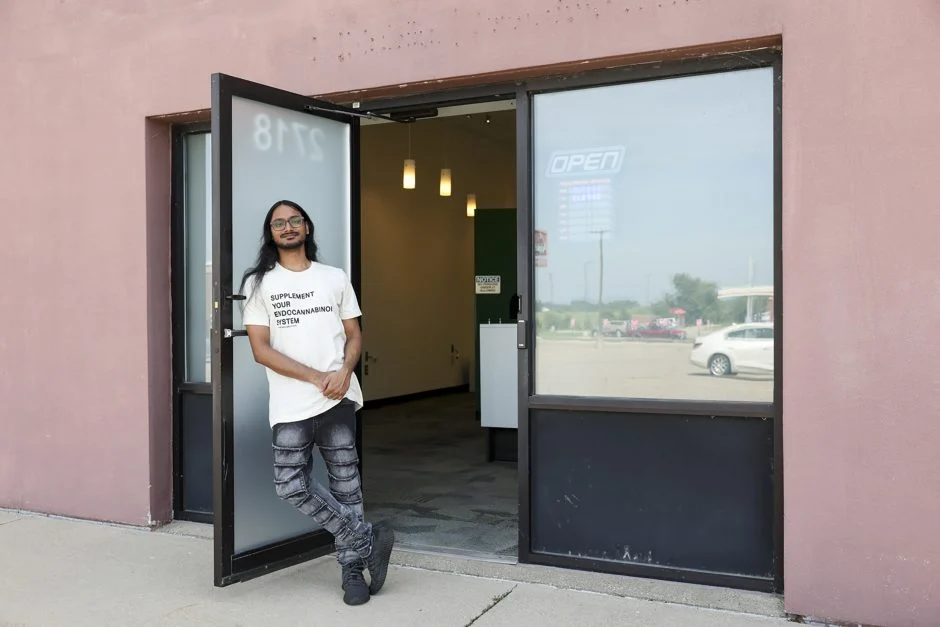
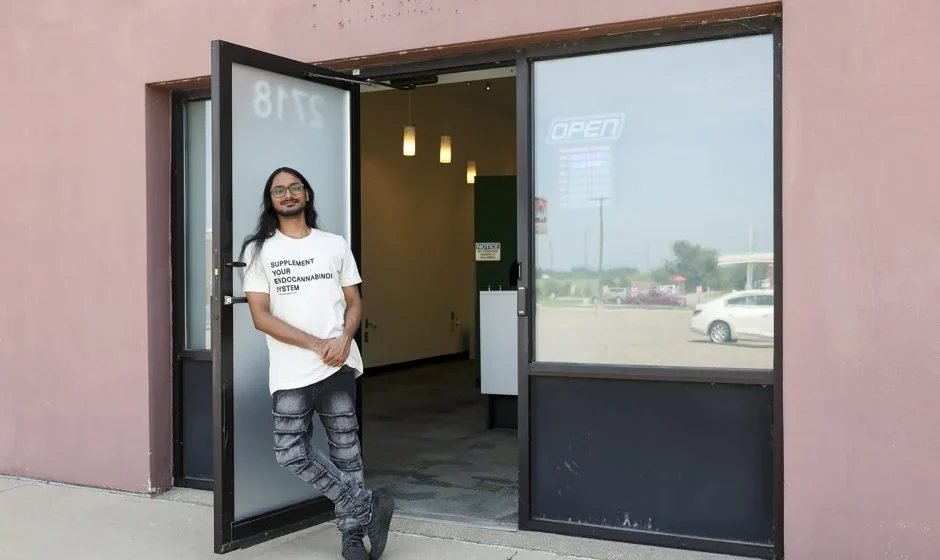
The denial of "The Smoking Tree," owned by local entrepreneur Jacob Schlichter, marks a significant flashpoint in the rollout of Minnesota’s adult-use cannabis industry. While the state’s Office of Cannabis Management (OCM) has begun greenlighting businesses, the pushback from Albert Lea highlights a burgeoning "principled" resistance among some local leaders who argue that state-level mandates have stripped municipalities of their autonomy.
Main Facts: A Council Divided Against the Law
The central conflict revolves around the registration of The Smoking Tree, a business that had already cleared the rigorous hurdles set by the Minnesota Office of Cannabis Management. Jacob Schlichter, the owner, had intended to hold a "soft opening" for the dispensary on Tuesday. According to both state law and the city’s own internal administrative reviews, the business had met every legal requirement necessary to operate.
However, the City Council’s majority—comprising Mayor Rich Murray and Councilors Larry Baker, Rachel Christensen, and Keith Van Beek—voted to block the registration. The dissenters, Councilors Brian Anderson, Jason Howland, and Reid Olson, argued that the city was exposing itself to unnecessary financial and legal ruin by defying a state mandate they have no power to override.
The legal reality facing Albert Lea is stark. Under Minnesota Statute 342.13, local governments are granted limited authority to regulate the "time, place, and manner" of cannabis businesses through zoning, but they are expressly prohibited from banning them entirely if the businesses meet state and local requirements. For a city the size of Albert Lea, the law mandates the registration of at least two cannabis retail licenses based on its population density.
Chronology: From State Legalization to Local Standoff
The path to Monday’s defiance began in May 2023, when Minnesota Governor Tim Walz signed the bill legalizing adult-use cannabis. The legislation established the Office of Cannabis Management (OCM) to oversee the industry and created a framework that prioritized a "social equity" and "micro-business" approach.
- May 2024: The Albert Lea City Council approved a local ordinance detailing the registration process for cannabis businesses. This ordinance specified that licenses would be granted on a "first-come, first-served" basis, provided the applicants held valid state licenses and met local zoning criteria.
- June 2024: Jacob Schlichter made history as the first "micro-retail" cannabis applicant in Minnesota to pass the state’s rigorous licensing inspection. This milestone positioned The Smoking Tree as a pioneer in the state’s nascent retail market.
- July 18, 2024: City staff confirmed that Schlichter had completed all necessary local registration steps. City Manager Ian Rigg and the city’s legal team vetted the application, confirming it met all zoning and safety requirements.
- Monday Night Meeting: What was expected to be a routine "rubber-stamp" approval—originally placed on the council’s consent agenda—was pulled for discussion. After a heated debate regarding local control and state overreach, the council voted 4-3 to deny the registration.
Supporting Data: The Financial and Legal Risks
The decision to deny the license is not merely a symbolic gesture; it carries quantifiable risks that could destabilize the city’s finances. City Manager Ian Rigg and City Attorney Joel Holstad provided the council with a grim outlook of the potential consequences prior to the vote.
1. The Cost of Litigation
City Attorney Joel Holstad warned the council that the State of Minnesota would likely sue the city for non-compliance. He estimated that a "legitimate defense" of such a lawsuit would cost the city at least $100,000 in legal fees. Furthermore, Holstad characterized the city’s chances of winning such a case as "highly unlikely," given the explicit language of the state statute.
2. Local Government Aid (LGA) Penalties
Perhaps the most significant threat is the potential loss of Local Government Aid (LGA). Albert Lea is heavily dependent on state funding; LGA accounts for more than $6 million of the city’s revenue, roughly one-third of its entire general fund. Rigg noted that the state could impose a 5% penalty on LGA for cities failing to comply with cannabis statutes. This would result in an immediate $300,000 loss to the city budget—equivalent to the cost of several municipal staff positions or significant infrastructure projects.
3. Population-Based Mandates
Minnesota law requires local jurisdictions to register one cannabis retail license for every 12,500 residents. With a population of approximately 18,000, Albert Lea is legally required to host at least two dispensaries. By denying the first applicant, the city is in a state of double-defiance of the population-based quota.
Official Responses: Ideology vs. Pragmatism
The debate within the council chamber reflected a deep-seated frustration with the relationship between the state capital in St. Paul and the "Greater Minnesota" communities.
The Majority Opinion: A Stand for Local Control
Councilor Larry Baker emerged as the most vocal critic of the state’s mandate. He argued that the vote was a necessary act of resistance against the erosion of "Home Rule" authority. "We need to speak up, and this is just a point where I’m going to start speaking up," Baker said. "It’s just a matter of principle." Baker expressed concern that if the city did not push back now, the state would continue to seize control over other local matters, such as residential zoning.
Mayor Rich Murray echoed these sentiments, accusing the state legislature and the governor of "ramming" the legalization of cannabis down the throats of local communities without adequate input. Murray’s opposition was rooted in both a personal distaste for the industry and a political objection to the state’s pursuit of tax revenue at the expense of local preference.
The Minority Opinion: Fiscal Responsibility
Conversely, Councilor Brian Anderson characterized the council’s power in this matter as an "illusion of choice." He argued that while councilors may personally dislike cannabis, their primary duty is to protect the city’s financial health. "I think it’s up to me sitting up here to do the responsible thing and actually say that this is going to happen whether we want it to or not," Anderson remarked, urging his colleagues to "make the best of it" rather than inviting costly lawsuits.
The Applicant’s Perspective
Jacob Schlichter expressed exhaustion at being a "pioneer" in an increasingly hostile environment. Having spent months navigating the state’s complex regulatory framework, he found himself blocked at the final hurdle by a body he believed should be supporting local entrepreneurship. "Whether or not you agree with cannabis, we can all agree that this is a bad use of our tax money," Schlichter said. "The law is the law."
Implications: A Precedent for the State
The situation in Albert Lea is being closely watched by the Minnesota Office of Cannabis Management and municipal leaders across the state. The outcome of this standoff will likely define the boundaries of local authority in the post-legalization era.
1. A Potential Domino Effect
If Albert Lea successfully avoids immediate state intervention, other conservative-leaning municipalities may follow suit, creating a patchwork of "cannabis deserts" across Minnesota. This would undermine the state’s goal of creating a uniform, regulated market and could inadvertently bolster the illicit market in regions where legal access is blocked.
2. State Intervention
The OCM has the authority to take legal action to ensure that the will of the legislature is upheld. If the state moves to sue Albert Lea, it will send a clear message that local "principled stands" will not be tolerated if they violate statutory mandates. The loss of $300,000 in LGA would serve as a powerful deterrent for other cities considering similar moves.
3. The Future of The Smoking Tree
For Jacob Schlichter, the path forward is fraught with legal complexity. He has the option to sue the city for damages and for a court order to compel the issuance of the license. However, Schlichter noted his reluctance to "sue my own city" and use taxpayer dollars for a legal battle. He has called upon the residents of Albert Lea to lobby their councilors to reconsider the vote, hoping for a diplomatic resolution to a conflict that has, for now, stalled the city’s entry into a multi-billion-dollar industry.
As Albert Lea weighs the "principle" of local control against the "reality" of state supremacy, the city remains at a standstill. The Smoking Tree sits ready to open, its doors locked not by a lack of preparation, but by a 4-3 vote that challenges the very framework of Minnesota’s new cannabis laws.