



















































Data Center Divide: Trump’s "Backwards and Poor" Stance Puts Minnesota Republicans on a Tightrope in Key Midterm Battles

WASHINGTON, D.C. – A political storm is brewing over the construction of data centers, thrust into the national spotlight by former President Donald Trump’s recent broadside against communities that resist these facilities. Labeling such opposition as a desire to be “backwards and poor,” Trump’s unequivocal stance has created a significant dilemma for Republican candidates, particularly in Minnesota, where numerous data center proposals have become flashpoints in competitive midterm elections.
The debate over data centers, once a niche issue, has rapidly escalated into a defining concern for voters across the political spectrum. Public sentiment, as revealed by a recent Economist/YouGov Poll, indicates widespread skepticism, with both Republican and Democratic voters expressing reservations about the proliferation of these digital infrastructure hubs that Trump champions as vital job creators and economic boons.
A Nation Divided on Digital Infrastructure
The controversy stems from a fundamental disagreement over the true costs and benefits of data centers. While proponents, led by Trump, emphasize their role in the burgeoning artificial intelligence (AI) sector and national security, local communities and a growing number of policymakers are raising alarms about their voracious appetite for resources and perceived limited long-term economic advantages.
Trump’s declaration, made on his Truth Social platform, left no room for nuance. “The only reason that communities throughout the U.S.A. should not want Data Centers is if they want to end up being backwards and poor,” he asserted, portraying them as the “Golden Goose” essential for the United States to lead the strategic AI arms race against China. This strong, top-down directive has forced many Republicans to choose between loyalty to the former president and responsiveness to their constituents’ local concerns.
The Chronology of a Campaign Issue
The issue’s ascent to prominence has been swift and marked by a series of events that underscore its growing political weight:
The Economist/YouGov Poll, conducted from August 28-31, 2026, served as a stark indicator of public apprehension. The survey revealed that more than half of Americans view data center construction as “bad,” with only a fifth considering it beneficial. Democrats exhibited particularly strong negative views, with 61% deeming it detrimental to the country. Crucially for Republicans, 39% of GOP respondents also expressed negative sentiments, outweighing the 31% who saw new data centers as a positive development. This bipartisan skepticism directly challenged the prevailing narrative of data centers as universally desirable economic engines.
In the immediate aftermath of Trump’s Truth Social post, Rep. Tom Emmer (R-6th District) of Minnesota, a member of the U.S. House leadership, quickly aligned himself with the former president’s position. In a post on X, Emmer declared, “President Trump is absolutely spot on,” echoing the national security narrative. He warned that “Communist China and our adversaries would love it if the United States was asleep at the wheel and stopped innovating and developing AI and emerging tech,” asserting that “Thanks to President Trump’s work, the USA will be a digital LEADER!”
However, Emmer’s enthusiastic endorsement highlighted a brewing internal conflict within the Republican Party, especially among those whose districts are actively grappling with proposed data center projects. Just weeks prior, local communities across Minnesota, from Pine Island to Hermantown, had seen grassroots movements form in opposition to specific data center proposals. These local skirmishes, often characterized by public forums, protests, and robust debate in city council meetings, provided the backdrop for the broader political discussion.
By August 2026, the issue had already taken root in campaign messaging. Democratic challengers, recognizing the potency of local opposition, began to integrate data center critiques into their platforms, calling for moratoriums and increased regulatory oversight. Notably, Jake Johnson, the Democratic challenger to Rep. Brad Finstad, joined a prominent protest against a proposed data center in Pine Island that same month, underscoring the immediate relevance of the issue on the campaign trail.
This groundswell of local activism and evolving public opinion set the stage for the nuanced responses from other Minnesota Republicans, who found themselves in a precarious position, balancing national party rhetoric with constituent demands.
Supporting Data: The Hidden Costs and Contested Benefits
The widespread public backlash against data centers is rooted in several critical concerns, supported by economic analysis and environmental data. Far from being universally acclaimed as job-producing boons, these facilities present a complex profile of costs and benefits.
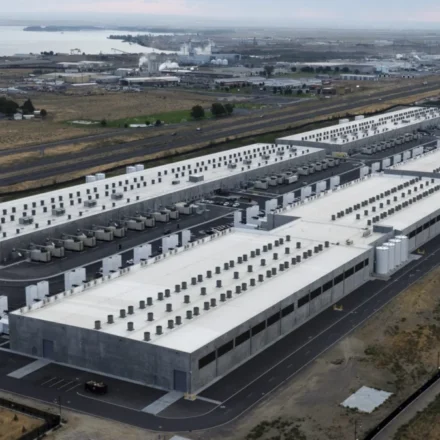
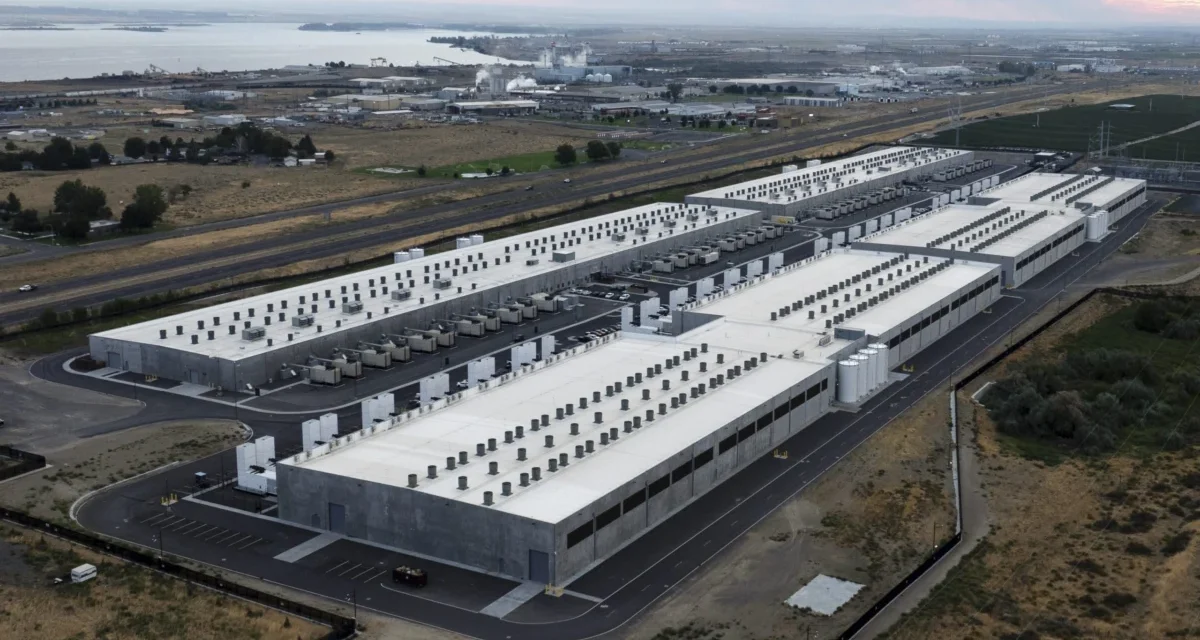
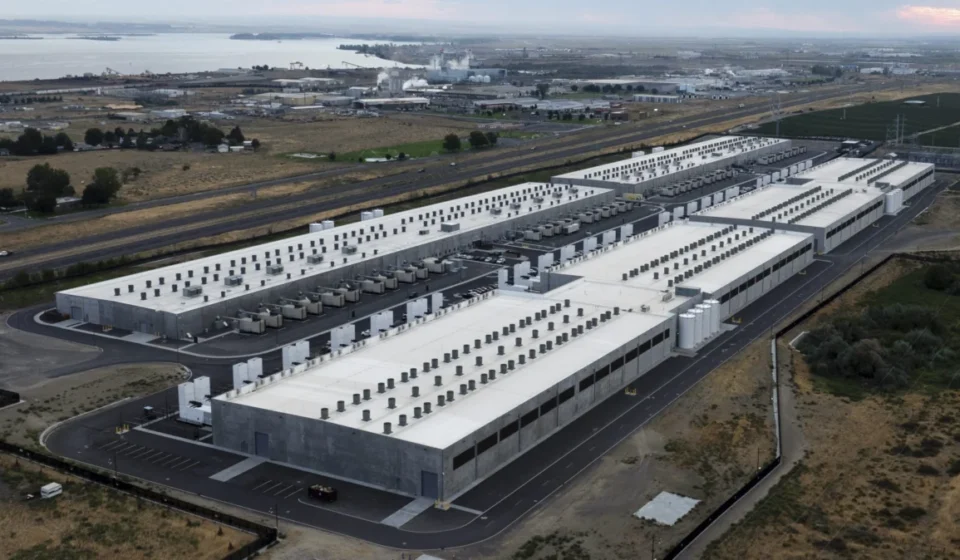
Resource Consumption: The most significant concern revolves around the staggering consumption of natural resources. Data centers are massive energy hogs, requiring colossal amounts of electricity to power servers and, crucially, to cool them. A single large data center can consume as much electricity as a small city, placing immense strain on local power grids and contributing significantly to carbon emissions, especially if powered by fossil fuels. Beyond electricity, water consumption is equally problematic. Modern data centers often rely on evaporative cooling systems, which can use millions of gallons of water annually, a critical issue in regions facing drought or water scarcity. This heavy resource demand directly contradicts growing environmental consciousness and sustainability goals in many communities.
Job Creation: While touted as job creators, economists, including those at the Brookings Institution, have determined that the long-term job creation from data centers is largely limited. The primary employment boost comes during the short-term construction phase, which brings significant work for trade unions. However, once operational, a fully functional data center requires a relatively small, highly specialized workforce for maintenance and security, often numbering in the dozens rather than hundreds or thousands. This stark contrast between initial promises and ongoing reality often leaves communities feeling short-changed, especially when weighing the environmental costs against the sustained economic benefits.
Economic Impact and Tax Benefits: Proponents often highlight potential tax benefits, with data center operators sometimes receiving tax breaks or incentives to locate in a particular area. While these can provide a boost to local coffers, critics argue that these benefits often do not outweigh the long-term strains on infrastructure and resources. The opaque nature of some development deals, sometimes shrouded by non-disclosure agreements (NDAs), further fuels public suspicion about the true economic calculus.
Public Opinion Trends: The Economist/YouGov Poll reinforced the deep-seated reservations. The finding that a significant portion of Republican voters (39%) view data center construction negatively indicates that this is not merely a partisan issue but a broader community concern. This cross-party opposition makes it a potent electoral weapon for challengers, forcing incumbents to address local anxieties directly.
The "Quiet Boom" in Political Advertising: The political impact is further evidenced by a “quiet boom” in data center-related political advertising, as tracked by AdImpact. While Democratic campaigns are leading the charge in spending on ads critical of data centers, a substantial 26% of such ads are run by Republicans, primarily those who oppose local data center construction. This suggests that even within the GOP, candidates are recognizing the electoral necessity of addressing constituent concerns, often running counter to the party’s national rhetoric. This divergence highlights the localized nature of the issue and its capacity to reshape campaign strategies.
Official Responses: A Party Divided
The responses from Minnesota’s Republican delegation underscore the tightrope many are walking, caught between President Trump’s emphatic pro-data center stance and the mounting local opposition in their districts.
President Trump and Rep. Tom Emmer’s Unwavering Support:
Former President Trump’s message was unambiguous: data centers are critical for national security and economic prosperity, particularly in the race for AI dominance. His dismissal of opposition as wanting to be “backwards and poor” reflected a firm belief in their strategic importance. Rep. Tom Emmer, whose 6th District includes Monticello, a site of a proposed data center, quickly mirrored this sentiment. His embrace of Trump’s message, framed through the lens of countering “Communist China” and ensuring U.S. leadership in “AI and emerging tech,” left no room for local reservations. For Emmer, the national imperative seemingly overrides specific community concerns.
Rep. Brad Finstad’s Nuanced Position:
In stark contrast, Rep. Brad Finstad (R-1st District), whose southern Minnesota district encompasses Pine Island, Faribault, and North Mankato—all sites of proposed data centers—articulated a more cautious and community-centric approach. While acknowledging the importance of AI technology and the potential role of data centers in economic future and national security, Finstad firmly asserted that “the decision about whether a data center is right for a particular community should be made by the people and local leaders who know their communities best, not handed down by Washington through a blanket, one-size-fits-all approach.” He stressed the critical need for communities to have a “full understanding of the energy demands, environmental impacts, job creation, and potential tax benefits.” Furthermore, Finstad demanded transparency from developers, stating they have “a responsibility to be fully transparent about the scope of any short- or long-term impacts” to enable informed local decisions. This position reflects a pragmatic response to his constituents’ anxieties, prioritizing local autonomy over a federal mandate.
State Sen. Eric Pratt’s Balanced Approach:
State Sen. Eric Pratt, a Republican vying for retiring Rep. Angie Craig’s seat, also pushed back against Trump’s sweeping remarks. Pratt advocated for “a balanced approach to data center development that puts local communities at the center of the conversation while recognizing the growing importance of domestic technology infrastructure.” He acknowledged data centers as an “important part of our economy, our technology infrastructure, and our national security,” but crucially added, “But that does not mean every proposed project belongs in every community, or that concerns from the people who live nearby should ever be brushed aside.” While he expressed opposition to outright moratoriums and called for Minnesota to “resist an all-or-nothing approach,” his emphasis on local concerns and careful consideration aligns with Finstad’s nuanced stance.
Democratic Challengers Seize the Narrative:
Democratic candidates, particularly those challenging Republicans in districts with active data center proposals, have been quick to leverage the issue.
- Matt Little, the Democratic rival to Pratt, has pledged to fight for moratoriums and bans on non-disclosure agreements (NDAs), which have often shielded details of data center projects from public scrutiny.
- Jake Johnson, Finstad’s Democratic challenger, actively participated in an August protest against the Pine Island data center, stating, “I was proud to stand with the people of Pine Island to say that we don’t want this data center here until we know for sure that it will actually benefit our people and our communities.” He also released a comprehensive “plan for stopping data center exploitation” in Minnesota.
- Trina Swanson, a Democrat running against Rep. Pete Stauber in the 8th District, living near a proposed Hermantown data center, condemned NDAs, the lack of regulation, heavy water use, and increased energy costs. She articulated a desire for “guardrails in place” and to “understand how we’re going to prioritize our people over corporations like Google that paid zero dollars in federal taxes last year.”
- Grant Hauschild, a DFL state senator representing Hermantown, made data centers the focus of his first televised campaign ad. He highlighted regulations considered by the state Legislature and promised to continue seeking greater oversight, asserting, “I don’t work for data centers, I work for you.”
Silence from Others:
Notably, the offices of Rep. Pete Stauber (R-8th District), whose district includes Hermantown, and Rep. Michele Fischbach (R-7th District) did not respond to requests for comment, suggesting either a deliberate sidestepping of the contentious issue or an internal struggle to formulate a cohesive position.
Implications: A Defining Issue for the Midterms and Beyond
The data center debate carries profound implications, reshaping political landscapes, influencing legislative priorities, and highlighting fundamental tensions in modern development.
Political Fallout for Republicans:
The issue has created a significant chasm within the Republican Party. Trump’s hardline stance, rooted in national security and economic growth, contrasts sharply with the growing demand for local control and environmental stewardship voiced by many Republican constituents. This forces candidates like Finstad and Pratt to navigate a delicate balance, risking alienation from either the party base or their local electorate. The silence from others like Stauber and Fischbach may indicate the difficulty in finding a position that satisfies both factions. This internal division could prove costly in competitive races, as Democratic challengers are already capitalizing on local anxieties.
A Potent Midterm Election Issue:
Data centers have emerged as a surprisingly powerful wedge issue in the 2026 midterms, particularly in Minnesota, where numerous proposals are concentrated in Republican-held districts. Democrats are actively “planting flags,” seizing the narrative by advocating for moratoriums, increased regulation, and greater transparency. Their strategy focuses on empowering local communities against corporate interests, framing data centers as a symbol of unchecked development and environmental disregard. The "quiet boom" in data center ads, heavily funded by Democrats but also by some Republicans opposing local projects, confirms the issue’s electoral potency. Candidates who align with local opposition are likely to garner significant grassroots support.
Local Control vs. National Imperative:
At the heart of the debate is the tension between local autonomy and national strategic interests. Trump and Emmer emphasize the urgency of the AI arms race and the need for robust digital infrastructure to maintain U.S. global leadership. However, Finstad and Pratt articulate the principle that communities should have the final say on projects that profoundly impact their resources and quality of life. This conflict highlights a broader challenge in federal-local relations: how to balance national priorities with the sovereign rights of communities to shape their own futures. The controversy forces a re-evaluation of whether a "one-size-fits-all" approach to infrastructure development is appropriate for an increasingly diverse and locally-focused electorate.
Transparency and Accountability:
The use of non-disclosure agreements (NDAs) by developers has become a significant point of contention. Critics argue that these agreements stifle public discourse, prevent informed decision-making by local officials, and erode trust between corporations and communities. Democratic calls for bans on NDAs reflect a broader demand for greater transparency in development projects, especially those with significant environmental and economic impacts. The push for "guardrails" and comprehensive impact assessments signals a desire for more robust regulatory frameworks to ensure corporate accountability.
The Future of Tech Development:
The data center debate in Minnesota serves as a microcosm for a larger national and even global challenge: how to reconcile rapid technological advancement, particularly in AI, with environmental sustainability and community well-being. The massive energy and water demands of these facilities force a critical examination of sustainable practices in the tech sector. The legislative efforts in Minnesota, albeit with limited success in 2026, indicate a growing appetite for stronger regulations, water permits, and bans on NDAs. The outcome of these local and state-level battles will likely influence future policies governing the expansion of digital infrastructure across the country, potentially setting precedents for how the United States balances its technological ambitions with its environmental and social responsibilities.
As the midterm elections draw nearer, the question of data centers will continue to reverberate across Minnesota’s political landscape, testing the resolve of candidates and shaping the future of communities grappling with the demands of the digital age.