






































As the lush, rain-kissed forests of Portland give way to the rugged, high-desert plateaus of the interior, a different side of Oregon emerges—one defined by dramatic basalt canyons, world-class agriculture, and a stubborn, enduring spirit of the American West. Traveling east from the Willamette Valley is more than just a road trip; it is a journey through a landscape that bridges the gap between the Pacific Northwest’s temperate climate and the vast, arid expanse of the Great Basin.
Main Facts: The Geography of the East
Eastern Oregon represents the state’s wild heart. It is a region of extremes, ranging from the temperate Columbia River Gorge, where massive waterfalls plummet from ancient cliffs, to the high-desert plains of Harney County, where the night sky achieves a clarity found in few other places in the lower 48 states.
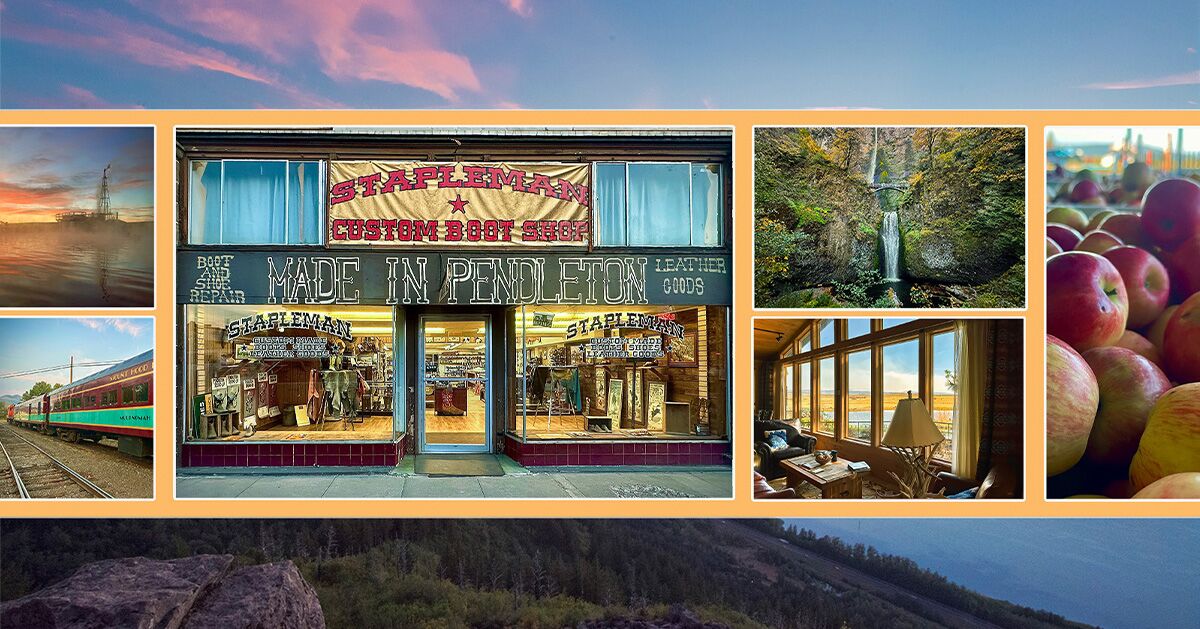
The route follows the Columbia River, historically the primary artery for trade and exploration in the Pacific Northwest. Visitors will traverse the "King of Roads"—the Historic Columbia River Highway—before moving into the fruit-laden valleys of Hood River and finally deep into the historic ranching centers and geothermal havens of the east.
A Traveler’s Chronology: The Journey East
Phase I: The Columbia River Gorge
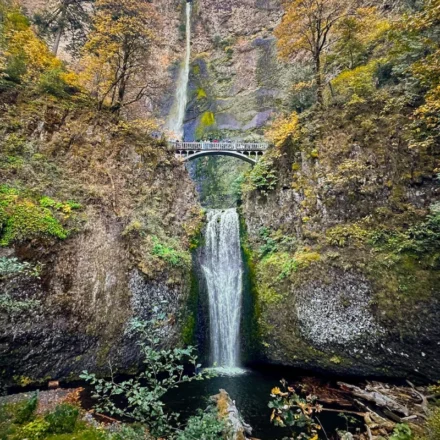
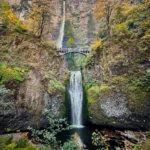
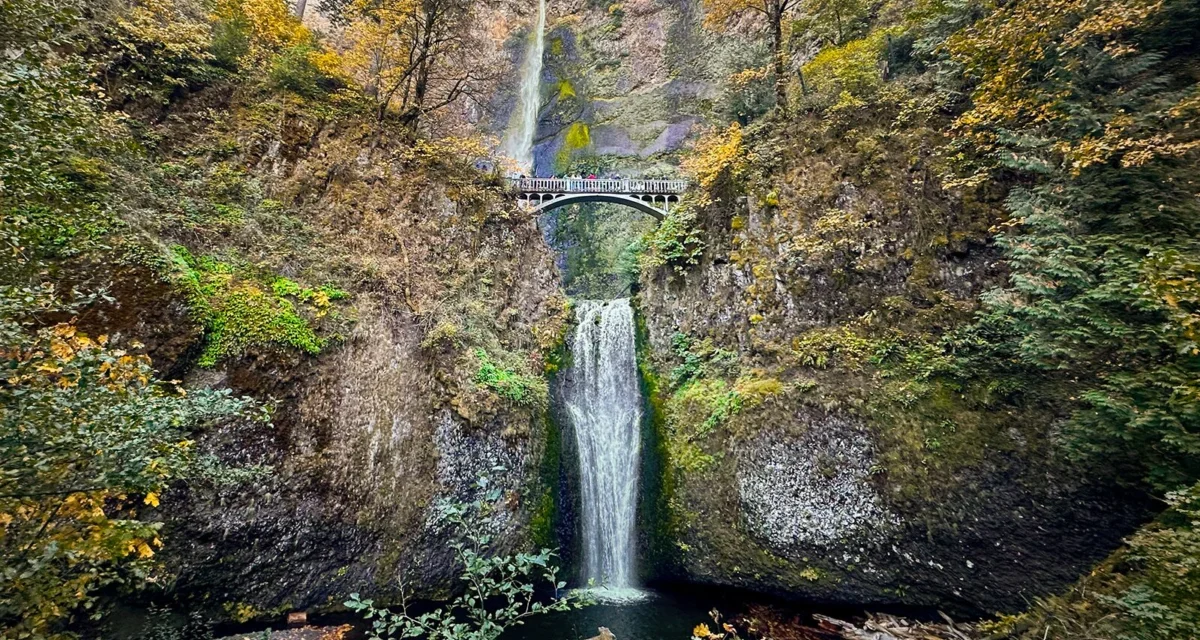
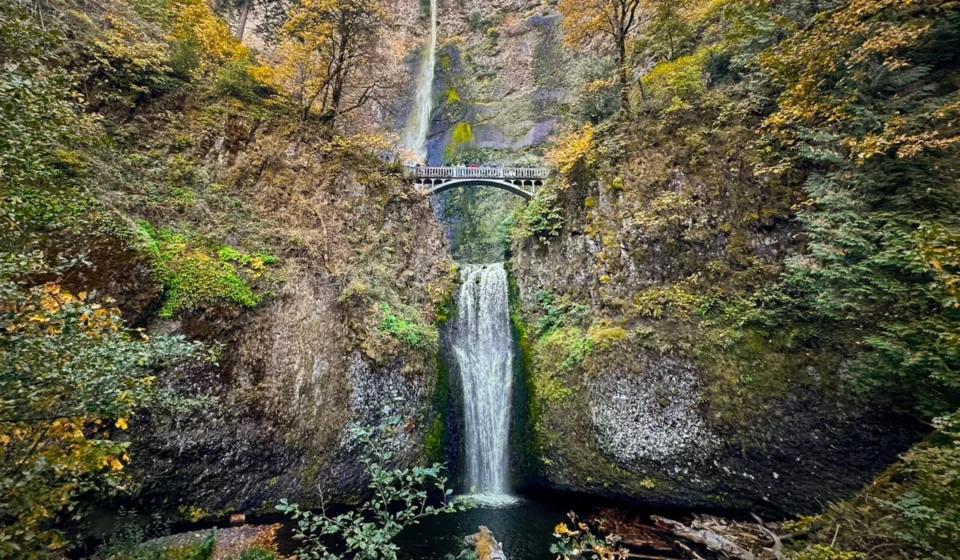
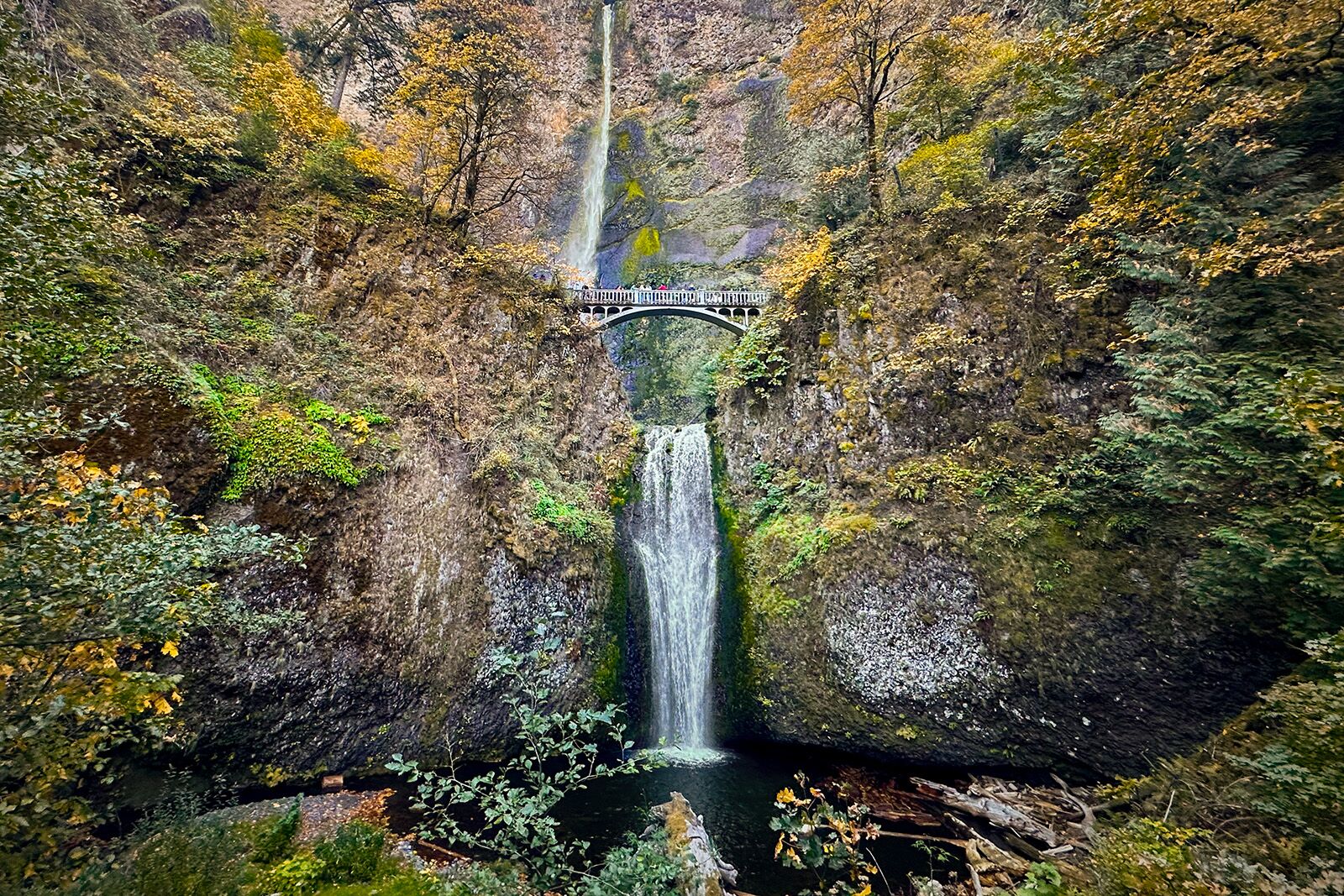
The gateway to the east is the Columbia River Gorge. This National Scenic Area boasts one of the highest concentrations of waterfalls in North America. The crown jewel is Multnomah Falls, which plunges 620 feet in two distinct tiers. The iconic Benson Bridge, constructed in 1914, offers the perfect vantage point for the sheer power of the water. While Multnomah attracts the crowds, the observant traveler will find solace in the quieter corners of the highway, such as Shepherd’s Dell, where the water tumbles through narrow, moss-covered basalt canyons just steps from the pavement.
Phase II: The Hood River Fruit Loop
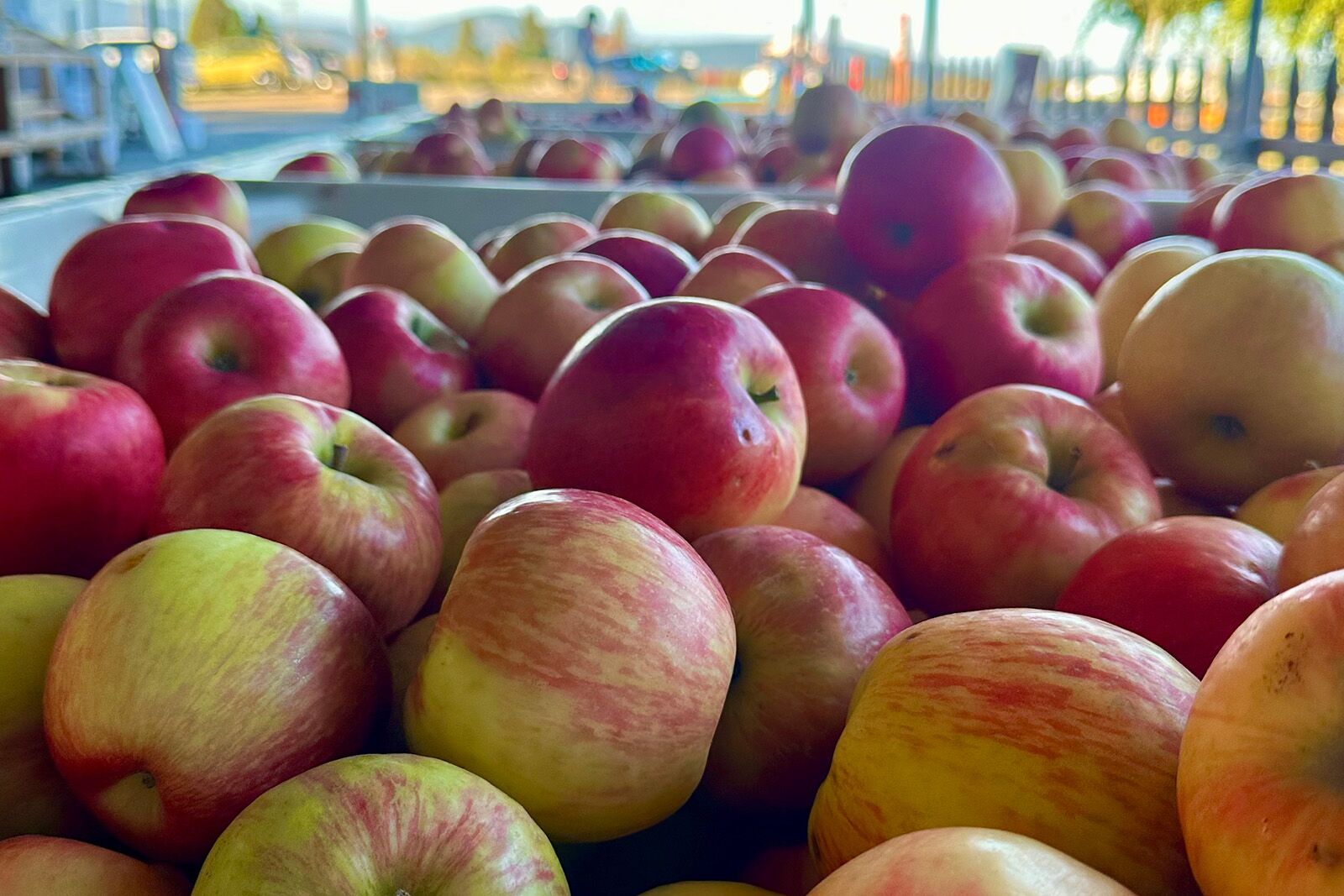
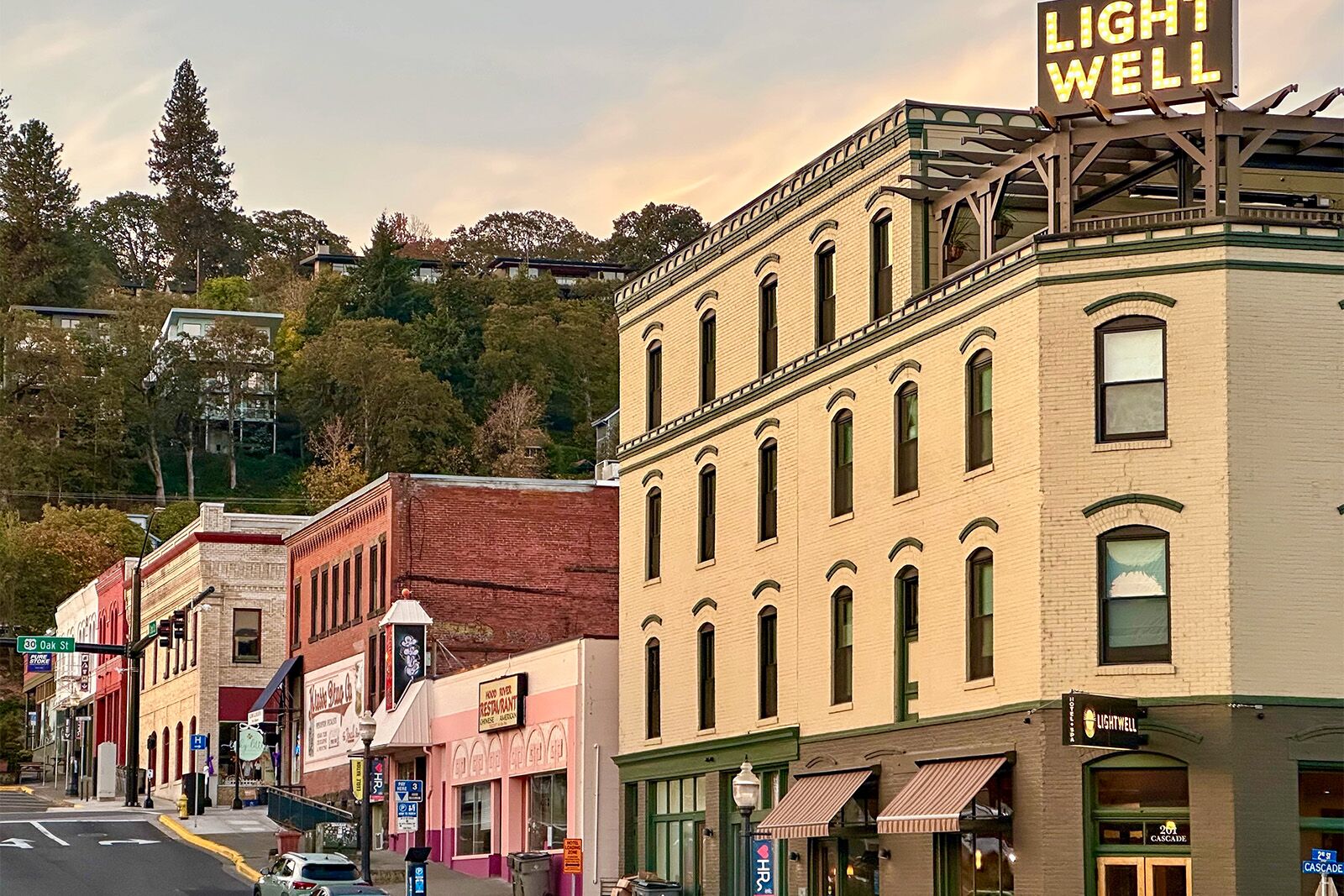
Just beyond the gorge lies the Hood River Valley, an agricultural powerhouse. The Hood River Fruit Loop is a 35-mile scenic drive that acts as a sensory tour of Oregon’s bounty. At the heart of this region is the Kiyokawa Family Orchards. Operating since 1911, the family preserves over 120 varieties of apples—a stark contrast to the handful of varieties found in modern grocery stores. Here, you can sample the crisp Mountain Rose apple or the Anjou pear, of which this county is the world’s leading producer.
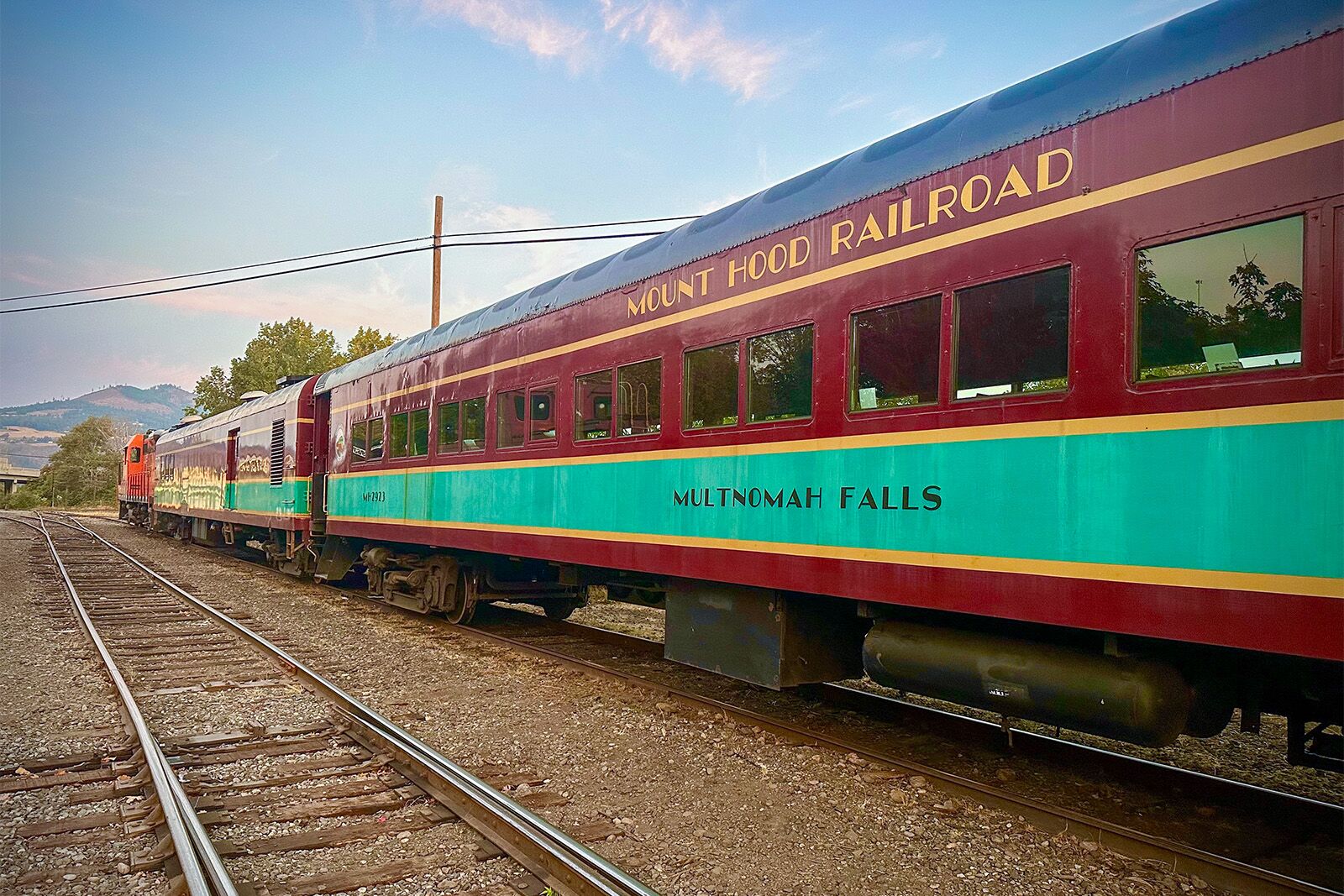
For a unique perspective on this landscape, the Mount Hood Railroad offers a glimpse into the past. Originally built in 1906 to transport lumber, the line now ferries passengers through fruit orchards and forests, utilizing one of only five remaining railroad switchbacks in the United States.
Phase III: The Spirit of the West in Pendleton
Continuing east, the landscape transitions into rolling hills and expansive skies as you arrive in Pendleton. This town is the epicenter of Western culture in Oregon. Every September, the population surges from 17,000 to over 50,000 for the Pendleton Round-Up. Since 1910, this event has served as a touchstone for local tribes—including the Cayuse, Umatilla, and Walla Walla—who maintain a traditional tepee village on-site.
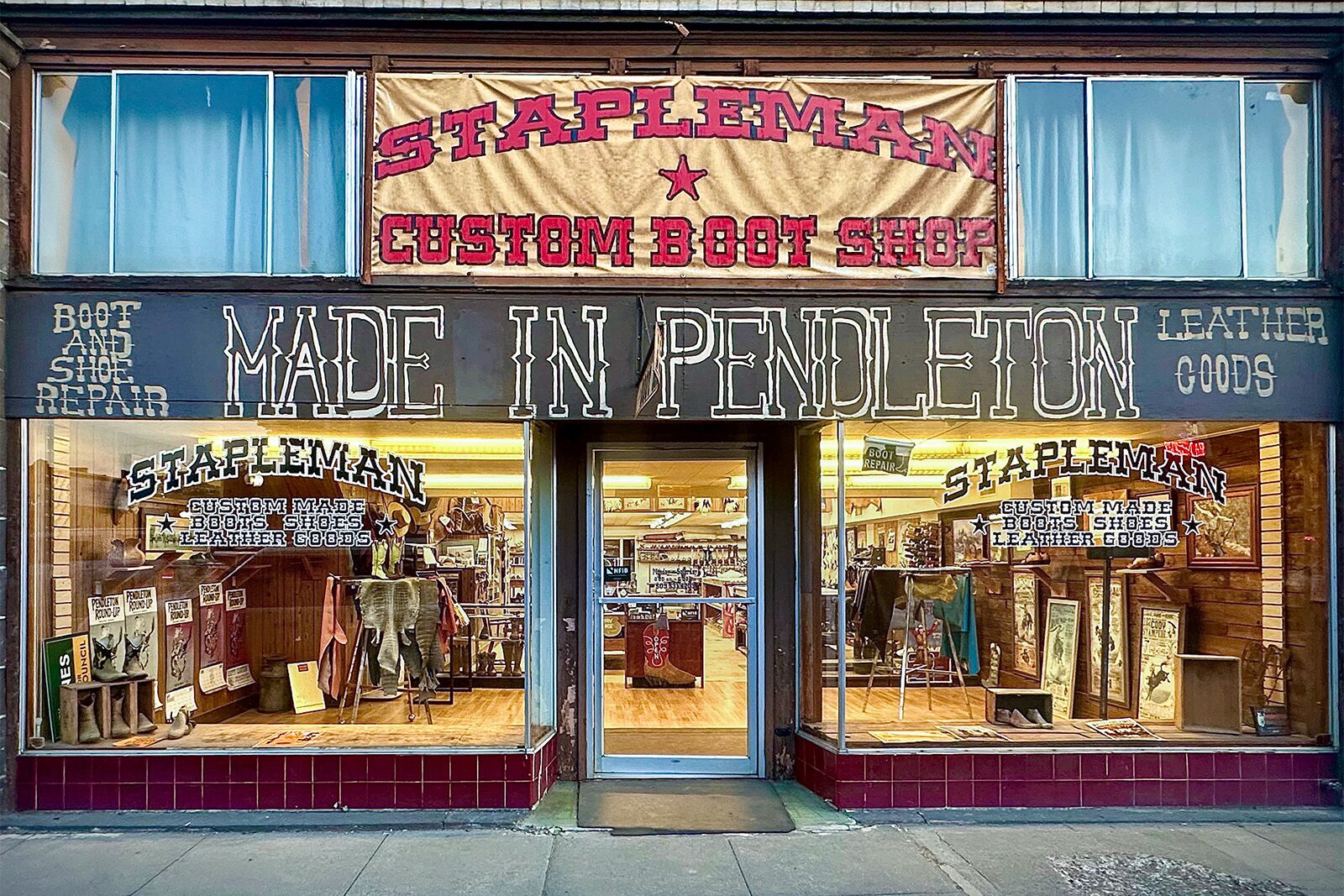
Beyond the rodeo, the culture of "making" thrives in downtown Pendleton. At Stapleman Custom Boot Shop, master craftsmen still build bespoke footwear by hand, while Hamley & Co. continues a legacy of saddle-making that dates back over a century. A descent into the Pendleton Underground Tours provides a sobering, complex look at the city’s history, including the remnants of speakeasies and the legacy of the city’s Chinese labor population.
Phase IV: The High Desert and Dark Skies
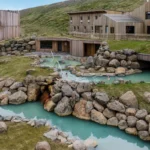
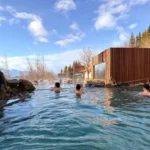
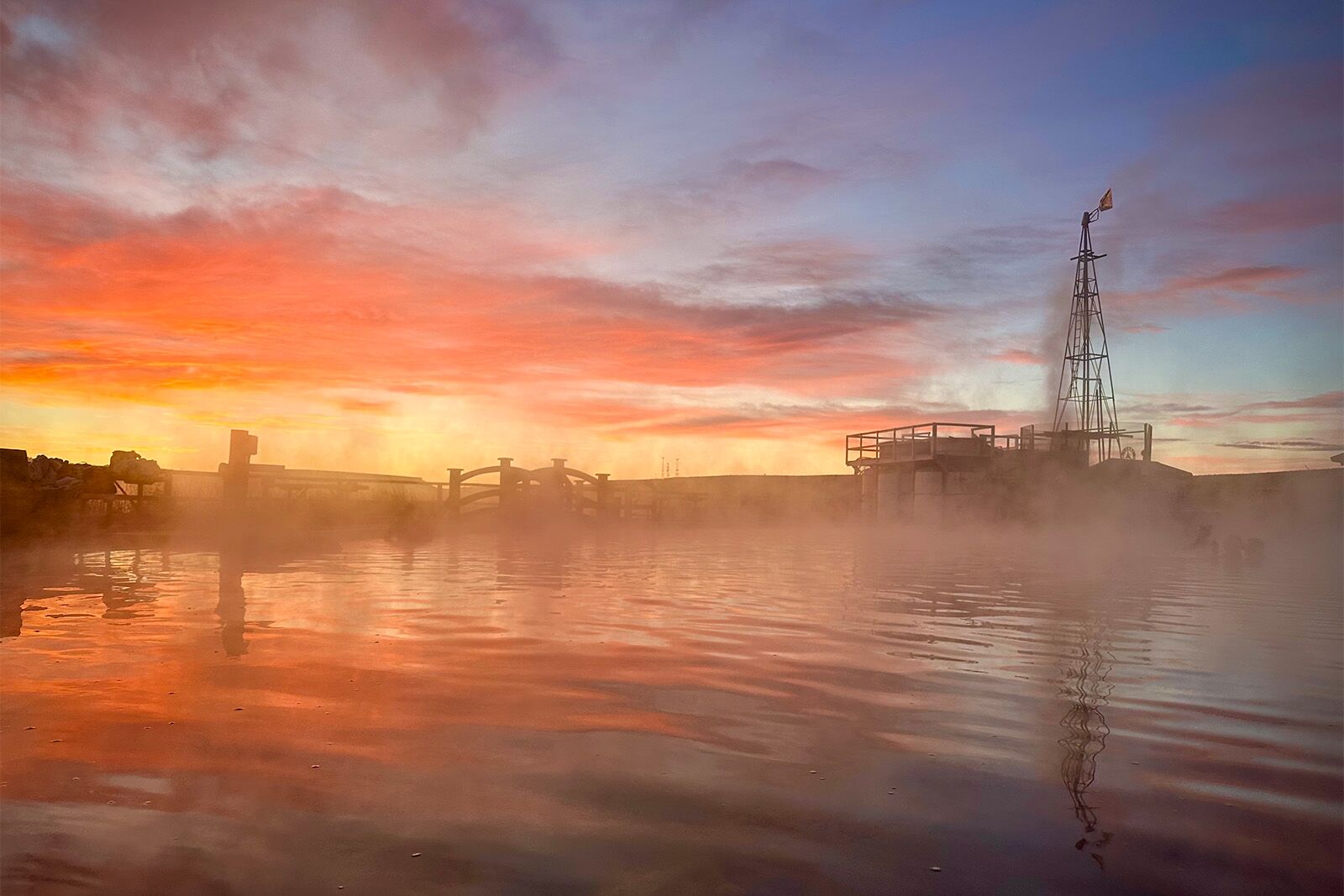
The final leg of the journey takes travelers to the high desert near Burns. Here, the geography shifts to sagebrush and vast, unpolluted horizons. Crane Hot Springs offers a sanctuary of mineral-rich water, while the nearby Malheur National Wildlife Refuge serves as a vital stopover for migratory birds. This region is a designated haven for stargazing, frequently achieving Bortle Class 1 status—the darkest, most pristine night skies available to human observation.
Supporting Data: Economic and Cultural Impact
The tourism industry in Eastern Oregon has become a vital economic engine. According to regional tourism data, the "agritourism" sector—led by the Fruit Loop and local wineries—has seen a 15% year-over-year increase in revenue. Furthermore, the diversification of local offerings, such as the debut of the Interwoven festival in 2026, has expanded the region’s appeal beyond traditional outdoor enthusiasts, attracting a demographic interested in fashion, Indigenous culture, and culinary arts.
The preservation of historic structures, such as the Rainbow Cafe in Pendleton—claimed to be the oldest continuously operating bar in the state since 1883—provides a tangible link to the pioneers of the late 19th century. Similarly, the conversion of historic bordellos and underground tunnels into tourist destinations serves as a dual-purpose strategy: it provides a unique visitor experience while funding the restoration of aging infrastructure.
Official Responses and Perspectives
Local stakeholders emphasize the importance of balancing tourism with land stewardship. The Confederated Tribes of the Umatilla Indian Reservation have taken a proactive role in regional hospitality, owning and operating key businesses like the Hamley Steakhouse & Saloon and the Brigham Fish Market.
In a recent press statement, tribal representatives noted: "Our involvement in the hospitality sector is a way to share our history and our connection to the river and the land. By managing these institutions, we ensure that the narrative of this region remains authentic, honoring both our ancestors and the future of the communities we serve."
The push for "dark sky" preservation in the high desert has also received official backing from regional councils, who recognize that the absence of light pollution is an increasingly rare natural resource that serves as a primary draw for eco-conscious travelers.
Implications for Future Travel
The shift toward "slow travel"—spending more time in one location rather than rushing through—is becoming the hallmark of the Eastern Oregon experience. Whether it is soaking for hours in a private tub at Crane Hot Springs or waiting a year for a pair of custom-built boots in Pendleton, the region demands patience.
Infrastructure Considerations
- Transportation: A rental vehicle is an absolute necessity. While towns like Hood River and Pendleton are highly walkable, the distances between the Gorge, the high desert, and the urban centers require reliable long-distance transit.
- Seasonality: While the summer months are popular, the shoulder seasons (spring and fall) offer the best opportunities for birdwatching at Malheur and experiencing the changing foliage of the Hood River Valley.
- Respect for Local Customs: As in many parts of the rural West, local culture is deeply rooted in tradition. Visitors are encouraged to engage with local makers, patronize independent businesses, and respect the ongoing efforts of the local Indigenous communities to preserve their heritage.
Conclusion
Eastern Oregon is not merely a "flyover" zone or a transit route to the Idaho border; it is a profound exploration of the American identity. From the mist-shrouded cliffs of the Columbia River Gorge to the silent, star-drenched plains of the high desert, the region offers a depth of experience that is becoming increasingly difficult to find. By engaging with the local food systems, respecting the historical narratives of the city of makers, and honoring the vast, protected landscapes of the east, the modern traveler finds that the true reward of an Oregon road trip is found far from the paved streets of Portland.
As you plan your journey, remember that the best experiences here are often the ones you don’t find on a map—the spontaneous conversation with a saddle maker, the taste of an heirloom apple plucked straight from the branch, or the absolute, deafening silence of a high-desert night. Pack your boots, your camera, and your patience; the East is waiting.