














































For most travelers, the quintessential Icelandic experience is defined by the Golden Circle. It is a well-trodden, 190-mile loop east of Reykjavík that serves as a high-octane sampler platter of the country’s raw geology: the thundering Gullfoss waterfall, the erupting Strokkur geyser, and the tectonic majesty of Þingvellir National Park. It is efficient, accessible, and reliably crowded.
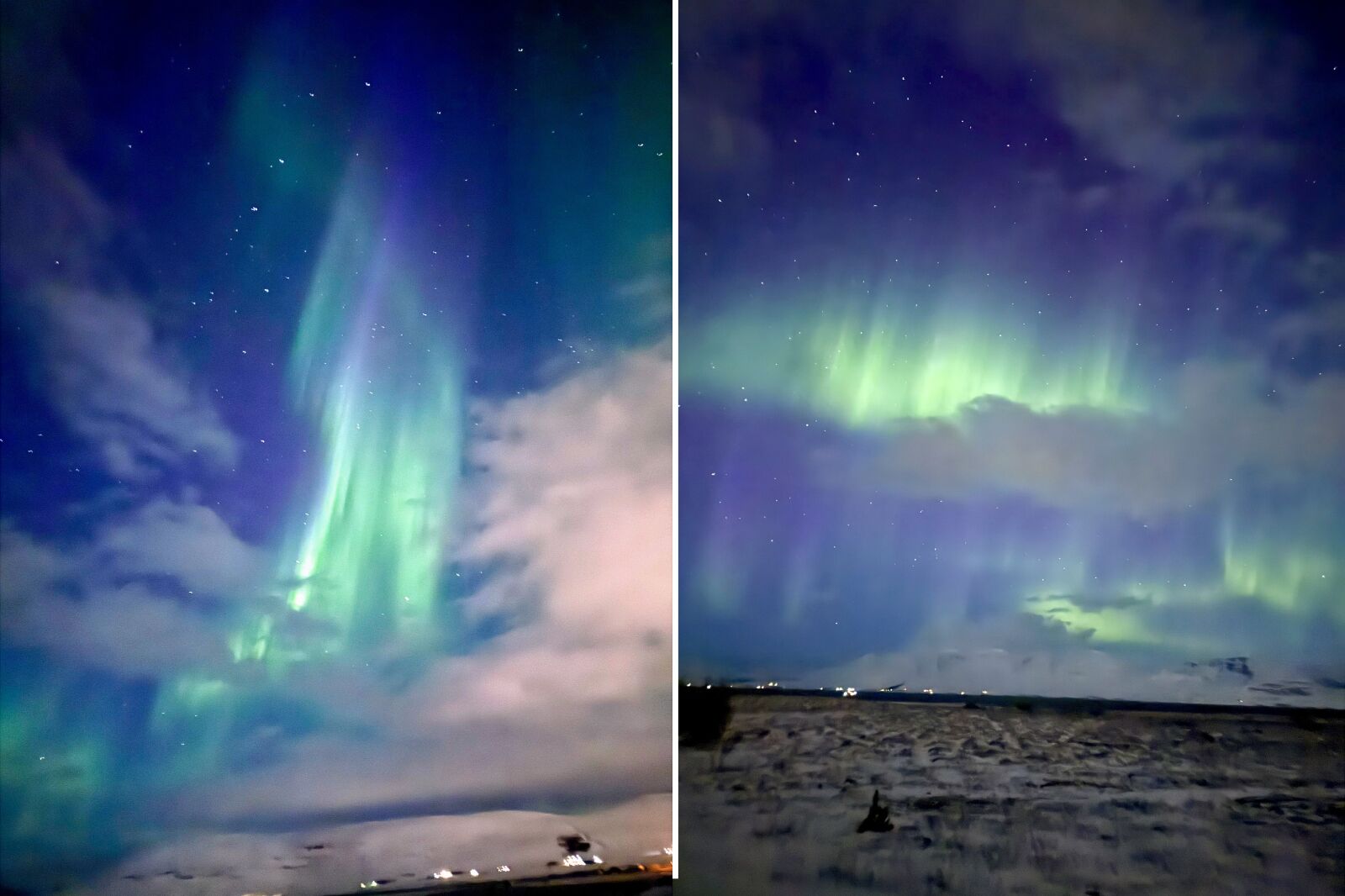
Ten years ago, I completed that same circuit, checking off the iconic sights with the satisfaction of a first-time visitor. However, returning to Iceland a decade later, I found myself drawn away from the well-worn path of the capital region. I headed north—to a landscape of longer distances, biting cold, and a profound, quiet resilience. While I went in search of the elusive Aurora Borealis, I discovered something far more enduring: a sophisticated, centuries-old bathing culture that functions as the lifeblood of the Icelandic community.
Main Facts: The North as a Cultural Frontier
Northern Iceland, anchored by the town of Akureyri, offers a starkly different experience from the metropolitan density of the Southwest. While the Greater Reykjavík area houses approximately 63 percent of the nation’s 380,000 residents, the North is defined by vast, open spaces and a climate that demands a unique brand of communal survival.

The region’s history is a testament to the endurance of early Norse settlers who arrived in the 800s. Faced with a landscape where the soil remains frozen for much of the year, these pioneers survived on a limited but hardy diet—salted cod, fermented shark, and wild berries. Yet, the true survival mechanism was, and remains, the abundance of geothermal energy. Today, this energy is the cornerstone of a lifestyle that has recently received global recognition; in December 2025, UNESCO formally inscribed Icelandic swimming pool culture onto its list of Intangible Cultural Heritage, placing it alongside the revered sauna traditions of Finland.
Chronology of a Northern Expedition
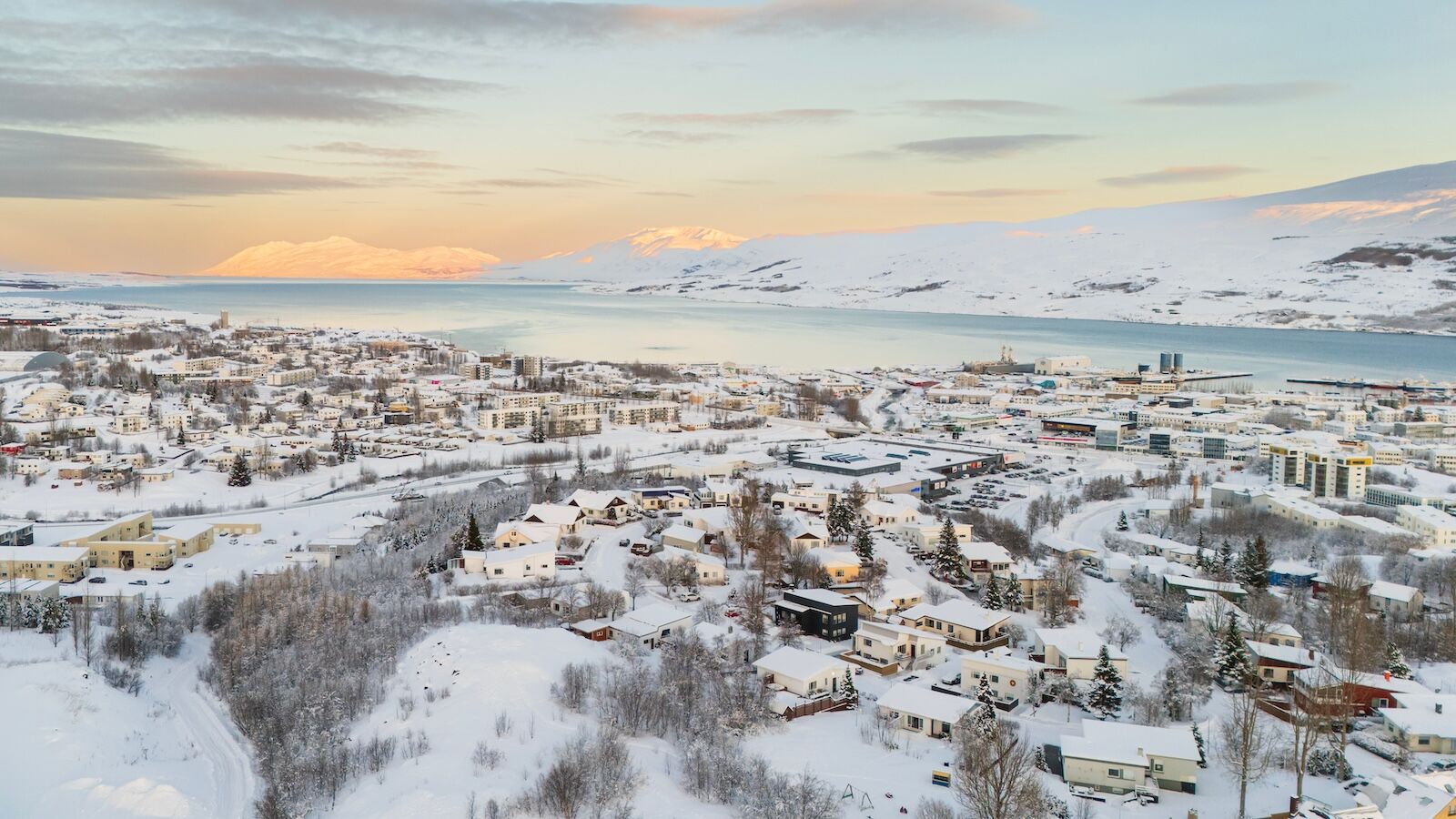
My journey began with a 45-minute flight from Reykjavík to Akureyri, the "Capital of the North." Tucked at the terminus of Eyjafjörður, Iceland’s longest fjord, the town is protected by a surrounding valley that creates a micro-climate often milder than the biting winds of the open coast.
Days 1–3: The Baptism of the Pools
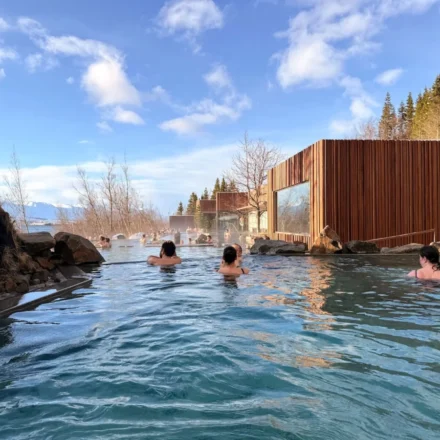
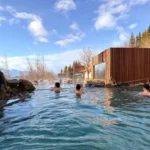
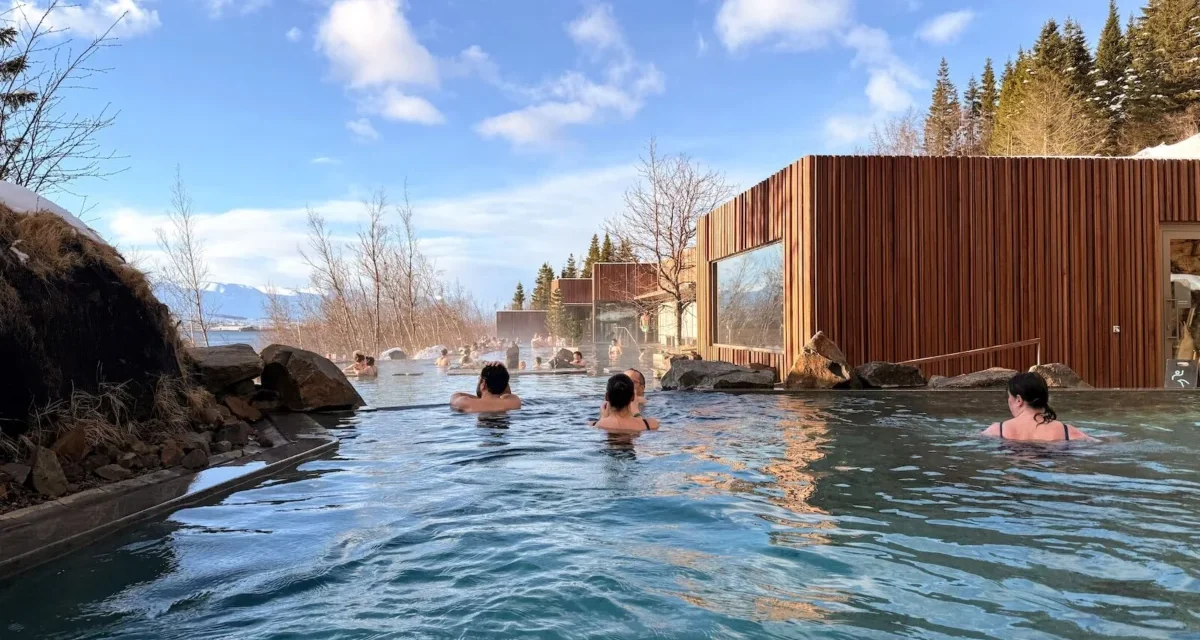
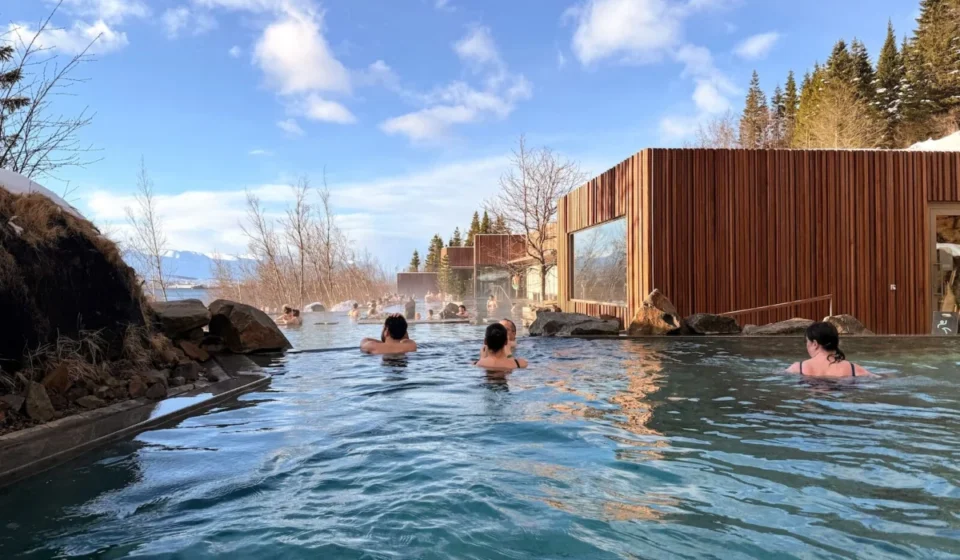
My first immersion into the local culture was at the Forest Lagoon, located across the fjord from the city. The experience is governed by strict, non-negotiable hygiene rituals. Before entering the geothermal waters, one must shower thoroughly, completely naked, in a communal space with no partitions. For an outsider, this can be an exercise in vulnerability, but it is the great equalizer of Icelandic society. Standing in the steam, I watched as a cross-section of the population—from teenagers to local grandmothers—scrubbed with the methodical focus of people who view bathing as a daily hygiene requirement rather than a spa luxury.
Days 4–5: From Húsavík to the Deep Chill
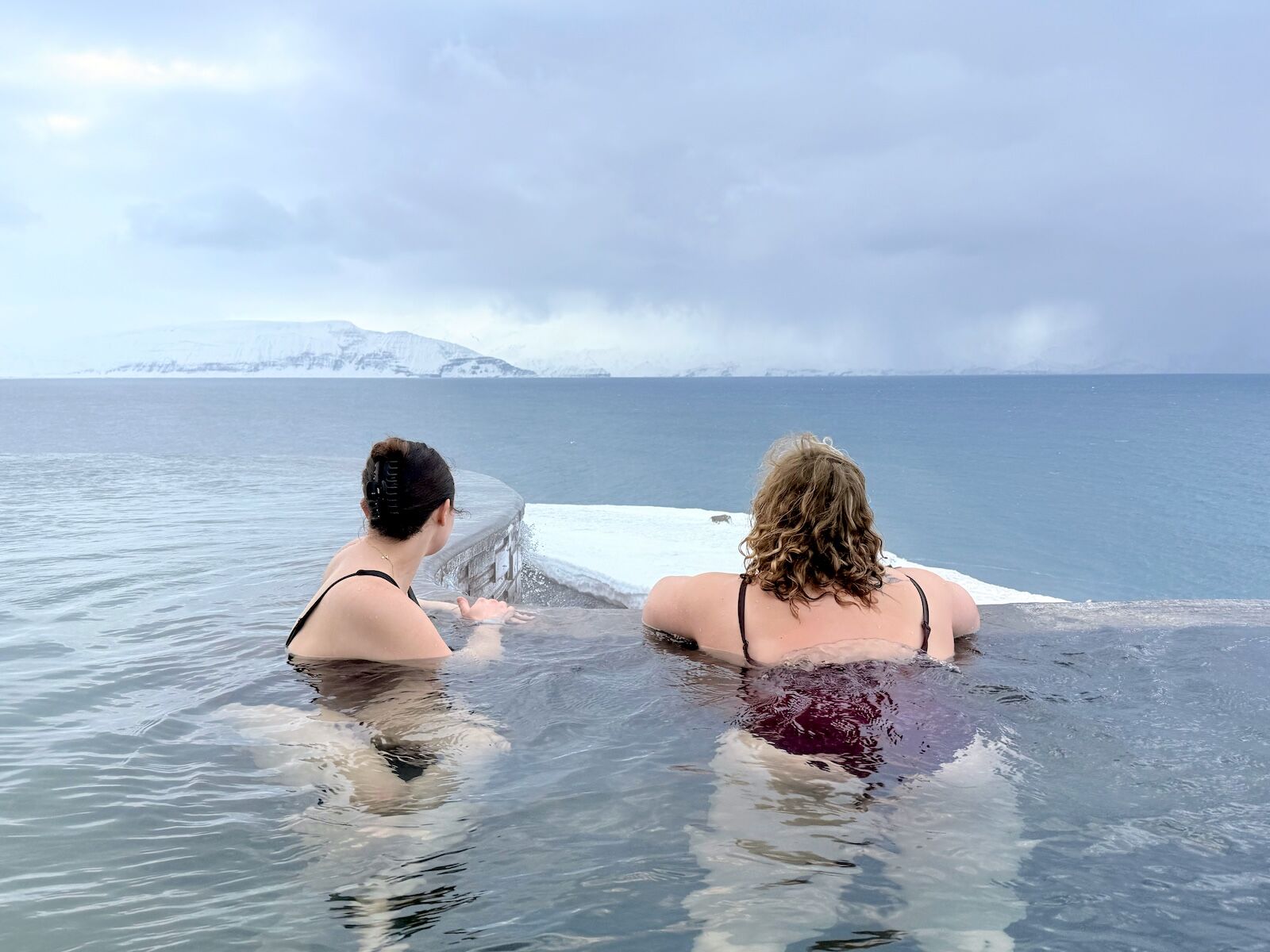
Moving further north, I visited GeoSea in Húsavík. Here, the infinity pools overlook the Skjálfandi Bay, a world-renowned site for humpback and minke whale sightings. Soaking in mineral-rich, geothermally heated sea water while the air temperature hovered near freezing offered a sensory contrast that defined the trip. The warmth of the water, paired with a cold local beer, provided a moment of profound clarity regarding why the medieval Vikings held these springs in such high regard.
Days 6–7: The Local Experience
To truly understand the culture, I pivoted from the "destination" lagoons to a municipal, YMCA-style pool in the heart of Akureyri. Unlike the luxury resorts, this was the town’s living room. Parents with children, seniors socializing, and groups of laughing teenagers created a hum of human connection. The simple pleasure of waiting in line for a waterslide while snow settled on my eyelashes remains one of the most vivid memories of the expedition.
Supporting Data and Observations
The allure of the North is not merely aesthetic; it is structural. Akureyri serves as a model of a compact, functional urban center with a population of approximately 20,000. Its two-block main street, dotted with 18th-century timber homes and a legendary ice cream parlor that remains popular even in sub-zero temperatures, proves that community life does not hibernate in the winter.
The geological and culinary landscape further supports this. The use of geothermal energy extends to agriculture and food production. At the Vogafjós Farm Resort, I sampled rye bread that had been buried in the earth and slow-cooked by volcanic heat for 24 hours. The resulting loaf, dense and subtly sweet, is a perfect reflection of a culture that has learned to coax sustenance from a volatile, frozen landscape.
Official Responses: The Philosophy of Equality
To contextualize my experience, I spoke with Karen Möller Sivertsen, a public relations coordinator at Business Iceland. She explained that the swimming pool is the bedrock of the Icelandic social contract.
"Iceland’s public swimming pools play an important role in fostering a sense of equality, informal connection, and social cohesion," Sivertsen noted. "They bring together people of all ages and backgrounds in a shared space. It is a democratic environment where status is left at the door along with one’s clothes."
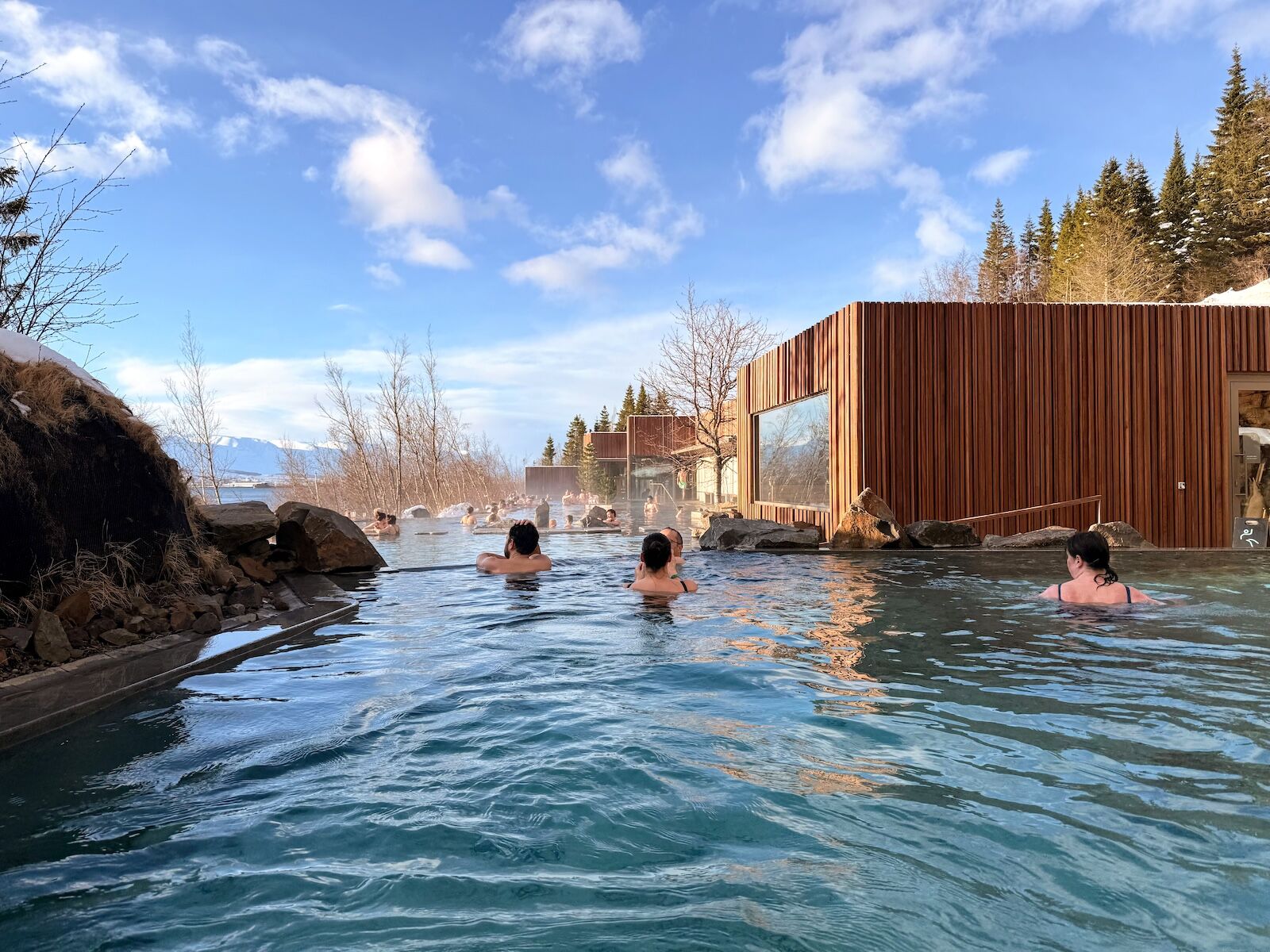
This "democratic environment" is what differentiates the Icelandic experience from the luxury-driven spa cultures of other nations. In Iceland, the pool is a neighborhood utility, as vital as a library or a grocery store. It is where policy is discussed, gossip is traded, and the long, dark winter is mitigated through the warmth of human proximity.
Implications: A Shift in Travel Philosophy
The rise of the Golden Circle has undoubtedly brought economic prosperity to Iceland, but it has also created a "drive-through" style of tourism. The implication of my trip to the North is a call for a slower, more intentional form of travel. By venturing beyond the high-traffic zones, visitors can transition from being mere spectators of landscapes to participants in a local way of life.
The Sustainability of Slow Tourism
The North is emptier and more fragile than the South. The weather is more volatile, and the infrastructure is less capable of absorbing mass tourism. However, the benefits of this "slow" travel are twofold:
- Economic Redistribution: By patronizing the smaller cafes, locally owned pools, and independent tour operators in the North, travelers ensure that the economic benefits of tourism are not confined to the capital.
- Authentic Cultural Exchange: Engaging in the local bathing culture provides a genuine point of contact with Icelandic citizens, fostering a mutual respect that is often lost in the crowded, commercialized sites of the Golden Circle.
Final Reflections
As I sat in a community hall in Skagafjörður, eating rhubarb cake made from an owner’s grandmother’s recipe, I realized that the "attractions" of Iceland are often the things that aren’t listed on a brochure. The true magic of the country is not just in the erupting geysers or the neon flickers of the Aurora, but in the way the people have negotiated a peace treaty with their harsh environment.
Returning to my home in Nashville, I find myself missing the daily ritual of the municipal pool. I miss the lack of pretense, the steam rising into the freezing night air, and the simple, quiet camaraderie of strangers sharing the same warmth. The Golden Circle will always be there, a necessary rite of passage for the first-time visitor. But for those looking for the pulse of the nation, the path lies north. Next time, I will skip the crowded lagoons, find the local pool, and head straight for the red slide—the one the locals say is the fastest. It is there, in the water, that you finally stop being a tourist and start becoming a part of the landscape.