













































A Maestro’s Homecoming: Osmo Vänskä on Legacy, Labor, and the Enduring Power of Music

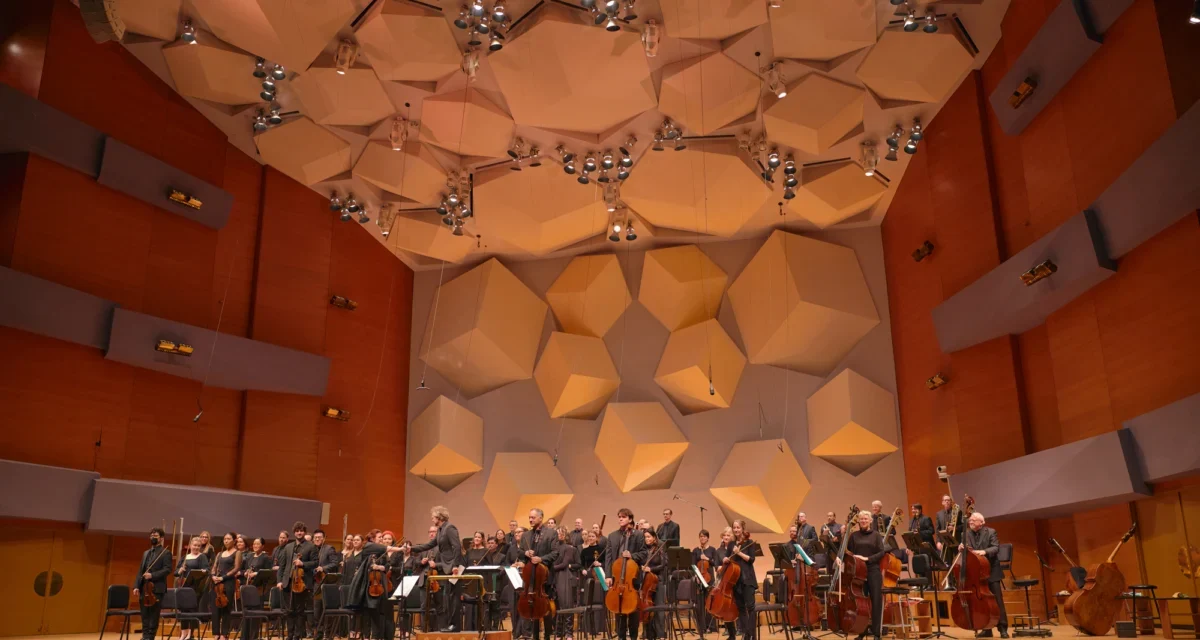
Four years after concluding his transformative two-decade tenure as music director of the Minnesota Orchestra, Osmo Vänskä remains a central pillar of the Twin Cities’ cultural landscape. While the baton for the institution has passed to Danish conductor Thomas Søndergård, Vänskä’s departure did not signify an exit from the community. Today, the Finnish conductor continues to call Minneapolis home, residing near the banks of the Mississippi River with his wife, Erin Keefe, the orchestra’s esteemed concertmaster.
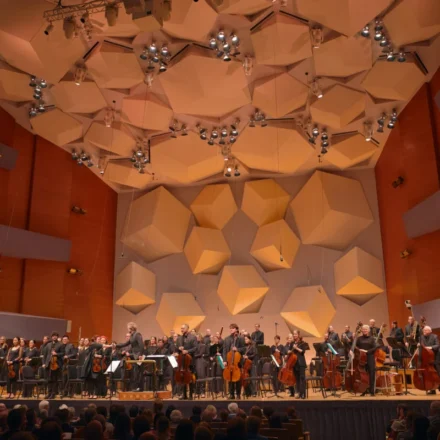
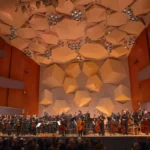
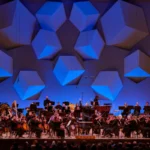
As the orchestra prepares for the second week of its third annual "Nordic Soundscapes Festival"—a celebration of the rich, melancholic, and vibrant compositions of the North—Vänskä returns to the podium as conductor laureate. It is a homecoming that reflects both the continuity of the orchestra’s artistic excellence and the deepening of a collaborative spirit between two generations of leadership.
The Nordic Soundscapes: A Cross-Cultural Exchange
The Nordic Soundscapes Festival, spearheaded by Søndergård, serves as a bridge between the artistic traditions of Denmark and Finland. For the opening weekend, Søndergård led the orchestra in a performance of a symphony by Finnish master Jean Sibelius. In a reciprocal gesture of artistic camaraderie, Vänskä’s program on November 13 and 14 shifts the focus toward Denmark, anchored by Carl Nielsen’s Symphony No. 6, famously titled "Sinfonia semplice."
Vänskä speaks warmly of his successor, noting the frequency of their exchanges. "I have heard many of the concerts conducted by Thomas, and I have met him many times," Vänskä said. "We have had many conversations. I’m really happy that he is here and he is taking care of the orchestra."
The choice of Nielsen’s sixth symphony is particularly poignant. Despite the title—which translates to "Simple Symphony"—Vänskä is quick to correct any misconceptions. "It’s really complicated to play, especially for the strings," he explains, pointing to the fact that Nielsen, a trained violinist who performed in the Copenhagen opera orchestra, understood the technical demands of the instrument intimately. For Vänskä, the title is a characteristic bit of irony from a composer who preferred to challenge his performers rather than coddle them.
A Legacy of Collaboration and Remembrance
The program is further enriched by a tribute to a dear friend and collaborator, the late Finnish composer Jaakko Kuusisto. Vänskä’s history with the Kuusisto family runs deep; it was Vänskä who famously encouraged Jaakko to audition for the Lahti Symphony Orchestra when he was seeking a new concertmaster. "I was really happy and surprised that he wanted to do it," Vänskä recalled of the young prodigy, who went on to become a vital figure in contemporary music.
Following Jaakko Kuusisto’s passing in 2022 from brain cancer, the music world lost a profound voice. At the time of his death, he had been working on a symphony commissioned by the Minnesota Orchestra during Vänskä’s tenure. Through the collaborative efforts of his brother, Pekka Kuusisto, and longtime editor Jari Eskola, the work was completed and premiered by the orchestra. This week, however, the audience will be treated to his Violin Concerto, a work from 2012 that serves as a testament to the friendship between conductor and composer. The concerto will feature violinist Stella Chen, rounding out a program that also includes Outi Tarkiainen’s evocative "Songs of the Ice."
The New Rhythm of Life: Composing and Conductor’s Rest
For many decades, Vänskä’s life was defined by the relentless schedule of a globe-trotting conductor. However, a pivot occurred roughly a year ago. "I have made a decision that I just would like to reduce my guest conducting duties and have less time at the airport and away from home," he admits.
This conscious deceleration has allowed him to cultivate a "second act" as a composer. His upcoming orchestral work, Circus of Life, is set for a world premiere by the Curtis Symphony Orchestra in Philadelphia on March 14, 2027, with a subsequent performance scheduled for Minnesota. Furthermore, he is finding joy in returning to the clarinet, his original instrument. Whether he is performing "Duo" alongside his wife, Erin Keefe, and pianist Delvan Lin, or working on recording projects featuring the works of Karol Szymanowski, Vänskä finds that the shift in focus is essential for his well-being.
"Those two things—composing and playing the clarinet—are very good," he says. "They keep me happy and busy." This lifestyle change is supported by a rigorous commitment to physical health, including a dedicated regimen of walking and weightlifting that he and Keefe maintain together.

The Fragility of the Classical Ecosystem
The conversation inevitably turns toward the current state of classical music, an industry currently buffeted by systemic instability. The marriage of Vänskä and Keefe was born in the crucible of a prolonged, contentious lockout at the Minnesota Orchestra—a period that left scars but also forged a profound sense of shared purpose.
Today, that struggle is reflected in a wave of labor disputes across the United States. From the three-day strike at the Cleveland Orchestra to the work stoppage at the San Francisco Opera that resulted in the cancellation of its season opener, the industry is struggling to reconcile artistic mandates with administrative and fiscal pressures. Even institutions like the Minnesota Opera have faced postponements, and the National Symphony Orchestra in Washington D.C. remains in a state of flux following the Kennedy Center’s internal upheavals.
When asked about the root of this industry-wide malaise, Vänskä offers a sharp, candid critique. "Usually, the problems are going to come to the table when there are many people who are not involved in music who believe that they understand how the orchestra is working," he observes. "Then they start to make ‘genius’ solutions in their own opinion, and it’s often going to be a disaster."
For Vänskä, the issue is a lack of empathy and understanding for the labor-intensive, human-centric nature of orchestral music. He views the current turmoil as symptomatic of a broader societal decline. "It’s not only happening in the music world. This world is in very bad shape right now, and that is very sad."
Implications: The Moral Necessity of the Concert Hall
Despite the external pressures and the institutional fragility of the arts, Vänskä remains steadfast in his belief that the concert hall serves as a vital, if not necessary, sanctuary. He argues that the act of listening is a transformative psychological experience that the digital age has yet to replicate.
"When people sit down for a two-hour concert of music, something usually happens to their mind," he says. "You don’t need to understand the music. You just need to open your mind and listen to it."
As he looks toward his upcoming performances, there is a sense of quiet defiance in his mission. In a world characterized by polarization and noise, the act of bringing people together to experience the complexities of Nielsen, Tarkiainen, and Kuusisto is a radical act of connection.
"I don’t want to think about the world without music," Vänskä concludes. For the Minnesota Orchestra, his continued presence as conductor laureate ensures that even as the organization navigates the challenges of the 21st century, the foundational values of artistic integrity and human connection remain at the forefront.
Performance Details:
Osmo Vänskä will conduct the Minnesota Orchestra on Friday, Nov. 13, at 8 p.m., and Saturday, Nov. 14, at 7 p.m. Tickets are priced between $25 and $99, with "choose-your-price" options available to ensure accessibility. For more information or to reserve seats, please visit the Minnesota Orchestra website.