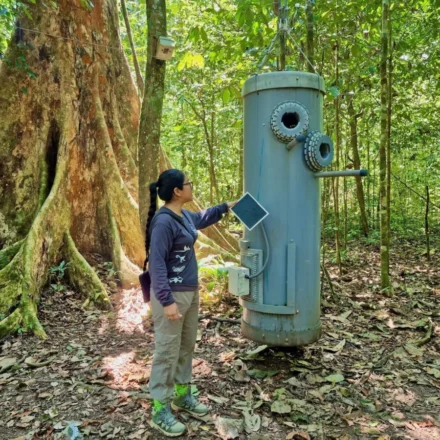

















































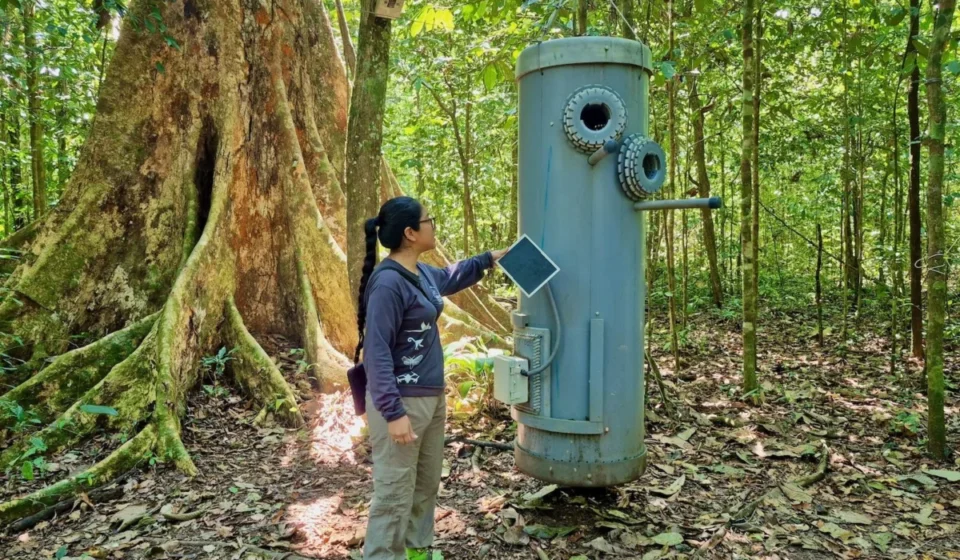

In the heart of the Peruvian Amazon, where the canopy creates an impenetrable emerald ceiling, a quiet revolution is taking place. At the Tambopata Research Center (TRC), the traditional paradigm of "look-but-don’t-touch" ecotourism is being dismantled. Here, travelers are no longer passive observers of the wilderness; they are being transformed into active field researchers, documenters, and, ultimately, agents of change. Through the "Wired Amazon" initiative, the line between luxury traveler and conservation biologist has blurred, creating a model that leverages the curiosity of the public to secure the future of one of the planet’s most vital ecosystems.
Main Facts: The Wired Amazon Initiative
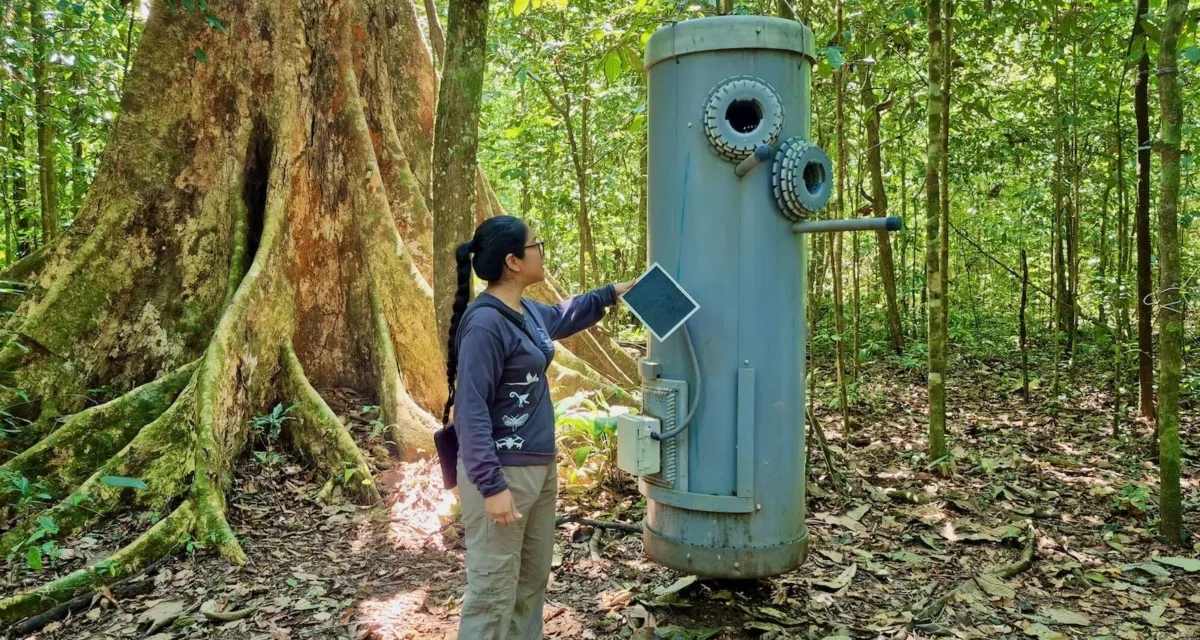
Wired Amazon is a pioneering citizen science program hosted by Rainforest Expeditions in the Madre de Dios region of Peru. The initiative invites lodge guests to participate in five distinct, biologist-led conservation projects. These range from "Aerobotany"—an exclusive study of Brazil nut tree ecosystems—to the monitoring of macaw breeding habits, jaguar population tracking, and the bioacoustic recording of primate vocalizations. Perhaps most ambitious is the "Discovering New Species" project, which tasks guests with collecting insect specimens—primarily moths—that are then DNA-barcoded to identify species previously unknown to science.
This is not merely a "tourist experience" designed for engagement; it is a rigorous data-collection effort. By involving guests, the program provides the human capital necessary to monitor vast swathes of the rainforest, feeding data directly to organizations like the Tambopata Macaw Project and local entomologists.
A Chronological Journey into the Canopy
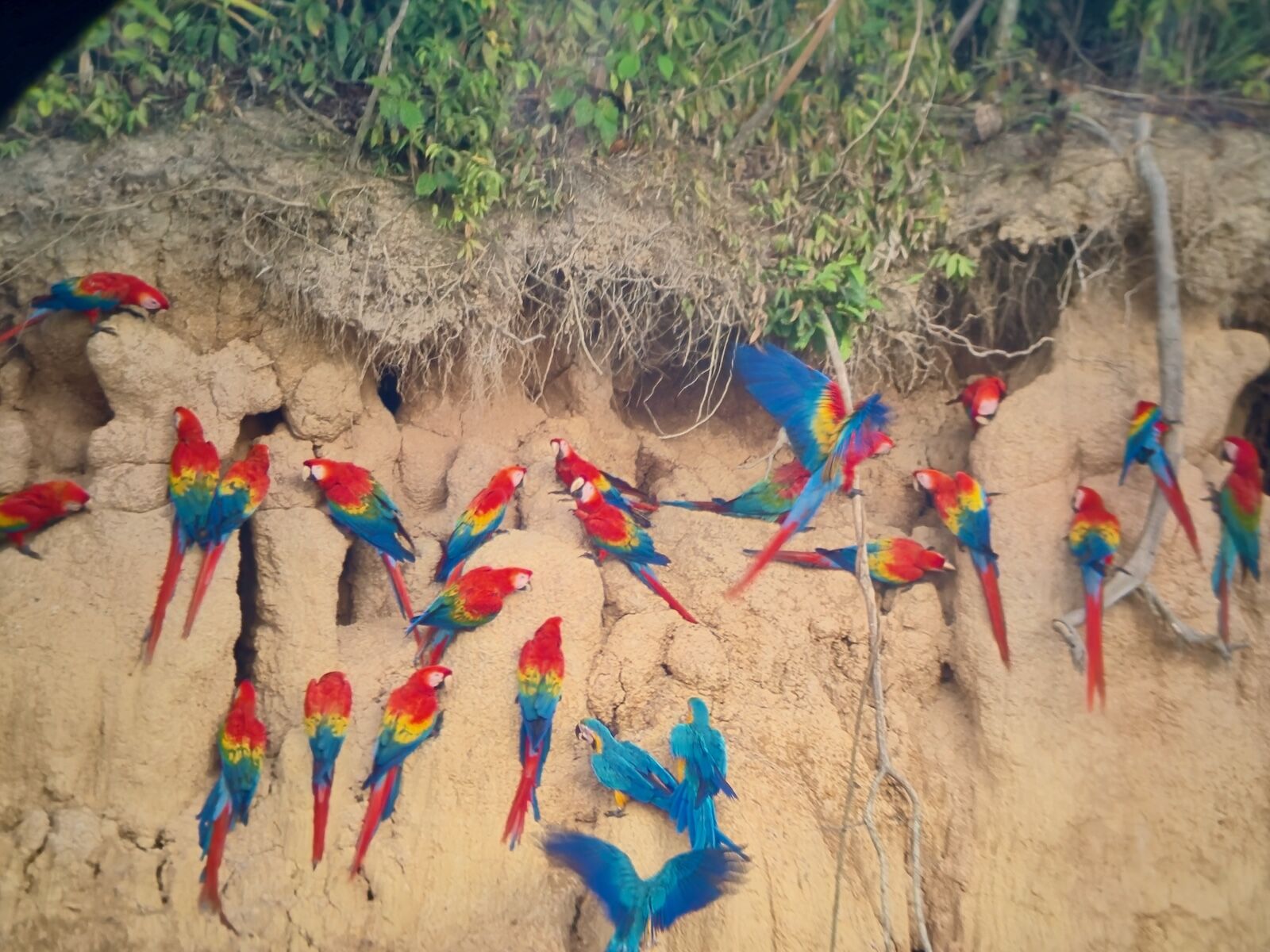
The roots of this initiative stretch back to 1989, when architect and photographer Eduardo Nycander first envisioned a way to combine the splendor of the Peruvian Amazon with scientific inquiry. The "Macaw Project" became the cornerstone of this mission, focusing on the vibrant, raucous parrots that gather at the Chuncho Clay Lick—a mineral-rich riverbank essential for the birds’ digestive health.
As the project matured, it became clear that habitat loss was the primary threat to these iconic species. The Shihuahuaca trees, which provide the large cavities necessary for macaw nesting, were disappearing. In response, Wired Amazon implemented the installation of artificial, high-canopy nests. These nests, monitored by internal cameras, provide a sanctuary for macaw chicks, protecting them from predators like toucans and olingos.
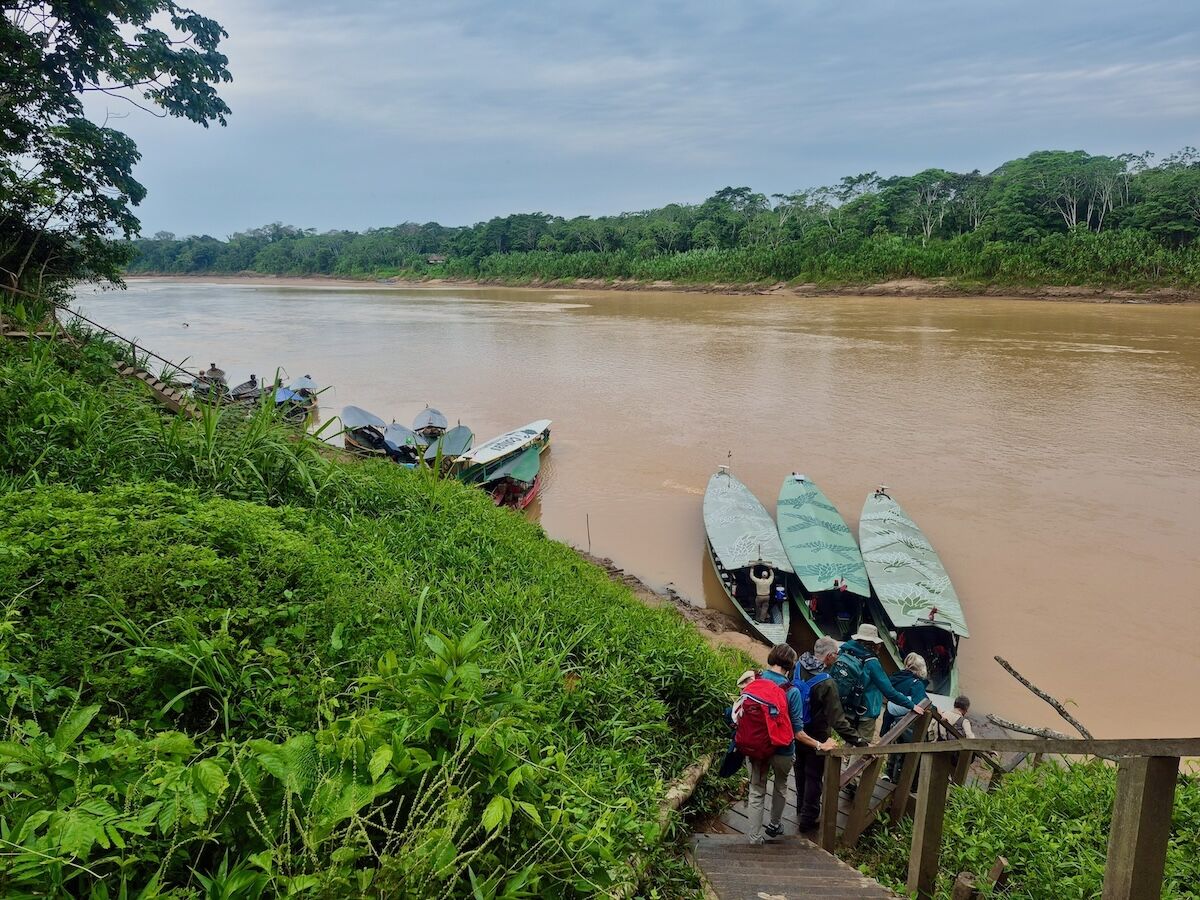
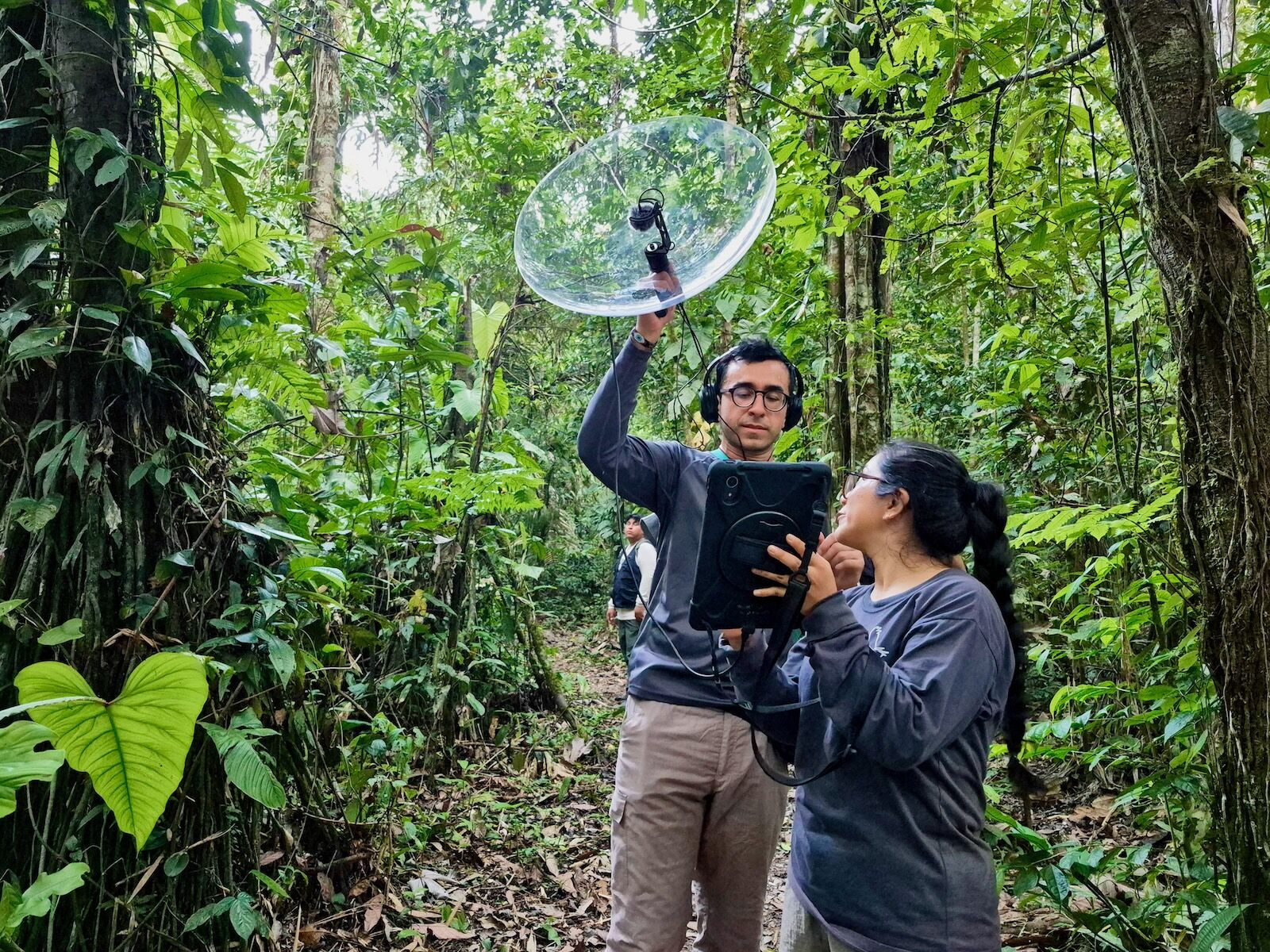
For the modern traveler, the journey follows a distinct rhythm. The day begins before dawn, with a boat ride down the Tambopata River to the clay licks. Here, the experience shifts from observation to education. Guests witness the "disco" of macaws—a social, noisy, and vital biological event—while learning about the decades of research that have made the conservation of these birds possible. By the afternoon, the focus shifts to the lab, where guests work alongside researchers like Aracely Yarasca to process samples, set up trap cameras, or analyze audio recordings.
Supporting Data: The Science of Scale
The effectiveness of the Wired Amazon model lies in the sheer volume of data it can generate. Traditional scientific funding often struggles with the high costs of long-term monitoring, particularly in remote regions. By engaging tourists, the program turns every visitor into an extra pair of eyes and hands.
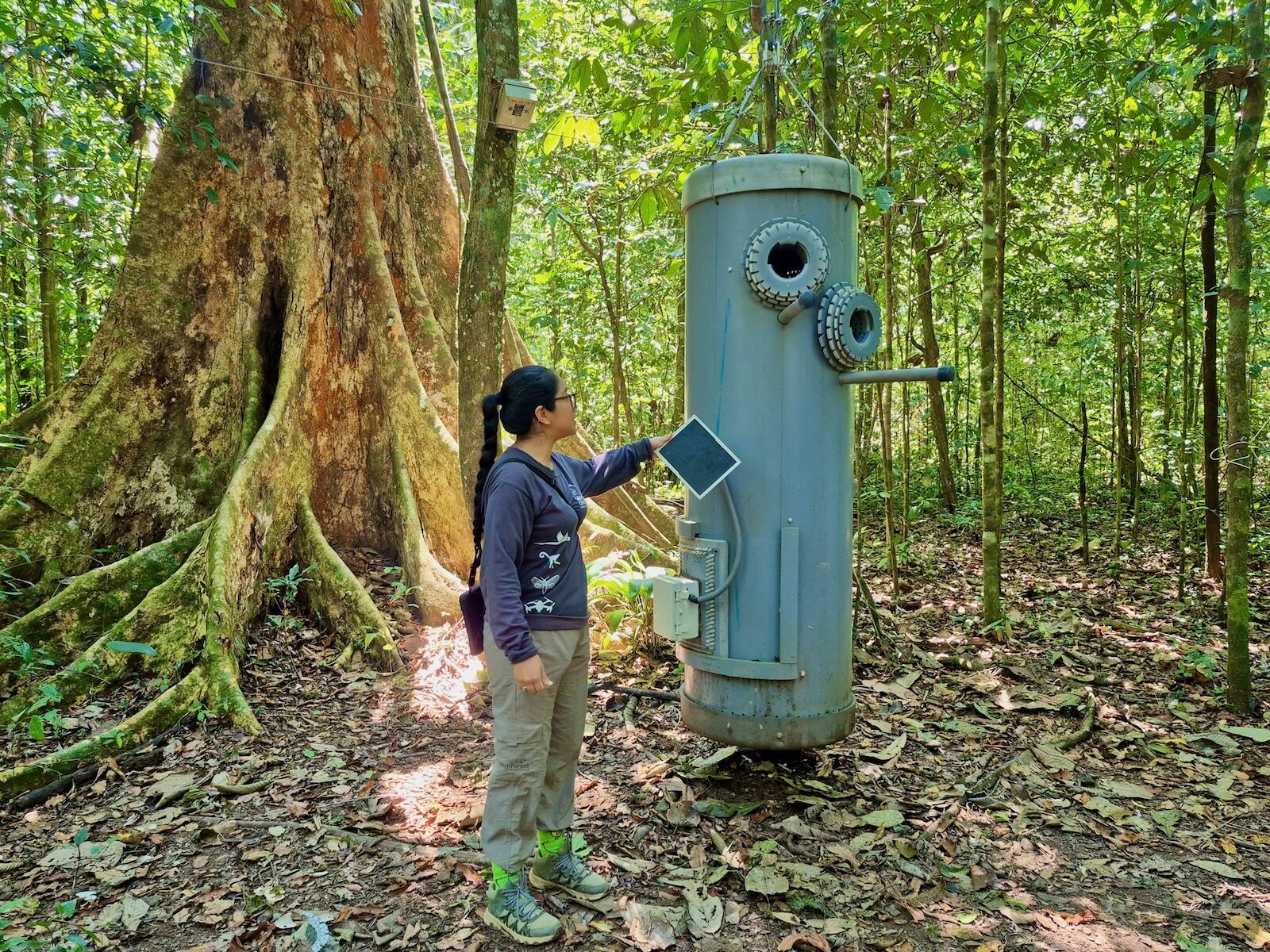
Consider the bioacoustic project: By collecting thousands of hours of vocalizations from spider, howler, and capuchin monkeys, researchers are building a library that will eventually allow for automated, nationwide monitoring of primate populations. This is a monumental task that would take a single research team decades; with citizen scientists, the pace of collection accelerates significantly.
Similarly, the insect discovery project serves as a crucial "early-warning system." Insects are highly sensitive to climate shifts and environmental degradation. By establishing a baseline of insect biodiversity, researchers can track the health of the forest in real-time. Yarasca notes that this data is not just for academic curiosity; it is a strategic tool. When NGOs and the government argue for the protection of specific tracts of land, an inventory of unique species provides the hard evidence needed to justify the creation of new protected areas.
Official Perspectives: The Researcher’s Mandate
For professionals like Aracely Yarasca, a Lima-born biologist with a master’s in marine sciences and climate change, the integration of tourism and science is a necessity. "Doing citizen science with guests helps us share knowledge and involve them in science," Yarasca explains. She views her role as a coordinator not just as a job, but as a bridge between the clinical world of research and the public’s perception of nature.
"They are not just listeners; they are part of these projects, they are active participants—change agents," she says, deftly handling an entomology specimen. Her colleagues, including those working on primate acoustics under Dr. Mark Bowler, emphasize that the project aims to move beyond the superficiality of a vacation snapshot. "We offer meaningful experiences that stick in travelers’ minds more than just taking a photo," says one project representative. "They can think more about how they can help us and our wildlife."
The scientists do not sugarcoat the reality of the Amazon’s struggle. In nightly lectures, guests are confronted with the threats of climate-induced drought, illegal gold mining, and logging. The message is clear: the researchers cannot stop the destruction alone. They require a global audience that understands the stakes.
Implications for Global Conservation
The implications of the Wired Amazon model are profound. By shifting the role of the tourist from consumer to contributor, the program fosters a sense of stewardship that lasts long after the traveler has returned home. When a guest learns that their contribution helped identify a new species of moth, or that their audio recording contributed to a primate census, they become an ambassador for the Amazon.
Furthermore, this model provides a financial lifeline for conservation. The revenue generated from the Tambopata Research Center—where guests pay for a luxury, immersive experience—directly subsidizes the expensive logistics of deep-jungle research. This creates a sustainable cycle: the forest’s beauty attracts the traveler, the traveler’s presence funds the research, and the research ensures the forest remains standing.
The paradox of the lodge is intentional. While the center offers luxury—deluxe suites, soaking tubs, and hammocks elevated in the canopy—it is fully integrated with high-tech monitoring tools. It is a place where one might fall asleep to the sound of cicadas and wake up to a report on the previous night’s jaguar sightings via a camera trap.
As the world faces an unprecedented loss of biodiversity, the Wired Amazon project offers a roadmap for the future of ecotourism. It suggests that the solution to the environmental crisis is not to keep humans away from nature, but to bring them closer to it in a way that is structured, intentional, and intellectually demanding. By transforming the traveler into a scientist, the program proves that even the most remote corners of the world can be protected if we simply give people the tools to understand—and defend—what they see.
In the end, as Yarasca asserts, "You cannot separate the importance of every living organism." By making the Amazon an object of scientific fascination rather than just a destination, the program ensures that its guests leave not just with photos, but with a newfound empathy for the "creepy crawlies" and the vast, complex systems that keep our planet breathing.