
























































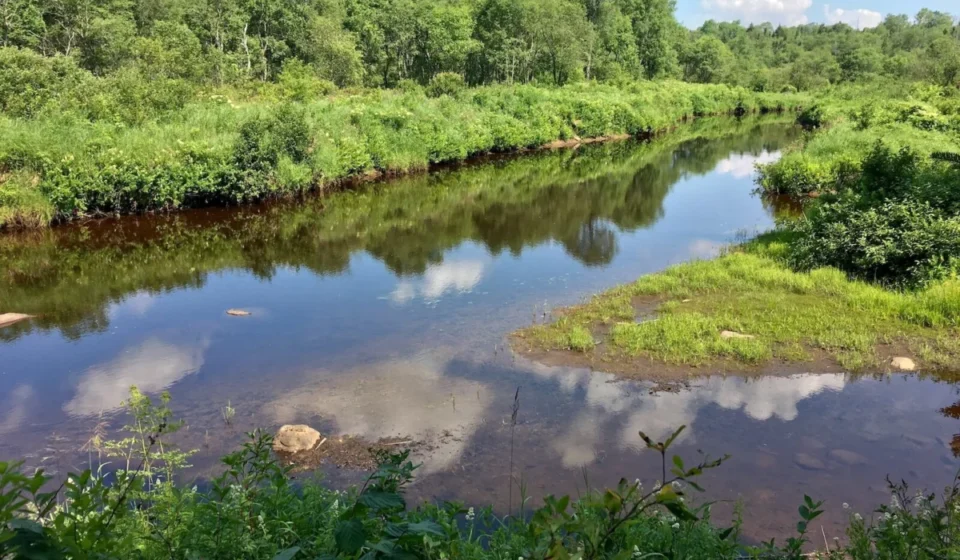

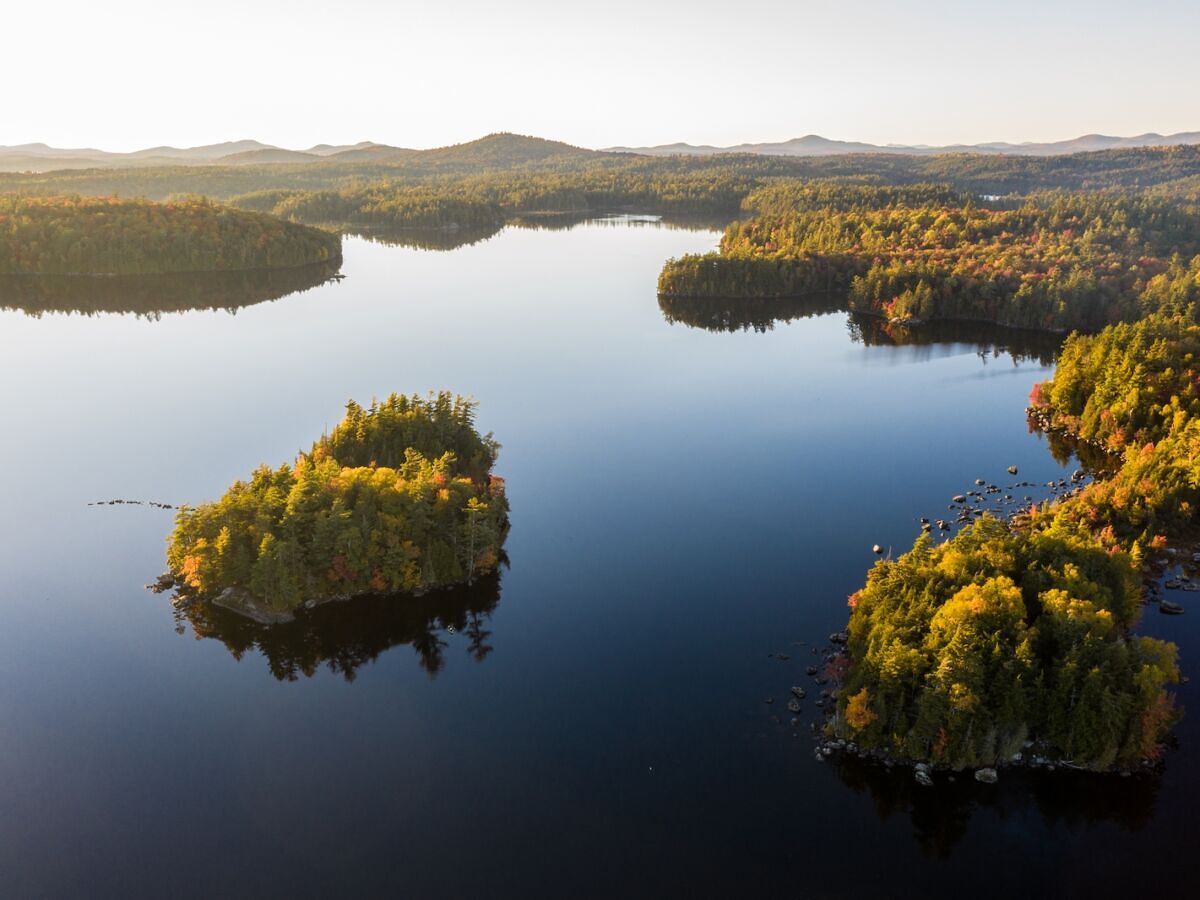
The Adirondack Park is more than a mere geographical designation; it is a sprawling, six-million-acre mosaic of public and private land, a living testament to the delicate balance between human civilization and untamed nature. From the whispering pines of its ancient forests to the glassy, mirror-like surfaces of its over 3,000 lakes and ponds, the region serves as one of the most significant wilderness preserves in the United States. Today, the park remains a sanctuary for those seeking refuge from the unrelenting pace of modern life, offering a diverse array of experiences that cater to everyone from the rugged backcountry explorer to the family seeking a comfortable, scenic retreat.
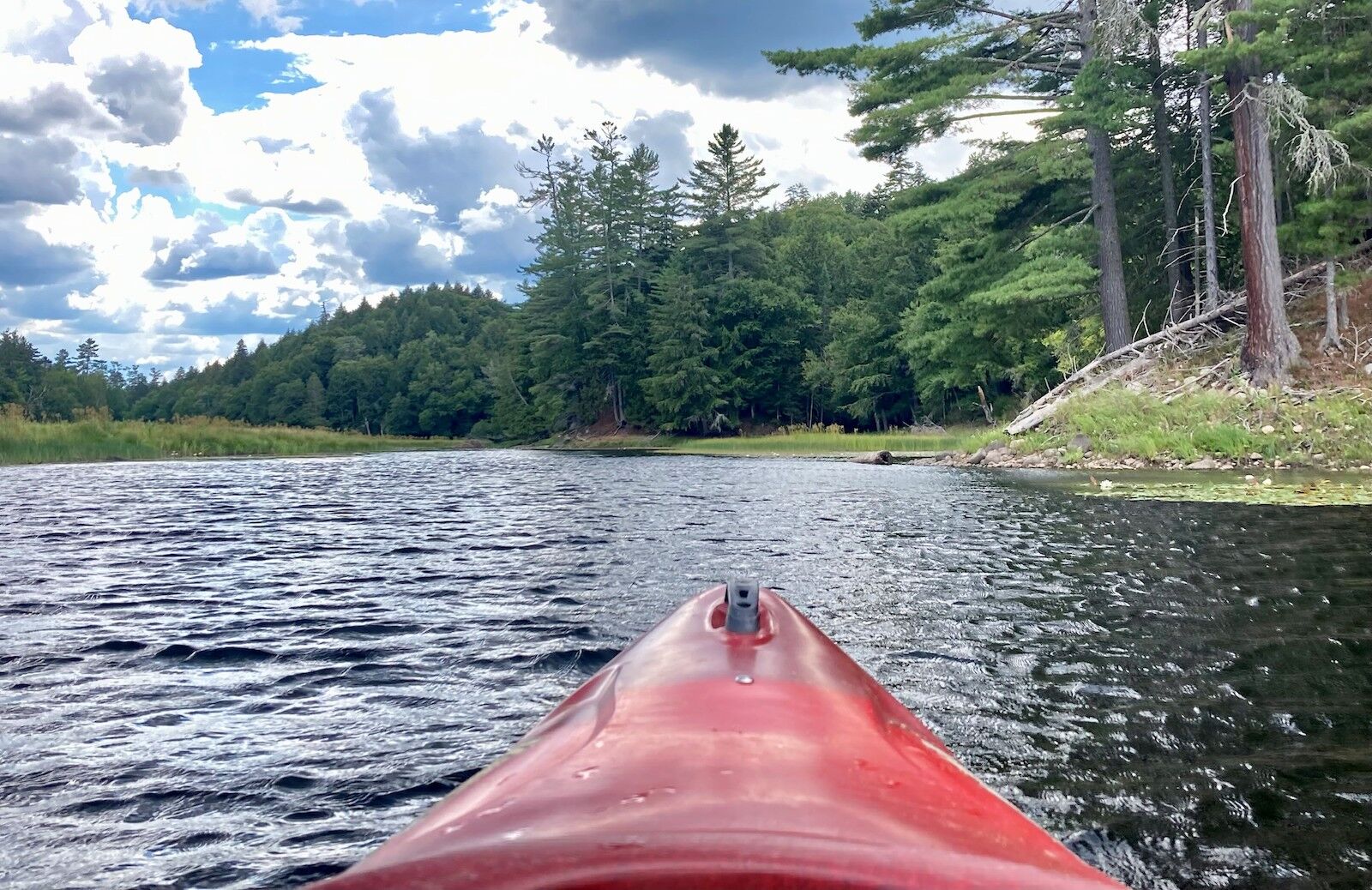
A Chronology of Human Connection
The history of the Adirondacks is as layered as the geology that defines its towering peaks. Long before the region was a playground for the American elite, it was a vital landscape for the Mahican and Mohawk people of the Iroquois Confederacy. Following the retreat of the last ice age, these indigenous groups utilized the region for hunting, fishing, and travel, establishing a relationship with the land that lasted for centuries.
By the dawn of the 20th century, the narrative of the Adirondacks shifted. The region became the favored summer refuge for America’s most prominent industrialist families. Figures like Andrew Carnegie, John D. Rockefeller, and the Vanderbilts commissioned architects to construct opulent, rustic retreats known as "Great Camps." These estates, characterized by log construction and integration into the natural environment, signaled a newfound cultural obsession with the "wilderness cure." While many of these structures have since been reclaimed by the state or preserved as museums, they serve as enduring reminders of an era when the Adirondacks were the exclusive domain of the nation’s wealthiest individuals.
Today, the Adirondacks have transitioned from a playground for the elite to a publicly accessible, multi-use landscape. The park is home to over 100 historic towns and hamlets, woven into the fabric of vast wilderness areas, proving that human habitation and deep conservation can indeed coexist.
Supporting Data: Navigating the Regulations
Before venturing into the Adirondacks, visitors must navigate the logistical requirements set by the New York State Department of Environmental Conservation (DEC). The DEC utilizes a tiered fee structure that balances maintenance costs with accessibility.
Key Logistical Notes:
- Pricing: The DEC employs a base-rate-plus-amenities model.
- Residency Surcharge: Non-New York State residents are subject to an additional $5 per night fee at all state-operated facilities.
- Reservations: Rates are dynamic and fluctuate seasonally. Prospective campers are encouraged to verify current pricing and availability via the ReserveAmerica portal or the official DEC website well in advance of their travel dates.
Prime Destinations: Sleeping Under the Stars
1. Saranac Lake Islands Campground
Situated between the High Peaks Wilderness and the Saranac Lakes Wild Forest, this location is a paddler’s dream. In the late 19th century, the village of Saranac Lake gained national prominence as a center for tuberculosis treatment, hosting luminaries like Robert Louis Stevenson. Today, the 17 miles of contiguous water—requiring only one half-mile portage—are the draw. With 87 paddle-in campsites, visitors can enjoy the haunting call of loons in a setting that feels worlds away from the nearest road. Note: This is a carry-in, carry-out facility with no potable water.
2. Forked Lake Campground
Located near the hamlet of Long Lake and engulfed by the Sargent Ponds Wild Forest, Forked Lake offers a hybrid camping experience. Whether you prefer a drive-up site or a secluded island spot accessible only by canoe, the lake is a premier destination for anglers targeting bass, brook trout, and landlocked salmon. The DEC provides essential amenities, including fire rings, picnic tables, and bear-resistant food storage boxes, ensuring that even the most inexperienced camper can safely enjoy the wilderness.
3. Camp Santanoni Historic Area
For those interested in the Gilded Age, Camp Santanoni offers an immersive historical experience. Built in 1892 for Robert and Anna Pruyn, this 12,900-acre estate features architecture influenced by Japanese design. While the main lodge is no longer an overnight facility, visitors can stay at one of eight primitive campsites located near Newcomb Lake. Accessing the site requires a 4.7-mile trek, though horse-drawn carriage services are available for those wishing to arrive in true 19th-century style.
4. Moose River Plains Camping Corridor
This area represents the gold standard for dispersed, drive-up camping. Covering a vast swathe of the Adirondack Forest Preserve, the complex is a prime habitat for moose, black bears, and river otters. With over 100 drive-up sites, it is ideal for those hauling kayaks or gravel bikes. The area also hosts a portion of the 133-mile Northville-Placid Trail and the famous Black Fly Challenge, making it a hub for outdoor athletes.
5. Lake Champlain Islands Complex
Forming the eastern boundary of the park, Lake Champlain is an inland sea of immense scale. The islands, specifically Valcour and Schuyler, offer some of the most spectacular offshore camping in the state. These sites are rich with history, having served as strategic points during the American Revolution. Paddlers can navigate the Lake Champlain Paddlers Trail, stopping at primitive sites while keeping an eye out for "Champ," the lake’s legendary resident monster.
6. Tioga Point Campground
Accessible via a three-mile paddle from Raquette Lake, Tioga Point is a primitive escape located on a scenic peninsula. With 25 sites—many featuring traditional wooden lean-tos—it offers a classic Adirondack experience. It serves as a vital stopover for those navigating the 90-mile Adirondack Canoe Route, a segment of the massive 740-mile Northern Forest Canoe Trail.
Official Perspectives and Conservation Implications
The management of the Adirondack Park is a complex administrative feat handled by the New York State Department of Environmental Conservation (DEC). The core philosophy of the DEC is "Leave No Trace." As public interest in the Adirondacks continues to surge, the pressure on these ecosystems increases proportionally.
The Impact of Stewardship
The DEC emphasizes that the "hodgepodge" of public and private land requires a high degree of visitor responsibility. The decision to maintain free, first-come-first-served sites in areas like the Moose River Plains or the Lake Champlain Islands is a policy choice designed to keep the wilderness accessible. However, this accessibility necessitates a strict adherence to local regulations.
Official Recommendations for Sustainable Recreation:
- Waste Management: All primitive sites operate on a strict carry-in, carry-out basis. Visitors are expected to remove all trash and, in many cases, human waste, to protect the water quality of the watersheds.
- Wildlife Protection: Bear-resistant storage is not just a suggestion; it is a requirement. The interaction between human food sources and local fauna, particularly black bears, remains a focal point of DEC safety alerts.
- Seasonal Awareness: Because the Adirondacks experience extreme weather, the DEC manages campgrounds on a seasonal basis, generally from mid-May to early September. Attempting to access these sites outside of these windows without proper winter wilderness experience is strongly discouraged by regional forest rangers.
The Future of the Adirondacks
The implications of climate change on the Adirondack region are becoming increasingly apparent. Fluctuating water levels, shifting forest compositions, and the shortening of the winter season for traditional activities like snowshoeing and cross-country skiing are challenges the DEC is currently studying. The "Great Camps" of the past were built for a climate that is evolving, and the infrastructure of the park must adapt to ensure that the ecological integrity of the region remains intact for future generations.
By choosing to visit these sites, campers are not merely consumers of nature; they are stakeholders in its preservation. Whether one is paddling the quiet reaches of the Saranac chain or hiking the carriage roads of Camp Santanoni, the underlying mission remains the same: to enjoy the profound solitude of the Adirondacks while ensuring that this mosaic of wilderness remains untarnished by the very humans who seek to find themselves within it.