























































By Investigative Staff
The Minnesota Department of Human Services (DHS) is currently embroiled in a high-stakes campaign to root out fraud, a mission that has inadvertently triggered a widespread crisis for the state’s most vulnerable citizens. As the agency rushes to meet federal requirements to revalidate Medicaid providers, the resulting administrative gridlock has left thousands of low-income seniors, individuals with disabilities, and children with complex medical needs without the essential services they rely on to survive.
For families across Minnesota, the "Revalidate 2026" initiative has transformed from a necessary bureaucratic safeguard into a source of profound financial and personal instability. With providers struggling to stay afloat and bureaucratic backlogs preventing new care authorizations, advocates are warning that the state’s aggressive pursuit of program integrity is coming at the expense of human lives.
The Anatomy of a Crisis: Main Facts
At the heart of the conflict is a tension between fiscal accountability and access to care. Following intense pressure from federal authorities regarding potential "high-risk" billing practices, the Minnesota DHS launched an emergency, off-cycle revalidation process for approximately 5,600 providers across 13 high-risk service categories.

The mandate was clear: conduct site visits, perform exhaustive background checks, and verify operational compliance by May 2026. Failure to do so risked the forfeiture of nearly $2 billion in federal funding. However, the implementation of this mandate has been described by providers and families alike as chaotic.
The consequences have been immediate and severe:
- Provider Instability: Many providers have seen payments delayed for months, forcing them to drain savings or rely on high-interest loans just to keep their doors open.
- Service Gaps: Families report long wait times for authorization, leading to the interruption of physical therapy, in-home nursing, and behavioral health treatments.
- The "Invisible" Casualty: The state admits it does not currently track the total number of patients who have lost access to services, citing the difficulty of monitoring private arrangements and client transitions.
A Chronology of the Conflict
The current turmoil is the culmination of years of scrutiny from the federal government.
- Pre-2026: Under the Affordable Care Act, Medicaid providers are subject to revalidation every five years. However, federal auditors flagged specific Minnesota programs as having high-risk or "aberrant" billing patterns.
- January 2026: Facing the threat of withheld federal funding—with approximately $550 million already deferred—the Minnesota DHS launched "Revalidate 2026."
- Spring 2026: The deadline pressure intensified as the May cutoff approached. Providers were forced to navigate a labyrinth of new requirements, including third-party authorization portals and mandatory submission of comprehensive medical records.
- Summer 2026: As the backlog grew, the impact began to manifest in the daily lives of families. Legislative hearings were convened to address the growing outcry from providers who found their operations frozen by administrative errors.
- September 2026: Data revealed that while over 3,500 providers had been revalidated, over 1,000 remained in the appeals process, and hundreds of others had effectively been shuttered, leaving their clients in limbo.
Supporting Data and the Cost of Red Tape
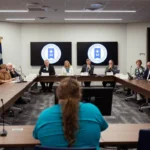
The scale of the disruption is evidenced by the sheer volume of bureaucratic failure. According to testimony provided to the state Senate Human Services Committee, the reliance on third-party agents like Acentra Health has created a massive bottleneck.

Dr. Eric Larsson, Chairman of the Autism Treatment Association of Minnesota, reported that nearly 1,000 children are currently waiting for care due to the backlog. Similar reports come from providers like Minnesota Behavioralist Specialists, where authorization times—historically a one-week process—have ballooned to two months. As of early September, the DHS confirmed that roughly 1,177 providers were still trapped in the appeals process, while nearly 700 had failed to revalidate and ceased operations entirely.
Critically, a Georgetown University study released in July cast doubt on the efficiency of the crackdown. The study found that despite the massive disruption to the provider network, the DHS had referred only 1% of the revalidated providers to the Office of Inspector General for further fraud investigation. This has led critics to argue that the "war on fraud" is punishing compliant, small-scale providers while creating an environment where high-quality care is becoming impossible to deliver.
Voices from the Frontline: The McGuire and Carpenter Cases
For the McGuire family of Bloomington, the bureaucratic requirements are not just paperwork—they are a hurdle to their children’s development. Caroline McGuire, mother to a 6-year-old with cerebral palsy and a 12-year-old with developmental delays, has watched her son Colin suffer a four-month delay in physical therapy.
"It’s always been a far from perfect system, but now they have made it so much worse," McGuire said. "People with disabilities are paying the price, and it’s so much worse when it’s children."

Similarly, Addyson Carpenter, chair of the Minnesota Council on Disability, has experienced the system’s failure firsthand. After a life-threatening medical emergency in April, Carpenter found herself fighting to secure in-home nursing care for herself and her 18-year-old daughter, Lydia, who has profound autism. Despite her expertise as an advocate, the layers of "red tape" have left her family in a precarious position, waiting for authorization for essential caregiver support.
Official Responses and Accountability
The Minnesota Department of Human Services has attempted to balance its duty to the federal government with its responsibility to the public. During a recent Senate hearing, State Medicaid Director John Connolly offered an apology to providers and families, acknowledging the "very difficult moment" the agency is facing.
The DHS attributes the backlog to the sheer complexity of the "Revalidate 2026" requirements and the need to strengthen program integrity. However, the agency’s stance—that it cannot quantify the number of people who have lost services—has drawn sharp criticism from advocates. Maren Christensen, executive director of the Multicultural Autism Action Network, was blunt in her assessment: "There is no concern for the people who use the services. There will be people who do not survive this."
Broader Implications for Healthcare Access
The implications of this crackdown extend far beyond the immediate financial hardship of providers. By freezing the authorization of new providers until at least January 2027, the state has effectively halted the growth of care capacity during a time of increasing demand.

Furthermore, the "Revalidate 2026" effort highlights a systemic vulnerability: when a state is forced to choose between federal compliance and the immediate health needs of its citizens, the administrative nature of the former often eclipses the human necessity of the latter.
While the discovery of extreme cases—such as the assisted living director who was found to be operating a Minnesota facility while residing in Liberia—demonstrates that fraud does exist and must be addressed, the current methodology suggests a "blunt instrument" approach. By treating all providers as high-risk, the state has inadvertently created a "chilling effect" that discourages legitimate organizations from participating in the Medicaid program.
As the state moves into the final quarter of the year, the path forward remains uncertain. Providers are calling for a more streamlined, compassionate approach to revalidation that prioritizes the continuity of care. Families are calling for a return to common sense. Unless the DHS can untangle the web of authorizations and provide a path back to stability for the hundreds of sidelined providers, the collateral damage of this "war on fraud" will continue to mount, leaving the most vulnerable Minnesotans to bear the heaviest burden.