























































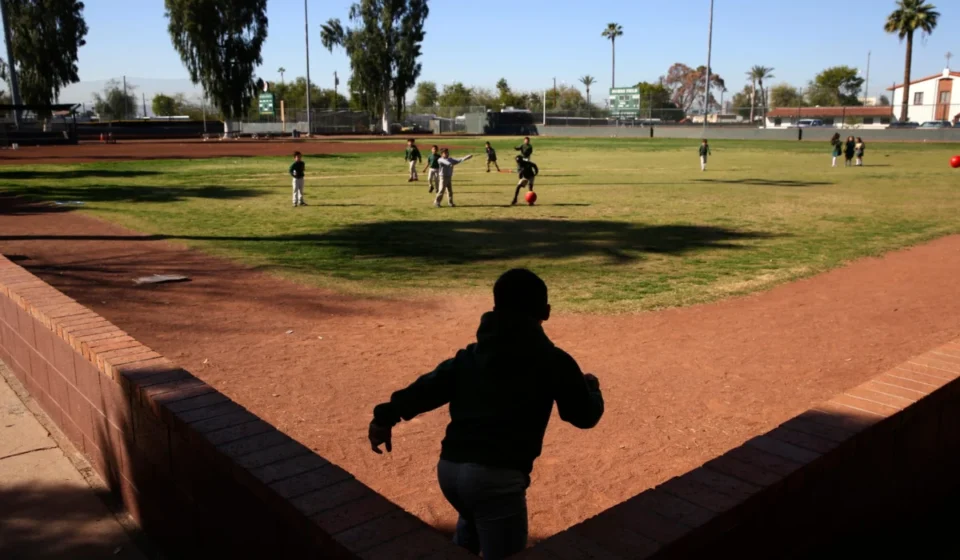

For generations, the image of schoolyard play—the chaotic joy of tag, the rhythmic thumping of basketballs, and the shouts of children navigating the social dynamics of the playground—was considered a fundamental right of childhood. However, in the high-stakes era of standardized testing and rigid academic scheduling, the "recess" break has increasingly been treated as a luxury or an expendable commodity.
A new, comprehensive policy statement from the American Academy of Pediatrics (AAP)—the first of its kind in 13 years—seeks to reverse this trend. The group is sounding a clarion call to educators, administrators, and policymakers: recess is not a break from learning; it is an essential component of it.
The Case for Unstructured Play: Main Facts
The AAP’s updated guidance, published this Monday in the journal Pediatrics, serves as a scientific intervention in the ongoing debate over how schools should structure the day. The core thesis is straightforward yet profound: unstructured, free play is a biological necessity for healthy child development.
Contrary to the belief that time spent in the classroom equates directly to academic gain, the AAP argues that the brain requires "cognitive downtime" to consolidate information. When students are forced to sit for hours of continuous instruction, their ability to retain information plateaus. By contrast, intermittent breaks allow the brain to process what it has learned, effectively "saving" the data before the next round of instruction.
Beyond academics, the AAP emphasizes that recess is the primary venue for developing "soft skills"—the ability to negotiate rules, resolve conflicts, empathize with peers, and build confidence. These social-emotional milestones are as critical to a child’s future success as their proficiency in mathematics or literacy.
A Chronological Shift: From Playground to Pressure Cooker
To understand why this guidance is necessary, one must look at the evolution of the American school day since the turn of the millennium.
- Pre-2000s: Recess was traditionally viewed as a standard fixture of the school day, often lasting 30 to 60 minutes.
- The Mid-2000s "Crunch": Following the implementation of aggressive federal education mandates, schools began feeling the pressure to maximize instructional minutes to boost test scores. Many administrators viewed recess as "wasted time."
- 2013: The AAP issued its last major policy statement on the subject, warning that the erosion of play was having detrimental effects on children’s physical and mental health.
- 2014–2024: Despite the 2013 warning, the trend of shrinking recess continued. Data from the Springboard to Active Schools initiative, in partnership with the CDC, indicates that roughly 40% of U.S. school districts curtailed or entirely removed recess during this period.
- 2026: The current AAP update arrives at a critical juncture, as the nation faces a post-pandemic landscape marked by rising rates of childhood obesity, anxiety, and social isolation.
Supporting Data: The Cost of a Sedentary School Day
The empirical evidence supporting the necessity of recess is robust. The AAP cites a growing body of research that links physical movement to both improved academic performance and long-term health outcomes.
One of the most alarming statistics provided by the pediatricians is the prevalence of childhood obesity. Approximately 1 in 5 children and teenagers in the United States are now categorized as obese. While diet is a factor, the lack of daily physical activity during the school day is a significant contributor. In a typical school setting, a student might sit for upwards of six hours, a habit that is biologically antithetical to the needs of a developing child.
Furthermore, the duration of recess is currently marked by extreme inequality. Some schools provide over an hour of activity, while others have slashed recess to less than 10 minutes—hardly enough time to leave the classroom, let alone engage in meaningful physical or social activity. This disparity is particularly stark for older students, who are systematically provided less "free time" than their younger counterparts, despite being at a developmental stage where they are increasingly susceptible to digital dependency and social anxiety.
Official Responses and the "Punitive" Problem
A major point of contention highlighted by the report is the practice of withholding recess as a form of discipline.
"If the child is disruptive or rude and disrespectful, recess is one of the things that teachers use to punish kids," says Dr. Robert Murray, a lead author of the report. This practice, the AAP argues, is fundamentally counterproductive. The students most likely to be deprived of recess—those with behavioral issues, attention disorders, or academic struggles—are precisely the children who derive the greatest benefit from physical activity and the social structure of the playground.
Dr. Lauren Fiechtner, a childhood obesity expert at Mass General Brigham for Children, echoes this sentiment. "Recess is a de-stressor. We all need it," she explains. She notes that for many students, the playground is where they learn to coordinate, strategize, and build the physical literacy that lasts a lifetime. By removing that opportunity, schools aren’t correcting behavior; they are removing the very mechanism that might help that student regulate their energy and focus.
Implications: A New Model for the Future
The implications of the AAP’s findings are far-reaching. The report suggests a paradigm shift in how we view the school day:
- The "20-Minute Minimum": The AAP advocates for at least 20 minutes of daily, protected, unstructured play.
- Frequency Matters: Rather than one long block, the report suggests multiple breaks throughout the day. This aligns with international best practices seen in countries like Japan, Denmark, and the U.K., where students are given breaks every 45 to 50 minutes.
- Universal Access: The report emphasizes that recess should not stop at the elementary level. Middle and high school students, who are increasingly tethered to screens and dealing with high academic pressure, require physical, social breaks as much as young children.
- Policy Protection: There is a growing call to formalize recess as a protected right in school district policies, ensuring that it cannot be revoked for punitive measures or reallocated for test preparation.
As we look toward the future of education, the message from the pediatric community is clear: a successful school is not one that keeps children glued to their desks, but one that recognizes the holistic needs of the developing human. Protecting recess is not about coddling students; it is about providing the essential environment for their physical, social, and academic growth.
If we want healthier, more focused, and more resilient students, we must stop viewing the playground as a distraction and start seeing it as a classroom without walls. The bell for recess is ringing; it is time for our school systems to listen.