






















































Minneapolis Schools at a Crossroads: The High-Stakes Debate Over Massive Consolidation Plans

The Minneapolis Public Schools (MPS) district stands at a defining precipice. On Tuesday night, Superintendent Lisa Sayles-Adams unveiled a sweeping "transformation" proposal to the school board, a plan that, if enacted, would fundamentally alter the educational landscape of the city. Faced with a persistent $40 million budget deficit and a significant surplus of underutilized real estate, the district is considering the closure of up to 16 schools. The move, intended to streamline resources and concentrate academic quality, has ignited a firestorm of controversy among parents, educators, and community leaders who fear that the district is rushing into a structural upheaval that could trigger a mass exodus of families.
The Core Proposals: Reshaping the District
The district’s proposed strategy involves three distinct plans, all of which aim to consolidate K-12 pathways and redraw attendance boundaries to better align with current enrollment numbers. The scope of these changes is massive, potentially impacting roughly 14% of the district’s 30,000 enrolled students.
At the heart of the debate is the disparity between capacity and enrollment. While MPS serves approximately 30,000 students, its infrastructure is built to house 43,000. This "ghost capacity" is costly to maintain and results in a fragmented distribution of resources. More than half of the district’s 56 schools are currently operating below the enrollment thresholds necessary to provide robust, consistent programming, such as specialized electives, advanced coursework, and adequate staffing ratios.
The district argues that by consolidating students into fewer, more populous buildings, over 70% of students would gain access to "complete" programming. However, the specific financial savings remain nebulous; the superintendent’s office has not yet provided a concrete fiscal forecast, leaving the community to wonder if the disruption will yield the necessary return on investment. The school board is slated to vote on these proposals on November 10, with an implementation target of fall 2027.
A Chronology of Crisis and Contemplation
The current state of affairs is not a sudden development, but rather the culmination of years of systemic decline.
- 2020: The Comprehensive District Design (CDD): The district’s last major attempt at systemic reform, the CDD, sought to reorganize boundary lines and magnet programs. The fallout was significant; in the years following its implementation, thousands of students left the district, a trend that critics argue should serve as a cautionary tale for the current administration.
- 2023: Initial Discussions: Following the post-pandemic landscape, the district began formally discussing a new wave of "restructuring"—the administrative term for closures and consolidations—to address the widening budget gap.
- Fall 2025 (Resolution): The school board passed a formal resolution directing Superintendent Sayles-Adams to conduct a deep-dive analysis and report back with actionable data by April 2026.
- Summer 2026: Following initial board discussions in the spring, the Superintendent’s team spent the summer drafting the three scenarios presented this week.
- September 30 – October 9, 2026: The district has scheduled a series of community input meetings to solicit feedback, a period many stakeholders view as too brief given the gravity of the proposals.
The Human Cost: Voices from the Neighborhood
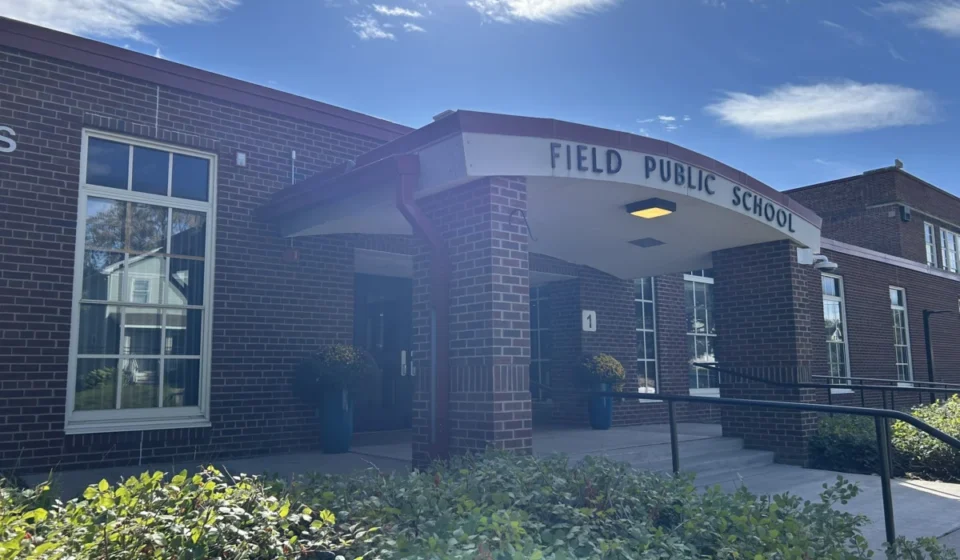
For many, the statistical necessity of the district’s plan is overshadowed by the lived reality of their schools. Susan Dreiling, a parent of a fourth grader at Field Elementary—one of the 16 schools currently on the chopping block—expressed a sentiment shared by many attendees at Tuesday’s meeting: a lack of trust in the speed of the transition.
"Hard plans can be the right plans, but we’ve got to have confidence in the leadership that’s putting it through," Dreiling stated. Her concern reflects a broader anxiety: the loss of the "neighborhood feel" that defines schools like Field. "It’s parents that know each other by name," she added. "It’s the little conversations. It’s sipping on our coffees as we walk there, waving to those at drop-off… It’s beautiful to show my child and her peers what the power of a strong school is."
Marsha Howard, president of the Minneapolis Federation of Teachers (MFT), echoed these concerns, pointing out that several schools slated for closure, such as Bethune Arts Elementary, actually maintain waitlists. She argued that the district is using data that fails to account for recent community-building efforts, such as the "Operation Metro Surge" initiative, which successfully galvanized neighborhoods to protect their local schools. "If you are operating under a premise that is outdated by the time you present it to the public, what that shows is that you’re not reading the room," Howard remarked.
Data and Disagreements: The Enrollment Dilemma
The central point of contention is whether consolidation will stabilize the district or accelerate its decline. The district’s leadership maintains that consolidation is the only way to save the core academic mission. With funding tied strictly to per-pupil counts, under-enrolled schools are essentially starved of the resources required to offer a well-rounded education. By merging these populations, the district hopes to create "hubs" of excellence.
However, school board member Greta Callahan warned against the "Field of Dreams" fallacy—the idea that if you consolidate, students will simply follow. "History tells us otherwise," Callahan noted during the meeting. "Families who lose their neighborhood school do not reliably stay."
If the district’s past experience with the 2020 CDD is any indication, the migration of students to charter schools or suburban districts could counteract any cost savings achieved by closing buildings. This creates a "death spiral" scenario where further closures lead to further attrition, which in turn leads to further budget shortfalls.
The Road Ahead: Implications for the District
As the November 10 vote approaches, the tension between fiscal responsibility and community stability continues to mount. The district is caught in a classic urban policy dilemma: how to shrink to survive without destroying the very institutions that give the city its character.
Key Implications:
- Staffing and Morale: Beyond the logistics of the move, the uncertainty creates a toxic environment for teachers and administrators. As Dreiling noted, "How do you fight to keep your school in your community and do your day job all at the same time?"
- The "Flight" Risk: The district faces a significant risk of losing middle-class families who prioritize the stability of their local school. A mass departure could lead to a permanent reduction in the district’s tax base and political capital.
- Fiscal Uncertainty: With no firm savings projections, the school board is effectively being asked to make a blind leap. Without a clear financial roadmap, the burden of proof rests heavily on the superintendent to prove that these closures will lead to tangible academic improvement rather than just temporary budget relief.
- Public Trust: The MFT’s call for a "pause" suggests that the district has failed to build the necessary social license to push through such drastic changes. The upcoming community meetings between September 30 and October 9 will likely be high-pressure environments where the administration will have to defend its data against the visceral testimonies of parents who feel their communities are being erased.
As Minneapolis moves toward the November deadline, the question is no longer just about where children will attend class, but about the future identity of the school district itself. Whether the district can thread the needle between fiscal survival and community preservation remains to be seen, but the coming weeks of public debate will likely determine the fate of Minneapolis Public Schools for a generation.