























































For over a century, the city of Rochester has operated under a hydrological assumption that many of its neighbors abandoned decades ago: that the ground beneath its feet provides an inexhaustible, high-quality tap. By drilling deep into the Jordan aquifer—a sprawling, subterranean sandstone formation that acts as a natural reservoir across seven states—Rochester has built a thriving municipal utility that serves roughly 125,000 residents.
However, the era of effortless abundance is drawing to a close. In 2024, the Minnesota Department of Natural Resources (DNR) delivered a sobering notice to Rochester Public Utilities (RPU): the city can no longer drill additional wells within its municipal limits. The reason is not a sudden disappearance of water, but a protection of the delicate ecological balance above. The pumping required to meet the city’s surging growth is now threatening to drain the very streams and rare "fen" wetlands that define the southeastern Minnesota landscape.
This regulatory red light has forced Rochester into a high-stakes, 40-year planning exercise. As the city stares down a projected doubling of water demand by 2065, it finds itself at a crossroads between its history as a groundwater-reliant community and a future that may require a radical, and expensive, shift toward surface water or controversial "fossil water" extraction.

The Chronology of a Crisis
The current tension is the result of decades of quiet, consistent growth meeting the hard physical limits of the natural world.
- 1920s–2020: Rochester establishes its identity as a city that "drinks from the ground." Unlike the Twin Cities, which long ago transitioned to the Mississippi River, Rochester maintains a pure, groundwater-based system that requires minimal treatment, a point of civic pride.
- 2010s: As the city’s population booms, RPU steadily adds to its inventory of wells, which now number approximately 30, plunging anywhere from 400 to 1,000 feet deep into the Jordan aquifer.
- 2023–2024: DNR scientists identify that groundwater withdrawals are negatively impacting regional streams—prized by anglers—and sensitive fen wetlands. The state issues a moratorium on new well permits within city limits.
- 2026: RPU releases a series of public disclosures regarding its long-term resource strategy, acknowledging that the city’s annual draw of 4.8 billion gallons is on track to hit the state-imposed ceiling of 5.7 billion gallons within five years.
- Late 2026/Early 2027: The city is slated to finalize its comprehensive water supply study, which will determine the path forward for the next half-century.
Supporting Data: The Math of Scarcity
The numbers behind Rochester’s water dilemma are stark. The Jordan aquifer, while massive, is not infinite. It is a slow-recharging system, meaning the water being pumped today may have taken decades, if not centuries, to permeate the rock layers.
Current usage stands at 4.8 billion gallons per year. Projections indicate that if current growth rates hold, the city will reach its 5.7-billion-gallon limit by 2031. Beyond that point, the ecological damage to wetlands—critical habitats for endangered species—becomes the primary limiting factor.

The geological reality is even more concerning. If the city attempts to bypass the current limits by drilling deeper into the Wonewoc and Mt. Simon aquifers, it enters the realm of "fossil water." This is water that has been sequestered underground for upwards of 60,000 years. As geologists and advocates like Carrie Jennings of the nonprofit Freshwater point out, this is essentially mining, not management. Once that water is extracted, it is effectively gone on a human timescale, as it does not recharge at a rate relevant to modern municipal needs.
The Debate: Tradition vs. Modernity
The internal debate within Rochester city government reflects a tension between fiscal conservatism and environmental stewardship.
Council member Patrick Keane articulates a view held by many residents: that the city’s ability to avoid expensive, large-scale surface water treatment plants is a sign of efficiency. "I know there are people in the community who would say you’re the only large municipality that doesn’t use any surface water, you’re the only one that doesn’t do any sort of major treatment center," Keane noted. "I take those as almost bragging things."

However, RPU leadership is beginning to signal that pride may be a luxury the city can no longer afford. Todd Blomstrom, assistant general manager at RPU, has expressed a desire to remain a groundwater-based system, likely through the blending of different groundwater sources. Yet, the engineering challenges of managing multiple wells and the potential for long-term depletion make this a precarious bet.
If the city moves to surface water—drawing from the Zumbro River or piping water 40 miles from the Mississippi—the financial implications are staggering. A new, state-of-the-art water treatment facility would cost tens of millions, if not hundreds of millions, of dollars. This would necessitate significant hikes in water rates for residents and businesses alike.
Broader Implications: A Changing Minnesota
Rochester is not an outlier; it is a bellwether. The issues seen in Rochester are strikingly similar to those that plagued White Bear Lake a decade ago, where overpumping led to a disastrous drop in lake levels and a subsequent legal battle with the state. Similarly, the rapid suburban growth in Woodbury has forced the DNR to keep a watchful eye on that city’s well-field expansions.

"We’re a little spoiled in Minnesota when it comes to water," says Carrie Jennings. "But things are changing and there’s going to be more climate stress, different styles of rain events, and different needs for water use."
As climate change alters precipitation patterns and industry continues to demand more water for data centers and manufacturing, the "Minnesota model" of abundant, cheap water is being rewritten. State officials are currently engaged in a massive study of the state’s water supply through 2100, acknowledging that the status quo is increasingly untenable.
The Stewardship Perspective
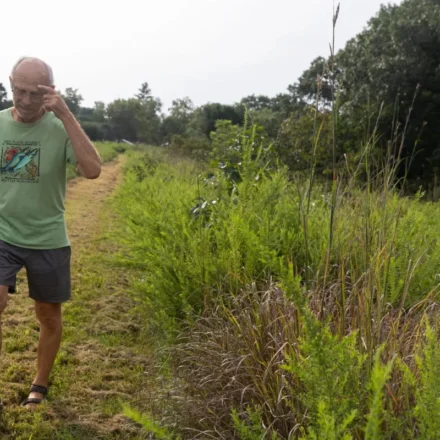
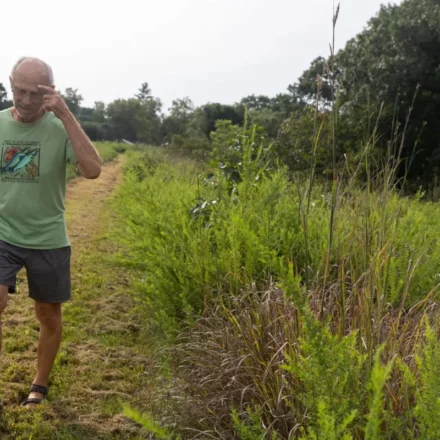
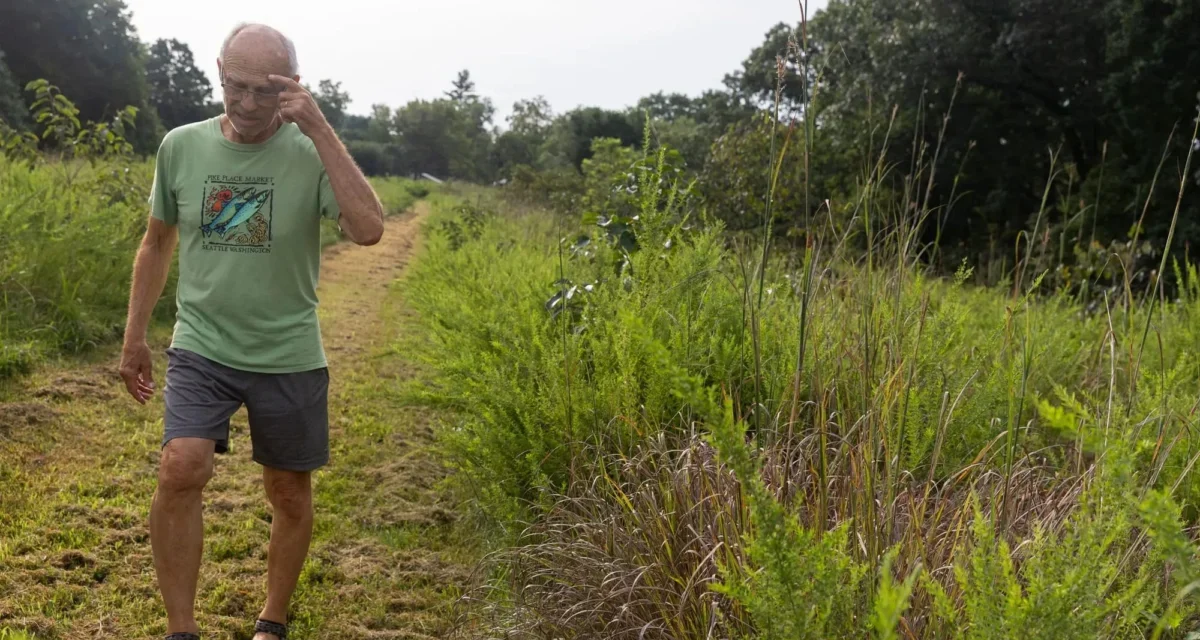
Perhaps the most poignant critique of the city’s current trajectory comes from those who manage the land directly above the aquifers. John Meyer, a regenerative farmer operating in the region, argues that the focus on "where to drill next" is a distraction from the real issue: land management.

Meyer’s farm, which utilizes cover crops and advanced soil health techniques, is designed to increase water infiltration and retention. He views the city’s move toward deeper wells as a short-sighted "delaying tactic" that fails to address the root causes of aquifer depletion and surface-level contamination.
"The smart thing to do is correct what we’re doing up here on top," Meyer says.
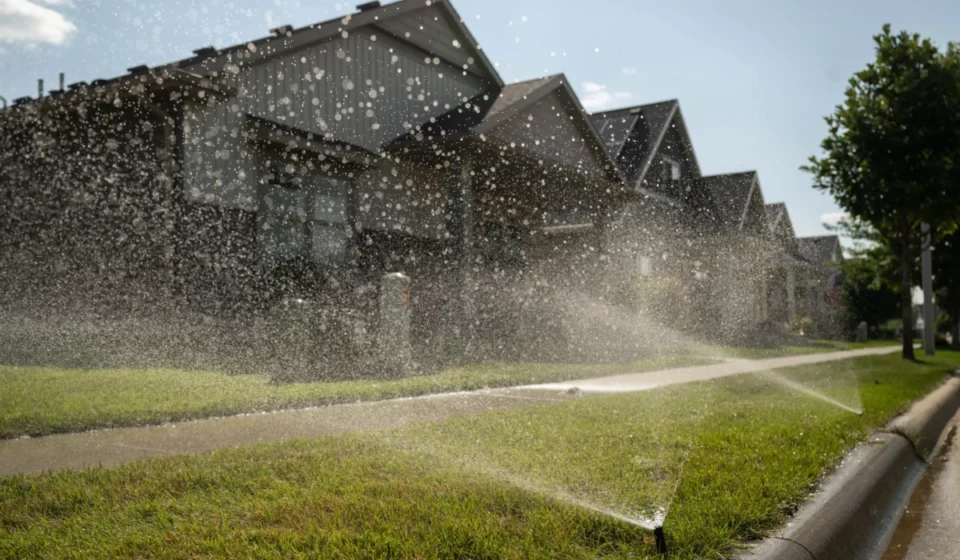
Currently, Rochester’s conservation efforts remain largely voluntary. While RPU encourages efficient appliances and reduced lawn watering, the city has avoided the mandatory restrictions that other parts of the state were forced to adopt during recent drought cycles. As the DNR’s drought monitoring maps continue to flash warnings, the question of when—not if—those voluntary measures become mandatory remains a looming uncertainty for residents.

Looking Forward: The 2027 Deadline
As of August 2026, the city of Rochester is in a phase of data gathering. The comprehensive water study due in October will be the definitive document for the city’s future. It will outline the feasibility of three paths:
- The "Deep Well" Path: Continuing to tap into deeper, non-renewable aquifers.
- The "Surface Water" Path: Investing in a massive, costly transition to river-fed water.
- The "Hybrid" Path: A complex, potentially unproven method of blending surface and groundwater, requiring a sophisticated new treatment plant.
Council member Keane remains optimistic, framing the situation not as a crisis of failure, but as a moment of responsible foresight. "We’re not dealing with it under duress," he insists. "We’re dealing with it as just good stewards of our natural resources, but also looking forward into the future."
Whether that future looks like a cleaner, more conservative use of the current aquifer, or a massive infrastructure project to pipe water from the Mississippi, remains to be seen. What is certain, however, is that for Rochester, the era of "free" water has ended. The coming years will be defined by the cost of that transition, and the degree to which a city can adapt to the ecological reality of its own growth.