

























Beyond the Stage: The Format’s Political Awakening and the “Saturdays in the Park” Movement

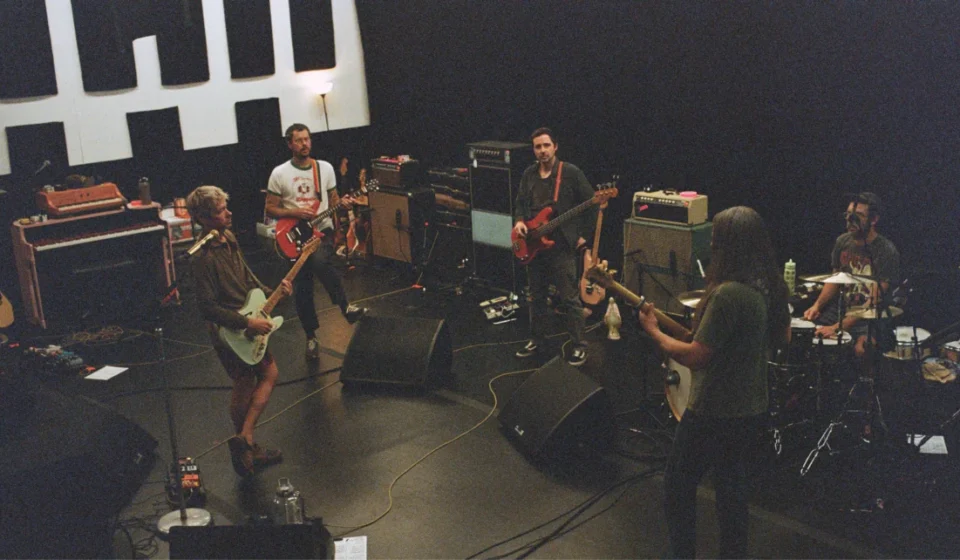
In the landscape of modern indie rock, reunions are often viewed through a cynical lens—a nostalgic grab for ticket sales or a fleeting opportunity to capitalize on past glory. However, the unexpected 2026 resurgence of The Format, the beloved duo of vocalist Nate Ruess and multi-instrumentalist Sam Means, has defied this trope. Rather than leaning exclusively on the familiar comfort of their early-2000s catalog, the band has pivoted toward a mission of urgent, grassroots activism, spurred by a tragic incident of violence in Minneapolis.
The Catalyst: A Turning Point in Minneapolis
The story of The Format’s political awakening is rooted in the intersection of personal tragedy and national instability. As Ruess and Means prepared for their long-awaited return to the stage early in 2026, the cultural climate was rocked by the killing of Alex Pretti, an ICU nurse whose death at the hands of a U.S. Border Patrol officer in Minneapolis ignited widespread outrage and prompted a national conversation on systemic state violence.
For Ruess and Means, who had spent nearly two decades navigating the music industry, the news was a sobering reminder of the artist’s responsibility to the public sphere. "I guess we were just shocked by everything that was happening," Ruess recalls. "Alex Pretti had been murdered, and those horrible things happened in Minnesota and probably continue to happen in Minnesota."
This shock transformed into a desire for tangible action. Influenced by the protest music of Rage Against the Machine—a band whose anti-establishment ethos remains as resonant today as it was 25 years ago—The Format decided that their platform had to be used for more than just entertainment. They were moved by the sight of citizens taking to the streets in Minnesota, viewing the protests not merely as news, but as a call for direct engagement.
Chronology of a Resurgence
The Format’s history is defined by creative evolution and periods of dormancy. Formed during their youth, the band became a cornerstone of the indie-pop scene before their amicable 2008 breakup. While Means shifted his focus, Ruess found meteoric success as the frontman of fun., famously co-writing the Grammy-winning anthem "We Are Young."
A planned reunion in 2020 was thwarted by the onset of the COVID-19 pandemic, leaving the duo in a state of professional limbo. When they finally regrouped in early 2026 to tour their new material, the initial excitement was tempered by the gravity of the political climate.
The turning point occurred during a release show in their hometown of Phoenix, held on the same day as the news of Pretti’s death broke. "It was supposed to be this celebratory moment," Ruess notes. "I can’t go up on stage unless we sing this [new song]. I’m no longer interested in celebrating."
That night, they performed "The Bar is Set So Low," a song that had not been part of their original album cycle. The response was immediate. Recognizing the song’s power as a political anthem regarding the treatment of immigrants in the United States, the band re-recorded it and released it via Bandcamp, with all proceeds earmarked for immigrant advocacy groups.
The “Saturdays in the Park” Initiative
The band’s desire for activism crystallized in the "Saturdays in the Park" concert series. The premise was simple yet radical: utilize the band’s tour schedule to create free, community-focused events that serve as hubs for local non-profits.
"We decided that we would play free shows in a park on Saturdays when we’re on tour," Ruess explains. "In between a set of songs, we’ll have different organizations come up and talk about how everybody can go and sign up."

While the Minneapolis show—hosted at the iconic First Avenue—deviates from the literal park setting, the spirit remains the same. It is a "scrappy," DIY approach to community building. Sam Means emphasizes that the initiative was born without a formal roadmap, relying instead on the immediate willingness of their fanbase to mobilize.
"It was incredibly scrappy, and it was very overwhelming because people did show up and people did want to interact," Means says. "It’s gotten a little bit more streamlined, but it still has that sort of soapbox vibe to it."
Supporting the Frontlines: Data and Impact
The financial commitment behind The Format’s activism is substantial. Proceeds from the single "The Bar is Set So Low" and a line of commemorative long-sleeved T-shirts are funneled directly to four organizations working on the frontlines of human rights and immigrant defense:
- Women’s Foundation of Minnesota (Immigrant Rapid Response Fund): Providing immediate financial and social support to immigrant families in crisis.
- Immigrant Defense Network: Focused on legal advocacy and the protection of rights for those navigating the immigration system.
- Advocates for Immigrant Rights: Working to ensure equitable legal representation.
- Latino Memphis: A community-driven organization dedicated to empowering the Latino population through education and advocacy.
By turning their merch table into a clearinghouse for these organizations, The Format is effectively decentralizing their own popularity to bolster the infrastructure of social justice movements.
The Art of the Political Ballad
Despite the heavy subject matter, Ruess remains a student of the craft. When discussing the songwriting process for "The Bar is Set So Low," he balances the weight of his political message with his lifelong obsession with pop structure.
"You just got to make the chorus really big and kind of like ramp it up," he explains. He cites the 1980s power-pop sensibilities of Eric Carmen’s "Lose Control" as a masterclass in the "catchy ballad." For Ruess, the ability to write a song that feels massive and personal simultaneously is what allows the political message to stick. "I’ve had a lot of success writing catchy ballads," he admits. "You just study Eric Carmen."
Implications: A New Model for Touring Artists
The actions taken by The Format represent a shift in how legacy bands interact with their audience in an era of heightened political polarization. By prioritizing grassroots non-profits over traditional tour structures, Ruess and Means are effectively creating a "mobile soapbox."
Their influence on their fanbase is measurable. At each show, the presence of tabling organizations provides a concrete path for audience members to move from passive listeners to active participants. This model challenges the notion that music and politics must remain separate entities, suggesting instead that the "punk rock" ethos of the 1980s and 90s—which prioritized DIY ethics and community action—is perhaps the most effective way to address the systemic challenges of the 2020s.
As the band continues their tour, the implications of their activism remain clear: the music industry has the power to facilitate, not just entertain. For The Format, the reunion is no longer just about the songs they wrote in their youth, but about the impact they can make in the present.
Event Details:
The Format will perform a free "Saturdays in the Park" show at First Avenue in Minneapolis on September 19 at 2 p.m. In addition to the free matinee, the band will perform ticketed evening shows at the venue on September 18 and 19. For more information, visit First Avenue’s event page or the Saturdays in the Park website.