
























































In an era of hyper-connectivity, where satellite internet and global travel have rendered most of the globe accessible, the concept of "getting away from it all" has become a luxury. True isolation is no longer found in a mountain resort with Wi-Fi, but in the pockets of the planet where the modern world simply ceases to exist. From the volcanic peaks of the South Pacific to the ice-bound fjords of Greenland, these destinations offer more than just a vacation—they offer an expedition into the silence of the Earth.
The Geography of Isolation: Global Perspectives
Remote travel is not merely about distance; it is about the severing of ties with the industrialized grid. Whether through the sheer logistical hurdle of reaching the Aleutian Islands or the cultural seclusion of the Pitcairn Islands, these locations represent the final frontiers of the human experience.
Pitcairn Islands: A Legacy of Mutiny
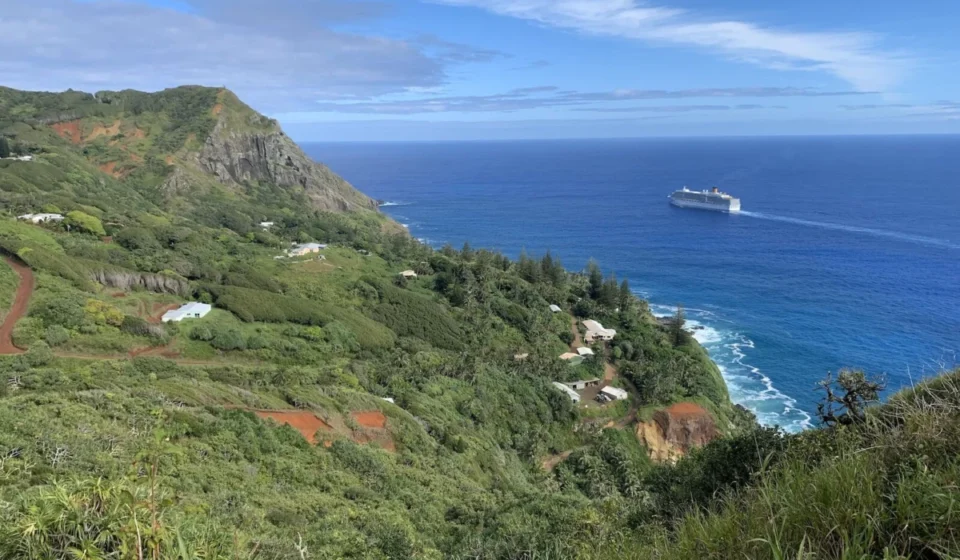
The Pitcairn Islands stand as one of the most isolated inhabited territories on the planet. With fewer than 50 permanent residents—mostly descendants of the infamous HMS Bounty mutineers—the islanders maintain a cultural identity that is entirely unique.
- The Journey: Access is a 32-hour voyage by supply ship from Mangareva, French Polynesia.
- The Appeal: Beyond the dramatic volcanic cliffs, visitors find some of the darkest, clearest night skies in the Pacific, offering a celestial clarity rarely seen in the 21st century.
Ittoqqortoormiit, Greenland: The Arctic Frontier
In the frozen expanse of eastern Greenland lies Ittoqqortoormiit, a settlement of fewer than 350 souls. Here, the landscape is defined by the Scoresby Sund—the largest fjord system in the world—and the dominance of polar wildlife.
- Logistics: Reaching the village requires a flight to Iceland, a connection to eastern Greenland, and a final transfer by helicopter or boat, depending on the shifting sea ice.
- The Experience: Life here remains tied to the seasons. In winter, dog sleds are the primary mode of transit, while summer grants nearly 24 hours of daylight for kayaking among icebergs.
Chronology of Human Expansion and Retreat
The history of these remote regions is a study in human resilience. While civilization has spent centuries attempting to map and inhabit every corner of the globe, the regions listed here represent areas where nature has largely maintained its sovereignty.
- 18th Century: The settlement of Pitcairn by the Bounty mutineers establishes a long-term, isolated community in the Pacific.
- 19th Century: Scientific expeditions, most notably those involving Charles Darwin, bring the Galápagos Islands into the global consciousness, yet the islands remain largely unpopulated by humans.
- 20th Century: The establishment of permanent research and support structures in places like the Aleutian Islands and the Great Australian Bight begins to integrate these areas into global logistics, albeit tenuously.
- 21st Century: A surge in "expedition tourism" sees a growing interest in these remote zones, prompting a debate between economic development and the preservation of pristine environments.
Supporting Data: The Metrics of Remoteness
| Destination | Population | Primary Access Method | Key Natural Feature |
|---|---|---|---|
| Pitcairn Islands | < 50 | 32-hour Supply Ship | Volcanic Cliffs |
| Ittoqqortoormiit | < 350 | Helicopter/Seasonal Boat | Largest Fjord Network |
| Shetland Islands | Variable | Ferry/Air | Subarctic Moorlands |
| Aleutian Islands | Minimal | Summer Ferry (8 trips) | Submarine Volcanoes |
| Galápagos Islands | < 30,000 | Commercial Flight | Unique Biodiversity |
Cultural and Environmental Implications
The allure of these regions often creates a paradox: the more travelers seek to visit them to "reconnect with nature," the more they risk disrupting the very isolation that defines the area.
The Fight for the Bight
In the Great Australian Bight, the tension between commerce and conservation is palpable. While the region provides a sanctuary for Southern Right Whales migrating from Antarctica, the threat of oil exploration—specifically fracking—has mobilized environmental groups. Organizations such as "Fight for the Bight" argue that the economic gain from extraction is negligible compared to the permanent loss of one of the world’s last truly "alone" spaces.
Indigenous Wisdom in the Sahara
In the Moroccan Sahara, the Berber way of life offers a profound lesson in adaptation. Unlike Western development, which seeks to master the environment, the inhabitants of the desert have, for centuries, built their lives around the scarcity of water and the extreme shifts in temperature. Their existence serves as a reminder that "remote" does not mean "barren"; it means a different set of priorities, where the rhythm of the desert dictates the flow of human activity.
Official Responses and Conservation Efforts
Governments and international bodies are increasingly recognizing the fragility of these zones. In the Galápagos, strict regulatory frameworks govern the number of visitors and the scope of tourism to ensure that the unique ecosystem—which inspired the Theory of Natural Selection—is not overwhelmed by human activity.
Similarly, in Scotland’s Shetland Islands, the regional government has leaned into the concept of "well-being tourism." Doctors have begun prescribing "nature walks" and bird-watching as clinical treatments for chronic illness, acknowledging that the isolation of the archipelago is a public health asset. By framing the wilderness as a therapeutic resource rather than a commercial product, the Shetland Islands provide a model for how remote regions can preserve their identity while contributing to the modern world.
The Philosophical Value of Disconnection
The journey to the Westfjords of Iceland or the backwaters of Northern Kerala is, in essence, a search for scale. In the Westfjords, standing beneath the towering cliffs of Látrabjarg, the sheer size of the geography humbles the observer. In Kerala’s Kavvayi Kayal, the silence of the backwaters—far from the commercialized houseboats of the south—allows for a quiet contemplation of a history that spans from Marco Polo to the present day.
These places force us to confront our own insignificance. Whether it is the vastness of the Nullabor Plain in Australia, which is four times the size of Belgium and devoid of cell service, or the nightly display of the aurora borealis over the Lofoten Islands, these destinations strip away the noise of the digital age.
Conclusion: A Call for Responsible Exploration
As the world continues to shrink, the responsibility of the traveler becomes paramount. Visiting these last frontiers requires a commitment to "leave no trace" and an understanding that these communities and ecosystems are not merely backdrops for a photograph. They are living, breathing entities that require protection from the very crowds they attract.
For those who do make the journey, the reward is a rare, crystalline perspective on the world. By stepping away from the grid, we do not lose our place in the modern world; rather, we gain a deeper understanding of the natural world upon which all human endeavor ultimately depends. These remote corners of the globe are not just destinations; they are the anchors of our planet’s wildness, and keeping them wild is the ultimate challenge for the next generation of explorers.