



































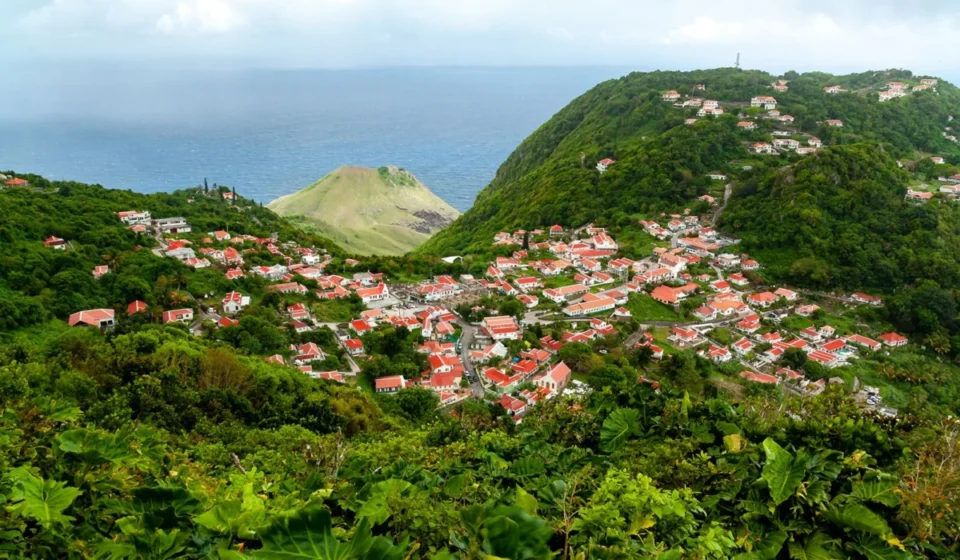

In an era defined by mass tourism, sprawling mega-resorts, and the homogenization of tropical destinations, the Caribbean island of Saba stands as a defiant outlier. Rising sharply from the Caribbean Sea like a verdant emerald fortress, Saba—known affectionately as the "Unspoiled Queen"—has carved out a unique identity centered not on luxury consumption, but on environmental preservation and cultural continuity. With one-third of its total landmass protected as national parkland, the island offers a blueprint for how remote communities can thrive without sacrificing their ecological integrity.
The Architecture of Preservation: A Deliberate Choice
Saba’s lack of sprawling beachfront resorts is not a result of circumstance, but of design. The island’s topography—a dormant volcanic peak—precludes traditional mass-market tourism, but its residents have turned this geographical limitation into a profound asset.
"What makes Saba special is its natural beauty, the dramatic landscapes, and the fact that development has remained relatively small-scale and in character with the island," explains Tom Brokke, a Senior National Park Officer with the Saba Conservation Foundation. "The small boutique hotels and locally owned businesses actually add to that identity rather than taking away from it."
This preservation effort is anchored by a trifecta of protected areas: Mount Scenery National Park, the Saba National Marine Park, and the Saba Bank National Park. These zones ensure that both the island’s mountainous cloud forests and the vibrant coral ecosystems surrounding the island remain shielded from the encroaching footprint of industrial tourism.
Chronology of a Resilient Identity
To understand the soul of Saba, one must look at the history of its infrastructure—specifically "The Road." For decades, engineers declared the island’s mountainous terrain too steep and treacherous to support a paved road. Undeterred, the people of Saba took matters into their own hands. Starting in the 1930s and finishing in 1963, locals learned the engineering trade from scratch and built the entire network by hand.
This feat of human willpower reflects the island’s broader history. In the late 19th century, when the island’s male population was largely absent, working as sailors and ship captains across the globe, the women of Saba developed a unique economic pillar: Saba lace. This drawn-threadwork became a vital mail-order industry that sustained the local economy for generations. Today, that legacy of self-reliance continues through the "Lace Ladies," a group of artisans dedicated to preserving this intricate craft, ensuring that the island’s heritage is passed down to a new generation.
Supporting Data: The Biodiversity and Economic Indicators
Saba’s appeal lies in its "hidden gem" status. Accessible only via short, dramatic flights from St. Maarten or a 90-minute ferry ride, the island maintains a sense of remoteness that is increasingly rare in the global travel market.
Ecological Wealth
- Mount Scenery: Standing at over 2,900 feet, it is the highest point in the Kingdom of the Netherlands. The mountain hosts a unique cloud forest where the climate shifts rapidly from dry to humid rainforest.
- Saba Marine Park: Established in 1987, this protected area features some of the Caribbean’s most vibrant coral reefs. Visibility is consistently high, allowing for sightings of nurse sharks, sea turtles, and extensive schooling fish populations weaving through volcanic rock formations.
Infrastructure and Sustainable Tourism
- The Code: All structures on the island must adhere to a strict architectural aesthetic: white walls, red-shingled roofs, and shutters painted in green and white or red and white, finished with classic gingerbread trim.
- Lodging: There are only five hotels on the entire island, with properties like the family-run Juliana’s Hotel emphasizing traditional Saban architecture and farm-to-table dining experiences at the on-site Tropics Cafe.
Official Perspectives: The Human Element of Conservation
While the dramatic cliffs and cloud forests often dominate the conversation regarding Saba’s beauty, conservationists argue that the island’s true essence is found in its people.
"I don’t think a camera can really capture what it feels like to actually live here," says Brokke. This sentiment is echoed by those actively working to revive near-lost traditions. Marie Petit, a local artisan, has traveled as far as New Zealand and Fiji to research ancient plaiting techniques, bringing that knowledge back to her home in Windwardside to ensure that Saban craftsmanship does not vanish in the face of modernization.
The educational aspect of this preservation is critical. Peggy Barnes, a leader among the Lace Ladies, provides free workshops to children and visitors alike. "No barriers to entry," she notes. "We always make room for whoever wants to come." This inclusive approach to cultural preservation is a cornerstone of the island’s sustainability model—it is not merely about keeping artifacts in a museum, but keeping the skills alive in the hands of the community.
Implications: The Future of "Slow Travel"
Saba presents a compelling argument for the future of "slow travel." In a world where travelers are increasingly seeking authentic, off-the-beaten-path experiences, Saba’s model of limited development provides a blueprint for resilience.
Environmental Stewardship
By restricting development, Saba avoids the water depletion, waste management crises, and habitat destruction that plague many Caribbean neighbors. The island’s reliance on locally grown produce—seen in restaurants like The Hideaway and Brigadoon—reduces the carbon footprint associated with imported goods and keeps tourism revenue circulating within the local economy.
Socio-Economic Stability
The emphasis on locally owned businesses ensures that the wealth generated by tourism remains on the island. By prioritizing high-value, low-impact visitors—those who come for hiking, diving, and cultural engagement—Saba maintains a higher quality of life for its residents without the overcrowding that characterizes major resort hubs.
The Challenge of Growth
The primary challenge for Saba moving forward is maintaining this balance as global travel demand rises. How does an island remain "unspoiled" while welcoming a new generation of digital nomads and eco-conscious travelers? The answer, according to current stakeholders, lies in the strict adherence to the island’s zoning laws and the continued empowerment of local craftspeople.
Conclusion: A Lesson in Temperance
For the traveler, a trip to Saba is a lesson in temperance. It is an island that demands physical engagement—you will walk its steep roads, climb its volcanic trails, and navigate its shifting microclimates. It is not a place for those seeking the passive luxury of a poolside cabana. Instead, it is a place for those who wish to understand the harmony between humanity and nature.
From the quiet dignity of a lace-making circle to the silence of a cloud forest summit, Saba offers a rare, unfiltered perspective on the Caribbean. As long as the island continues to value its heritage over rapid expansion, it will remain what it has always been: a quiet, resilient, and utterly magnificent fortress of the sea. Whether you are snorkeling the depths of the Marine Park or enjoying a plate of fresh lobster caught in the Saba Bank, you are participating in a cycle of stewardship that defines the very best of sustainable tourism. Saba does not just host its visitors; it invites them to witness a way of life that, in an increasingly transient world, has proven to be remarkably enduring.