






















































The Great Rebranding: OpenAI’s Strategic Pivot as AI Infrastructure Faces Public Backlash

By Editorial Staff
November 1, 2026
As the United States approaches a pivotal midterm election cycle, the technology sector is bracing for a shift in the political winds. With projections suggesting a potential Democratic takeover of the House of Representatives and a tightening race for the Senate, the major players in the artificial intelligence landscape are moving to solidify their influence. Leading the charge is OpenAI, which, according to reports from Axios, is preparing a sophisticated public relations offensive designed to shape the narrative surrounding AI infrastructure, governance, and the very terminology used to describe the physical manifestations of the digital revolution.
The Looming Political Reality
Chris Lehane, OpenAI’s Chief Global Affairs Officer, has characterized the current midterm elections as a "movie trailer" for the 2028 presidential cycle. His assessment reflects a growing consensus within Silicon Valley: AI is no longer a peripheral industry concern; it is rapidly becoming the central pillar of national economic and security policy.
As the political landscape shifts, OpenAI is positioning itself to be at the center of the legislative conversation. The company’s strategy involves a multi-pronged approach, moving beyond simple lobbying to address the deep-seated public skepticism regarding the environmental and social impacts of AI expansion.
Rebranding the Physical Footprint: From Data Centers to "AI Compute Campuses"
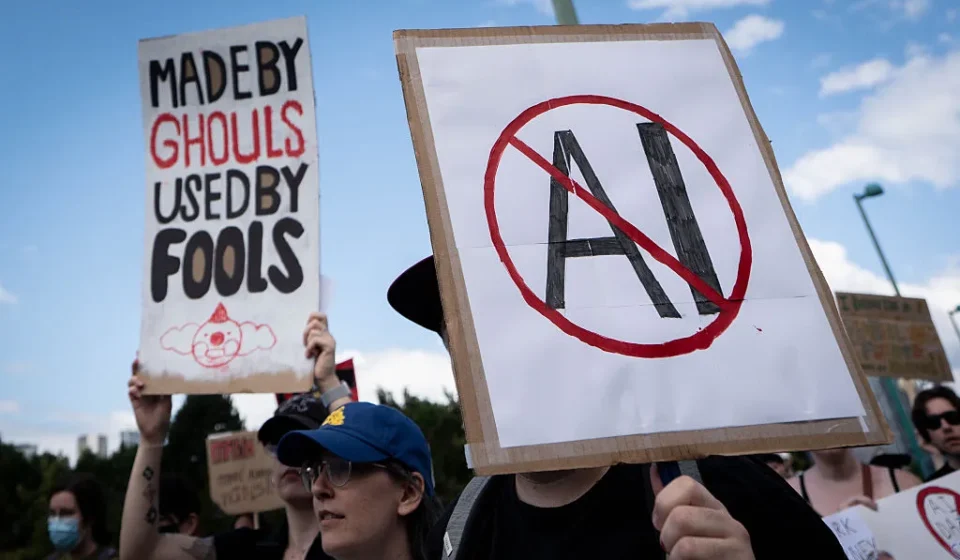
Perhaps the most striking element of OpenAI’s new communication strategy is the attempt to reframe the public perception of data centers. Currently, these facilities are viewed by many communities as energy-hungry, noisy, and visually intrusive obstacles that offer little benefit to the local populace. The backlash has been significant, with protests erupting in places as disparate as British Columbia and Manitoba, Canada, and across the American Midwest.
Lehane’s proposed solution is a linguistic and conceptual pivot: moving away from the term "data center" toward the more aspirational "AI compute campus." The strategy aims to reframe these massive, energy-intensive facilities not as industrial eyesores, but as hubs of innovation, regional investment, and technological sovereignty.
This branding effort follows a period of intense pressure on major cloud providers. Microsoft and Amazon, for instance, were recently forced to abandon the use of non-disclosure agreements (NDAs) in their negotiations with local governments after public outcry over a lack of transparency. Lehane has publicly described this friction as "good and healthy," noting that communities are right to demand accountability. However, the rebranding suggests that the industry is looking to move the conversation from "concessions" to "collaboration."
Chronology of the AI Infrastructure Backlash
The tension between tech giants and local communities did not manifest overnight. The following timeline illustrates the escalation of these concerns:
- Mid-2025: Initial reports of strain on regional power grids due to the rapid deployment of GPU clusters begin to surface in the Pacific Northwest and the American Southwest.
- Early 2026: Environmental advocacy groups begin filing lawsuits against municipalities, challenging the zoning and water usage permits granted to large-scale AI server farms.
- June 2026: Protests in Vancouver, British Columbia, gain international attention, with activists framing the construction of AI facilities as an issue of local autonomy versus corporate encroachment.
- September 2026: Anthropic’s leadership publishes a framework for "pacing the frontier," signaling that even within the AI industry, there is an acknowledgment that the current pace of development requires structural guardrails.
- October 2026: Amazon and Microsoft bow to public pressure, announcing a cessation of NDAs in site-selection negotiations to foster greater transparency with local stakeholders.
- November 2026: OpenAI announces its post-midterm strategy, aiming to harmonize federal policy with local community needs.
The Technical and Political "Speed Limits"
Beyond rebranding, OpenAI is actively engaging with policymakers on the concept of "AI speed limits." This proposal—which echoes the broader conversation about responsible AI development—seeks to establish clear, predictable boundaries for model training and deployment.
The argument for speed limits is twofold. First, it addresses safety concerns, suggesting that by slowing the rate of development, the industry can better anticipate and mitigate risks, including bias, misinformation, and catastrophic failure modes. Second, it serves as a defensive political maneuver. By proposing its own regulatory framework, OpenAI aims to preempt more restrictive, top-down legislation that could potentially stifle the innovation that drives the company’s valuation.

Economic Implications and the Global Standards Race
The push for global standards is arguably the most significant aspect of the industry’s legislative agenda. As the U.S. looks to maintain its competitive edge against international rivals, OpenAI is lobbying for a cohesive federal approach that would allow the U.S. to dictate the technical and ethical standards that will define the next decade of compute.
This strategy is inextricably linked to the "AI compute campus" concept. If the U.S. can standardize the infrastructure requirements and security protocols for these facilities, it creates a moat that makes the American AI ecosystem more stable, investable, and secure. However, this raises critical questions about equity: Will these "campuses" truly bring "transformative benefits" to rural or underserved communities, or will they simply drain local water and power resources for the benefit of distant urban technology hubs?
Official Responses and Stakeholder Skepticism
While OpenAI and its peers emphasize the "transformative benefits" of these projects, community organizers remain skeptical. The primary contention is that "rebranding" does not address the physical reality of the infrastructure.
"You can call it a campus, a garden, or a center of excellence, but if it requires a dedicated power plant and depletes the local water table, the community will still oppose it," said an analyst familiar with municipal zoning disputes.
The industry’s response has been to highlight the potential for secondary economic benefits—such as local high-speed fiber connectivity, tax revenue for schools, and the creation of specialized training programs. Lehane’s assertion that communities should hold companies accountable is a major shift from the "build first, ask later" approach that defined the industry’s early years.
Looking Ahead: The 2028 Presidential Election
As Lehane noted, the current legislative environment is a precursor to 2028. By the time the next presidential election cycle begins, AI will likely be the dominant factor in every major policy debate, from labor rights and the future of education to national security and global trade.
The industry’s current PR blitz is an attempt to define the narrative before the electorate does. By framing AI infrastructure as a national necessity—and by rebranding its most controversial aspects—companies like OpenAI are betting that they can convince the public that the "AI compute campus" is as vital to the 21st century as the railroad or the highway system was to the 19th and 20th.
Conclusion: A Delicate Balance
The coming months will be a test of whether a "PR blitz" can actually bridge the gap between the high-level ambitions of Silicon Valley and the grounded concerns of the public. The success of the "AI compute campus" branding will depend not on the marketing, but on whether these companies can deliver on the promise of "transformative benefits."
If the industry continues to prioritize rapid, unchecked growth at the expense of local resources, no amount of rebranding will prevent further backlash. Conversely, if companies can successfully integrate their infrastructure into the local social fabric—through transparent negotiation, sustainable resource management, and genuine community investment—they may find the political path forward much smoother.
As the political dust settles after the midterm elections, all eyes will be on Washington. The decisions made in the next two years regarding AI infrastructure, regulatory guardrails, and international standards will set the trajectory for the United States’ role in the global AI hierarchy for generations to come. The "movie trailer" has begun; the main feature, for better or worse, is only just beginning.