

















































The allure of the rails has never faded. While air travel prioritizes speed and efficiency, the resurgence of luxury rail travel in the United States offers a return to a more deliberate, elegant, and sensory-focused mode of transportation. Today, travelers are increasingly trading the cramped aisles of commercial aircraft for the sprawling, panoramic vistas of glass-domed observation cars, fine dining, and the rhythmic cadence of tracks winding through America’s most breathtaking landscapes.
Main Facts: Redefining American Rail
Modern luxury rail in the U.S. does not necessarily mean cross-country sleeper journeys. Instead, it is defined by "experiential rail"—shorter, curated voyages that emphasize destination, gastronomy, and comfort.
The primary components of the contemporary American luxury rail experience include:
- Panoramic Sightseeing: The utilization of glass-dome cars, which offer 360-degree views of terrain often inaccessible by road.
- Gastronomic Excellence: Many operators now employ executive chefs to provide multi-course, regional, and seasonal menus served with curated wine pairings.
- Tiered Service: Luxury trains typically offer tiered classes, such as "SilverLeaf" or "First Class," providing passengers with dedicated lounge access, premium beverages, and personal attendants.
- Heritage Preservation: Many of the most prestigious routes utilize meticulously restored 20th-century vintage rail cars, offering a tactile connection to the golden age of American travel.
Regional Chronology and Notable Routes
Colorado and the Southwest
Often cited as the pinnacle of American luxury rail, the Rocky Mountaineer’s "Rockies to the Red Rocks" route bridges the gap between urban Denver and the rugged majesty of Moab, Utah. This two-day journey is designed for comfort, featuring oversized glass-dome windows and seat-side service. Passengers traveling in "SilverLeaf Plus" enjoy access to an exclusive lounge car and elevated dining. Because the train does not operate as a sleeper, guests disembark in Glenwood Springs, Colorado, to spend the night in premium local accommodations, ensuring a refreshed start to the second leg of the journey.
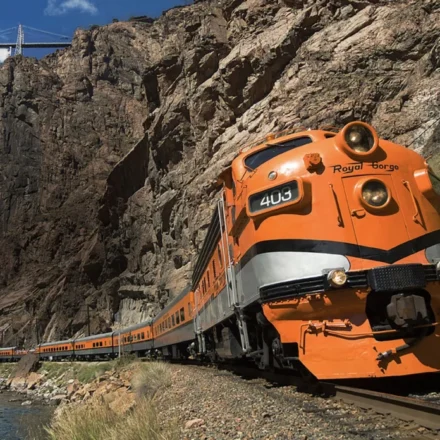
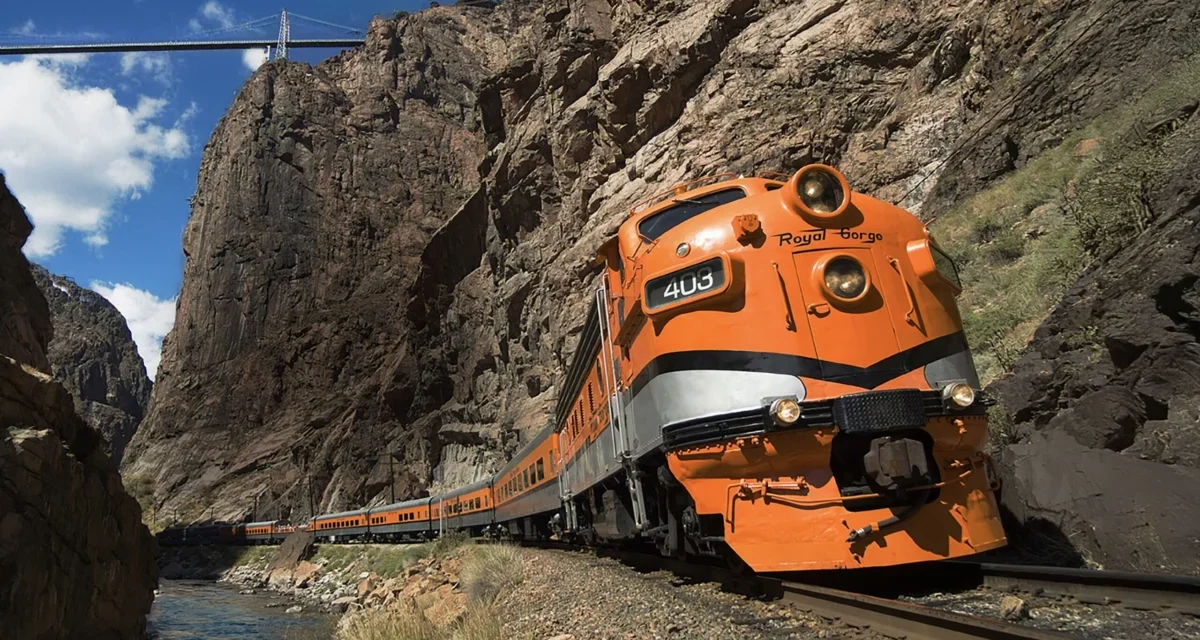
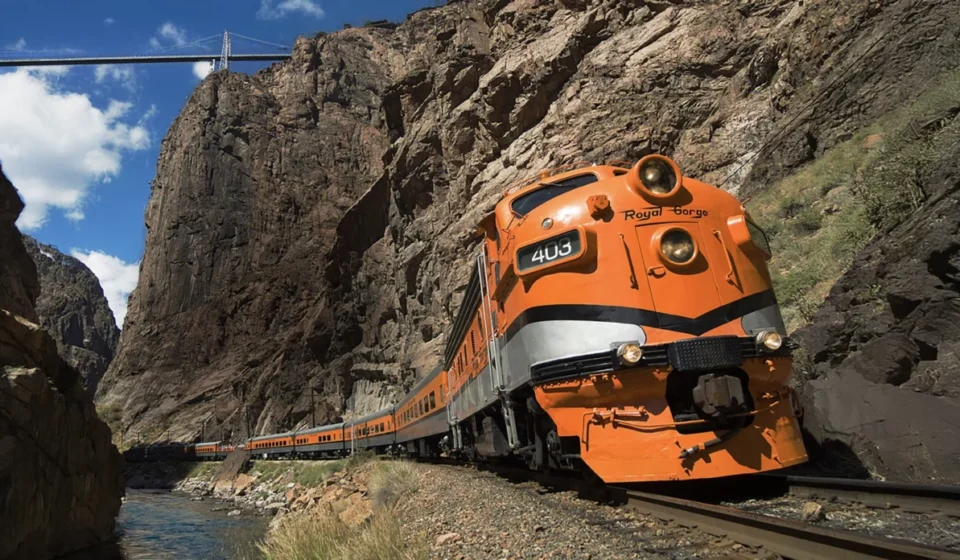
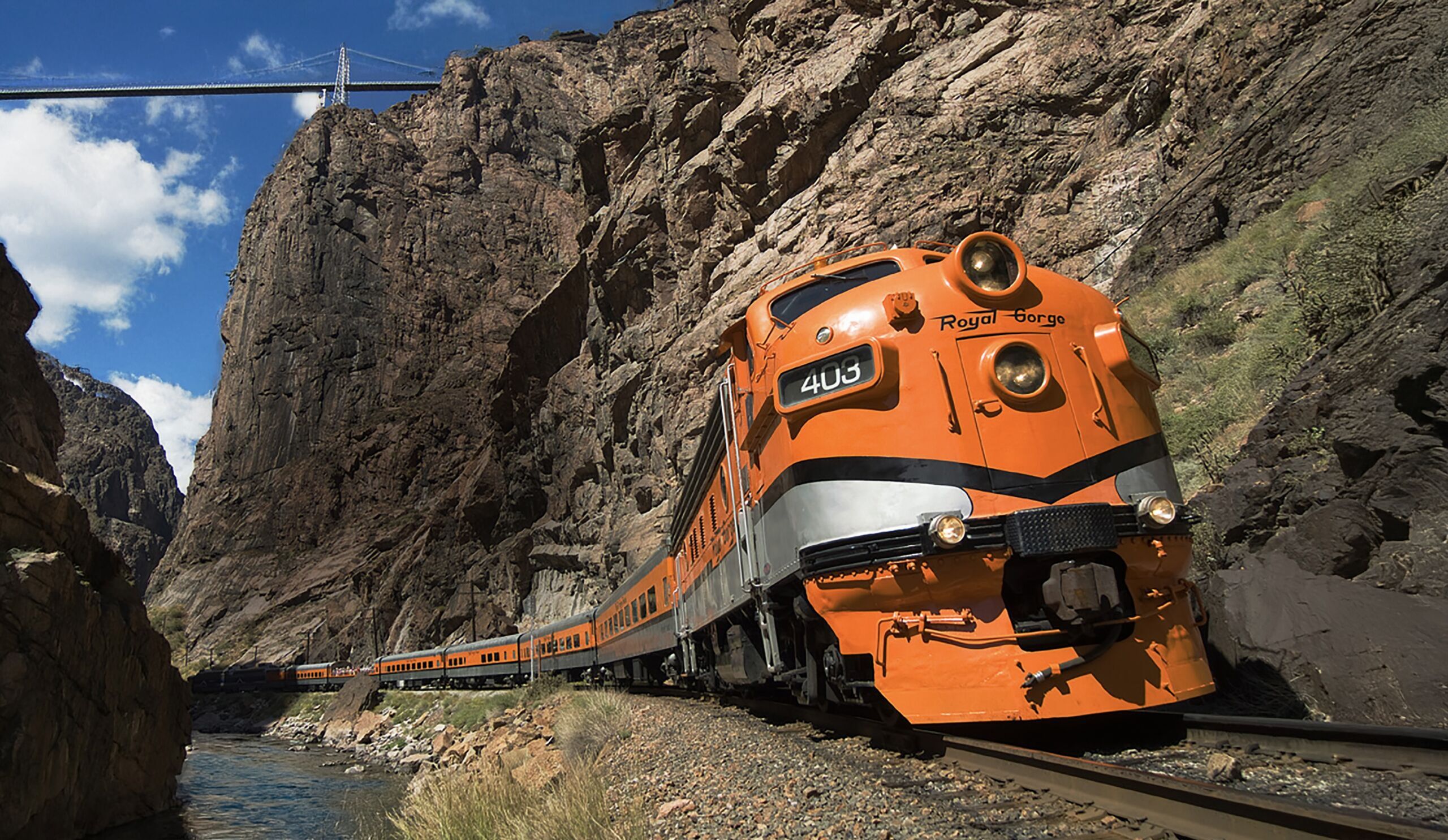
In southern Colorado, the Royal Gorge Route Railroad offers a daily excursion along the Arkansas River. The standout experience is the First Class Dinner Train, which travels through the 1,200-foot-deep Royal Gorge while guests enjoy a three-course meal and champagne. Further south, the Cumbres and Toltec Scenic Railroad offers a historic, steam-powered journey. The adult-only Parlor Car serves as the height of luxury here, providing passengers with snacks, beverages, and the best vantage points for the high-mountain scenery between Chama, New Mexico, and Antonito, Colorado.

New England’s Culinary Rails
New England leans heavily into the "dinner train" concept. The Cape Cod Central Railroad operates the Cape Cod Dinner Train, a three-hour journey through the peninsula’s charming towns, featuring a four-course candlelight dinner. For those seeking a strictly adult experience, the "Gourmet Wine Tasting Train" in Platinum Class offers a sophisticated alternative. Similarly, the Green Mountain Railroad in Vermont hosts "Cocktails on the Rails," an intimate, 18-passenger experience in a 1930s rail car, alongside the Champlain Valley Dinner Train, which traverses the lush Vermont landscape between Burlington and Middlebury.
Mid-Atlantic Elegance
The Virginia Scenic Railway has recently elevated its offering with the introduction of the "Shenandoah," a 1948 Budd Company dome car formerly owned by country music legend Merle Haggard. This addition has modernized the rail experience in the Blue Ridge Mountains, providing travelers with a luxurious, glass-enclosed environment to view the Shenandoah Valley.
National Park Access
Rail travel remains the most poetic way to approach America’s National Parks. Amtrak’s Empire Builder provides a unique link to Glacier National Park, stopping at East Glacier Park station. By booking a "Bedroom Suite," passengers can transform a standard Amtrak trip into a luxury experience, featuring dedicated first-class attendants, priority boarding, and private bathroom facilities. In Arizona, the Grand Canyon Railway runs daily to the South Rim. The "Luxury Dome Class" and "Luxury Parlor Class" represent the finest ways to travel, providing two-story viewing experiences and premium bar access. Finally, the Mount Rainier Scenic Railroad continues to draw crowds with its steam-powered heritage coaches, offering a window into the Pacific Northwest’s logging history.
The Pacific and Alaska
California’s Napa Valley Wine Train is synonymous with formal luxury. The "Legacy Experience" is perhaps the most comprehensive, combining a six-hour excursion with winery tours and multi-course meals served in vintage Pullman cars. In the north, the Alaska Railroad’s Denali Star and Coastal Classic offer "Goldstar Service." These routes are arguably the most visually spectacular in the country, with glass-dome cars allowing passengers to witness the vast, untamed Alaskan wilderness while enjoying full-service dining and adult beverages.
Supporting Data: The Logistics of Luxury
For the prospective traveler, understanding the nuances of these services is essential for planning.
| Route | Primary Feature | Duration |
|---|---|---|
| Rocky Mountaineer | Glass-dome luxury | 2 Days |
| Royal Gorge | Deep-canyon dining | 2.5 Hours |
| Cape Cod Dinner | Candlelight 4-course | 3 Hours |
| Napa Valley Wine | Vineyard immersion | 6 Hours |
| Alaska Goldstar | Wilderness vistas | Varies |
It is worth noting that the "sleeper" question is frequently asked. While most luxury excursion trains are day-trippers, Amtrak remains the sole operator of long-distance, multi-night sleeper trains in the U.S. The California Zephyr stands as the longest daily route, spanning 2,438 miles between Chicago and the San Francisco Bay Area—a journey of over 50 hours that offers a true transcontinental experience.
Official Perspectives and Operational Insights
Operators emphasize that the "luxury" element is as much about the service culture as the hardware. Train managers highlight that the shift toward "all-inclusive" pricing models—where dining, gratuities, and premium beverages are folded into the ticket cost—has been a major factor in customer satisfaction.
Furthermore, the industry has seen a move toward "slow travel." As noted by rail tourism experts, the modern traveler is increasingly concerned with the environmental footprint of their journey. Train travel, being significantly more carbon-efficient than short-haul aviation, is being marketed not just as a luxury indulgence, but as an ethical choice for the conscious traveler.
Implications for the Future of Rail
The resurgence of these luxury lines has profound implications for regional tourism. Towns like Moab, Glenwood Springs, and Williams have seen significant economic revitalization due to their status as rail hubs. The success of these routes suggests that the American public is ready to move beyond the "commuter" mindset of rail travel.
As we look toward 2026 and beyond, the trend is expected to continue with more heritage rail lines undergoing capital-intensive restoration projects. The goal is clear: to recapture the romance of the 1920s and 30s while integrating the modern expectations of connectivity, fine dining, and sustainable luxury. For the traveler, the choice is no longer just about getting from point A to point B—it is about the quality of the journey itself. Whether through the glass-domed ceilings of a Rockies train or the candlelit tables of a Cape Cod lounge car, the American landscape is being rediscovered, one mile at a time.