























































Decoding Feline Longevity: Landmark Study Unveils Life Expectancy Benchmarks, Breed Disparities, and Healthcare Strategies for Domestic Cats

Domestic cats have long enjoyed a reputation for resilience and self-sufficiency, with many companions surviving comfortably into their late teens or early twenties. However, precise empirical data regarding how long cats live—and how factors such as genetics, lifestyle, and clinical care influence that duration—has historically been fragmented.
A landmark veterinary study published in the Journal of Feline Medicine and Surgery has provided the most detailed life table analysis to date for companion cats. Analyzing thousands of veterinary records, researchers established updated baseline figures for feline life expectancy while highlighting major disparities between breeds, sexes, and lifestyle environments.
1. Main Facts: Demographics, Breeds, and Baseline Findings
The study, led by Dr. Kendy Teng and a team of researchers utilizing the Royal Veterinary College’s (RVC) VetCompass surveillance program, analyzed recorded deaths of 7,936 companion cats across veterinary practices in the United Kingdom. The resulting dataset offers a scientific baseline for feline mortality and survival probabilities across distinct life stages.
       +-------------------------------------------------------------+
       |             RVC VETCOMPASS STUDY AT A GLANCE                |
       +-------------------------------------------------------------+
       |  Sample Size          : 7,936 recorded feline deaths        |
       |  Overall Mean Lifespan: 11.74 years                         |
       |  Female Life Expectancy: 12.51 years                        |
       |  Male Life Expectancy  : 11.18 years                        |
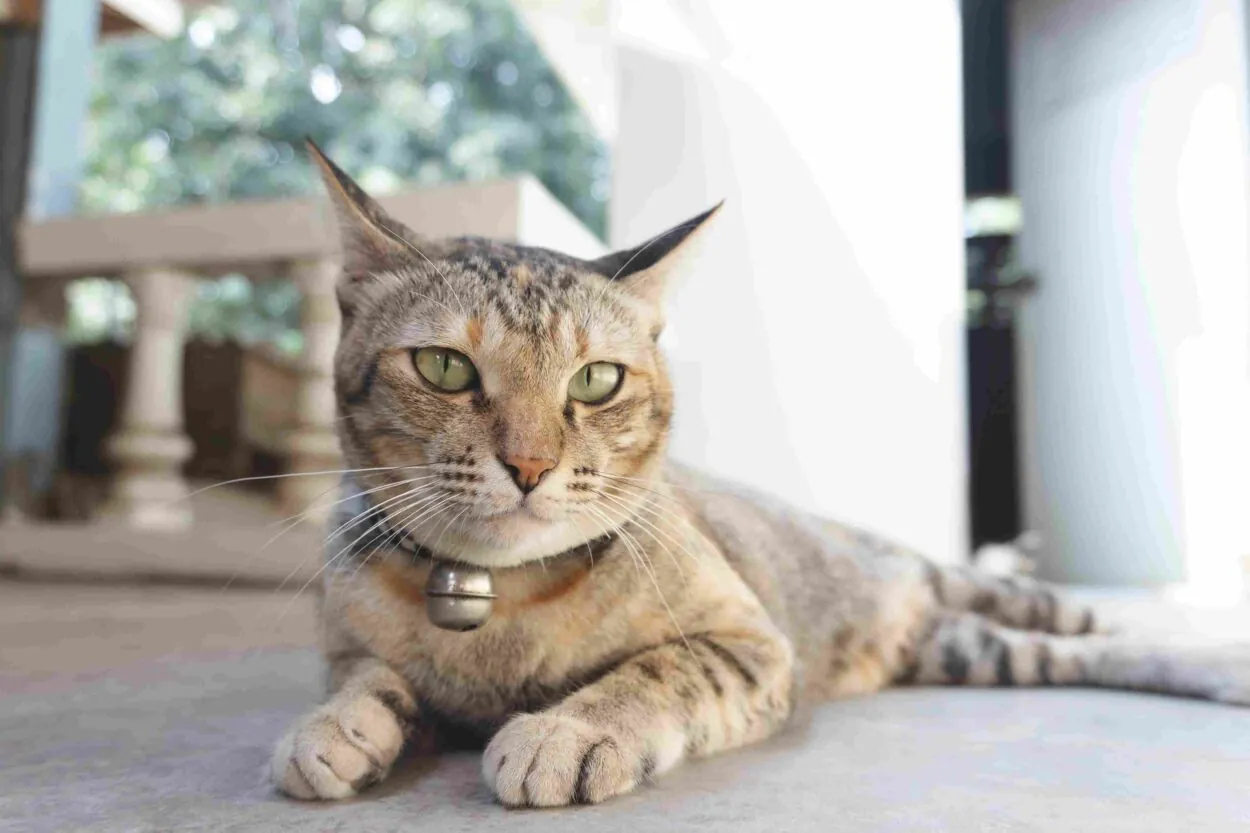
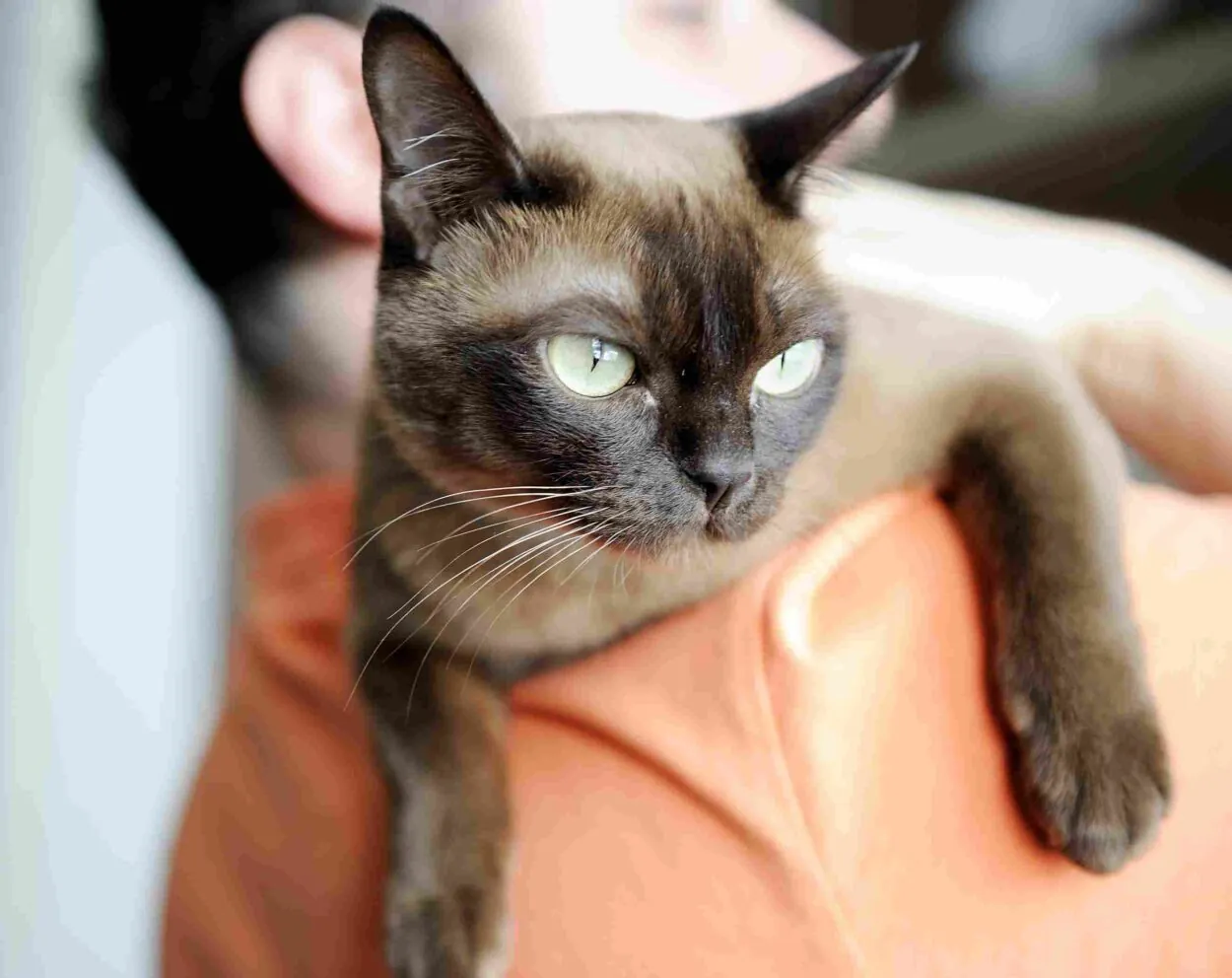
       |  Longest-Lived Breeds  : Burmese & Birman (14.4 years)       |
       |  Shortest-Lived Breed  : Sphynx (6.7 years; small sample)   |
       +-------------------------------------------------------------+
Key Analytical Takeaways:
- Overall Life Expectancy at Birth: The mean life expectancy for companion cats receiving veterinary care was calculated at 11.74 years.
- Sex Disparities: Female cats outlived males by an average of 1.33 years. The life expectancy at birth for females stood at 12.51 years, compared to 11.18 years for males. Neutered status was also associated with increased longevity.
- Breed Topography: Longevity varies significantly by genetic background. Purebred Burmese and Birman cats achieved the highest estimated lifespans at 14.4 years, whereas hairless Sphynx cats recorded the lowest average at 6.7 years.
- Crossbred Advantage: As a collective group, crossbred (mixed-breed) cats outlived purebred counterparts, recording an average life expectancy of 11.9 years.
- The "Survivor Effect" in Actuarial Data: The study emphasized that baseline life expectancy calculated at birth factors in early kitten mortality and trauma-related deaths in young cats. Consequently, a cat that successfully reaches 10 years of age possesses a significantly higher remaining life expectancy than its birth metric would initially suggest.
2. Chronology: The Evolution of Feline Life Expectancy and Study Timelines
Understanding modern feline longevity requires examining the historical transition of cats from outdoor pest control animals to indoor family members, alongside the development of specialized feline medicine.
  1967-2005             2019               2021                2024
    |--------------------|------------------|-------------------|
  Lifetime of         VetCompass         AAHA/AAFP           Teng et al.
  Creme Puff         Data Harvest       Life Stage         Study Published
  (38 yrs, 3 days)   (7,936 deaths)     Guidelines          (RVC / JFMS)
Historical Milestones in Feline Longevity:
- Mid-20th Century (Pre-1970s): Domestic cats were predominantly kept outdoors or as semi-feral working animals. Average lifespans hovered between 4 and 7 years due to untreated infectious diseases (such as Feline Leukemia Virus and Feline Panleukopenia), motor vehicle trauma, and inadequate nutrition.
- 1967–2005 (The Anomaly of Creme Puff): On August 3, 1967, a cat named Creme Puff was born in Austin, Texas. Passing away on August 6, 2005, at 38 years and 3 days, she was verified by Guinness World Records as the oldest recorded domestic cat in history. While an extreme statistical outlier, Creme Puff demonstrated the biological upper boundaries of feline longevity under continuous care.
- 1980s–2000s (The Indoor Transition and Specialized Clinical Medicine): Commercial pet food formulations improved substantially with the discovery of essential dietary requirements, such as taurine supplementation to prevent dilated cardiomyopathy. Concurrently, public health campaigns encouraged indoor housing, spaying/neutering, and routine vaccinations, raising average indoor cat lifespans into the double digits.
- 2019 (The RVC Data Collection Window): Researchers harvested clinical data from thousands of participating primary-care veterinary clinics across the UK, capturing 7,936 feline deaths occurring within that single calendar year to construct updated actuarial life tables.
- 2021 (Updating Feline Life Stage Guidelines): The American Association of Feline Practitioners (AAFP) and the American Animal Hospital Association (AAHA) updated their joint Feline Life Stage Guidelines, replacing outdated classifications and formalizing veterinary protocols for aging cats.
- 2024 (Publication of the VetCompass Life Tables): Dr. Kendy Teng and colleagues published their definitive paper in the Journal of Feline Medicine and Surgery, offering the veterinary sector its first comprehensive, breed-stratified life tables derived from primary veterinary care data.
3. Supporting Data: Comprehensive Breakdown of Lifespan Metrics
The research highlights stark contrasts in life expectancy across different breeds, genetic profiles, and physiological stages.
Breed-Specific Life Expectancy at Birth
The data below summarizes the estimated average lifespan for distinct breeds analyzed in the 2024 VetCompass study.
| Cat Breed | Estimated Life Expectancy (Years) | Key Health Considerations / Traits |
|---|---|---|
| Burmese | 14.4 | Highly active; prone to feline diabetes mellitus and hypokalemia. |
| Birman | 14.4 | Calm temperament; susceptible to chronic kidney disease and broad feline lower urinary tract issues. |
| Mixed Breed (Crossbred) | 11.9 | Benefit from hybrid vigor; lower incidence of recessive single-gene disorders. |
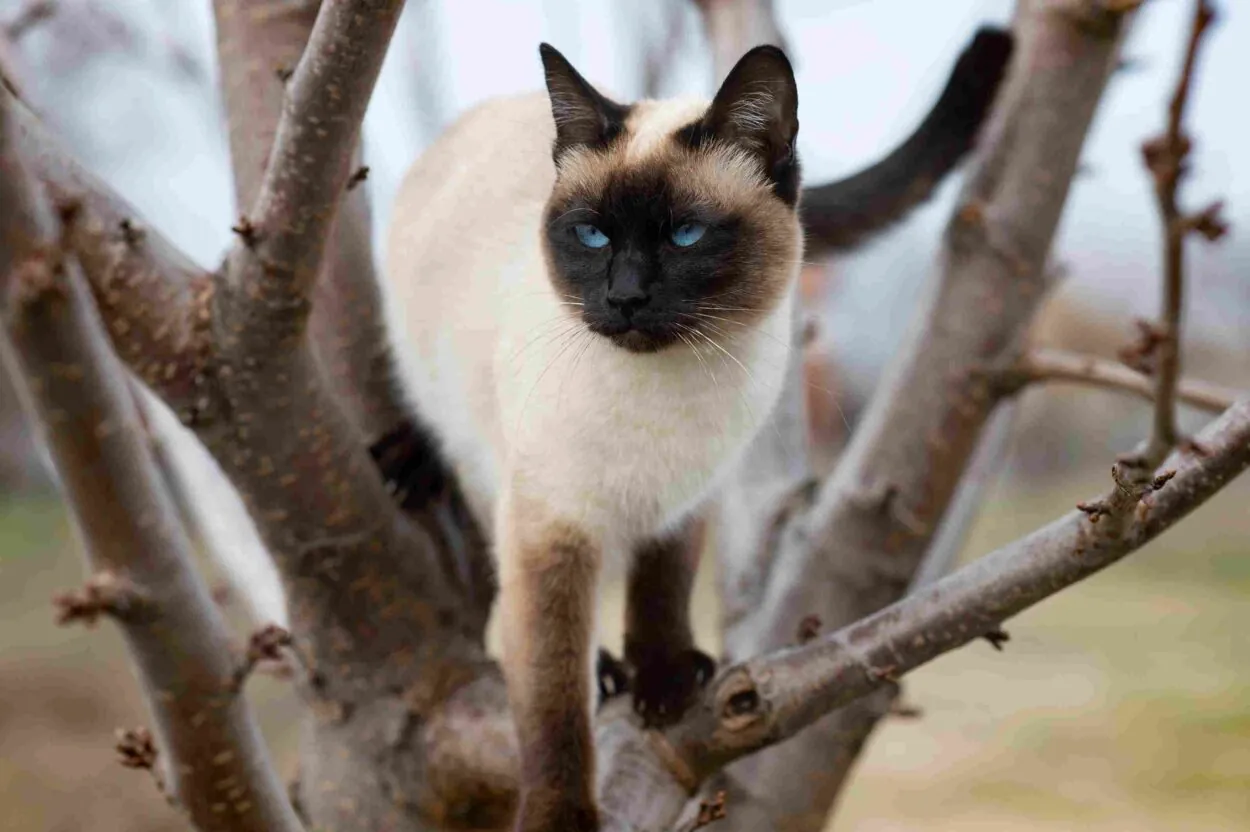
| Siamese | 11.7 | Vocal/social; susceptible to mediastinal lymphoma, systemic amyloidosis, and dental disease. |
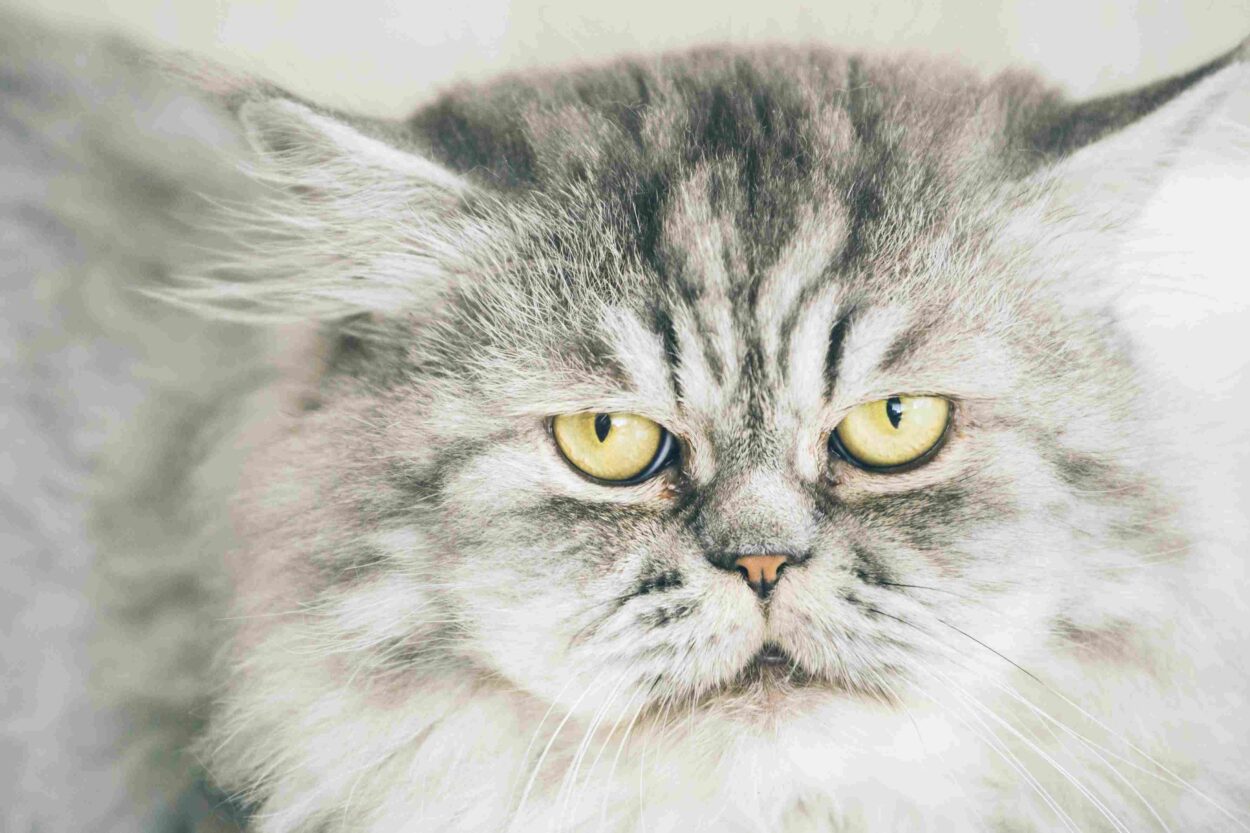
| Persian | 10.9 | High risk of Polycystic Kidney Disease (PKD) and Brachycephalic Obstructive Airway Syndrome (BOAS). |
| Ragdoll | 10.3 | Large-frame breed; genetic predisposition to Hypertrophic Cardiomyopathy (HCM). |
| Norwegian Forest Cat | 10.0 | Susceptible to Glycogen Storage Disease Type IV and hip dysplasia. |
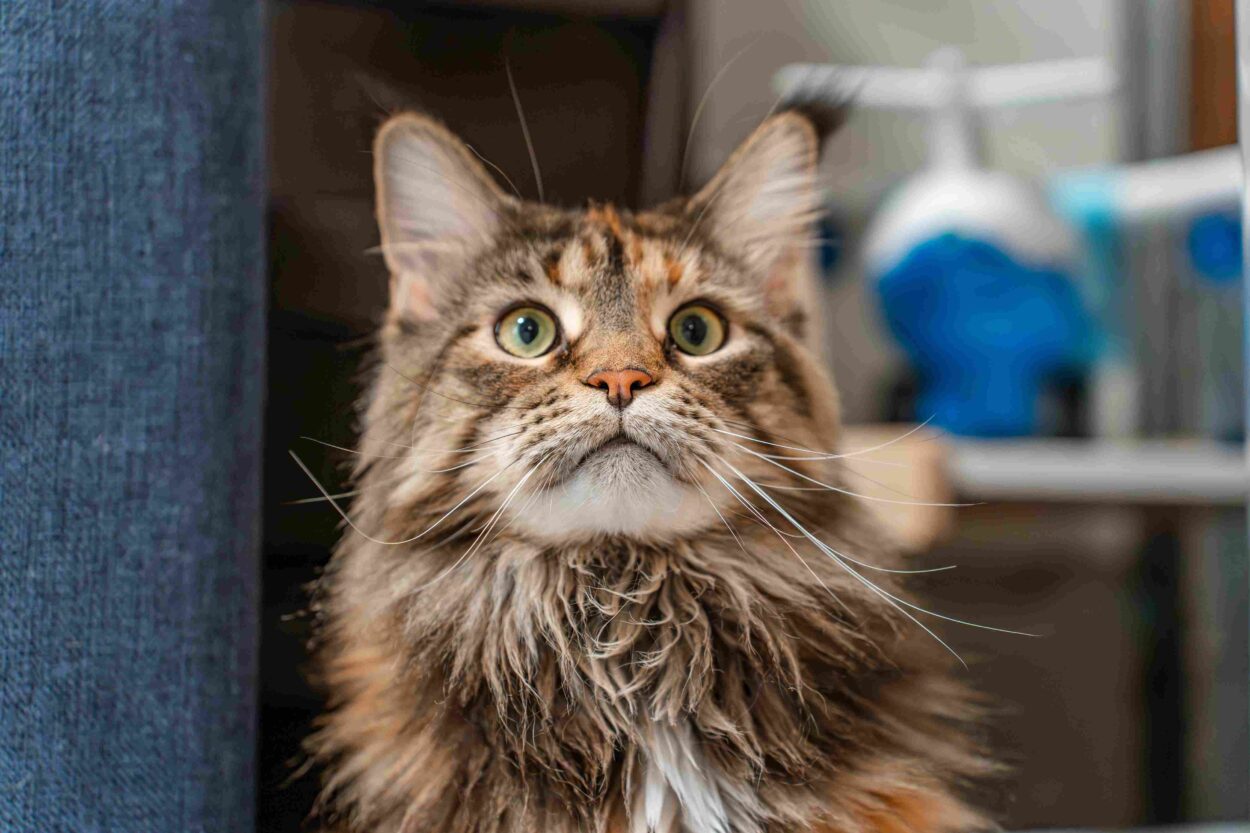
| Maine Coon | 9.7 | Subject to Hypertrophic Cardiomyopathy (HCM), spinal muscular atrophy, and hip dysplasia. |
| Russian Blue & Related | 9.7 | Predisposed to endocrine issues such as hyperthyroidism and obesity. |
| British Shorthair | 9.6 | Prone to obesity, blood-type mismatches, and hypertrophic cardiomyopathy. |
| Bengal | 8.5 | Hybrid breed derivative; prone to progressive retinal atrophy and erythrocyte pyruvate kinase deficiency. |
| Sphynx | 6.7 | Extreme sensitivity to cold, cutaneous skin conditions, and high incidence of HCM (Note: small study sample size, n=18). |
Data Source: Teng et al., 2024, VetCompass UK / Journal of Feline Medicine and Surgery.
                       AVERAGE LIFESPAN BY BREED (YEARS)
  Burmese/Birman  |=========================================== 14.4
  Mixed Breed     |=================================== 11.9
  Siamese         |================================== 11.7
  Persian         |============================== 10.9
  Ragdoll         |============================= 10.3
  Maine Coon      |=========================== 9.7
  Sphynx          |=================== 6.7 (n=18)
                  +---+---+---+---+---+---+---+---+---+---+---+
                  0   2   4   6   8   10  12  14  16
Standard Feline Life Stage Classifications
To standardise veterinary care through aging, the AAHA and AAFP define four distinct feline life stages:
+-------------------------------------------------------------------------+
|                        AAHA/AAFP LIFE STAGES                            |
+-------------------------------------------------------------------------+
|  KITTEN          : Birth to 1 Year                                      |
|                    Rapid growth, sexual maturation, primary vaccination.|
|                                                                         |
|  YOUNG ADULT     : 1 Year to 6 Years                                    |
|                    Physical peak; establishment of behavioral baselines.|
|                                                                         |
|  MATURE ADULT    : 7 Years to 10 Years                                  |
|                    Metabolic slowing; subtle onset of middle-age issues. |
|                                                                         |
|  SENIOR          : > 10 Years                                           |
|                    Increased vulnerability to chronic renal, thyroid,    |
|                    and oncological conditions.                          |
+-------------------------------------------------------------------------+
Indoor vs. Outdoor Lifestyle Risks
Empirical data consistently shows that environmental management impacts longevity. While absolute cross-population metrics vary, environmental exposure directly alters mortality risk profiles.
                          RISK PROFILE COMPARISON

        INDOOR LIFESTYLE                     OUTDOOR LIFESTYLE
   +------------------------+           +------------------------+
   | • Obesity / Lethargy   |           | • Vehicle Trauma       |
   | • Lack of Stimulation  |           | • Feline Leukemia/FIV  |
   | • Stress-Related FLUTD |           | • Animal Predation     |
   | • Dental Neglect Risk  |           | • Toxins & Parasites   |
   +------------------------+           +------------------------+
4. Official Responses and Expert Perspectives
The release of the 2024 VetCompass life tables prompted key insights from leading veterinary institutions and animal welfare organizations regarding interpretation and patient care.
Primary Researchers on Sample Limitations
Addressing the public surprise over lower life expectancies in certain purebred groups—most notably the Sphynx at 6.7 years—the study’s authors advised cautious statistical interpretation.
Dr. Kendy Teng noted that smaller sample sizes within specific breed cohorts (e.g., 18 recorded deaths for Sphynx, 38 for Birmans, and 45 for Burmese) introduce wider confidence intervals. The metrics represent baseline population averages within veterinary practices, not fixed limits for individual animals.
Veterinary Associations on Life-Stage Healthcare
The American Association of Feline Practitioners (AAFP) and the American Animal Hospital Association (AAHA) issued updated guidelines emphasizing that cats enter their senior phase at age 10.
Expert clinical consensus dictates shifting from annual check-ups to semi-annual (twice-yearly) veterinary examinations once a cat turns 10. Because felines reflexively mask clinical signs of pain and illness, routine diagnostic screenings—including serum chemistry panels, urinalysis, blood pressure monitoring, and thyroid evaluations—are critical to detecting chronic kidney disease (CKD), systemic hypertension, and hyperthyroidism early.
       VETERINARY VISITS FREQUENCY

       Age 0 - 9 Years :  [ 1 Visit / Year  ]  Routine Wellness & Vaccines
       Age 10+ Years   :  [ 2 Visits / Year ]  Senior Diagnostics & Screening
Animal Welfare Organizations on Extreme Breeding Traits
Welfare organizations, including the Universities Federation for Animal Welfare (UFAW), highlighted the correlation between short lifespans and hyper-selection for extreme physical traits.
Commentators pointed to brachycephalic (flat-faced) breeds like extreme Persians, which suffer higher rates of respiratory distress and tear-duct overflow, as well as breeds predisposed to structural heart disease, such as Maine Coons, Ragdolls, and Sphynx cats affected by Hypertrophic Cardiomyopathy (HCM).
Specialized veterinary cardiology departments, including the Cardiology Service at the Cornell University College of Veterinary Medicine, recommend that prospective owners of susceptible breeds confirm that parent cats have undergone screening via echocardiography or genetic tests for known HCM mutations prior to breeding.
5. Implications: What These Findings Mean for Pet Owners, Breeders, and Veterinary Medicine
The 2024 data shifts the focus of feline healthcare from static lifespan numbers to proactive "healthspan" management—maximizing the period of life spent free from chronic pain or debilitating disease.
Implications for Pet Owners: Proactive Health Management
Owner intervention remains the single largest non-genetic factor determining a cat’s overall longevity.
                        KEY LONGEVITY DRIVERS
  +-------------------------------------------------------------------+
  |  1. Body Condition Score Management (BCS 4-5/9 ideal target)      |
  |  2. Twice-Yearly Diagnostics for Senior Cats (>10 years)          |
  |  3. Daily Environmental Enrichment & Hydration Monitoring         |
  |  4. Immediate Investigation of Elimination & Behavioral Changes   |
  +-------------------------------------------------------------------+
1. Weight and Body Condition Score (BCS)
Obesity severely compromises feline longevity, predisposing cats to Type 2 diabetes mellitus, hepatic lipidosis, and accelerated osteoarthritis. Conversely, sudden, unexplained weight loss in senior cats is frequently the first indicator of hyperthyroidism, gastrointestinal lymphoma, or chronic renal insufficiency. Owners should maintain a target Body Condition Score of 4 to 5 on a 9-point scale, where ribs are easily palpable without excess fat coverage and a clear waistline is visible from above.
2. Environmental Enrichment for Indoor Felines
While indoor environments shield cats from external hazards, sedentary indoor life can promote stress, boredom, and obesity. To maintain psychological and physical health, indoor cats require vertical climbing spaces, interactive play sessions that simulate hunting behavior, and puzzle feeders. For owners seeking to provide outdoor exposure safely, enclosed outdoor spaces ("catios") or harness-trained walking offer controlled stimulation.
3. Monitoring Bathroom Habits as Early Health Indicators
Feline urinary tract health serves as a critical indicator of overall physiological wellness. Changes in litter box habits—such as increased urination volume (polyuria), excessive thirst (polydipsia), straining, or elimination outside the box—warrant immediate diagnostic evaluation. Straining to urinate with little to no urine output, particularly in male cats, constitutes a life-threatening medical emergency caused by urethral obstruction.
4. Managing Senior Stress and Pain
As cats age, conditions like osteoarthritis become widespread, yet they are rarely accompanied by overt limping. Instead, cats manifest joint pain through subtle behavioral changes, such as hesitating before jumping, declining to use stairs, altered grooming habits leading to coat matting, or uncharacteristic vocalization and irritability. Recognizing these signs allows veterinarians to administer targeted pain management therapies, significantly improving quality of life in advanced age.
            SUBTLE SIGNS OF PAIN / AGING IN SENIOR CATS
  +-----------------------------------------------------------------+
  |  [!] Hesitation to jump up or down                              |
  |  [!] Reduced grooming leading to matted fur                     |
  |  [!] Increased vocalization, particularly at night              |
  |  [!] Overgrown claws due to decreased scratching activity       |
  |  [!] Uncharacteristic irritability or isolation behavior        |
  +-----------------------------------------------------------------+
Implications for Breeders and Veterinary Practice
For the professional breeding community, the VetCompass data reinforces the necessity of prioritizing health traits and genetic diversity over extreme physical features. Responsible breeding programs incorporate comprehensive genetic testing, routine cardiac screening, and careful monitoring of blood lines to eliminate inherited conditions that depress life expectancy.
Within veterinary practice, the study highlights the value of actuarial life tables for clinical decision-making. Rather than evaluating an older cat’s prognosis against its lifespan baseline at birth, clinicians can reference remaining life expectancy tables based on the animal’s current age.
This statistical distinction helps veterinarians and owners make informed, compassionate care decisions focused on preserving health, comfort, and quality of life into a cat’s senior years.