




































Minnesota’s Green Horizon: Navigating the Complex Transition to a Non-Tribal Cannabis Market

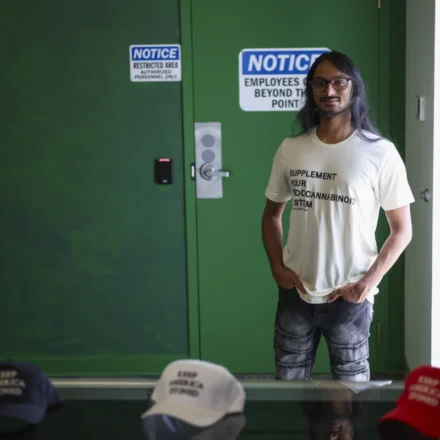
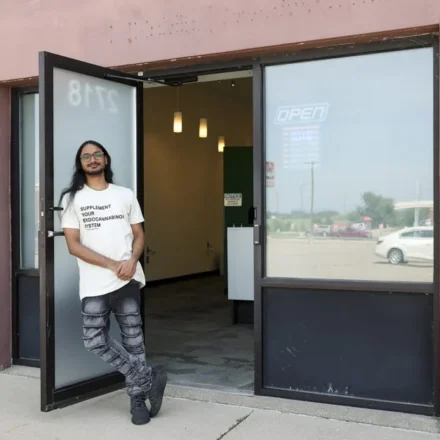
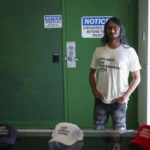
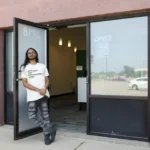
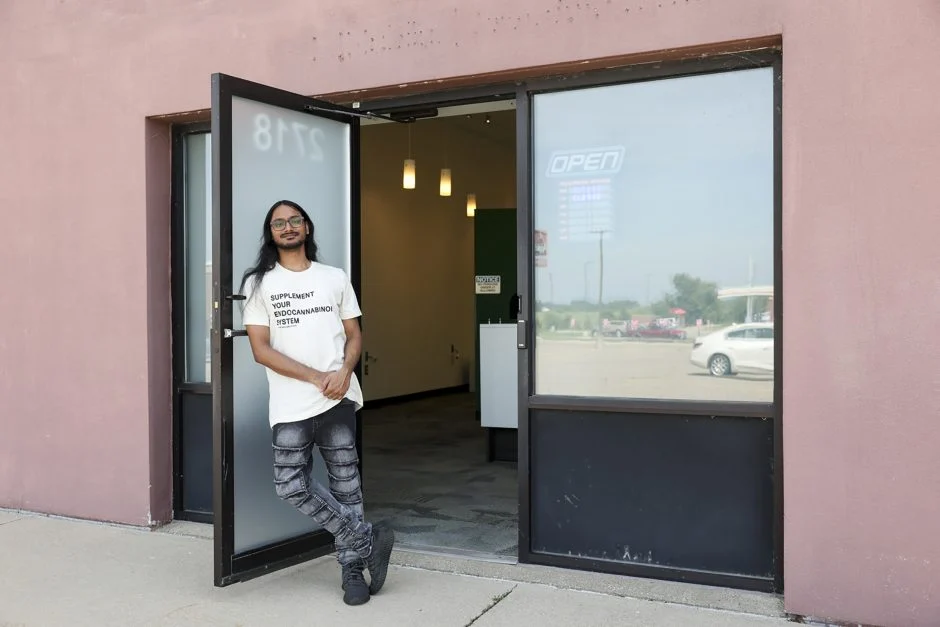
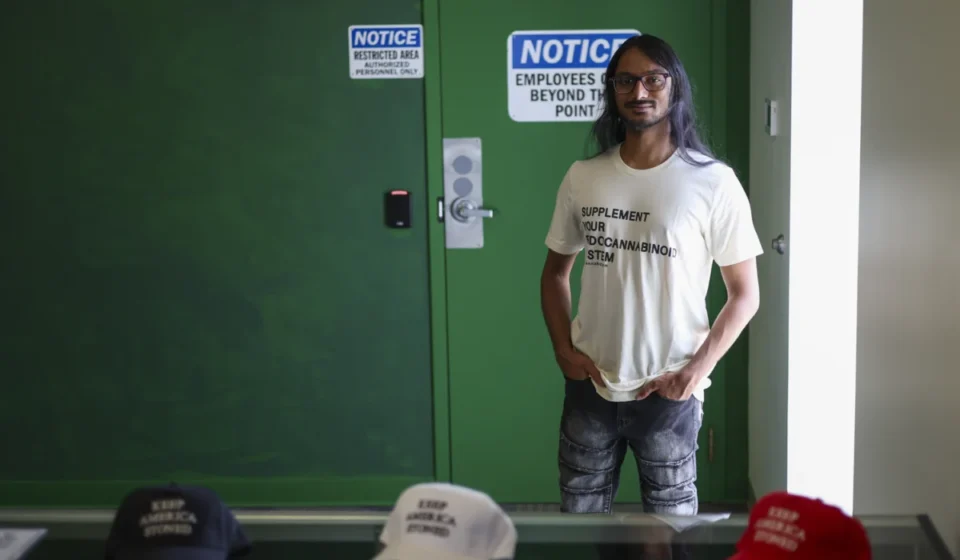
MINNEAPOLIS — At the bustling intersection of West 25th Street and South Lyndale Avenue, the Loon Smoke Shop has long served as a neighborhood fixture. It is a place where the air is often thick with the scent of tobacco and vape clouds, and where "amiable loiterers" gather late into the night. However, this familiar scene is on the cusp of a historic transformation. A few blocks south, the shop’s new dispensary is entering the final stages of the state’s rigorous cannabis licensing process. The windows now bear signs seeking staff "passionate" about the burgeoning marijuana industry—budtenders, lead budtenders, and store managers ready to usher in a new era of retail in the Twin Cities.
This localized expansion is a microcosm of a much larger, state-wide shift. After years of legislative debate, administrative hurdles, and a retail landscape dominated exclusively by tribal nations, Minnesota is finally opening the doors to non-tribal cannabis entrepreneurs.
I. Main Facts: The First Five and the Road to 150
For nearly a year, the only place a Minnesotan could legally purchase recreational marijuana was on tribal land. That monopoly is ending. The Minnesota Office of Cannabis Management (OCM) recently announced a milestone: final approval has been granted to five non-tribal entities to begin operations, marking the first time the state’s regulatory framework has successfully shepherded private businesses through to the finish line.
The Pioneers of the Private Market
The OCM’s recent approvals cover both the cultivation and retail sectors, signaling the start of a fully integrated supply chain:
- Herb-Quest (Pine County): Granted approval in June to operate a large-scale cultivation center.
- Roots and Resin Farm (Chisago County): Operated by Concentrate Labs, this cultivation site received its green light in July.
- The Smoking Tree (Albert Lea): A retail dispensary poised to become a southern Minnesota hub.
- Loon Lab Extracts and Research (Isanti): A retail-focused entity (distinct from the Lyndale Avenue Loon Dispensary).
- Fairwater Farm (Plainview): A retail outlet serving the southeastern corridor of the state.
While five licenses may seem like a modest start for a state of 5.7 million people, Eric Taubel, the interim director of the OCM, suggests the floodgates are about to open. According to Taubel, the state is on track to see up to 150 marijuana businesses—not owned by tribal nations—operational by the end of 2024. This projection represents a significant acceleration of a process that many critics feared had stalled indefinitely.
II. Chronology: From Legislation to Implementation Struggles
The path to legal weed in Minnesota has been anything but linear. To understand the current momentum, one must look back at the legislative and administrative "bottlenecks" that defined 2023 and early 2024.
- May 2023: Governor Tim Walz signs the landmark legislation legalizing recreational cannabis. The law sets an ambitious target: a fully functional retail market by early 2025.
- August 2023: The Red Lake Nation makes history by opening the state’s first recreational dispensary, leveraging tribal sovereignty to bypass the state’s nascent regulatory system.
- Late 2023: The OCM faces its first major crisis. The initial appointment for the director position, Erin DuPree, ends in a high-profile resignation following reports of her business selling products that exceeded state THC limits.
- January 2024: Leadership transitions continue as Charlene Briner is replaced by Eric Taubel in an interim capacity. The Office of the Legislative Auditor begins a review of the botched hiring process.
- May 2024: The state finalizes its first regulatory compact with the White Earth Nation, allowing the tribe to operate dispensaries off-reservation in cities like St. Cloud and Moorhead.
- June 2024: The first social equity lottery is held, awarding 249 "pre-approval" slots to applicants from marginalized backgrounds.
- July 2024: A second lottery is conducted for 569 applicants, resulting in 75 winners. Simultaneously, the first five non-tribal licenses receive final state approval.
Governor Walz, reflecting on the session of 2023, recently admitted that of all the "myriad laws" passed by the DFL-controlled Legislature, legalizing marijuana has been the most difficult to implement. "There really was not a model of how to do it," Walz stated, noting that Minnesota chose a path distinct from its predecessors.
III. Supporting Data: Lotteries, Equity, and the "Checkerboard" of Regulation
The Minnesota model is built on two pillars: social equity and local control. This has created a complex data set for prospective owners to navigate.
The Social Equity Component
Unlike states that allowed existing medical marijuana "giants" to dominate the recreational market, Minnesota prioritized "Social Equity Applicants." To qualify, individuals had to meet specific criteria:
- Veteran status.
- Previous cannabis-related convictions (victims of the "War on Drugs").
- Residency in high-poverty areas or "disproportionately impacted areas."
In the June lottery, 249 such applicants won the right to move forward. However, winning the lottery is merely the "ante" in a high-stakes game. Winners must still secure local zoning permits, undergo rigorous criminal background checks (aimed at weeding out white-collar criminals), and sign "Labor Peace Agreements." The latter is a unique Minnesota requirement where businesses afford employees the right to unionize in exchange for a "no-strike" pledge.

The Local "Checkerboard"
While state law prevents cities and counties from banning cannabis businesses entirely, it grants them significant power over where those businesses can be located.
- Distance Requirements: Most municipalities require dispensaries to be a specific distance (often 300 to 1,000 feet) from schools, parks, or daycares.
- Meeting Frequencies: As Taubel noted, many small-town councils only meet once a month, creating a "checkerboard" of delays. For example, Jacob Schlichter of The Smoking Tree in Albert Lea must wait until a July 28 City Council meeting for a final "formality" vote before he can open his doors.
IV. Official Responses: Defending the "Minnesota Way"
The delays in the retail rollout have drawn fire from entrepreneurs and consumers alike. However, state officials maintain that the slow start is a feature, not a bug, of a system designed to prevent a corporate takeover of the industry.
The OCM’s Stance
Eric Taubel, the interim director, is shifting the narrative from state-level bureaucracy to individual responsibility. "We’ve transitioned to the point where the onus is on the applicant and a prospective business owner," Taubel said in a recent interview. He argues that the state has cleared the path; now, entrepreneurs must navigate their local municipal hurdles and secure their financing.
Regarding the leadership turnover that plagued the OCM’s first year, Governor Walz has expressed confidence in Taubel’s performance, though he stopped short of naming him the permanent director. Walz defended the slow rollout by comparing it to the 22 states that legalized before Minnesota, noting that nearly all "have struggled to a certain degree."
The Consultant’s Perspective
Leili Fatehi, a partner at the Minneapolis-based consulting firm Blunt Strategies, provides a more nuanced view. She points out that Minnesota’s decision not to rely on incumbent medical marijuana dispensaries—a common tactic in other states—is exactly why the process feels slower. "Minnesota created a framework to have a larger pool of applicants," Fatehi explained. While this delayed the initial "ribbon-cutting," it may result in a more diverse and competitive market in the long run.
V. Implications: Economic Competition and the Tax Burden
As the market prepares to shift from tribal dominance to a mixed economy, several critical implications are emerging for the future of Minnesota’s cannabis industry.
The Tribal "Head Start"
There is a growing concern among non-tribal entrepreneurs that tribal nations have been given an insurmountable head start. Nations like Red Lake and White Earth have already established brand loyalty and supply chains. Fatehi, however, remains skeptical that this will cripple the private market. Instead, she predicts a symbiotic relationship: "Early Minnesota [non-tribal] retailers are likely to buy from tribal cultivators," she noted, suggesting that the tribes may become the primary wholesalers for the state’s private dispensaries in the short term.
The 20% Tax Question
Perhaps the most significant hurdle for the legal market is the price point. In a move to balance the state budget, the Legislature recently increased the cannabis excise tax from 10% to 15%. When combined with state and local sales taxes, consumers are looking at a total tax levy exceeding 20% per purchase.
- The Risk: High taxes often drive consumers back to the illicit market. If a "street" ounce is significantly cheaper than a dispensary ounce, the state’s revenue projections and safety goals could go up in smoke.
- The Comparison: Fatehi calls the tax hike an "enormous cause of concern." In contrast, Taubel describes the tax as "middle of the road." National data supports Taubel’s "middle" claim—Connecticut sits at the low end with a 3% excise tax, while Washington state charges a staggering 37%.
Conclusion: A State in Transition
As the Loon Smoke Shop prepares to trade its "vape shop" identity for a state-licensed dispensary, it symbolizes the broader transition of Minnesota itself. The state is moving away from the "Wild West" era of delta-8 drinks and tribal-only sales toward a regulated, taxable, and multi-billion dollar industry. Whether the "Minnesota Way"—with its emphasis on social equity and high taxes—will succeed depends on how quickly the next 145 businesses can navigate the final "checkerboard" of local bureaucracy. For now, the "passionate" job seekers on Lyndale Avenue are the first boots on the ground in a green revolution that is finally, if slowly, taking root.