


























































For the discerning traveler, few experiences rival the sensory immersion of waking up amidst the rolling, sun-drenched vines of California’s wine country. While California is world-renowned for its viticulture, a select number of estates offer more than just a tasting room experience—they provide an intimate, overnight connection to the land itself. From the Mediterranean-inspired hills of Paso Robles to the historic, oak-studded valleys of Napa and Sonoma, these winery resorts blend agricultural heritage with world-class hospitality.
This guide explores the premier destinations where you can sleep where the grapes grow, ensuring your next getaway is as restorative as it is indulgent.
The Intersection of Viticulture and Hospitality: Main Facts
The trend of "wine tourism" has evolved significantly over the past decade. Modern travelers are no longer content with a simple afternoon tasting; they seek a 360-degree experience that includes farm-to-table dining, spa amenities, and the ability to wander through vineyards at sunrise.
The wineries featured in this report represent the pinnacle of this movement. They are defined by:
- Estate-Grown Exclusivity: Accommodations are situated directly on or adjacent to active vineyards.
- Bespoke Concierge Services: Personalized itineraries ranging from private cellar tours to hot-air balloon excursions.
- Architectural Significance: Properties range from restored 19th-century Victorian homes to contemporary, eco-conscious villas.
A Chronology of California’s Wine Lodging Evolution
The integration of lodging into winery estates is a practice deeply rooted in the history of California’s agricultural development.
- 1932: The Salvestrin family begins their legacy in St. Helena, Napa Valley, establishing the foundation for what would eventually become the landmark Inn at Salvestrin.
- The 1980s: Sonoma’s Lynmar Estate begins its journey as a boutique operation, gradually expanding its land management to include the now-coveted Bliss House.
- The Early 2000s: The rise of Temecula Valley as a tourist destination sees the opening of massive, multifaceted resorts like the South Coast Winery Resort & Spa, shifting the industry standard toward "mega-resort" hospitality.
- 2010s to Present: A surge in boutique, high-end, and experience-based lodging (such as the Allegretto and Sirena) marks a shift toward unique, museum-quality environments that prioritize art, soundscapes, and holistic wellness.
Deep Dive: Regional Highlights and Property Profiles
Paso Robles: Mediterranean Dreams in the Santa Lucia Mountains
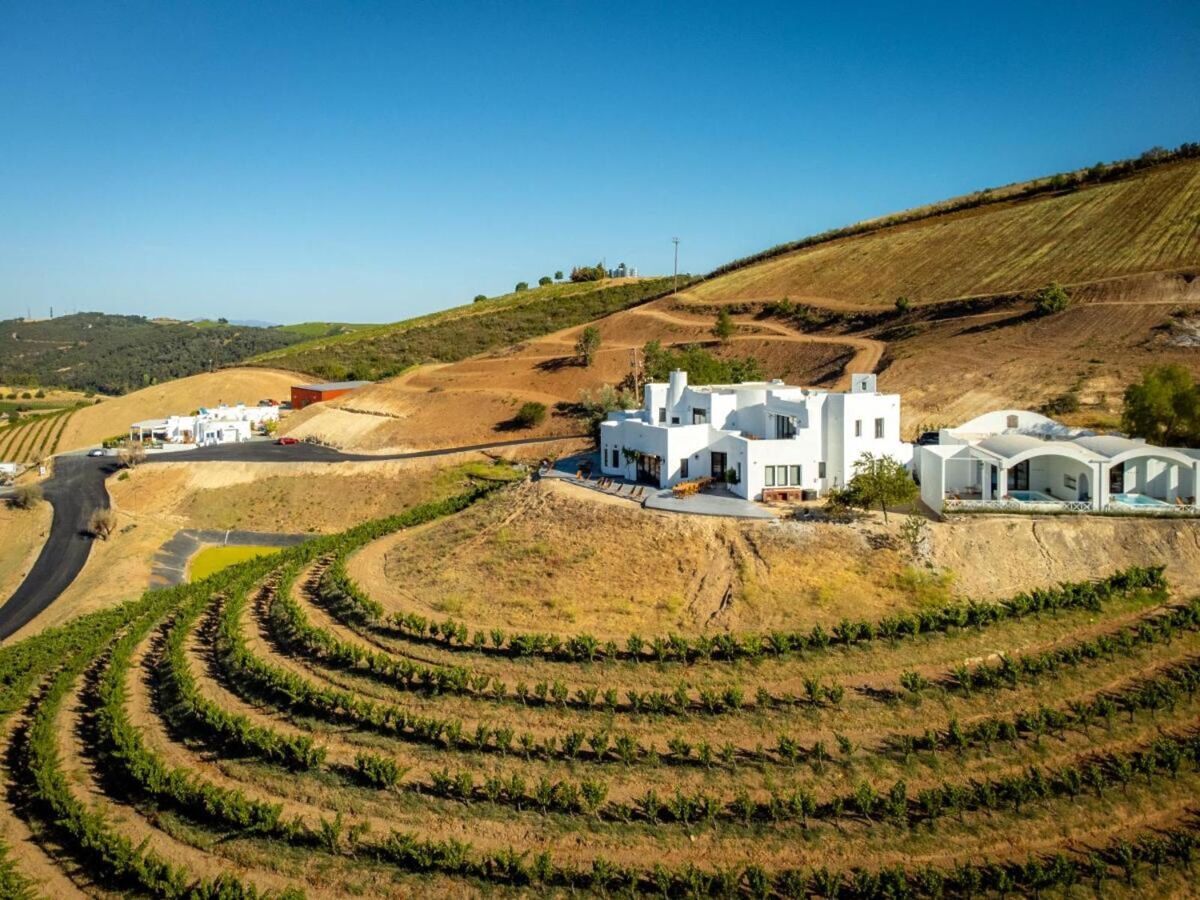
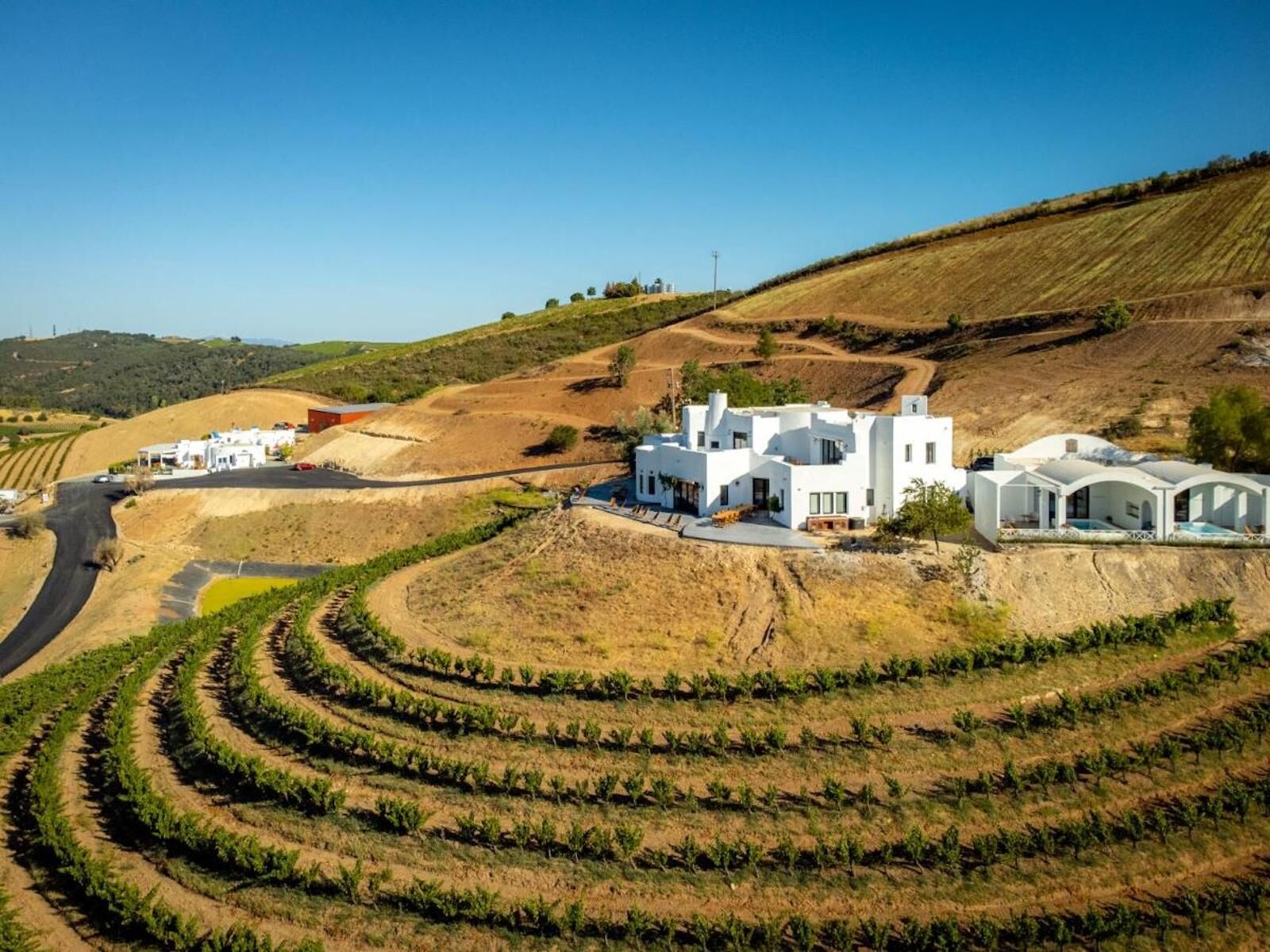
Sirena Vineyard Resort offers an aesthetic departure from the typical rustic California barn style. With its stark, all-white adobe architecture, the property feels more like a Mediterranean sanctuary. Guests can choose between a restored seven-bedroom mansion or private villas surrounding an infinity pool.
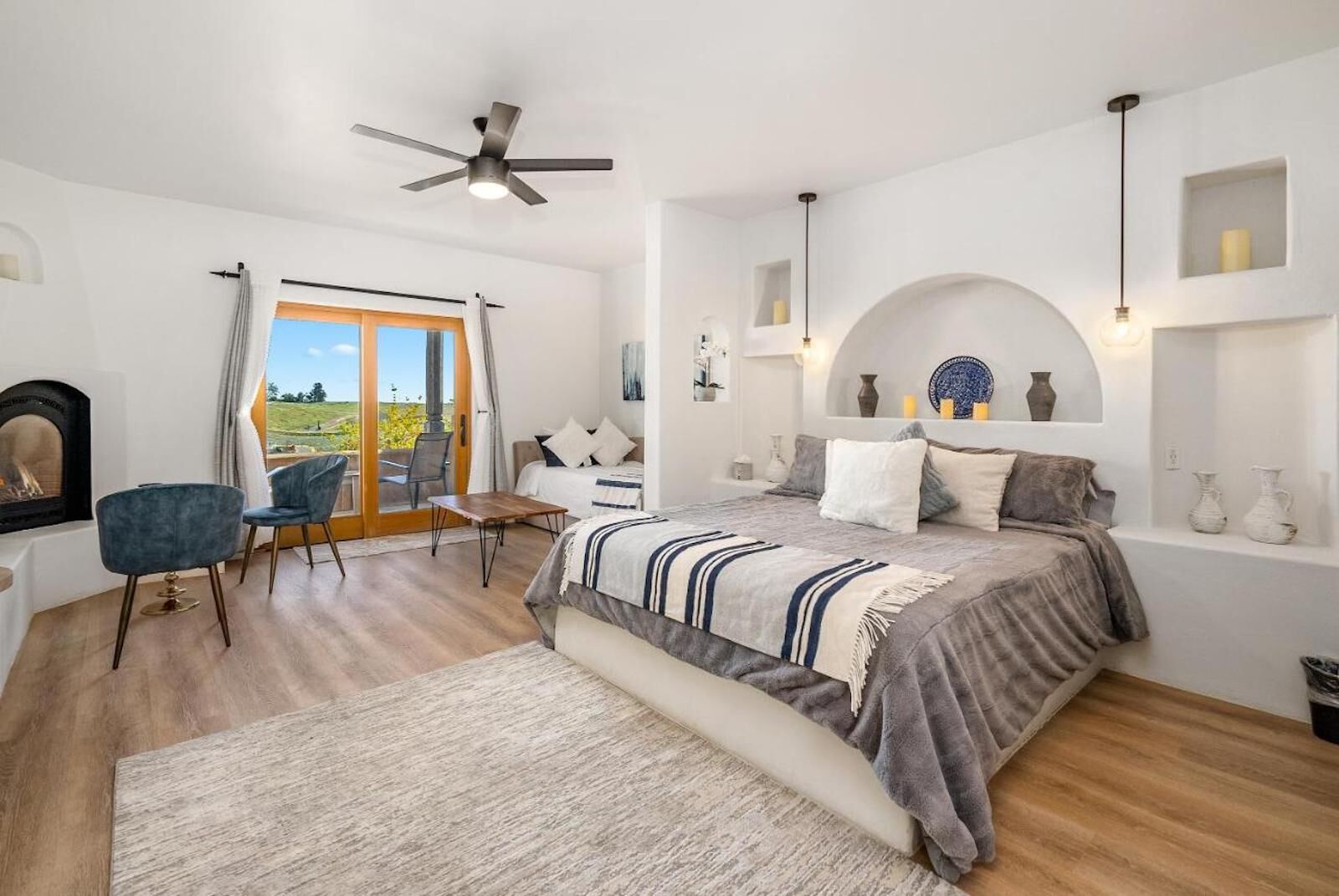
- Key Amenities: Roman tubs, rain showers, and on-request massage therapy.
- Starting Rate: $247 per night.
Allegretto Vineyard Resort stands as the region’s largest destination, with 171 rooms. It functions as a cultural hub, featuring a "sonic labyrinth" and art installations. It is a highly pet-friendly destination, even offering a specialized meal service for canine companions.
- Key Amenities: Cello Ristorante & Bar, yoga classes, and resident alpacas.
- Starting Rate: $249 per night.
Napa Valley: Bottled Poetry and Historic Estates
Sttupa Estate represents the pinnacle of luxury. Located on the Poetry Vineyard in the Stags Leap District, it offers five suites that rival the finest hotels in the world. The Robert Louis Stevenson suite provides 1,450 square feet of living space, catering to those who demand privacy and prestige.
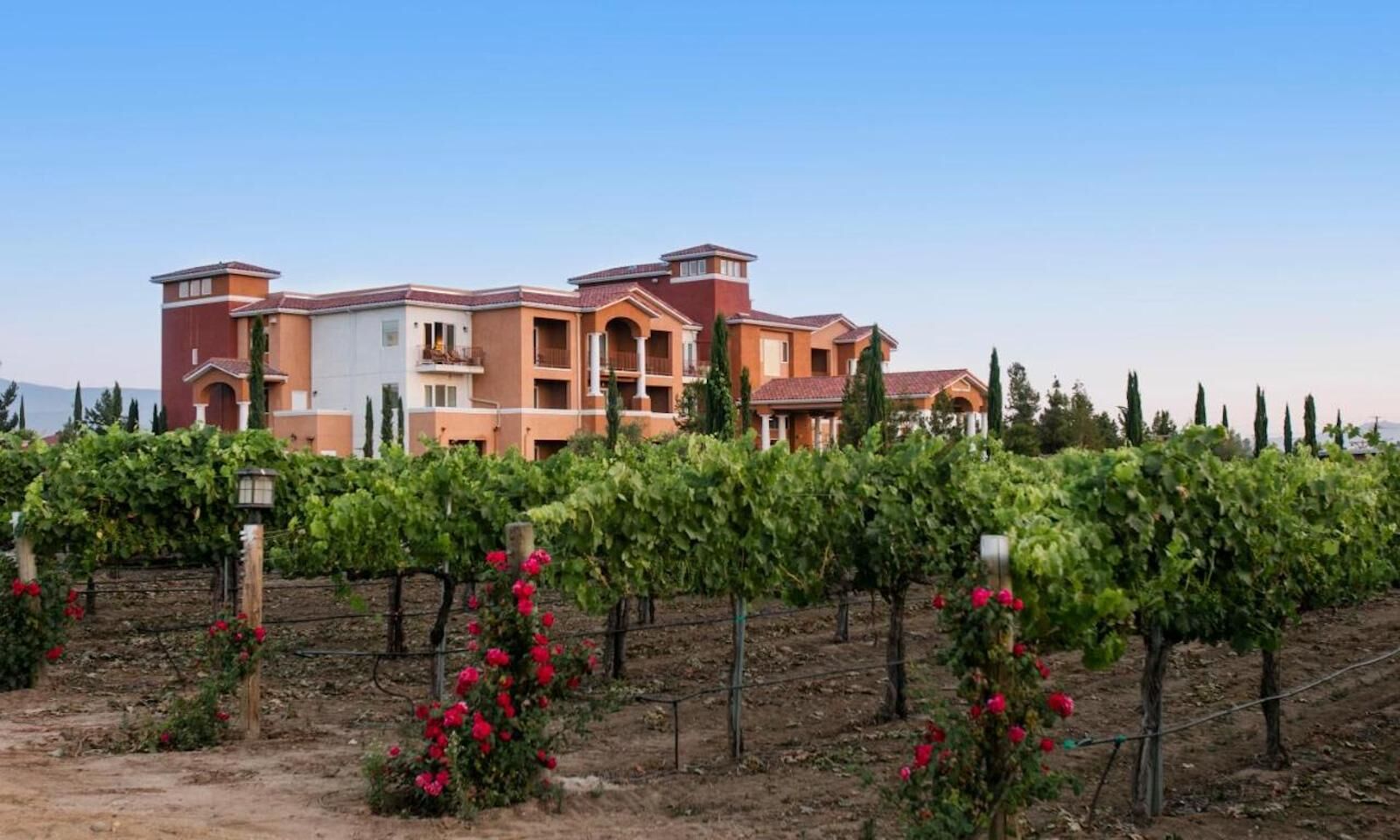
- Key Amenities: Personalized concierge, private dining, and wraparound decks.
- Starting Rate: Upwards of $2,000 per night.
Salvestrin Winery offers a more grounded, historical experience. Staying at their 1879 Victorian Inn allows guests to live within the history of the St. Helena region, with access to exclusive "Dr. Crane" tasting experiences.
- Starting Rate: $550 per night ($350 for wine club members).
Temecula Valley: Southern California’s Resort Hub
South Coast Winery Resort & Spa is a masterclass in scale. With 132 villas and 63 acres of vines, it serves as a destination for weddings, corporate retreats, and romantic getaways.
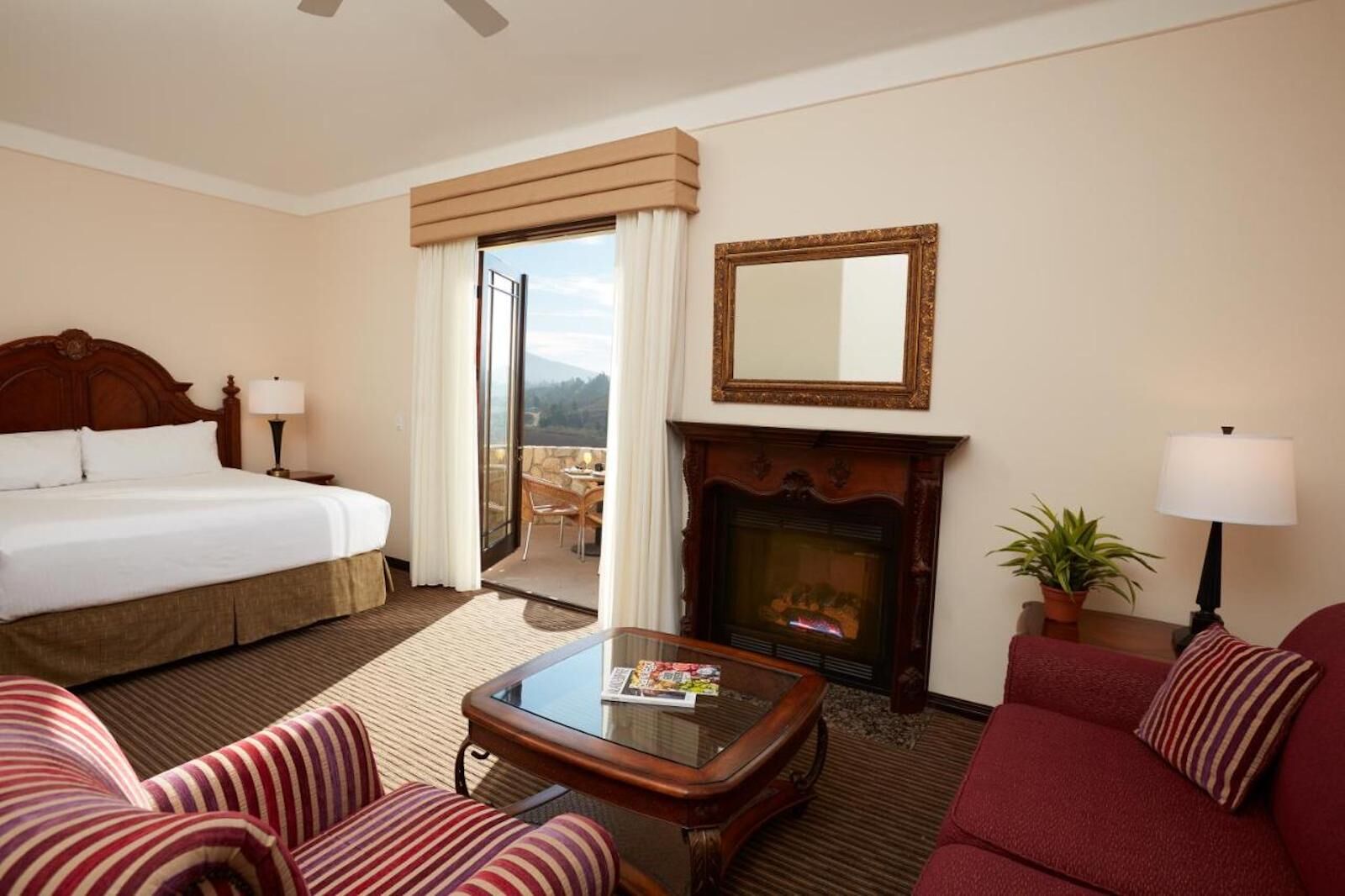
- Key Amenities: Saltwater pool, 40,000 sq. ft. of event space, and horse-drawn carriage rides.
- Starting Rate: $239 per night.
Carter Estate Winery and Resort focuses on the Méthode Champenoise, making it a haven for sparkling wine enthusiasts. With 42 Mediterranean-style bungalow suites, it offers a quieter, more intimate atmosphere than its neighbors.
- Starting Rate: $249 per night.
Sonoma County: The Artisan’s Retreat
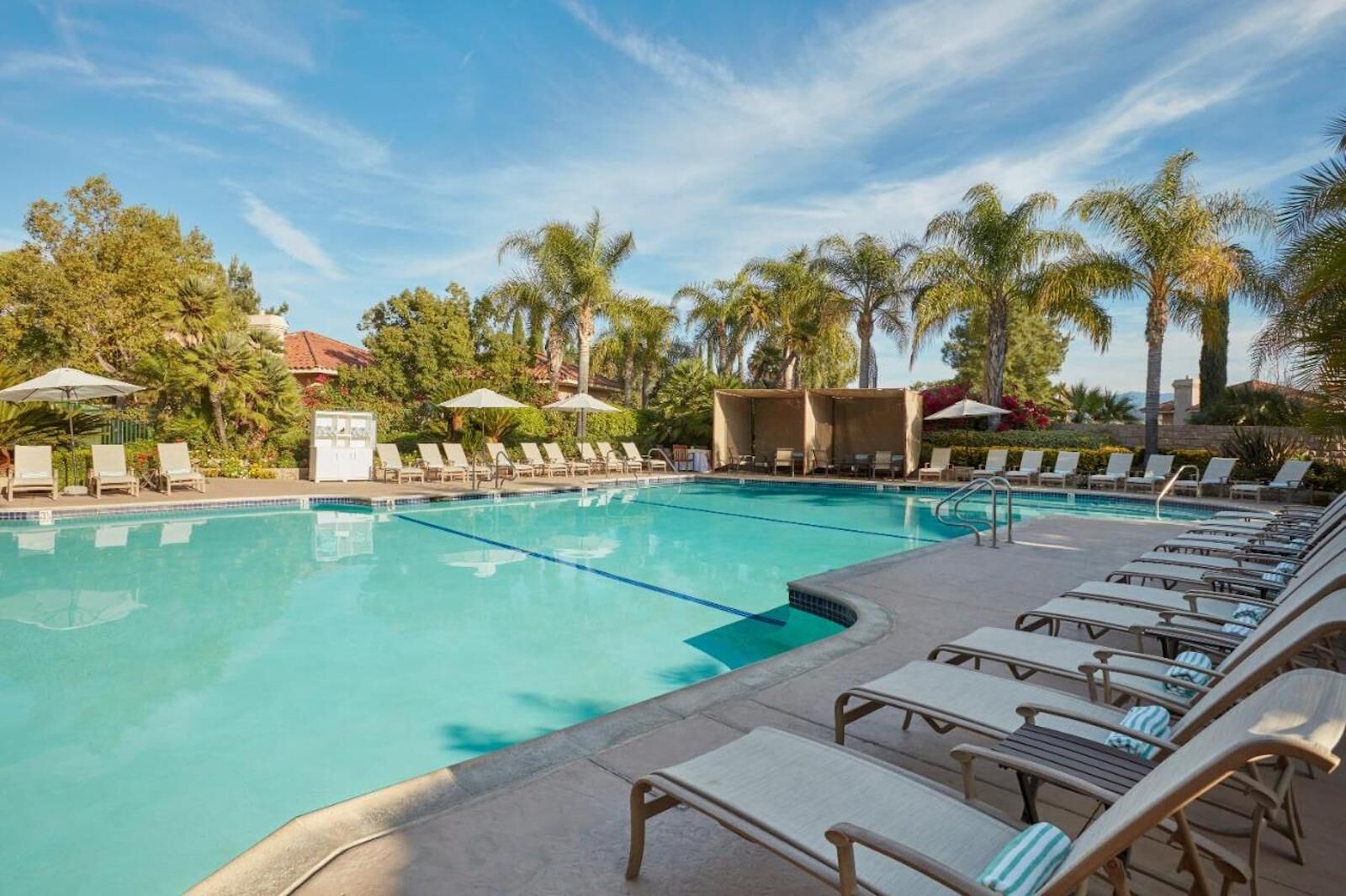
Lynmar Estate in Sebastopol offers the "Bliss House," a three-bedroom escape overlooking the Laguna de Santa Rosa wetlands. Their focus is on culinary integration, with a team dedicated to pairing food with estate-grown vintages.
- Requirement: Two-night minimum; membership tiers apply.
- Starting Rate: $750–$1,500 per stay.
Freeman Vineyard and Winery caters to the truly dedicated oenophile. The property is limited in production and availability, ensuring an exclusive experience for members of their "Friends of Freeman" wine club.
Supporting Data: Why Stay at a Winery?
According to industry trends, lodging at a winery increases the likelihood of a repeat customer by over 40%. The "on-site" factor removes the logistics of transportation, allowing guests to consume wine safely and enjoy the "Golden Hour" in the vineyards—a time when the light hits the vines, creating a unique micro-climate atmosphere that day-trippers never experience.

| Property | Region | Vibe | Best For |
|---|---|---|---|
| Sirena | Paso Robles | Mediterranean | Luxury/Relaxation |
| Sttupa | Napa | High-End/Historic | Special Occasions |
| South Coast | Temecula | Resort/Active | Groups/Events |
| Lynmar | Sonoma | Boutique/Culinary | Foodies |
| Allegretto | Paso Robles | Artistic/Expansive | Families/Pets |
Official Perspectives: The Philosophy of Hospitality
Winery owners emphasize that lodging is not just an ancillary revenue stream; it is an extension of the brand’s identity.
"We want our guests to wake up and see the mist rising off the vines," says a representative from one of the featured Napa estates. "When you sleep here, you understand the soil. You understand the labor. It changes your relationship with the wine in your glass."
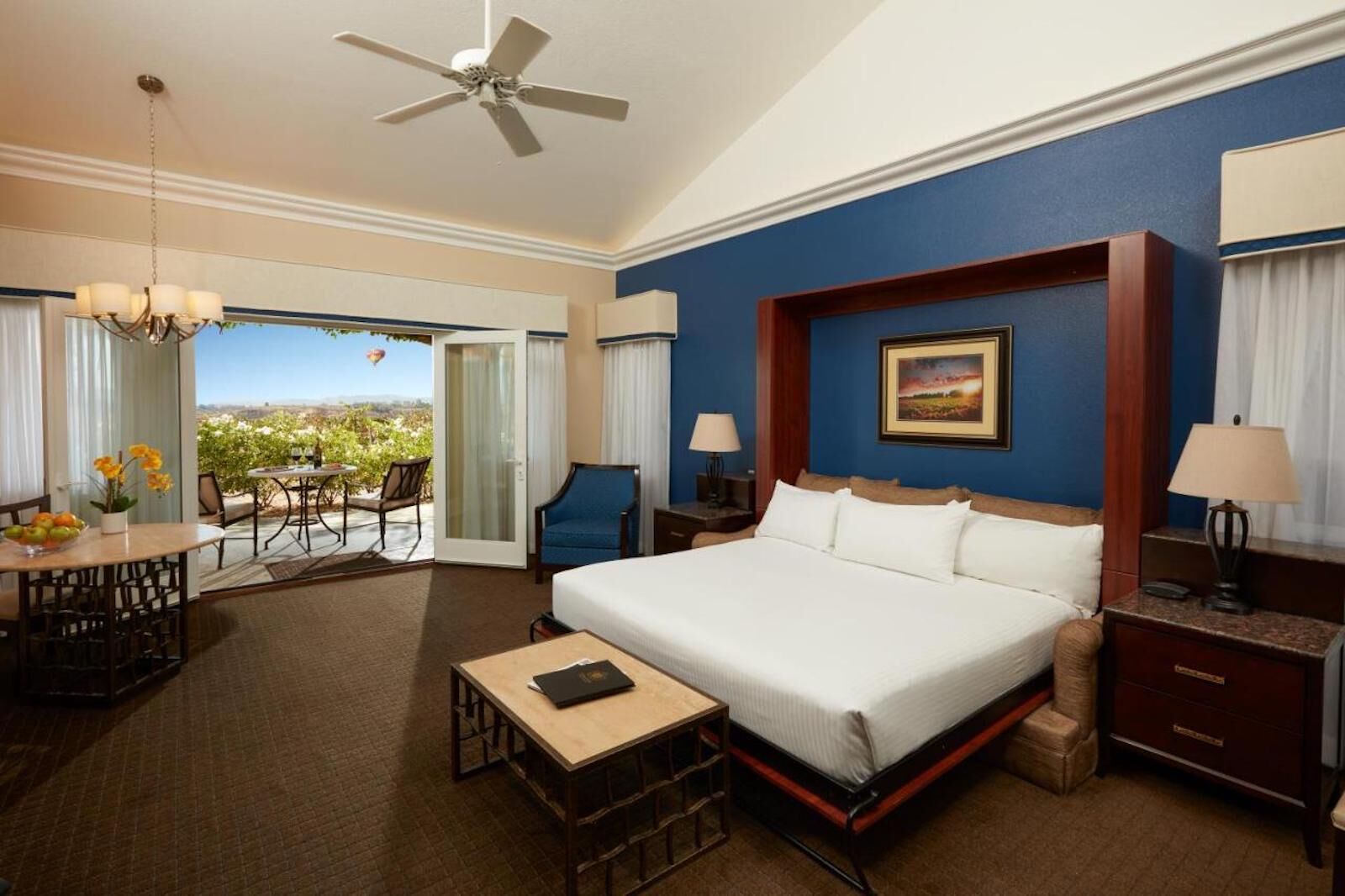
Similarly, the management at South Coast Winery notes that by providing amenities like full-service spas and event spaces, they are able to sustain the viticultural cycle throughout the off-season, ensuring that the local economy remains robust year-round.
Implications for the Future of Wine Tourism
The integration of lodging into vineyard estates has profound implications for the future of the California wine industry. As climate change forces wineries to be more creative with their land usage and economic sustainability, the "Resort Winery" model provides a buffer against the volatility of harvest yields.
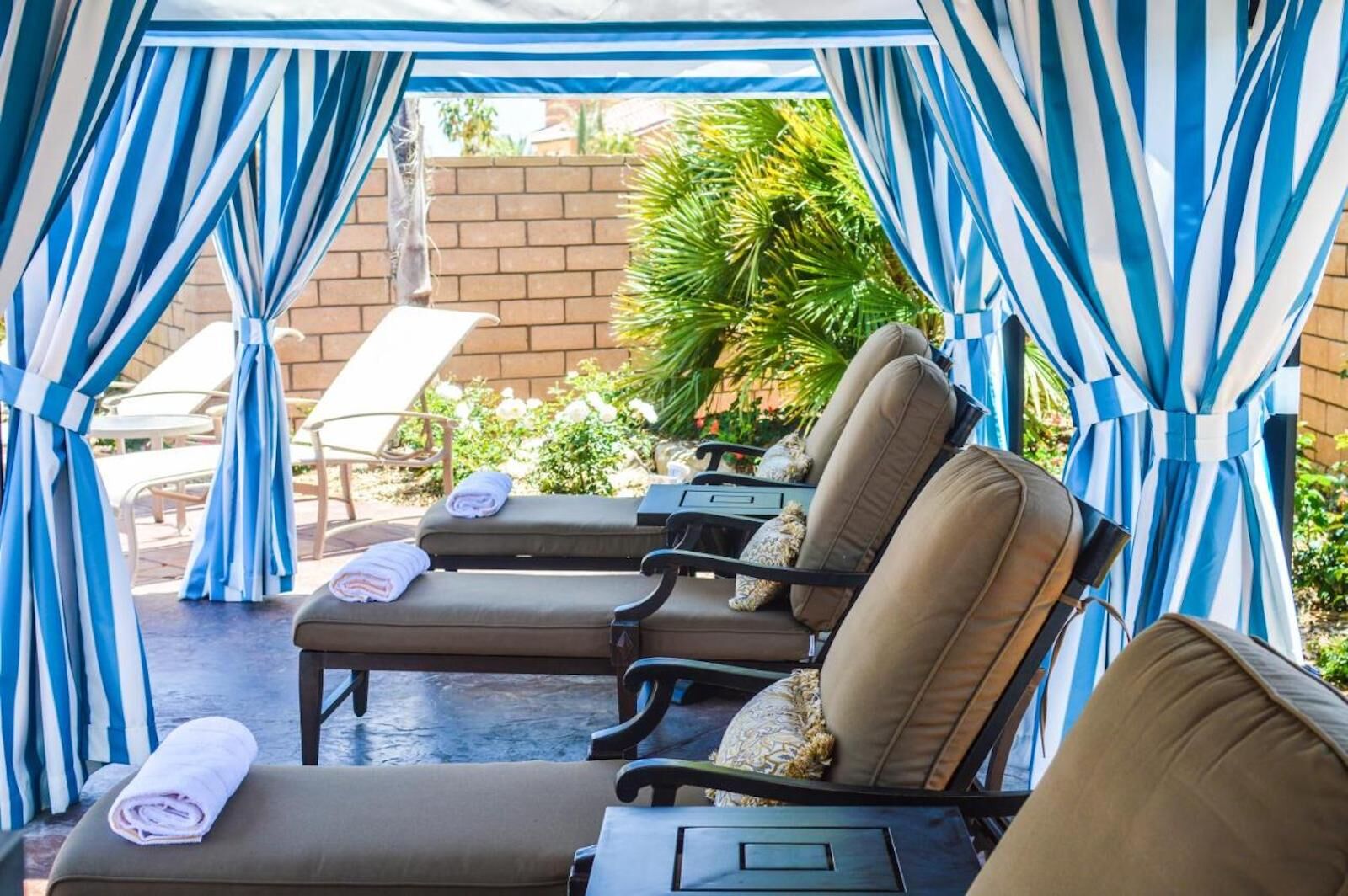
Furthermore, the rise of "experiential travel" suggests that wineries will continue to incorporate non-wine activities—such as yoga, sound therapy, and culinary arts—to appeal to a younger, more diverse demographic. The challenge for these estates will be maintaining the balance between the quiet, sacred nature of a working farm and the bustling demands of a luxury resort.
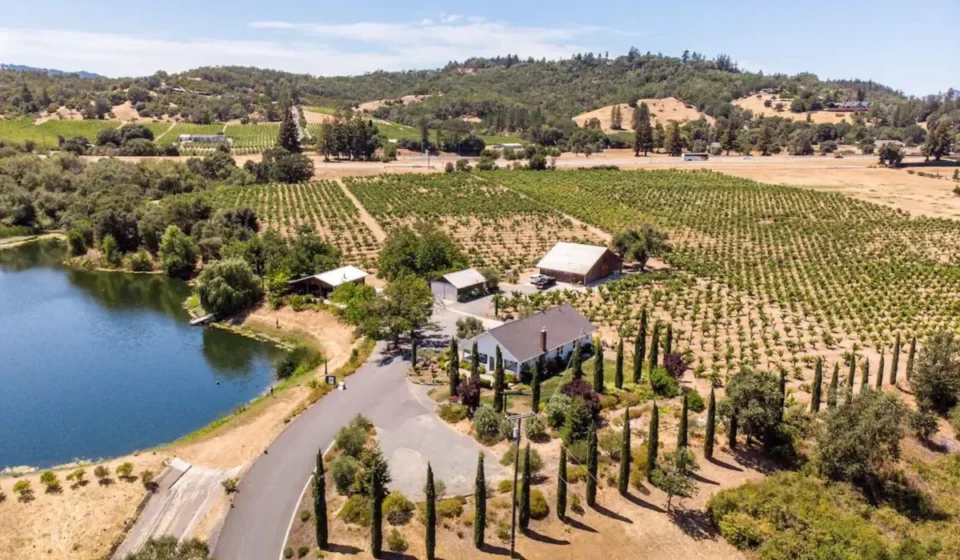
For the traveler, the implication is clear: the era of the "tasting room and souvenir shop" is fading. The future of the California getaway is found in the quiet, early morning walk through the rows of Pinot Noir, followed by a breakfast sourced from the very dirt you walked upon. Whether you choose the opulent suites of Napa or the rustic charm of Mendocino’s Testa Ranch, the opportunity to sleep within the vineyard is a luxury that transforms a simple vacation into a lifelong memory.