
















































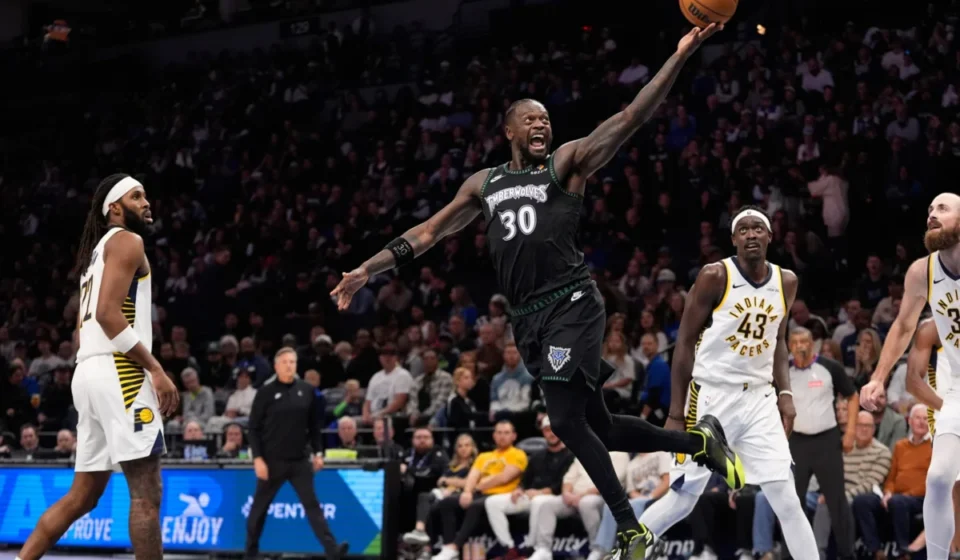

In the unforgiving ecosystem of the NBA, there exists a specific archetype of player that serves as a lightning rod for fan frustration: the "tease." These are not the players who lack effort or the ones whose selfishness is transparently malicious. Rather, they are the enigmas—athletes who, for three consecutive possessions, look capable of bulldozing an entire defensive rotation, only to spend the subsequent eight minutes drifting on the perimeter, spinning aimlessly into traffic, or staring blankly at a defensive assignment a half-second too late.
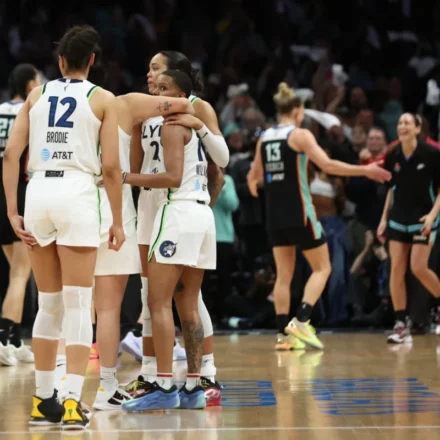
In Minneapolis, Julius Randle has become the embodiment of this archetype. Following a postseason showing that left the Timberwolves’ title aspirations in tatters, the frustration of the Target Center faithful has curdled into something far more visceral than mere disappointment. It is an exhaustion. For the Minnesota fanbase, the missed rotations, the stalled offensive flow, and the erratic body language have transformed Randle from a marquee acquisition into a symbol of a season that collapsed inward like a sinkhole.
The Statistical Reality: A Tale of Two Seasons
To understand the intensity of the current backlash, one must look at the stark dichotomy between Randle’s regular-season production and his playoff disappearance. During the 82-game grind, Randle remained a formidable force, posting averages of 21.1 points, 6.7 rebounds, and 5 assists per game. On his best nights, he remains a physical anomaly—250 pounds of left-handed momentum who can grab a defensive rebound, initiate the break, and collapse a defense with sheer gravitational force.
However, the postseason provides a harsh, unfiltered lens through which these talents are magnified and his flaws are exposed. In Minnesota’s first-round series, Randle’s efficiency plummeted, averaging 15.5 points on a dismal 43% from the field and a meager 30% from beyond the arc. The second-round series against the San Antonio Spurs, however, served as the breaking point. His performance in a season-ending Game 6—registering a mere three points in under 24 minutes—was not merely a "bad night." To the casual observer and the die-hard fan alike, it felt like a final, public unraveling of a player tasked with being the secondary engine of a contender.
A Chronology of the "Randle Riddle"
The NBA has spent the better part of a decade attempting to solve the "Randle Riddle." His career has been a nomadic journey of evolving expectations:
- The Lakers Era (The Raw Prospect): Entering the league as a lottery pick for Los Angeles, Randle was defined by his raw, unrefined potential—a bull in a china shop who lacked the polish to control his own velocity.
- The Pelicans Evolution: Under the tutelage of then-assistant coach Chris Finch, Randle flourished, posting what was widely considered his most dynamic and efficient offensive season to date. This established the foundational trust between player and coach that would eventually bring them together in Minnesota.
- The Knicks Stint (The Savior and Scapegoat): In New York, Randle became the architect of the franchise’s return to relevance. He was hailed as a savior, only to be cast as the ceiling-setter when the team failed to bridge the gap to true championship contention.
- The Minnesota Inheritance: The Timberwolves acquired Randle with the full knowledge of his volatility. The organization, specifically head coach Chris Finch, operated under the belief that they could harness the highs and insulate the lows.
This history suggests that the current collapse in Minnesota was not a sudden catastrophe, but rather the culmination of years of projecting superstar expectations onto a player who has historically struggled to sustain that level of output when the intensity of the game is ratcheted up.
The Finch Factor: A Coaching Dilemma
The relationship between Julius Randle and Chris Finch is central to this narrative. Finch has been one of Randle’s most vocal defenders, often citing the player’s ability to relieve pressure from star guard Anthony Edwards as a vital component of the team’s offensive strategy.
"The connection between them is more than just basketball," one team insider noted. "Finch understands the emotional machinery of Randle’s game. He knows which buttons to push to get that downhill, bruising scorer, even when the rest of the floor spacing is failing."
However, this loyalty has become a double-edged sword. By empowering Randle to maintain a high-usage role, the coaching staff inadvertently kept him in positions where his flaws—his propensity to stop the ball and his inconsistent defensive engagement—became most glaring. As playoff basketball stripped away the ambiguity of the regular season, these flaws became liabilities that the Timberwolves could no longer afford to carry.
Implications: The Fallacy of the "Villain" Narrative
Despite the vitriol, it is crucial to maintain a level of analytical detachment. There is a palpable dishonesty in framing Randle as the sole architect of Minnesota’s failure. He did not hand himself his contract, nor did he orchestrate the trade that brought him to the Twin Cities. He was cast into a role—the second-most important offensive player on a championship-caliber roster—that the league’s broader culture of valuing size and self-created offense often assigns to players based on potential rather than established playoff success.
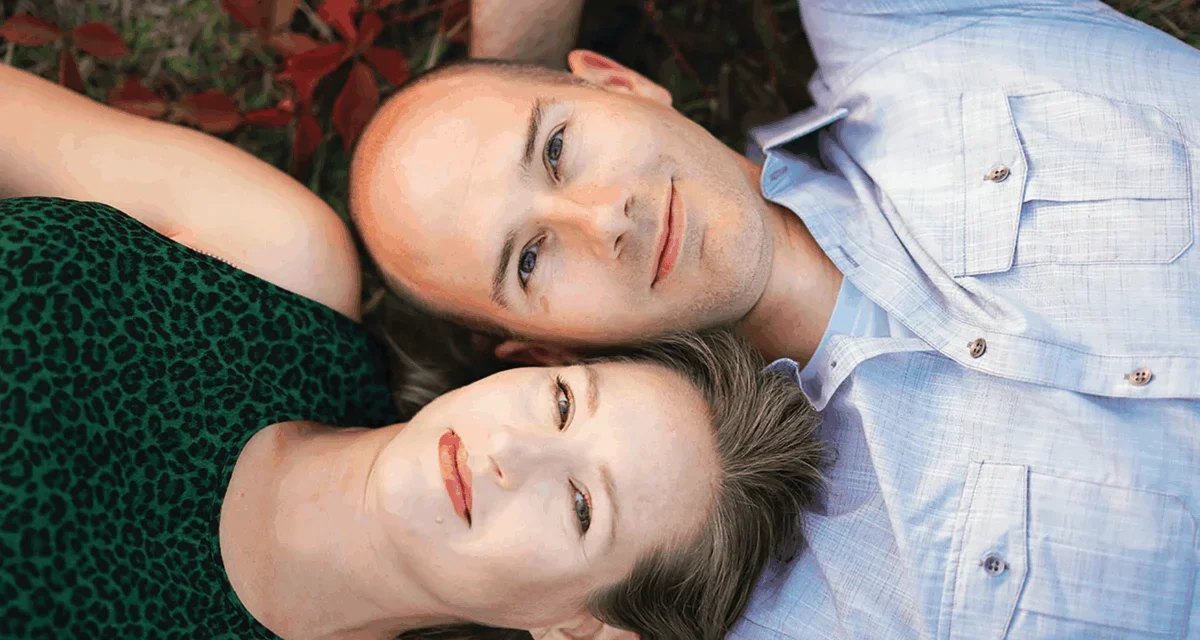
Furthermore, those who work with Randle paint a picture of a dedicated professional. His teammates frequently highlight his work ethic and his intentionality regarding his life off the court, including his role as a father and his focus on mental clarity. In a recent GQ profile, Randle spoke with candor about the necessity of building structure as he ages. This maturity exists in direct contrast to the "villain" persona being constructed in the heat of playoff frustration.
The Path Forward: Defining the Future
The reality for the Timberwolves is that they have entered a crossroads defined by the emergence of Anthony Edwards. As the team’s undisputed centerpiece, Edwards’ game thrives on pace, explosiveness, and the type of improvisational chaos that is often stifled by the "sticky" offensive possessions that occur when the offense runs through a struggling Randle.
Minnesota’s future depends on the floor remaining open and the ball moving with high-velocity efficiency. If Randle’s presence acts as a weight—slowing the pace, disrupting the flow, and leaking defensive momentum—the organization must acknowledge that this is a question of fit rather than a question of character.
The Timberwolves do not need Randle to be a "terrible" player for him to be the "wrong" player. The postseason tape provides an unforgiving record of his limitations. As the offseason looms, the front office is forced to reconcile the flashes of brilliance that initially convinced them to acquire him with the reality that, in the crucible of a seven-game series, those flashes are no longer enough to mask the gaps.
Ultimately, Julius Randle remains a paradox: talented enough to inspire belief, flawed enough to shatter expectations, and human enough that the current, unrelenting pile-on feels increasingly disproportionate to the offense of simply being a good player who was asked to be a great one. The problem for the Minnesota Timberwolves is not that they expected too little from Randle; it is that the NBA ecosystem convinced them—and everyone else—to expect far too much.