



















































The Great Green Shift: How Native Plants Transformed from Garden "Weeds" to High-Demand Climate Solutions

In a sun-drenched greenhouse on Chicago’s north side, the rhythmic creak of a rusty pulley signals the start of a new era in urban horticulture. Renee Costanzo, the Chicago Park District’s sole full-time employee at the Kilbourn Park greenhouse, leans into her work with a sense of purpose that transcends simple gardening. As the roof opens to admit a crisp spring breeze, it settles over a sea of 12,000 seedlings—a vibrant mosaic of green that represents months of "coddling and loving" by Costanzo and a dedicated team of volunteers.
For decades, the Kilbourn Park annual plant sale was a predictable affair, a local ritual where gardeners secured their "starter kits" of tomatoes, cucumbers, and bright annuals like marigolds and geraniums. But this year, something fundamental shifted. The sale didn’t just meet expectations; it shattered them. More than 2,300 shoppers—over double the usual attendance—swarmed the park, waiting in long lines to purchase plants at $4 a piece.
The primary driver of this unprecedented surge? A burgeoning obsession with native plants. Once dismissed by the average homeowner as unsightly weeds, species indigenous to the Midwest are now the most sought-after items on the shelves. This shift represents more than a passing gardening fad; it is a profound realignment of how Americans view their relationship with the land, driven by climate anxiety, a desire for biodiversity, and a practical need for resilient landscapes.
Main Facts: A Record-Breaking Season for Biodiversity
The 2024 Kilbourn Park plant sale serves as a microcosm for a national trend. Of the 15,000 plants prepared for the event, nearly 20% were native species specifically adapted to the Illinois climate and local wildlife. According to Costanzo, this was a direct response to consumer demand that has accelerated sharply over the last five years.
"People are asking for more natives, which is why we’ve been increasing our production," Costanzo noted. Last November, she began experimenting with 30 different native species to ensure the greenhouse could meet the public’s changing palate. The results were staggering: the sale generated approximately $48,000, nearly doubling the initial fundraising goal of $25,000.
This phenomenon is not isolated to Chicago. Across the United States, native plant nurseries are reporting record-breaking numbers. Organizations like Wild Ones, a national nonprofit dedicated to native landscapes, saw over 110,000 native plants sold through their 107 chapters last year. From small community greenhouses to massive commercial nurseries in Wisconsin and Minnesota, the data points to a singular conclusion: the "native movement" has reached a tipping point.
Chronology: From Niche Hobby to Mainstream Necessity
The ascent of native plants has been a "long, steady climb" rather than an overnight sensation. To understand the current boom, one must look back nearly half a century.
The 1980s: The Era of "Giving Them Away"
In 1982, Neil Diboll, now president of the Wisconsin-based Prairie Nursery, was attempting to sell a vision that few understood. At the time, the American aesthetic was dominated by the "industrial lawn"—perfectly manicured, chemically dependent carpets of non-native Kentucky Bluegrass. Native plants like Milkweed, Coneflowers, and Big Bluestem were seen as intruders to be eradicated with herbicides. In his first year of business, Diboll’s company grossed just over $13,000. "I’ve watched this for 44 years, from almost zero to now," Diboll says. Back then, horticulturalists often struggled to even give native seeds away.
The 2000s: The Rise of Ecological Literacy
The turn of the millennium brought a growing awareness of the "insect apocalypse" and the decline of iconic species like the Monarch butterfly. Conservationists began to bridge the gap between public policy and private backyards. The founding of groups like Wild Ones in Milwaukee helped transition native gardening from a fringe environmentalist activity into a structured community hobby.
2017–Present: The Exponential Explosion
The last seven years have seen a vertical spike in interest. Becky Klukas-Brewer, co-owner of Prairie Moon Nursery in Minnesota, reports a staggering 350% increase in sales over this period. This era coincides with heightened public discourse on climate change and the realization that traditional ornamental gardens are ill-equipped to handle the extreme weather patterns—droughts, floods, and heatwaves—that have become the "new normal."
Supporting Data: The Economics of the Native Boom
The financial figures associated with the native plant industry provide the most concrete evidence of its permanence.
- Prairie Nursery (Wisconsin): After grossing $13,000 in 1982, the company now ships approximately 500,000 plants and millions of seeds annually. Diboll notes that recent years have seen a 7% year-over-year increase in plant sales, with total revenue now including "a few more zeros" than in the early days.
- Prairie Moon Nursery (Minnesota): Beyond the 350% sales increase, the nursery has seen its total order volume triple in the last seven years.
- Wild Ones (National): The nonprofit now boasts over 14,000 members. In addition to the 110,000 plants sold through chapter sales, they distributed another 40,000 plants through various educational programs in a single year.
- Kilbourn Park (Chicago): The $48,000 raised this year will fund a new outdoor learning center, covering nearly the entire projected cost of the facility in a single weekend.
These numbers suggest that the native plant market is no longer a niche segment of the $50 billion U.S. gardening industry; it is becoming a primary driver of growth.
Official Responses: Why Natives are the "Practical and Beautiful" Choice
Experts and officials attribute the surge in demand to a combination of ecological necessity and a shift in aesthetic values.
Resilience in the Face of Climate Change
Tiffany Jones, who leads habitat education for the National Wildlife Federation in the Great Lakes region, emphasizes the "built-in" advantages of indigenous flora. "Native plants have been adapting to change for thousands of years," Jones explains. "They need less water, less maintenance, and they’re incredibly resilient."
Crucially, native plants are being recognized as vital infrastructure for urban water management. Unlike the shallow roots of turf grass, native prairie plants like Leadplant or Compass Plant can have root systems that extend 10 to 15 feet underground. These deep roots create channels in the soil, allowing the earth to act as a sponge during the heavy rain events that frequently flood Chicago’s basements.
Restoring the Food Web
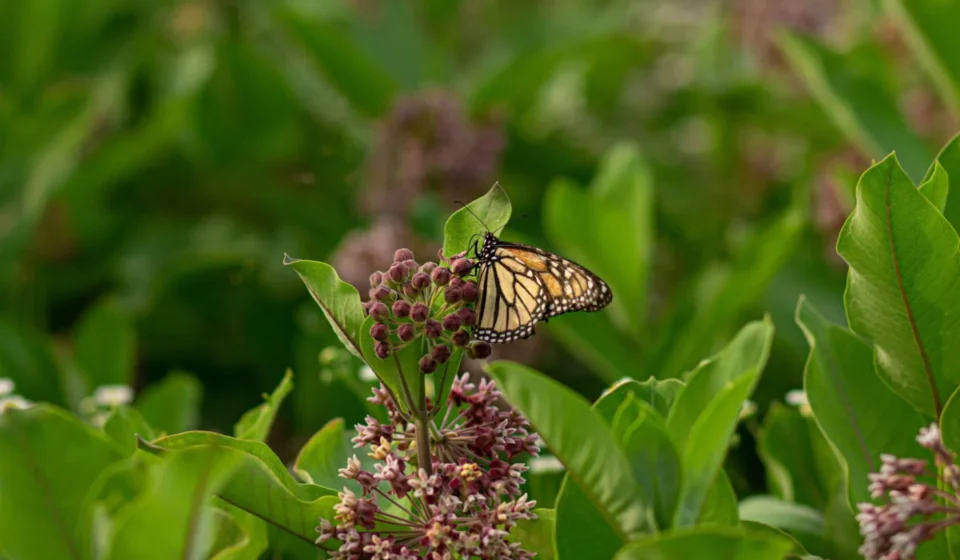
The decline of the Monarch butterfly has served as a powerful "canary in the coal mine" for the general public. Monarch caterpillars are specialists; they can only survive on the leaves of the Milkweed plant. As land development and industrial agriculture removed Milkweed from the landscape, Monarch populations plummeted.
By selling native Milkweed, greenhouses like Kilbourn Park are allowing citizens to participate directly in species recovery. "We’re not fighting against the climate here," says Lourdes Valenzuela, a retired schoolteacher and long-time volunteer. "We’re working with it."
Implications: Reimagining the American Landscape
The record-breaking success of the Kilbourn Park sale and the growth of nurseries like Prairie Moon signal a permanent shift in the American psyche. The implications of this "native plant revolution" extend far beyond the garden fence.
1. The Death of the "Status Symbol" Lawn
For nearly a century, the pristine, weed-free lawn was a symbol of suburban success. Today, that status is being replaced by the "conservation garden." Homeowners are increasingly proud of landscapes that buzz with bees and host nesting birds. This cultural shift is forcing local governments to rethink "weed ordinances" that once penalized residents for growing tall native grasses.
2. Urban Heat Island Mitigation
As cities face rising temperatures, the transition from asphalt and turf to layered native gardens (including native shrubs and trees) provides significant cooling effects. The Chicago Park District’s investment in these species is a strategic move toward urban cooling and long-term sustainability.
3. Economic Opportunities for Local Nurseries
The high demand is creating a supply-side challenge. Because native plants are often region-specific (a plant native to Southern Illinois may not thrive in Northern Illinois), there is a growing need for hyper-local nurseries. This provides a unique economic opportunity for small-scale growers and community organizations to fill the gap left by "big box" retailers who typically stock a homogenized selection of non-native ornamentals.
4. Educational Evolution
The funds raised at Kilbourn Park are being funneled directly into education. The planned outdoor learning center represents the next step in this movement: moving beyond just selling plants to teaching the complex ecology behind them.
As the sun sets on another record-breaking sale, the message from the gardeners of Chicago is clear. The plants once dismissed as "weeds" are now recognized as the backbone of a resilient future. In the hands of people like Renee Costanzo and thousands of backyard enthusiasts, these "babies" are finally finding their way into happy—and ecologically vital—homes.