





















































Stability Amidst Growth: Eric Taubel Appointed Permanent Director of Minnesota’s Office of Cannabis Management

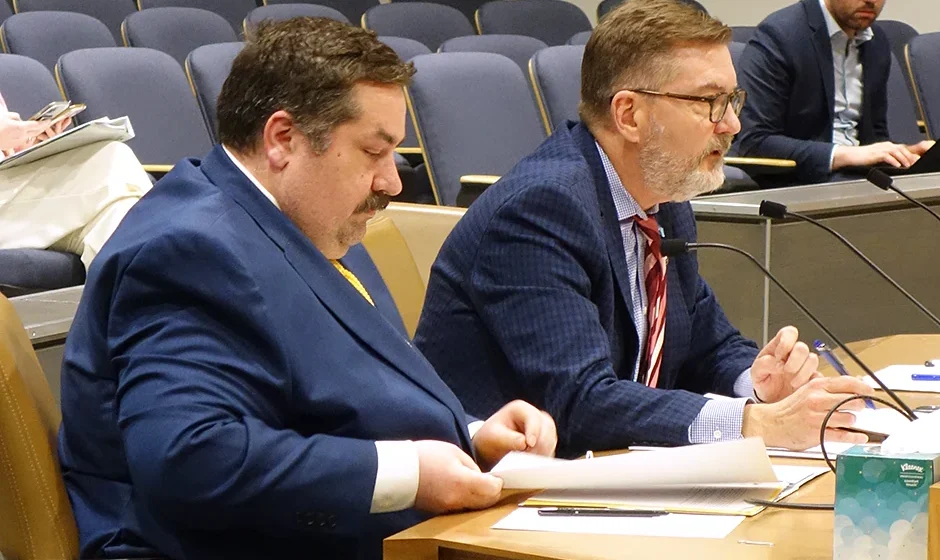
ST. PAUL, MN — In a move aimed at solidifying the regulatory framework of Minnesota’s burgeoning marijuana industry, Governor Tim Walz officially appointed Eric Taubel as the permanent executive director of the Office of Cannabis Management (OCM) on Wednesday. Taubel, who has served as the interim director since January, is credited with stabilizing an agency that faced a tumultuous start and is now tasked with navigating the complex transition from a nascent legal framework to a fully operational retail market.
The appointment comes at a critical juncture for the state. While tribal nations have successfully launched dispensaries and several municipalities are exploring public-owned retail models, the broader private sector has faced a series of regulatory hurdles and local government resistance. Taubel’s permanent status signals the Walz administration’s confidence in his ability to bridge the gap between legislative intent and market reality.
Main Facts: A Permanent Hand for a "Rocky" Rollout
Governor Walz’s decision to elevate Taubel from interim to permanent status follows months of internal restructuring at the OCM. Taubel originally joined the agency as its general counsel, providing a legal anchor during a period of leadership uncertainty. His tenure as interim director was marked by a shift in tone from the state—moving away from defensive posturing regarding delays and toward an aggressive push for licensing and market readiness.
During a recent interview, Governor Walz admitted that the legalization process in Minnesota has been "rocky" at times. However, he was effusive in his praise for Taubel’s performance over the last eight months. "I think he’s done a fantastic job," Walz stated, noting that Taubel has successfully aligned the office’s operations with the social equity and safety priorities that drove the 2023 legalization bill.
The OCM is currently overseeing the rollout of a multi-tiered licensing system that includes cultivators, manufacturers, and retailers. The agency is also managing the integration of the state’s existing low-potency hemp-derived edible market into the broader cannabis regulatory structure. Under Taubel’s leadership, the OCM has projected that between 100 and 150 cannabis retailers will receive final license status by the end of the current calendar year.
Chronology: From Legislative Milestone to Regulatory Reality
The journey to Taubel’s appointment began in May 2023, when Governor Walz signed Chapter 63 into law, making Minnesota the 23rd state to legalize recreational marijuana for adults. The law was celebrated for its robust social equity provisions, aimed at rectifying the disproportionate impact of prohibition on marginalized communities.
However, the initial implementation phase was marred by controversy. The first pick for the OCM’s top job, Erin DuPree, resigned just one day after her appointment following reports regarding her previous business practices and the sale of non-compliant hemp products. This left the agency in a state of flux during its most formative months.
In the wake of this setback, the administration turned to seasoned legal and administrative professionals. Eric Taubel stepped into the role of General Counsel, helping to draft the foundational rules that would govern the industry. When the need for an interim director arose in January 2024, Taubel was the natural choice to provide continuity.
Throughout the spring and summer of 2024, the OCM focused on two primary tracks: facilitating tribal sovereignty in the cannabis space and refining the "social equity applicant" lottery system. By May 2024, the state had secured landmark agreements with tribal nations, such as the White Earth Nation, allowing for a head start in the retail market. By August 2024, the agency had moved into the "final approval" phase for several non-tribal businesses, leading directly to the decision to make Taubel’s leadership permanent this week.
Supporting Data: The Current State of the Minnesota Market
As Taubel takes the permanent helm, the data reflects a market that is expanding in pockets while facing bottlenecks in others. The OCM’s progress can be measured through several key indicators:
1. Tribal Leadership and Expansion
Minnesota’s 11 tribal nations have been the vanguard of the legal market. Because they operate as sovereign entities, they were not required to wait for the state’s full regulatory rollout.
- Red Lake Nation and White Earth Nation: Both have successfully operated dispensaries on tribal land for over a year.
- Off-Reservation Expansion: A historic agreement reached in May 2024 paved the way for the White Earth Nation to open dispensaries in St. Cloud and Moorhead, representing the first significant "off-rez" tribal retail presence in the state.
2. Municipal Public Retail
A unique feature of Minnesota’s law allows cities to own and operate their own cannabis dispensaries, similar to municipal liquor stores.
- Exploratory Phase: Currently, 13 Minnesota cities are in various stages of exploring or implementing publicly-owned "pot shops."
- Revenue Potential: Cities view this as a way to control the local market while generating direct revenue for community projects.
3. Licensing Projections
The OCM has transitioned from the "application" phase to the "issuance" phase.
- Year-End Goal: Taubel has publicly committed to granting final licenses to 100-150 retailers by December 31, 2024.
- Current Approvals: In July 2024, the OCM granted final approval to five major cannabis businesses, signaling the start of the commercial retail wave.
Official Responses: Strategy and Accountability
The reaction to Taubel’s appointment has been largely positive among state officials, though industry advocates remain cautious about the speed of the rollout.
Governor Tim Walz emphasized the importance of mission alignment in his official statement:
"Over the past eight months, Eric Taubel has ensured that the priorities that drove cannabis legalization in Minnesota—equity, safety, and community reinvestment—are reflected in our emerging market. He has the experience and the vision to lead this office as we move from planning to reality."
State Senator Scott Dibble, a key architect of the legalization legislation, has also signaled support for the stabilization of the OCM. Legislative leaders have expressed that having a permanent director allows for more consistent communication between the executive branch and the committees tasked with oversight.
Eric Taubel, for his part, has adopted a "tough-love" approach toward prospective business owners. In recent interviews, he has been clear that the OCM’s role is to provide the framework, but the burden of success lies with the entrepreneurs.
"We’ve transitioned to the point where the onus is on the applicant and a prospective business owner," Taubel said. "If business applicants cannot navigate the current regulatory process, the blame lies with them. The state is doing what it can to move faster, but compliance is non-negotiable."
Implications: Challenges on the Horizon
While Taubel’s appointment provides stability, several significant hurdles remain that will test his leadership in the coming months.
The "Albert Lea" Precedent
Perhaps the most pressing issue is the tension between state authority and local control. In July 2024, the Albert Lea City Council denied a business registration license to "The Smoking Tree," despite the business having already received final approval from the state OCM.
This conflict suggests that even with a state license in hand, retailers may face a "second wall" of municipal bureaucracy. If other cities follow Albert Lea’s lead, the OCM may need to seek legislative clarification on the limits of local government "veto" power, or risk a patchwork market where legal cannabis is unavailable in large swaths of the state.
Social Equity vs. Market Velocity
Minnesota’s law is one of the most progressive in the nation regarding social equity, but implementing these priorities has slowed the rollout. Critics argue that the slow pace allows the "grey market" (illegal sales and unregulated hemp products) to thrive. Taubel must balance the mandate to empower marginalized entrepreneurs with the economic pressure to launch a competitive, taxable market quickly.
Regulatory Transition for Hemp
The OCM is also tasked with absorbing the regulation of low-potency hemp-derived THC products, which have been legal in Minnesota since 2022. Integrating these businesses—which currently operate in grocery stores and liquor stores—into the strict cannabis framework will require delicate administrative maneuvering to avoid putting existing small businesses out of operation.
Conclusion
The permanent appointment of Eric Taubel marks the end of the "startup" phase for the Office of Cannabis Management and the beginning of its era as a mature regulatory body. With Governor Walz’s full backing and a clear mandate to hit ambitious licensing targets by the end of the year, Taubel is now the face of Minnesota’s cannabis future. Whether he can resolve the brewing conflicts with local municipalities and satisfy the high expectations of both social equity advocates and industry investors remains the defining question of his tenure.