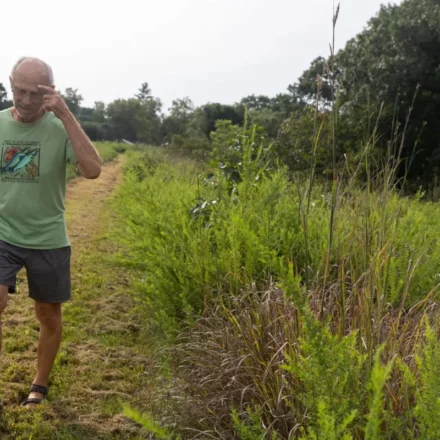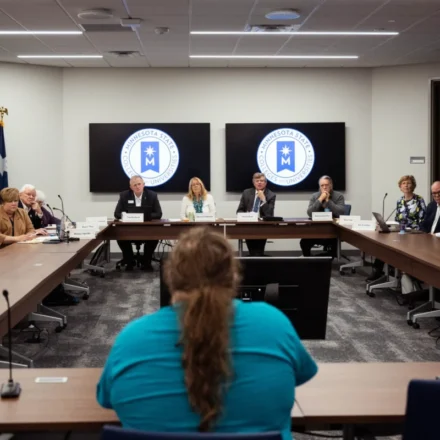
























































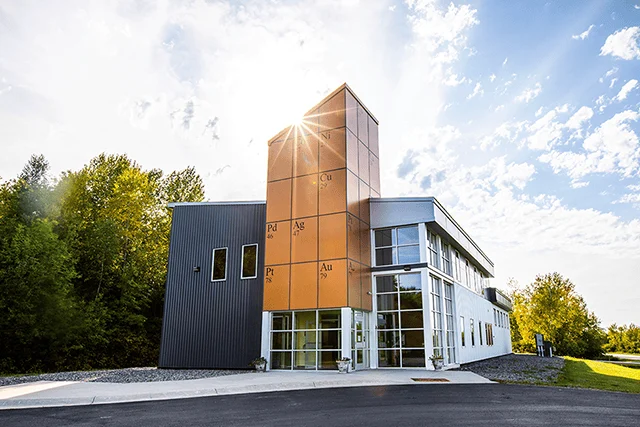

As the curtain begins to fall on the current administration’s tenure, a quiet but profound maneuver within the Minnesota Department of Natural Resources (DNR) has signaled a shift in the long-standing tug-of-war over the Boundary Waters Canoe Area Wilderness (BWCAW). In its final months, the state has moved to cancel a mineral lease held by a subsidiary of Twin Metals, the mining giant pushing for copper-nickel extraction in the state’s ecologically sensitive northeast.
While the cancellation affects only 242 acres of state land near the Birch Lake Reservoir, the implications of this decision extend far beyond its modest footprint. It serves as a strategic blueprint for future administrations, demonstrating how the state can utilize existing regulatory authority to systematically dismantle the legal infrastructure that mining companies rely on to maintain their claims.
The Geography of Contention: Main Facts of the Cancellation
The state’s decision to terminate the lease, announced in November, targets a specific tract of land located east of Babbitt. This area, while not currently part of Twin Metals’ primary development proposals, sits within the watershed of the Boundary Waters—a region that has been the subject of an intense, decades-long debate regarding the balance between economic development and environmental preservation.
The DNR’s move follows an executive order issued by Gov. Tim Walz, which effectively prohibited copper-nickel mining within the wilderness area’s watershed. By combining a blanket executive order with the targeted, lease-by-lease cancellation of dormant mining rights, the state has created a dual-pronged strategy to protect the region. The lease cancellation itself is rooted in a "put up or shut up" clause standard in Minnesota mineral leases: if a company fails to develop a mine or generate royalties for the state within a designated timeframe, the state reserves the right to terminate the agreement.
A Chronology of Conflict: Decades of Legal Maneuvering
To understand the significance of this latest development, one must look at the timeline of the mining debate in northeastern Minnesota.
- The Early 2000s: Interest in the Duluth Complex—a massive geological formation rich in copper, nickel, and precious metals—intensified. Companies began aggressively securing state and federal mineral leases.
- 2012–2016: Twin Metals solidified its presence in the region, conducting extensive exploration and preparing environmental impact statements. The proposal sparked immediate pushback from environmental advocacy groups and local businesses reliant on tourism.
- 2016: The Obama administration moved to withdraw federal mineral leases near the BWCAW, citing the risk of acid mine drainage and the potential for irreparable damage to the wilderness.
- 2018–2020: The Trump administration reversed these protections, restoring federal mineral leases and creating a more favorable environment for mining developers.
- 2021–2022: The regulatory pendulum swung back. The current Minnesota administration solidified its stance through executive orders and increased scrutiny of state-held leases.
- 2024 (The Current Climate): The DNR’s cancellation of the Birch Lake area lease marks a tactical evolution. Rather than waiting for the federal government to set the tone, the state is actively pruning its own portfolio of mineral rights to align with its conservation goals.
The "School Trust" Argument: Supporting Data and Economic Tensions
The crux of the opposition to the lease cancellation lies in the designation of these tracts as "School Trust Lands." Under the Minnesota Constitution, these lands are mandated to be managed to maximize revenue for the state’s Permanent School Fund, which provides financial support for K-12 education.
Twin Metals has leaned heavily into this argument, positioning the cancellation not just as an economic blow to the mining sector, but as an affront to the state’s students. According to the company, the lease at Birch Lake represented a significant long-term revenue opportunity. By removing these lands from potential mineral development, the state is, in the eyes of the company, ignoring its constitutional obligation to generate wealth from its assets.
This debate arrives at a critical juncture, coinciding with ballot measures aimed at increasing the distribution from the School Trust Fund. Supporters of these measures argue that the fund can remain robust through modern investment strategies that do not rely on extractive industries. However, the tension between the "extractive-revenue" model and the "wilderness-preservation" model has created a deep ideological divide that will surely dominate Minnesota politics for years to come.
Official Responses: The Clash of Perspectives
The rhetoric from both sides highlights the stark contrast in priorities.
Twin Metals Minnesota issued a statement expressing profound disappointment, emphasizing the 16 years of geological and environmental research invested in the site. "We have invested considerable resources into exploring the minerals associated with this site," the company stated. "The canceled lease is located on School Trust Lands… intended to maximize revenue generation over the long term. We remain committed to advancing a sustainable underground mining project that will bring vital economic opportunities to northeastern Minnesota."
Conversely, Chris Knopf, executive director of Friends of the Boundary Waters, praised the move as a long-overdue application of existing law. "Canceling this lease is a crucial first step," Knopf noted. "It sets a precedent that could lead to the state canceling Twin Metals’ remaining state leases in the coming years." For groups like his, the goal is to play the "long game," ensuring that when individual leases come up for review in 2035, 2036, and beyond, there is a clear historical record of the state’s refusal to renew dormant, environmentally risky contracts.
Implications: A Blueprint for the Future
The implications of this action are significant for several reasons:
1. The Precedent of "Use It or Lose It"
By strictly enforcing the development clauses in mineral leases, the DNR is signaling that holding land for speculative purposes is no longer a viable strategy for mining companies. This forces firms to either move rapidly to development—which requires navigating an increasingly difficult regulatory environment—or risk losing their claims.
2. The Legacy of the Outgoing Administration
By codifying these cancellations, the current administration is effectively tying the hands of its successor. Even if a future governor is more pro-mining, the administrative record of lease cancellations will provide legal hurdles that are difficult to overcome. The "template" has been set: utilize the DNR’s administrative power to chip away at the mining industry’s footprint, regardless of federal policy shifts.
3. The Shift in Public Discourse
The debate has evolved from simple arguments over "jobs vs. environment" to complex legal debates over constitutional mandates and land management. The focus on School Trust Lands forces voters to weigh the immediate, tangible benefits of mining revenue against the long-term, intrinsic value of the Boundary Waters.
4. A Waiting Game for Investors
For investors in the mining sector, the uncertainty created by this policy is a major deterrent. If the state can cancel a lease—even one outside the primary project zone—the risk profile for the entire project rises. This "regulatory creep" creates a climate of instability that may ultimately discourage future investment in Minnesota’s copper-nickel sector, regardless of the mineral wealth sitting beneath the surface.
Conclusion
The cancellation of the Birch Lake lease is a microcosm of the larger struggle for the future of the American Midwest. It represents a state government actively shaping its natural legacy in the face of immense industrial pressure. As the administrative cycle turns and a new governor takes office, the question will not be whether the mining debate continues, but whether the "blueprint" established in these final months will withstand the inevitable challenges from those who view the state’s mineral wealth as its most valuable resource.
For now, the Boundary Waters remain a protected, if contested, jewel. The DNR’s quiet bureaucratic maneuver has ensured that the path to a potential mine has become significantly more treacherous, turning a fight over geography into a profound test of state power and constitutional priorities. Whether this leads to a permanent cessation of mining activity or merely a pause in an ongoing war of attrition remains to be seen, but one thing is certain: the rules of the game have been permanently altered.