


























































Profit Over Patients: Minnesota Senators Move to Regulate Private Equity’s Grip on Autism Therapy

By [Your Name/Journalistic Desk]
Minnesota state lawmakers have launched an ambitious legislative campaign to rein in the influence of private equity firms within the autism therapy sector, following a damning investigation that revealed how institutional investment has prioritized shareholder dividends over the developmental needs of children.
State Senators Zaynab Mohamed and Scott Dibble (both DFL-Minneapolis) announced their intent to introduce legislation that would mandate radical transparency in the ownership of autism service providers. The move comes in response to findings by The 74 Million, which documented a decade-long trend of private equity consolidation that has fundamentally altered the landscape of Applied Behavior Analysis (ABA) therapy—a treatment that has seen its Medicaid-funded costs explode from $400 million in 2019 to nearly $2 billion by 2024.
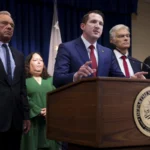
“This report is outrageous,” Senator Mohamed stated during a press briefing. “The idea that Wall Street investors are exploiting these programs for profit is infuriating. When we see billions of public dollars flowing into services for vulnerable children, we have a moral and fiscal imperative to ensure that money is supporting patients, not lining the pockets of private equity executives.”
The Anatomy of a Market Shift: A Chronology of Consolidation
The transformation of the autism therapy industry did not happen overnight. It was the result of a systematic, decade-long strategy by investment firms to acquire fragmented "mom-and-pop" clinics and merge them into high-revenue, for-profit networks.
- 2014–2018: The Acquisition Phase. Private equity firms began identifying autism therapy as a lucrative, recession-proof asset class. By acquiring smaller, independent practices, these firms leveraged economies of scale, standardizing billing practices and aggressively expanding patient intake.
- 2019: The Medicaid Tipping Point. As ABA therapy became increasingly integrated into standard insurance and Medicaid coverage, reimbursement rates became a primary target for institutional investors. In this year alone, national Medicaid reimbursements reached $400 million.
- 2020–2023: The Nationwide Expansion. Large for-profit providers began a strategic geographic shift, moving operations away from states with low Medicaid reimbursement caps and concentrating their presence in states—like Minnesota—that offered more robust public support for disability services.
- 2024: The Breaking Point. As federal agencies and investigative journalists began pulling back the curtain on the industry, the sheer scale of the expenditure—now nearing $2 billion—sparked calls for systemic reform.
- 2025–2026: Legislative Pushback. Following the release of massive Medicaid datasets by the Department of Government Efficiency, Minnesota lawmakers have determined that the current model of "unchecked profiteering" is no longer sustainable.
The Data Behind the Disruption
The scale of private equity involvement is stark. According to an analysis of U.S. Centers for Medicare and Medicaid Services (CMS) records, private equity firms now hold ownership stakes in nearly half of the 50 companies with the highest Medicaid claims.
The financial data is staggering: in a six-year window, these top-tier providers billed for roughly $3.1 billion out of a total $7 billion in nationwide autism therapy spending. Critics argue that this rapid acquisition strategy is classic "strip-and-flip" behavior—firms acquire companies with steady, government-backed revenue streams, extract maximum cash in the short term, and often leave behind a shell of a company burdened by debt once the investors exit.
Furthermore, this financial model is being applied to a treatment that is increasingly under scrutiny. While ABA remains the most widely used therapy for autistic children, The 74’s investigation highlighted a growing body of research questioning its efficacy and safety. Some studies have linked the intense, 40-hour-a-week behavioral conditioning—which aims to "extinguish" neurodivergent traits—to heightened rates of PTSD and psychiatric hospitalization in children. Despite these clinical concerns, the industry has aggressively lobbied for continued, high-level funding, cementing its place as a dominant, yet controversial, fixture of the American healthcare system.
The Regulatory Gap: Why Minnesota Is Acting Now
Senator Scott Dibble, who previously authored legislation to mandate ownership transparency for nursing homes and assisted living facilities, views the current autism therapy crisis as a repeat of systemic failures seen elsewhere in healthcare.
“When a private equity firm has paid its investors the cash generated and moves on, the remaining debt often leaves the providers bankrupt or unable to provide services,” Dibble explained. “It’s not enough to have a P.O. box in New Jersey. I think we’re entitled to know: this particular entity, what else do they own, and how well have they provided services?”
The legislative proposal from Mohamed and Dibble seeks to implement three key reforms:
- Ownership Disclosure: Requiring providers to publicly disclose the full hierarchy of their parent companies and private equity backers.
- Medical Loss Ratios (MLR): Mandating that a specific, high percentage of all Medicaid reimbursements must be spent directly on patient care, rather than administrative overhead or corporate profit.
- Licensing Vetting: Establishing a "fit-to-operate" standard similar to liquor licensing, where owners must demonstrate a history of ethical business practices before being allowed to manage state-funded clinical facilities.
The Political Climate: Fraud, Scrutiny, and Public Trust
The push for regulation is occurring against a backdrop of intense political volatility regarding Medicaid. Last year, the federal administration utilized the issue of Medicaid abuse as a justification for increased immigration enforcement in the Twin Cities, blaming immigrant communities for systemic waste.
However, independent investigations, including those by The 74, suggest that the real "waste" is not at the individual recipient level, but at the corporate, systemic level. By analyzing 275 million records from a federal Medicaid dataset, researchers identified that the primary driver of rising costs is the aggressive acquisition of providers by firms that prioritize short-term revenue extraction over clinical outcomes.
This environment has made it difficult for families who rely on these services. When a private equity-backed clinic shutters due to financial instability or bankruptcy, families are often left in a lurch, with no transition plan for their children’s care.
Implications for the Future of Disability Services
If Minnesota succeeds in passing these regulations, it would set a significant national precedent. The state is essentially challenging the "super-sized profit motive" that has become the hallmark of private equity-led healthcare.
Critics of the bill—likely to include lobbying groups representing these large clinical networks—will argue that strict regulations could limit access to care by discouraging investment. However, proponents, including disability rights advocates, argue that the "access" currently provided by for-profit firms is superficial and potentially harmful. They contend that a model prioritizing corporate profit over child development is fundamentally incompatible with the public trust.
“Before someone can come in and purchase a liquor license, they need to prove that they’re an outstanding citizen who hasn’t participated in any shady practices,” Senator Dibble noted. “This kind of aggressive super-sized profit motive is totally inappropriate in these settings because it incentivizes behaviors that don’t support the public’s interest and good use of public dollars.”
As the Minnesota legislature prepares for the upcoming session, the focus will remain on whether the state can successfully untangle the interests of Wall Street from the needs of its most vulnerable citizens. The outcome of this struggle will likely determine the future of autism therapy, not just in the Twin Cities, but across the United States.