


















































A Maestro’s Homecoming: Osmo Vänskä on Legacy, Labor, and the Enduring Power of Sound

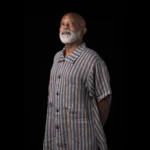
Four years after concluding his transformative, two-decade tenure as music director of the Minnesota Orchestra, Osmo Vänskä remains a central pillar of the Twin Cities’ cultural landscape. While his title has shifted to conductor laureate, his presence in Minneapolis is far from ceremonial. Residing near the banks of the Mississippi River with his wife, concertmaster Erin Keefe, Vänskä has seamlessly transitioned into a new chapter of his life—one that balances local artistic contributions with an intentional pivot toward personal creative growth and a more sustainable global footprint.
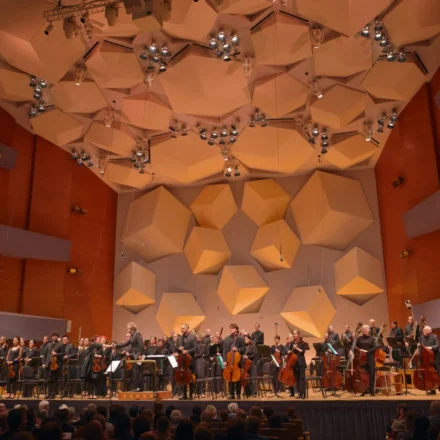
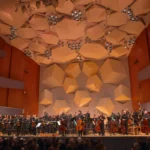
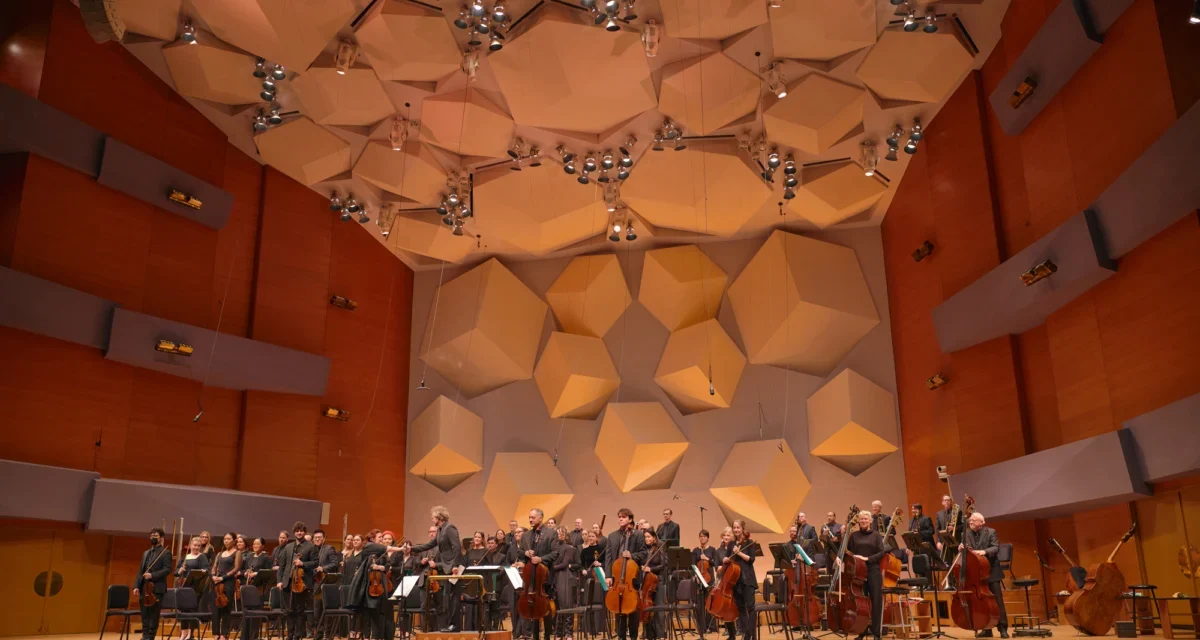
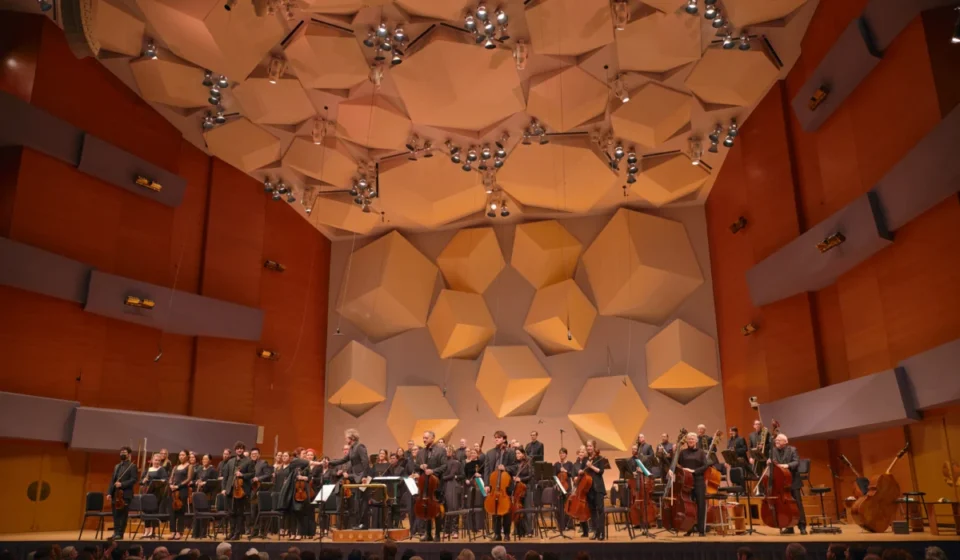
On November 13 and 14, Vänskä will return to the podium at Orchestra Hall to helm the second week of the Minnesota Orchestra’s third annual "Nordic Soundscapes Festival." This festival, a cornerstone of current music director Thomas Søndergård’s vision, serves as a bridge between the musical heritages of the two leaders—Denmark and Finland—and the broader tapestry of Northern European composition. For the local audience, it represents a rare opportunity to see two generations of leadership in productive, harmonious dialogue.
A Legacy of Collaboration and Musical Diplomacy
The relationship between Vänskä and his successor, Søndergård, is one of mutual respect and clear professional alignment. In an era where transitions in arts leadership are often fraught with tension, the rapport between these two conductors stands out.
"I have heard many of the concerts conducted by Thomas, and I have met him many times," Vänskä shared in a recent interview. "We have had many conversations. I am really happy that he is here and he is taking care of the orchestra."
This year’s festival highlights a unique exchange of cultures. During the opening weekend, Søndergård led the orchestra through the symphonic works of the Finnish master Jean Sibelius. In turn, Vänskä will anchor his program on November 13 and 14 with the Symphony No. 6, "Sinfonia semplice," by the Danish composer Carl Nielsen.
Vänskä admits that the idea of "swapping" national composers was a collaborative spark that felt both natural and symbolic. "I am proud of the Finnish background and music culture, but Nordic composers are included in one way in that inner circle too," he noted.
The selection of Nielsen’s sixth symphony is particularly telling of Vänskä’s analytical approach to the podium. Despite the title "Sinfonia semplice," which translates to "Simple Symphony," Vänskä is quick to debunk the name as a bit of wry Danish humor. "It’s really complicated to play, especially for the strings," he explained. Noting that Nielsen was a professional violinist who spent years performing in the opera orchestra in Copenhagen, Vänskä argues that the composer knew exactly how to push the technical limits of the ensemble. To Vänskä, the title is a deliberate, witty misnomer that belies the work’s profound structural complexity.
Chronology: From the Podium to the Composer’s Desk
Vänskä’s career has never been defined by a single role, but his recent decision to step back from an exhaustive international travel schedule marks a significant shift in his life’s timeline. Roughly a year ago, the maestro made a conscious choice to reduce his guest conducting duties.
"I have made a decision… that I just would like to reduce my guest conducting duties and have less time at the airport and away from home," he said. "The move has allowed me to focus on composing and playing my clarinet. Those two things are very good. They keep me happy and busy."
This shift in focus is already yielding fruit. Vänskä has recently completed an orchestral work titled Circus of Life, which is slated for a world premiere by the Curtis Symphony Orchestra in Philadelphia on March 14, 2027. Following its East Coast debut, the piece will be performed in Minnesota, marking a new milestone in his career as a composer. Simultaneously, he continues to perform as a clarinetist, including an upcoming engagement with his wife, Erin Keefe, and pianist Delvan Lin, presented by Mainly Mozart in San Diego.
His work as a conductor also remains deeply personal, often intertwined with his long-standing friendships. At this week’s festival, he will conduct the Violin Concerto by the late Jaakko Kuusisto. Vänskä’s history with the Kuusisto family is extensive; he was the one who encouraged Jaakko to audition for the Lahti Symphony Orchestra, a moment that blossomed into a deep professional and personal bond.
When Jaakko Kuusisto passed away from brain cancer in 2022, he left behind an unfinished symphony commissioned by the Minnesota Orchestra. Through the painstaking work of his brother, Pekka Kuusisto, and the editor Jari Eskola, the work was completed and premiered by the orchestra. Performing the 2012 violin concerto this week is, for Vänskä, a poignant act of remembrance. "He was a really important person for me in musical life, but also a great friend," Vänskä reflected. "I’m really happy that we have a chance to do his violin concerto in this program. It’s a great piece of music."
Industry Turmoil: A Fragile Landscape
Beyond the technicalities of the score, Vänskä’s perspective is sharpened by the current climate of the orchestral world. The classical music industry is currently reeling from a series of labor disputes and institutional challenges. From the Cleveland Orchestra’s three-day strike to the San Francisco Opera Orchestra’s recent work stoppage and the uncertain future of the National Symphony Orchestra at the Kennedy Center, the sector is experiencing significant volatility.

Vänskä, who lived through the intense, prolonged, and often painful lockout during his tenure at the Minnesota Orchestra, views these conflicts through the lens of institutional misunderstanding. He argues that the recurring friction between administrative bodies and performers often stems from a lack of genuine musical literacy within executive suites.
"I don’t know the details about the Minnesota Opera, but usually the problems are going to come to the table when there are many people who are not involved in music who believe that they understand how the orchestra is working," Vänskä observed. "Then they start to make genius solutions in their own opinion, and it’s often going to be a disaster."
This, he believes, is symptomatic of a larger, global instability. He views the decline of stable institutional funding and the rise of administrative overreach as a reflection of a world in "very bad shape." His concern for the National Symphony Orchestra—currently without a home and facing an ambiguous future—is a microcosm of his broader anxiety regarding the sustainability of the arts.
The Human Necessity of Music
Despite these systemic challenges, Vänskä remains steadfast in his belief that the performance of music is an essential, almost medicinal, act for society. He rejects the notion that the audience needs to be an expert in music theory to benefit from it.
"When people sit down for a two-hour concert of music, something usually happens to their mind," he said. "You don’t need to understand the music. You just need to open your mind and listen to it."
This philosophy serves as a guiding light for his current work. By simplifying his life—reducing the travel, focusing on physical health through a rigorous workout regimen, and spending time with family—Vänskä is ensuring that he can continue to contribute to the music that he believes is so vital.
"I don’t want to think about the world without music," he added.
Implications for the Minnesota Orchestra
As the "Nordic Soundscapes Festival" unfolds, the presence of Vänskä serves as a reminder of the continuity that makes the Minnesota Orchestra one of the most respected ensembles in the country. By hosting both the current music director and the laureate, the organization is demonstrating a commitment to its history while actively building its future.
The festival offers a high-level artistic experience, featuring rising talent like violinist Stella Chen and the works of contemporary composers like Outi Tarkiainen, whose profile has been rapidly ascending. For the Minnesota audience, this is more than just a series of concerts; it is an affirmation of the institution’s resilience.
In a landscape where many arts organizations are fighting to remain relevant or even operational, the Minnesota Orchestra appears to be weathering the storm through a blend of institutional memory and creative programming. As Vänskä prepares to lift his baton, he does so with the confidence of a man who has seen the institution through its darkest hours and now watches, with pride, as it continues to find its voice in a new era.
The performances on November 13 and 14 promise to be a highlight of the season, showcasing the technical rigor of Nielsen, the evocative beauty of Tarkiainen, and the heartfelt legacy of Kuusisto. For those looking to experience the intersection of history and innovation, the festival provides a compelling case for the enduring power of the orchestra.
Performance Details:
- Event: Nordic Soundscapes Festival, Week 2
- Conductor: Osmo Vänskä
- Soloist: Stella Chen (Violin)
- Dates: Friday, Nov. 13 (8 p.m.) and Saturday, Nov. 14 (7 p.m.)
- Tickets: $25–$99, with "choose-your-price" options available.
- More Information: Visit the Minnesota Orchestra’s website.