












































The Dinner Table Ballot: How Food Safety Became the Unexpected Flashpoint of the Midterm Elections

As the United States barrels toward the midterm elections, the national conversation has shifted from traditional battlegrounds like inflation and interest rates to a more visceral, immediate concern: the safety of the food on the American dinner plate. What began as a series of isolated health alerts has metastasized into a full-blown political "food fight," with both major parties trading accusations over the integrity of the nation’s food supply chain.
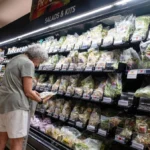
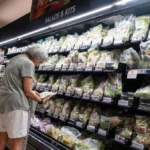
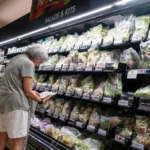
For the average voter, the summer of 2026 was defined by a lingering sense of unease. A massive, multistate foodborne outbreak, combined with high-profile recalls of imported meat, has transformed the grocery aisle into a site of anxiety. This political friction reflects a deeper, structural shift in public health oversight and an increasingly polarized debate over the role of federal regulation in protecting the consumer.
The Anatomy of an Outbreak: A Summer of Uncertainty
The catalyst for this political firestorm was an unprecedented surge in cyclosporiasis—a parasitic infection that causes severe gastrointestinal distress. Between May and August 2026, the Centers for Disease Control and Prevention (CDC) recorded nearly 20,000 laboratory-confirmed cases. To put the scale into perspective, the same period in 2025 saw only 1,180 cases. This makes the 2026 outbreak the largest recorded in history, turning a niche public health concern into a household name.
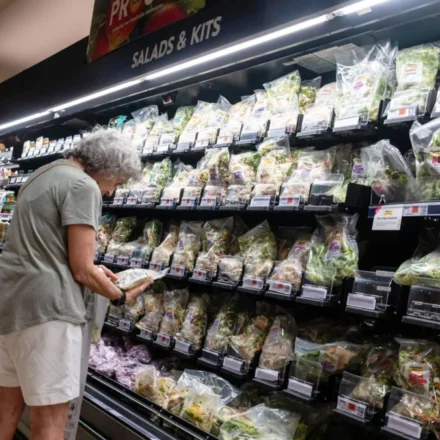
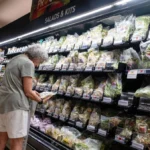
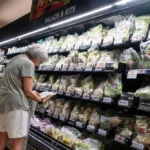
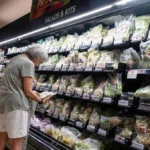
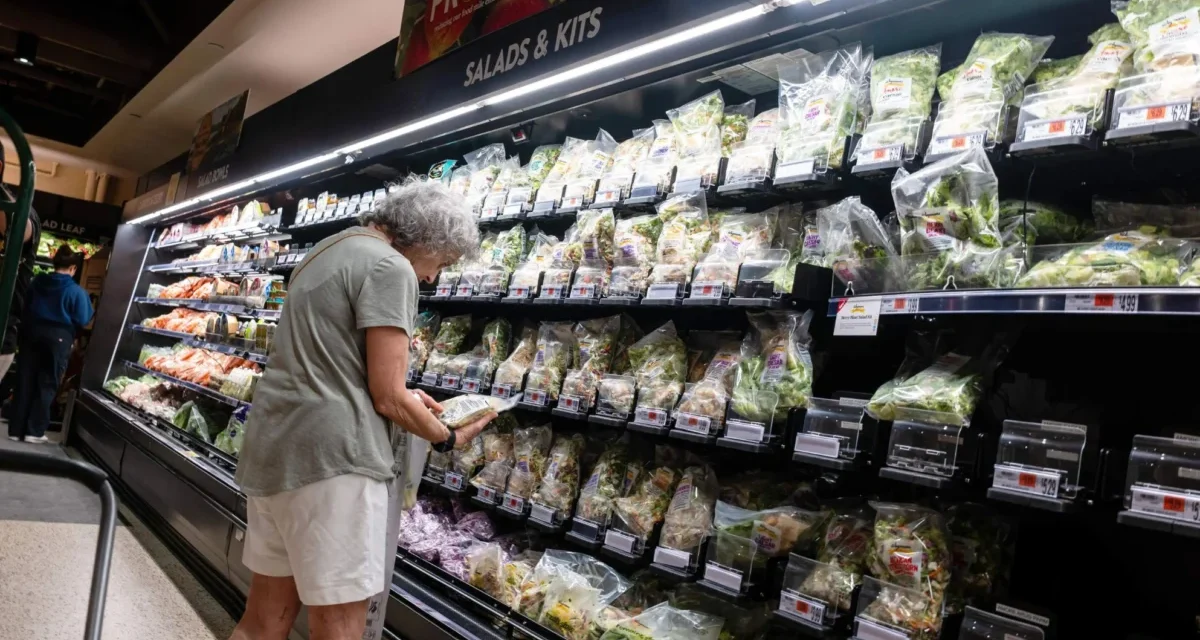
The impact was immediate. Major restaurant chains, including Chipotle and Taco Bell, were forced to pull staple ingredients—most notably lettuce and jalapeños—from their menus. The visuals were stark: empty salad bars, frantic PR damage control, and late-night talk show hosts finding grim humor in the symptoms of the affected.
"One of the reasons food safety is in the news this year, and people have been rightfully concerned, is the combination of high-profile restaurant names and the absolute colossal number of illnesses," explains Teresa Murray, consumer watchdog director at the U.S. Public Interest Research Group (PIRG). "It’s thousands of people. It makes it more real."
Chronology of a Crisis: From Salad Bars to the Ballot Box
The timeline of this crisis mirrors the rising tension in Washington. By mid-summer, the public’s confidence in food oversight had begun to plummet.
- May 2026: The first clusters of cyclosporiasis are reported, eventually spreading across 21 states.
- June–July 2026: As the outbreak grows, public health advocates begin to link the lack of regulatory resources to the inability to contain the parasite.
- August 2026: Survey data from the University of Illinois and Purdue University reveals that the percentage of consumers who believe the U.S. food system produces safe food dropped from 40% in late 2025 to just 30% by August.
- September 2026: Political rhetoric peaks. Democratic leaders, including Senator Elizabeth Warren, launch aggressive public campaigns targeting the Trump administration’s health policies, while the administration retaliates by labeling these criticisms as "fake news" and "scaremongering."
Data Under the Microscope: Are Recalls Really Rising?
While the public sentiment is one of alarm, the actual data on food recalls remains a subject of intense debate. According to PIRG, there have been approximately 200 food recalls so far in 2026—a number largely consistent with the same period in 2025.
However, looking at the broader historical trend, the picture is more complex. The total number of recalls across all food categories rose 21% between 2021 and 2025, according to analysis by Trace One. Crucially, this rise has been driven by "Class I" recalls—the most severe category, involving products that pose a risk of serious illness or death.
The administration has attempted to counter the narrative of failure by pointing to a downward trend in total recall volume. The FDA recently claimed on social media that fiscal year 2026 recalls are at the lowest levels in over a decade. Yet, this assertion has been met with skepticism from experts. Susan Mayne, former director of the FDA’s Center for Food Safety and Applied Nutrition, noted that the administration’s data appears to conflate food recalls with those of medical devices and drugs. "This HHS assertion appears to be based on incorrect data," Mayne noted on professional networking platforms, highlighting the danger of using broad administrative aggregates to mask specific food safety failures.
Official Responses and the Political Divide
The clash has centered on the leadership of the Department of Health and Human Services (HHS), specifically Secretary Robert F. Kennedy Jr. Democratic lawmakers have been unsparing in their critique, framing the administration’s budget cuts to public health agencies as a direct assault on consumer safety.
Senator Elizabeth Warren has led the charge, demanding accountability for what she terms a "failed response" to the cyclosporiasis outbreak. "Trump is dismantling our government—and it’s harming people," Warren wrote on X. Rep. Gabe Amo (D-R.I.) and other party members have echoed this sentiment, calling for an immediate restoration of FDA inspector staffing.
The administration’s defense has been equally combative. HHS spokesperson Grace Davis Jamison maintains that the FDA and CDC remain fully operational and that "no FDA investigators were affected by staffing changes or reductions in force." The administration argues that it has managed a "robust response" to every outbreak, providing Americans with the necessary tools to protect themselves.
Calley Means, a senior adviser to HHS, has characterized the Democratic attacks as "craven" and "disingenuous," suggesting that the administration is being penalized for effectively managing a complex global supply chain.
The Structural Implications: A Changing Regulatory Landscape
The controversy is not merely about the number of recalls; it is about the philosophy of food safety governance. Several policy shifts by the Trump administration have intensified concerns among food safety advocates:
- Deregulation of Meat Processing: In late August, the administration moved to lower barriers for small livestock operations to slaughter and process their own meat. While framed as a boon for small farmers, critics fear it will lead to a fragmented system with inadequate safety oversight.
- Import Policy: The administration has signaled a pivot toward importing more beef from Brazil and Argentina. This has caused alarm, particularly given that the European Union has maintained a ban on Brazilian beef due to concerns over noncompliance with antibiotic use and general safety standards.
- Delayed Accountability: The administration withdrew a proposed rule—originally drafted during the Biden era—that would have significantly tightened standards for salmonella in raw poultry. Furthermore, it has pushed back the implementation of a vital food traceability rule from January 2026 to July 2028, citing the need for industry compliance time.
Conclusion: The Cost of the "Food Fight"
The long-term impact of this political battle remains to be seen, but the immediate consequences are clear: consumer behavior has changed. Nearly half of all U.S. consumers have modified their grocery shopping habits, and 40% have changed their restaurant dining patterns due to safety concerns.
As Sandra Eskin, CEO of the nonprofit Stop Foodborne Illness, points out, there is a fundamental paradox in the current political climate: "If you want people to eat real food, fresh fruits and vegetables, they have to be safe. Instead, we have had farmers plowing under fields because people aren’t buying lettuce."
For a nation that prides itself on having the safest food supply in the world, the current environment is a sobering reminder that food safety is not just a regulatory issue—it is a public trust issue. As voters head to the polls this midterm season, they are not just casting ballots for policies; they are weighing whether they can trust the hands that guard their dinner table. Whether the current administration’s "robust response" narrative holds up or the opposition’s calls for reform gain traction will depend on whether the public feels that the government is, in fact, doing its job—or if the food on their plates remains a political gamble.