














































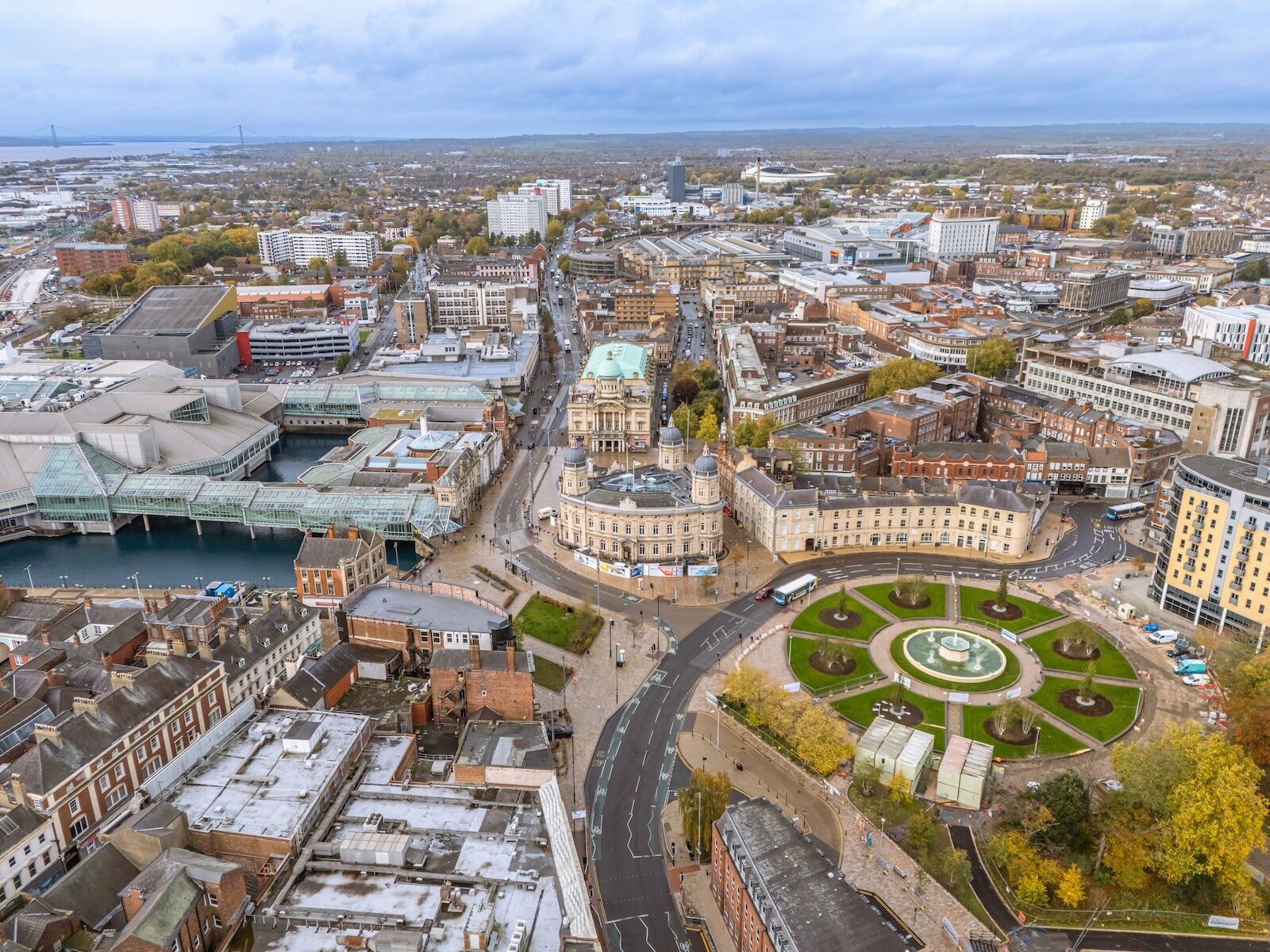
For years, the city of Hull and the surrounding East Riding of Yorkshire found themselves unfairly relegated to the bottom of "worst places to live" listicles. Often dismissed as a forgotten industrial outpost, the region has, in reality, been undergoing a profound and deliberate metamorphosis. Today, the area stands as a testament to the power of cultural investment, standing tall as a vibrant tapestry of maritime history, artistic resurgence, and some of the most overlooked natural beauty in the United Kingdom.
Main Facts: The New Identity of East Yorkshire
The transformation of the region is not merely anecdotal; it is structural. At the heart of this shift is Kingston upon Hull, or simply "Hull." Once a city defined primarily by its deep-sea fishing heritage, it has successfully pivoted toward a service and cultural economy.
Key pillars of this regional identity include:
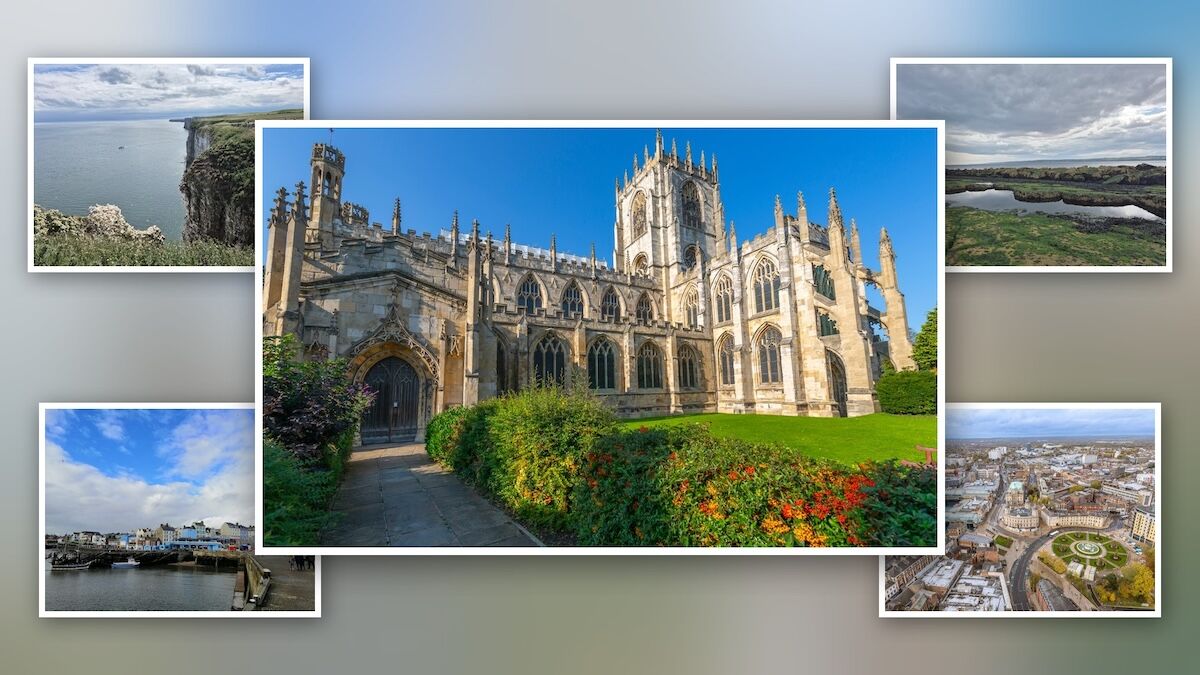
- Cultural Infrastructure: Following its tenure as the UK City of Culture in 2017, Hull has maintained a momentum that keeps its museums, such as the Street Life Museum, largely free to the public, ensuring cultural accessibility.
- The "Hullywood" Effect: The city’s distinct blend of Victorian architecture and gritty, industrial dockside scenery has made it a preferred filming location for major international productions, fueling a secondary tourism market.
- Accessible Wilderness: East Yorkshire offers the Yorkshire Wolds—a landscape of rolling chalk hills that, unlike the more famous Yorkshire Dales or Peak District, remains largely untouched by mass tourism.
- Connectivity: While often perceived as geographically isolated, the region is integrated into the national rail network, providing a car-free corridor for travelers looking to traverse the transition from urban industrialism to pastoral tranquility.
Chronology of a Renaissance
The path to the present day was not accidental; it was a decades-long effort to reclaim the narrative of a region hit hard by the decline of the North Sea fishing industry.
- 1990s–2000s: A period of slow, localized regeneration focusing on the cleanup of the Humber Estuary and initial investment in city-center pedestrianization.
- 2017: The watershed moment. Hull’s designation as the UK City of Culture brought £3.4 billion of investment and, more importantly, a psychological shift. The city began to believe in its own potential as a tourist destination.
- 2020–2023: The "Fruit Market" revitalization reached maturity. Formerly derelict warehouses were fully converted into a thriving district of art galleries, independent dining, and creative workspaces, cementing the city’s status as an arts hub.
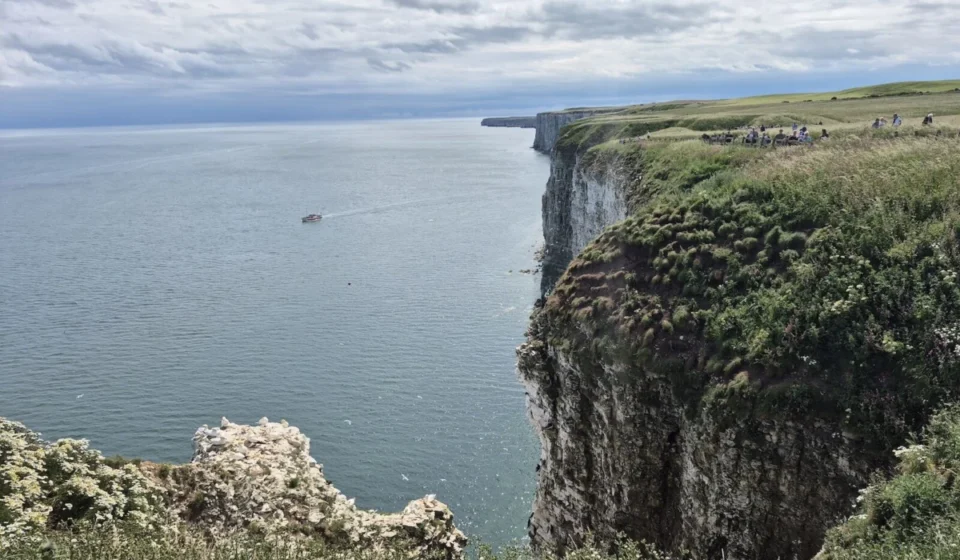
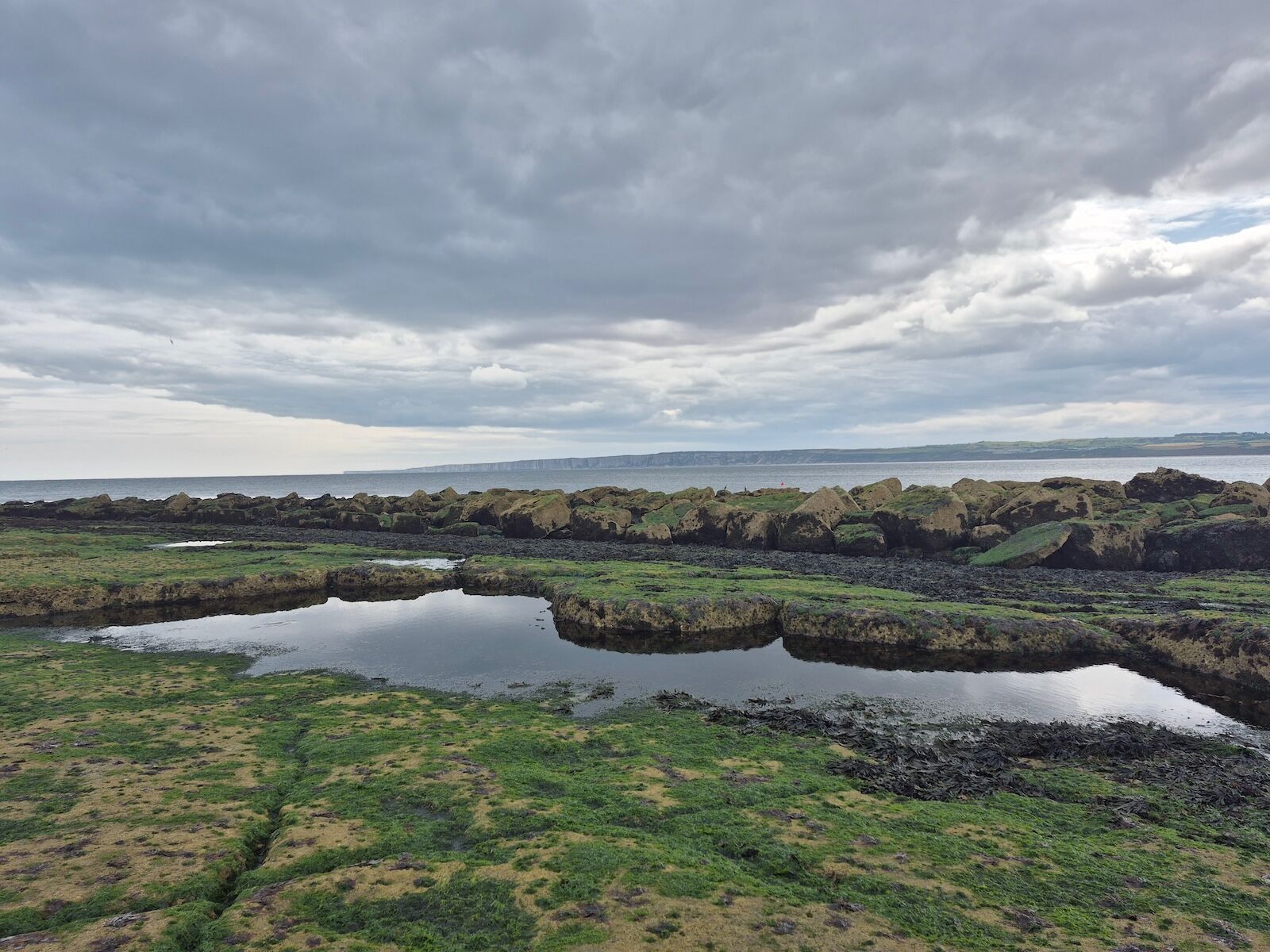
- 2024–Present: The expansion of the "Wold Rangers Way" and increased promotion of the Bempton Cliffs RSPB reserve have shifted the focus toward eco-tourism and outdoor adventure, bringing the coastal and rural assets of East Yorkshire into the national spotlight.
Supporting Data: The Economic and Cultural Shift
The shift in East Yorkshire is supported by tangible metrics. According to recent regional economic reports, the "Visitor Economy" in the East Riding has seen a 15% increase in annual footfall compared to pre-2017 figures.
The popularity of the Yorkshire Wolds Way serves as a vital indicator of this shift. As a 79-mile National Trail, it has seen steady growth in usage. Unlike the more arduous trails in the Lake District, the Wolds provide a "low-impact, high-reward" experience. Data suggests that the average hiker spends between four and six days on the trail, contributing significantly to the local hospitality sector in small market towns like Driffield and Beverley.
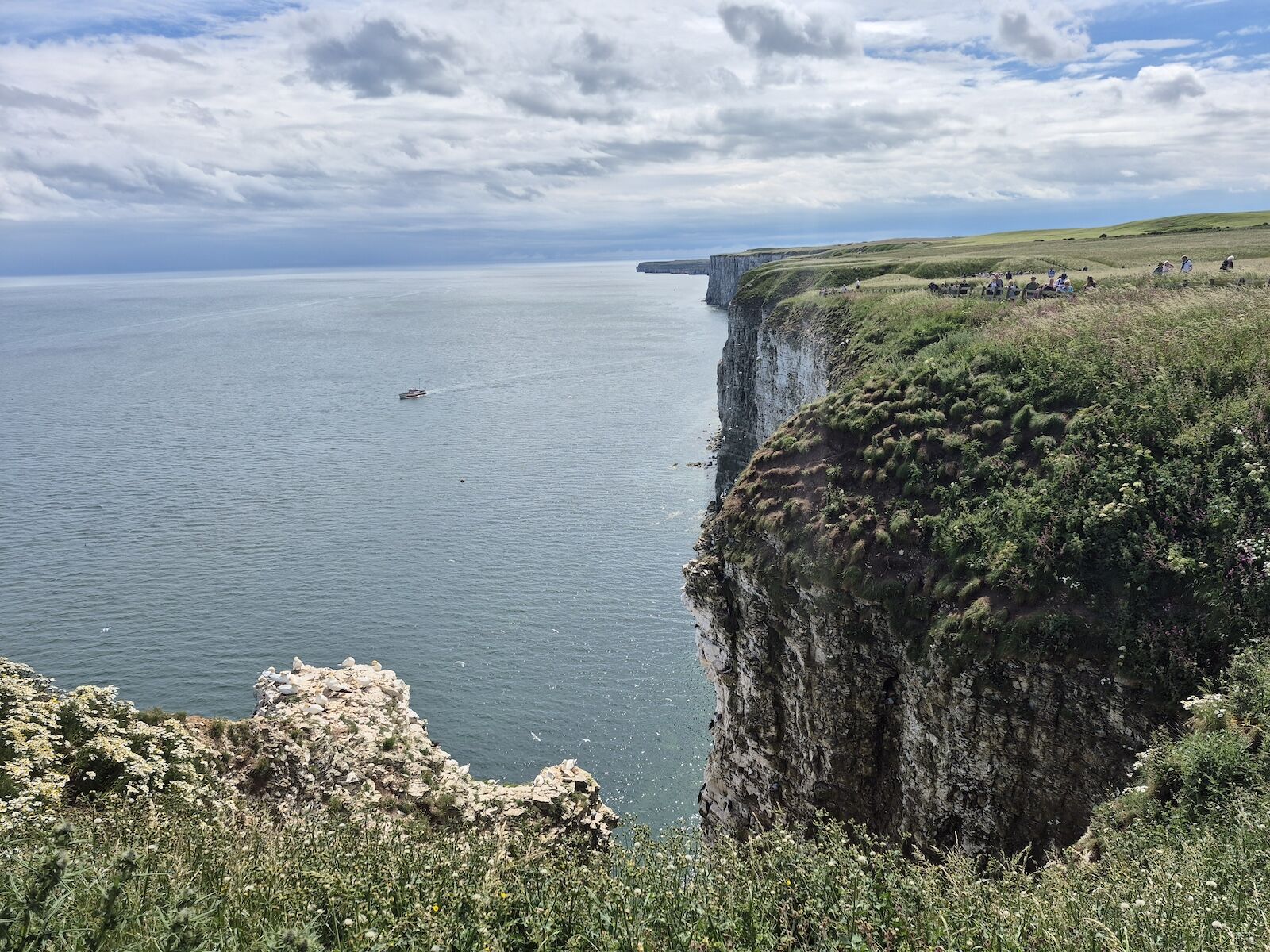
Furthermore, the rise of the Bempton Cliffs as a primary ornithological destination is statistically significant. With peak visitor numbers during the May and June puffin-nesting seasons, the site acts as a major driver for local coastal businesses, proving that conservation-led tourism is a viable economic model for the region.
Official Responses and Perspectives
Local stakeholders, including representatives from Visit East Yorkshire and regional development agencies, maintain that the "hidden gem" status of the region is no longer a disadvantage.
"We aren’t trying to compete with the sheer volume of visitors seen in York or the Lake District," says a spokesperson for a regional tourism board. "Our strength lies in the authenticity of the experience. When you walk the Wolds, you aren’t fighting for a spot on a trail; you are experiencing the landscape as it has looked for centuries. That is a premium product in a modern, crowded world."
Local business owners in Hull’s Fruit Market district echo this, noting that the "Hullywood" exposure has brought a younger, more cosmopolitan demographic to the city, which in turn has supported a more sophisticated culinary scene. "People arrive expecting the stereotypes, but they leave asking when they can return," says one café owner. "The city has a ‘breathability’ that you simply cannot find in London or Manchester."
The Implications: Why East Yorkshire Matters Now
The rise of East Yorkshire has broader implications for how we view post-industrial Britain. The region proves that "leveling up" does not always require the erasure of the past. Instead, it requires the creative repurposing of infrastructure.
The Urban-Rural Synergy
The model employed in East Yorkshire—a base in the vibrant, affordable city of Hull followed by a retreat into the sparse, quiet Wolds—is a blueprint for sustainable travel. It reduces the strain on traditional tourist hotspots and distributes economic benefits to overlooked market towns like Driffield and Beverley.
Preservation of Heritage
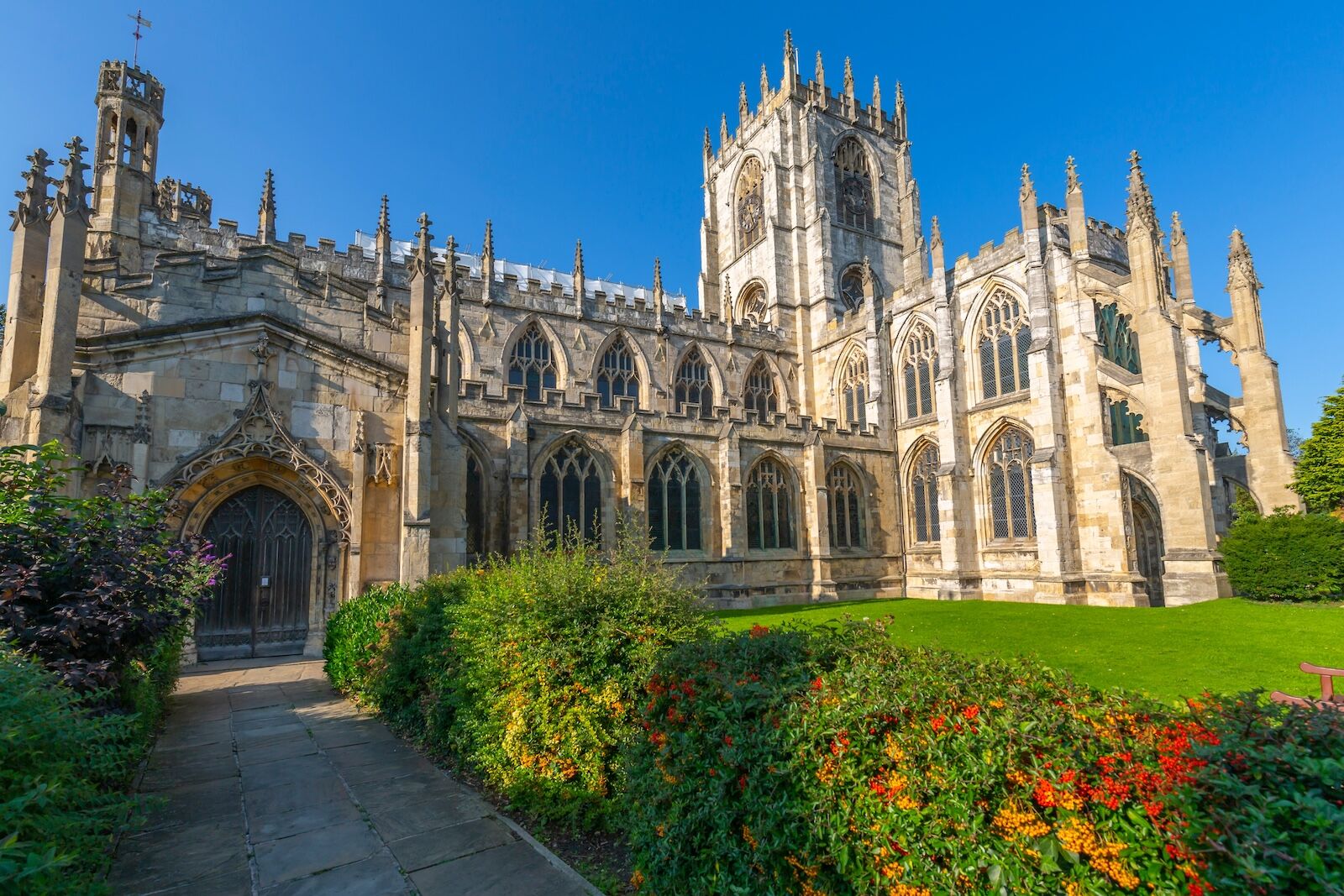
The focus on sites like the abandoned medieval village of Wharram Percy and the preservation of the Beverley Westwood common lands shows a commitment to historical stewardship. These sites are not just attractions; they are the living history of Northern England. By inviting the public to engage with them, the region ensures that its heritage is funded and protected rather than left to decay.
The Future of Eco-Tourism
With the increasing popularity of trails like the Wold Rangers Way, East Yorkshire is positioning itself as a leader in "slow travel." The implication for the future is clear: as travelers become more conscious of their environmental footprint and seek to avoid "over-tourism," regions that offer quiet, accessible, and well-maintained natural corridors will see a disproportionate rise in popularity.
Conclusion: A Call to the Curious
East Yorkshire is no longer a region to be overlooked. Whether it is the industrial chic of a converted warehouse in Hull, the ethereal silence of the Wolds, or the dramatic, cliff-side spectacle of a puffin colony at Bempton, the area offers a compelling argument for the road less traveled.
For the modern traveler, the East Riding of Yorkshire represents a rare opportunity: the chance to explore a corner of England that is still defining itself on its own terms, free from the exhaustion of mass-market commercialism. It is a place where cargo, creativity, and the countryside don’t just coexist—they define a new, hopeful future for the North.
As you plan your next excursion, consider the path from the estuary to the chalk cliffs. You will find that the "worst place to live" listicles were not only wrong—they were looking in the wrong direction entirely. The true value of East Yorkshire is found in its resilience, its quiet beauty, and its unwavering commitment to its own unique identity.