
































Echoes of Resistance: How Twin Cities Performance Art is Confronting Institutional Trauma

In an era defined by political instability, systemic violence, and the lingering ghosts of historical atrocities, the Twin Cities theater and dance scene has emerged as a critical laboratory for cultural processing. Across three distinct productions currently anchoring the local arts landscape—Marcie R. Rendon’s Sweet Revenge, Moriah Evans’ }[¦/+^%<>¬£¥$&@!!!!^^^], and Ananya Dance Theatre’s Prem—performers are moving beyond mere entertainment. They are engaging in a rigorous, often uncomfortable interrogation of institutional power and the cyclical nature of trauma.
For the audiences witnessing these works, the message is clear: when the structures of society fail to protect the vulnerable, art must serve as the primary site for truth-telling, resistance, and the reclamation of agency.
The Weight of History: Sweet Revenge at the Red Eye Theater
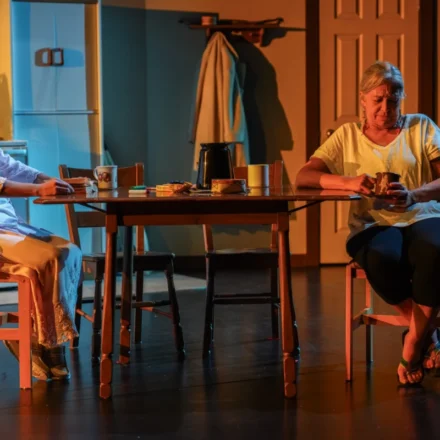
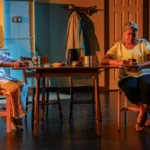
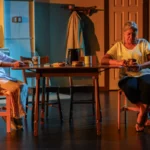
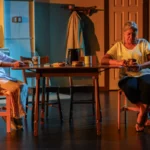
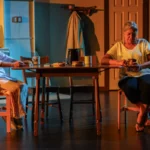
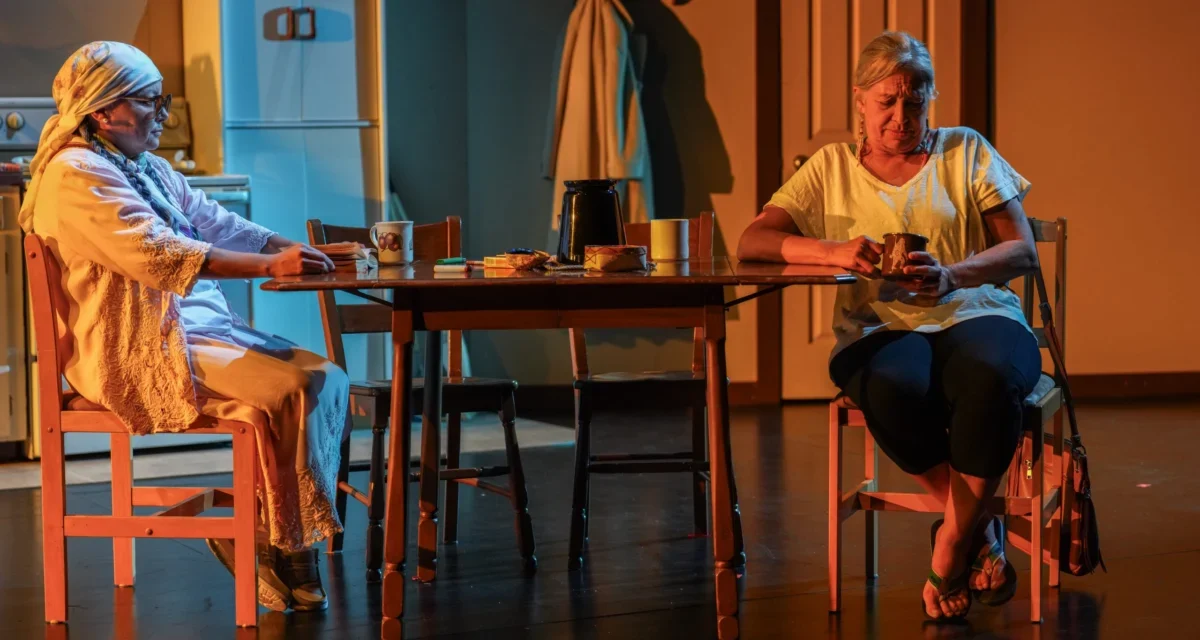
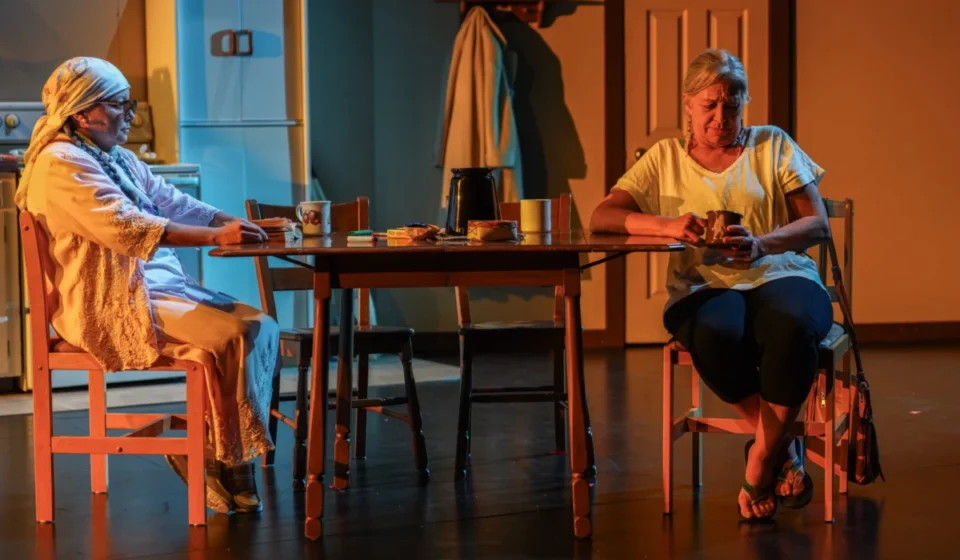
The visceral reality of intergenerational trauma is nowhere more palpable than in Marcie R. Rendon’s Sweet Revenge. The play centers on Maggie, a character portrayed with a grounded, no-nonsense confidence by Fern Renville. Maggie’s life is a balancing act; she navigates the responsibilities of raising two grandchildren while managing a side business that provides spiritual and cultural support to her community.
However, the narrative is haunted by a recurring, sonic intrusion: an ice cream truck that circles her home every thirty minutes. The cheerful, discordant melody serves as a sharp, painful reminder of the childhood joy stolen from generations of Native children by the American Indian boarding school system—a state-sponsored project designed to systematically erase Indigenous language and culture.
In one of the play’s most defining moments, Maggie turns to her mother, Granny Josephine (Oogie Push), and cries out, “I’m so tired of your rage controlling me.” The line is more than a familial rebuke; it is a plea for liberation from the inherited trauma that continues to dictate the lives of Native women.
A Nuanced Portrait of Urban Native Life
Directed by Sequoia Hauck and presented by the Mni Giizhik Theatre Ensemble in collaboration with Exposed Brick Theatre, Sweet Revenge avoids the trap of monolithically depicting the Native experience. Instead, it offers a layered look at the hypocrisies and squabbles inherent in any tight-knit community.
In a telling subplot, three women—all high-powered social services professionals—approach Maggie for spiritual expertise ahead of a community event. Too preoccupied by their own demanding careers to perform the necessary, time-intensive labor of creating prayer ties or preparing traditional food, they attempt to outsource their cultural obligations to Maggie. Her response is a masterclass in community dynamics: she provides the items but insists on providing the necessary spiritual guidance, effectively forcing her clients to reckon with their own disconnection.
While the production faced minor opening-weekend challenges—including some logistical staging choices and a slightly confusing subplot involving the serial demise of ice cream truck drivers—the performance remains a vital piece of storytelling. The integration of Ches Cipriano’s shadow puppetry successfully bridges the gap between the mundane realities of modern life and the ghostly, lingering presence of the past.

The Geography of Rage: Moriah Evans at the Walker
If Sweet Revenge processes trauma through domestic realism, Moriah Evans’ [¦/+^%<>¬£¥$&@!!!!^^^],* takes a more abstract, kinetic approach. The title, an unpronounceable string of symbols meant to signify a censored, explosive expletive, perfectly encapsulates the raw, unfiltered fury that drives the performance.
Evans’ work is a study in spatial power dynamics. The performance began outdoors, utilizing the Walker Art Center’s campus as a sprawling stage. Dancers in fluorescent rain gear performed across hills, rooftops, and sidewalks, their movements shifting with the wind. To the observer, there was an initial sense of liberation—a fluid, unconfined dance.
From Freedom to Confinement
Once the performers transitioned indoors, the atmosphere shifted toward the claustrophobic. The movements became rigid, bordering on the militaristic. As the dancers crawled through the hallways, the architecture of the museum began to feel less like a cultural sanctuary and more like a mechanism designed to siphon away their power.
The text woven into the choreography explicitly referenced state-sponsored violence, specifically naming Renee Good and George Floyd. During the post-show talkback, Evans was explicit about her intentions, labeling the traditional proscenium stage an “instrument of patriarchy” and noting that she views choreography itself as a “violent project.” By forcing the audience to sit in place while the performers spilled into balconies and across jagged, uncomfortable platforms, Evans successfully turned the theater into a site of surveillance and confinement.
Collective Healing: Ananya Dance Theatre’s Prem
Where Evans’ work functions as a deconstruction of power, Ananya Dance Theatre’s Prem serves as a testament to the power of collective endurance. In the face of state propaganda and aggressive immigration enforcement—such as the federal “Operation Metro Surge” that swept through Minnesota last winter—Prem acts as a defiant narrative of survival.
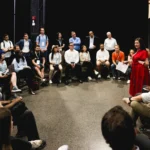
Directed by Dipankar Mukherjee and choreographed by Ananya Chatterjea, the piece is structured as a cyclical journey through catastrophe, grief, resistance, and joy. The dancers perform not as individual characters, but as a chorus—a physical embodiment of community resilience.
The Myth of the Savior
A pivotal moment in the performance occurs when guest artist Mankwe Ndosi sings, “We make the future together,” and “no one is coming to save us because we are the ones that we need.” This sentiment serves as the heartbeat of the production. It is a sobering acknowledgement of the limitations of community resistance in a political landscape where democratic norms are under constant assault.
However, the production refuses to succumb to nihilism. By centering on the act of "love as an occupation"—the literal translation of the show’s title—the troupe posits that resistance is not just a reactive state, but a proactive, loving commitment to one another.

Implications: The Vitality of Decisive Art
The synchronization of these three works—Sweet Revenge, [¦/+^%<>¬£¥$&@!!!!^^^]{,, and Prem*—on Twin Cities stages this season is not a coincidence. It reflects a broader shift in the arts sector toward work that refuses to remain neutral.
The implications for the regional arts community are significant. We are witnessing a transition where artists are no longer content to reflect society; they are intent on actively challenging the structures that govern it. Whether it is through the quiet, spiritual labor of an urban Native woman, the physicalized rage of dancers in a gallery, or the collective, melodic resistance of an immigrant-led dance company, these performances demand that the audience stop being passive spectators.
Looking Ahead: The Future of Performance
The logistical struggles noted in some of these performances—such as the "math problem" of the ice cream truck drivers in Sweet Revenge or the raw, sometimes overwhelming intensity of the Walker residency—do not detract from the importance of these works. If anything, they highlight the high stakes involved in creating art that addresses systemic violence.
As we move into the remainder of the season, the challenge for these institutions and creators will be to maintain this momentum. When the headlines shift and the news cycle moves on, the work of processing historical trauma and building community resilience remains.
In the words of the performers themselves, there is no savior coming to resolve the crises of our time. The responsibility, and the beauty, lies in the work done on stage—and the connections fostered within the audience. These performances are not just a reflection of our current state of anxiety; they are a blueprint for how we might survive it together.
Performance Information:
- Sweet Revenge: Playing at the Red Eye Theater, 2213 Snelling Ave., Minneapolis. Remaining shows: Oct. 14–17 at 7 p.m. Tickets range from $0–$35.
- PREM | Love: An Occupation: Playing at the Southern Theater, 1420 S. Washington Ave., Minneapolis. Remaining shows: Oct. 15–17 at 7:30 p.m. Tickets range from $0–$50.