




















































The Great Green Shift: How Native Plants Evolved from ‘Weeds’ to Essential Infrastructure

Introduction: A Changing Landscape in the Windy City
At the Kilbourn Park greenhouse on Chicago’s north side, the sound of a rusty pulley system signals the start of a new era in urban horticulture. Renee Costanzo, the Chicago Park District’s sole full-time employee at the facility, leans into the task, opening the roof to let in the spring air. Beneath the glass, 12,000 seedlings—ranging from vibrant zinnias to the sturdy, deep-rooted grasses of the Illinois prairie—soak up the light.
For decades, this greenhouse followed a predictable rhythm: preparing tomatoes, cucumbers, and flashy annuals for the neighborhood’s backyard gardeners. But in recent years, the inventory has undergone a radical transformation. What were once dismissed as "weeds" by previous generations are now the most sought-after items in the catalog. Native plants—species that have evolved over millennia to thrive in the specific climate and soil of the Great Lakes region—are flying off the shelves at record rates.
This shift is not merely a local trend; it represents a fundamental change in how Americans view their relationship with the land. From the urban lots of Chicago to the sprawling nurseries of Minnesota and Wisconsin, the "native plant movement" has transitioned from a niche hobby for environmentalists into a mainstream horticultural revolution driven by climate anxiety, ecological necessity, and a new aesthetic of resilience.
Main Facts: Record-Breaking Demand at Kilbourn Park
The annual Kilbourn Park plant sale has long been a staple of the Chicago gardening calendar. Historically, the event drew a loyal crowd of roughly 1,100 people, mostly locals looking for affordable $4 starter plants. However, the 2024 sale shattered all previous benchmarks. More than 2,300 shoppers descended upon the park, lining up around the block for the chance to purchase locally grown flora.
The financial and logistical scale of the event reflects this surging interest:
- Production: Costanzo and a team of volunteers spent months "coddling" over 15,000 plants, including 30 different native species.
- Revenue: The sale generated approximately $48,000, nearly double the initial fundraising goal of $25,000.
- Inventory Shift: Nearly 20% of the plants offered this year were native species, a figure that has grown steadily over the last five years in direct response to consumer inquiries.
- Community Impact: Proceeds are earmarked for a new outdoor learning center, furthering the mission of environmental education in the Chicago metropolitan area.
Lourdes Valenzuela, a retired schoolteacher and long-time volunteer with the Friends of Kilbourn Park Greenhouse, noted that the atmosphere has changed. "We’re not fighting against the climate here anymore," she observed. "We’re working with it."
Chronology: From Niche Ecology to Mainstream Market
The rise of native plants has been what industry veterans call a "long, steady climb" rather than an overnight fad. To understand the current boom, one must look back to the early 1980s, when the commercial market for these species was virtually non-existent.
The Early 1980s: The Niche Era
In 1982, Neil Diboll, now the president of Wisconsin-based Prairie Nursery, began his journey into native plant cultivation. At the time, the general public viewed prairie grasses and wildflowers as untidy or undesirable. Diboll recalls that his company’s gross revenue in those early years was just over $13,000—barely enough to sustain a small operation.
The 2000s: The Awakening
As data regarding the decline of pollinators—specifically the Monarch butterfly and various native bee species—began to reach the mainstream, the narrative started to shift. Organizations like Wild Ones, which began as a small gardening club in Milwaukee, started expanding. Gardeners began to realize that the "clean" look of manicured turf grass was essentially a "biological desert" for local wildlife.
The 2010s to Present: The Climate Catalyst
The last decade has seen an exponential increase in interest. This period coincides with more frequent extreme weather events, including the heatwaves, droughts, and flash flooding that have plagued the Midwest. Native plants, with their ability to survive these swings without supplemental irrigation or chemical fertilizers, became a practical solution for the modern homeowner.
Becky Klukas-Brewer, co-owner of Prairie Moon Nursery in Minnesota, reports that her nursery has seen a 350% increase in sales over the last seven years alone. What was once a $13,000-a-year industry for pioneers like Diboll is now a multi-million dollar sector where "you can add a few zeros" to those early figures.
Supporting Data: The Economics of Ecology
The data supporting the native plant boom is consistent across nurseries, non-profits, and municipal programs.
- Wholesale and Retail Growth: Prairie Nursery is currently shipping out approximately 500,000 plants and millions of seeds annually. Last year alone, they experienced a 7% increase in sales, continuing a decades-long upward trajectory.
- Non-Profit Expansion: Wild Ones, now a national non-profit with over 14,000 members, facilitated the sale of over 110,000 native plants through 107 chapter-led sales in the previous year. An additional 40,000 plants were distributed through various educational programs.
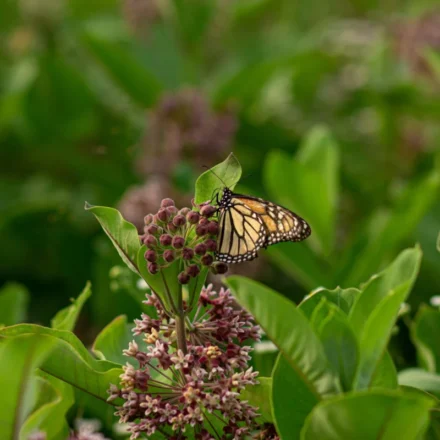
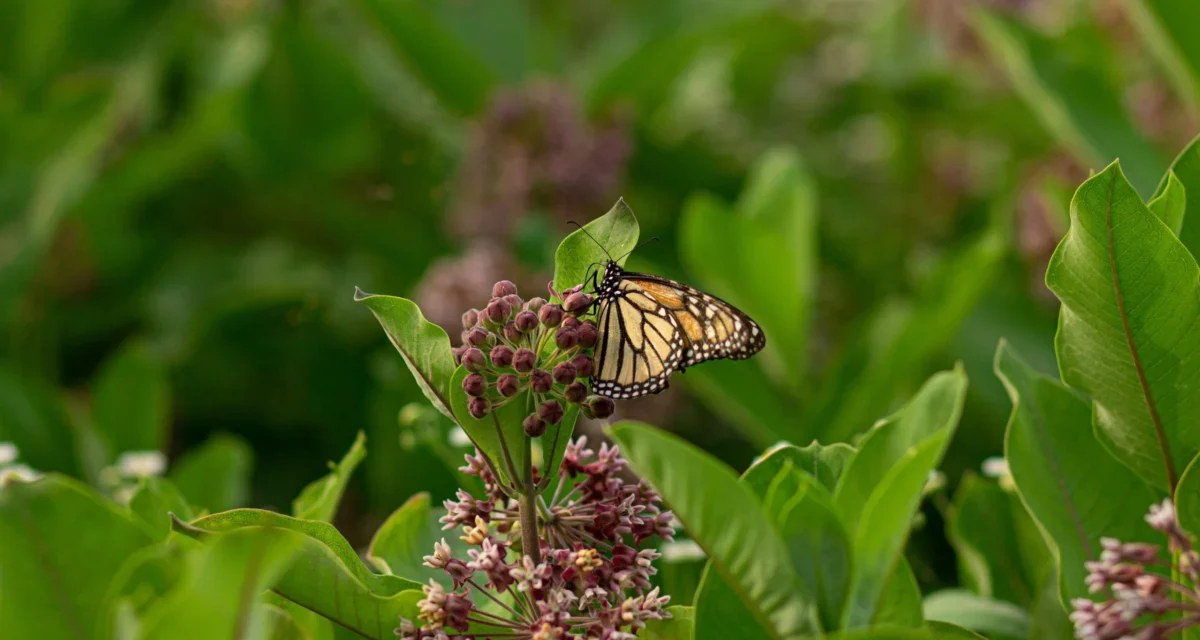
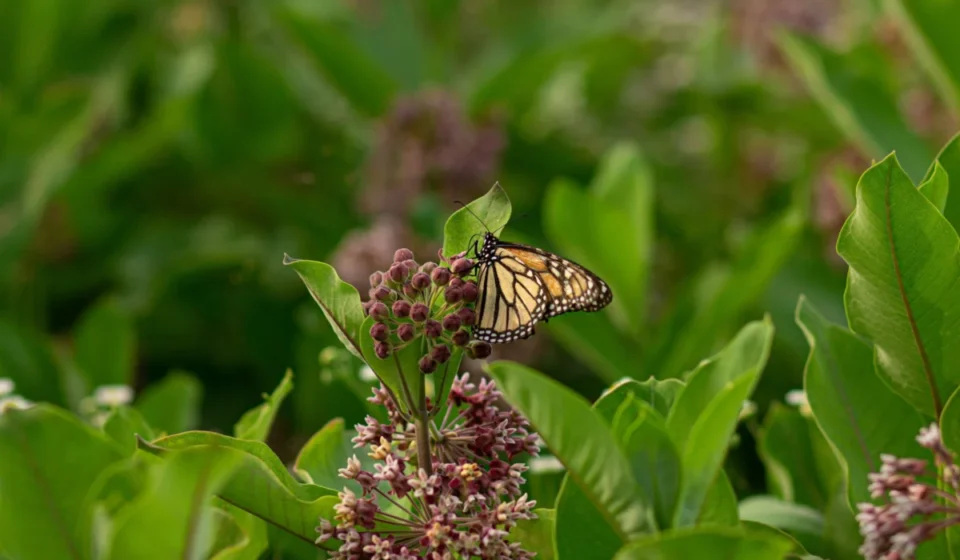
- The "Monarch Effect": Research into the Monarch butterfly has been a primary driver of consumer behavior. Monarch caterpillars rely exclusively on native milkweed (Asclepias) for food. As land development destroyed these habitats, Monarch populations plummeted. The public response has been a massive "homegrown" effort to replant milkweed, which often serves as a "gateway drug" for gardeners to explore other native species like Joe Pye Weed, Coneflowers, and Little Bluestem.
Official Responses: The Case for Resilience
Government agencies and conservation groups are increasingly viewing native plants as "green infrastructure" rather than mere decoration. Tiffany Jones, who leads habitat education for the National Wildlife Federation in the Great Lakes region, emphasizes the practical benefits that go beyond aesthetics.
"Native plants have been adapting to change for thousands of years," Jones says. "They are incredibly resilient."
Key advantages cited by experts include:
- Water Management: Unlike non-native turf grass, which has roots only a few inches deep, many native prairie plants have root systems that extend 10 to 15 feet underground. These "straws" help the soil absorb massive amounts of rainwater, significantly reducing runoff and the risk of urban flooding.
- Maintenance Reduction: Once established, native gardens require no pesticides, no fertilizers, and significantly less water than traditional landscaping. This represents a major cost and labor saving for municipal park districts and private homeowners alike.
- Biodiversity Support: By providing the specific nectar, pollen, and leaves required by local insects, these plants support the entire food web, including songbirds and predatory beneficial insects.
The Chicago Park District’s support of the Kilbourn Park sale reflects a broader policy shift toward sustainable urban land management. By empowering local greenhouses to produce these species, the city is fostering a decentralized network of ecological restoration.
Implications: Redefining the American Garden
The "flying off the shelves" phenomenon at Kilbourn Park suggests that we are witnessing the end of the "industrial garden" era—a period characterized by high-input, low-diversity landscapes.
The Future of Urban Design
The success of these sales indicates that the next generation of urban design will likely prioritize ecological function. We are moving toward a "Homegrown National Park" model, where the cumulative effect of thousands of small backyard native plots creates a corridor for wildlife that can compete with traditional protected wilderness areas.
Economic Shifts in Horticulture
For the nursery industry, the implication is clear: the demand for native genotypes is no longer a trend; it is the market. Traditional nurseries that fail to incorporate native species risk losing a growing demographic of environmentally conscious consumers.
Climate Adaptation
As the Midwest faces a future of unpredictable precipitation and rising temperatures, native plants offer a blueprint for survival. They are the original inhabitants of the land, built to withstand the very challenges that now threaten modern agriculture and traditional landscaping.
Conclusion
Back at Kilbourn Park, the $48,000 raised will soon transform into a new outdoor learning center. This cycle—where the sale of native plants funds the education of the next generation of gardeners—is a microcosm of a larger national movement.
The transition of native plants from "weeds" to "wonders" is a rare success story in the modern environmental narrative. It proves that when provided with the resources and education, the public is willing to trade the fleeting, high-maintenance beauty of exotic annuals for the deep-rooted, enduring legacy of the prairie. As Renee Costanzo and her team of volunteers prepare for next year, the goal remains the same: getting these "babies" into happy homes, one native seedling at a time.