























































Reclaiming Identity: The Republic of Naoero Restores Its Pre-Colonial Name on the Global Stage

In a historic move to shed the linguistic remnants of its colonial past, the tiny Pacific island nation formerly known internationally as Nauru has officially changed its name to the Republic of Naoero. The decision, spearheaded by President David Adeang, aligns the country’s international designation with the traditional name used by its indigenous population for centuries.
This transition represents more than a simple administrative adjustment; it is a profound reclamation of heritage, language, and sovereignty. As the country navigates existential environmental threats and economic restructuring, the restoration of its ancestral name serves as a symbolic anchor for its cultural survival.
Main Facts: The Transition from Nauru to Naoero
The official renaming of the central Pacific nation introduces several key changes to how the country is recognized globally and linguistically:
- The Name and Pronunciation: The country is now officially the Republic of Naoero. The traditional name is pronounced "Now-ero", replacing the widely used anglicized pronunciation of "Now-roo".
- The Demonym: Citizens of the nation, previously referred to as Nauruans, will now be known as dei-Naoero.
- International Standardization: The nation’s three-letter international country code is transitioning from NRU to NRO.
- Global Implementation: The United Nations officially updated its member-state listings to reflect the Republic of Naoero in late June 2026. Key geopolitical partners, including Australia, New Zealand, the United States, and China, have begun updating their diplomatic registries, maps, and official communications.
President David Adeang emphasized that this change does not represent the creation of a new national identity, but rather a return to the country’s authentic self. "Naoero is not a new name seeking acceptance by the people," President Adeang stated. "It is the identity we have always carried within our own borders."
Chronology: From Pre-Colonial Roots to Sovereign Renaming
To understand the significance of this renaming, one must look at the historical trajectory of the island, from its ancient isolation to its modern legislative reforms.
[Pre-19th Century] Traditional use of "Naoero" by indigenous clans
       │
[1888] German annexation; foreign visitors simplify name to "Nauru"
       │
[1914–1968] Joint Australian, British, and New Zealand administration
       │
[1968] Independence gained under the name "Nauru"
       │
[May 2026] Parliament passes constitutional amendment to restore "Naoero"
       │
[June 26, 2026] United Nations officially registers the name change
       │
[July–August 2026] International partners update diplomatic records
The Colonial Erasure of Naoero
For millennia, the indigenous inhabitants of the isolated coral island referred to their home as Naoero. However, the arrival of European whalers, traders, and colonizers in the 19th century disrupted this linguistic heritage. In 1888, the island was annexed by the German Empire. Foreign administrators and visitors, finding the native pronunciation of Naoero challenging, simplified the spelling and pronunciation to "Nauru."
Following Germany’s defeat in World War I, the League of Nations established a joint trustee administration consisting of Australia, Great Britain, and New Zealand, with Australia executing primary administrative control. Throughout these decades of foreign rule, the anglicized "Nauru" became entrenched on global maps, international treaties, and shipping manifests.
The Path to Independence and Constitutional Preservation
When the nation gained independence in 1968, it retained the internationally recognized name of Nauru to ensure continuity during its diplomatic debut. However, the native term "Naoero" was never lost. It remained the default term in the local Naoeroan language, was integrated into the national coat of arms, and was written into the country’s constitution.
The Legislative Push of 2026
The administrative process to formalize the name internationally culminated in 2026:
- May 2026: The Parliament of Naoero debated and approved a landmark constitutional amendment to formalize the name change.
- Late June 2026: Government departments began transitioning internal and external documents to the "Republic of Naoero."
- June 26, 2026: The government formally notified the United Nations of the name change.
- July 30, 2026: International media outlets, including Reuters, confirmed that the legislative and diplomatic processes were complete, marking the formal global debut of the Republic of Naoero.
Supporting Data: Geography, Demographics, and Economic Realities
The Republic of Naoero holds a unique place in global geography and economics. Understanding its physical and financial profile provides crucial context for its current geopolitical strategies.
Geographic and Demographic Profile
Naoero is one of the smallest sovereign nations on Earth.
| Metric | Details |
|---|---|
| Location | Central Pacific Ocean, northeast of Australia, just 26 miles south of the Equator |
| Land Area | 8.1 square miles (21 square kilometers) |
| Population | Approximately 12,000 residents |
| Administrative Center | Yaren District (the country has no official capital city) |
| Exclusive Economic Zone (EEZ) | Over 120,000 square miles of surrounding ocean |
The Legacy of Phosphate Mining
Naoero’s modern history is intrinsically tied to its geological composition. The island’s interior was once rich in high-grade phosphate rock, formed over millennia from seabird guano deposits.
During the 1970s, intense phosphate extraction transformed Naoero into one of the wealthiest nations in the world per capita. The government established a massive sovereign wealth fund, invested heavily in international real estate, and provided citizens with tax-free living, free healthcare, and fully funded education.
However, this economic boom was short-lived:
- Resource Depletion: By the late 1980s and 1990s, the primary phosphate reserves were largely exhausted.
- Financial Mismanagement: Poor investments and trust fund exploitation led to a severe economic collapse by the turn of the century.
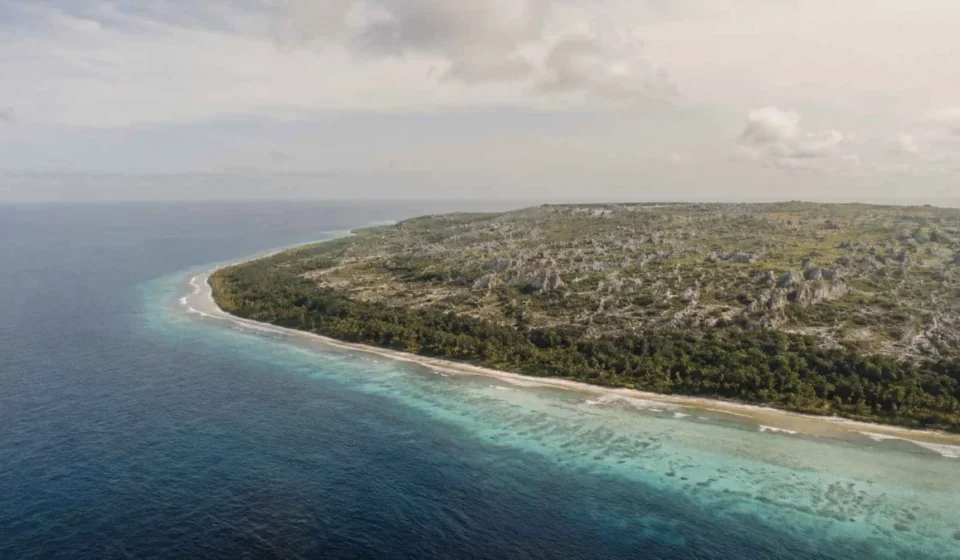
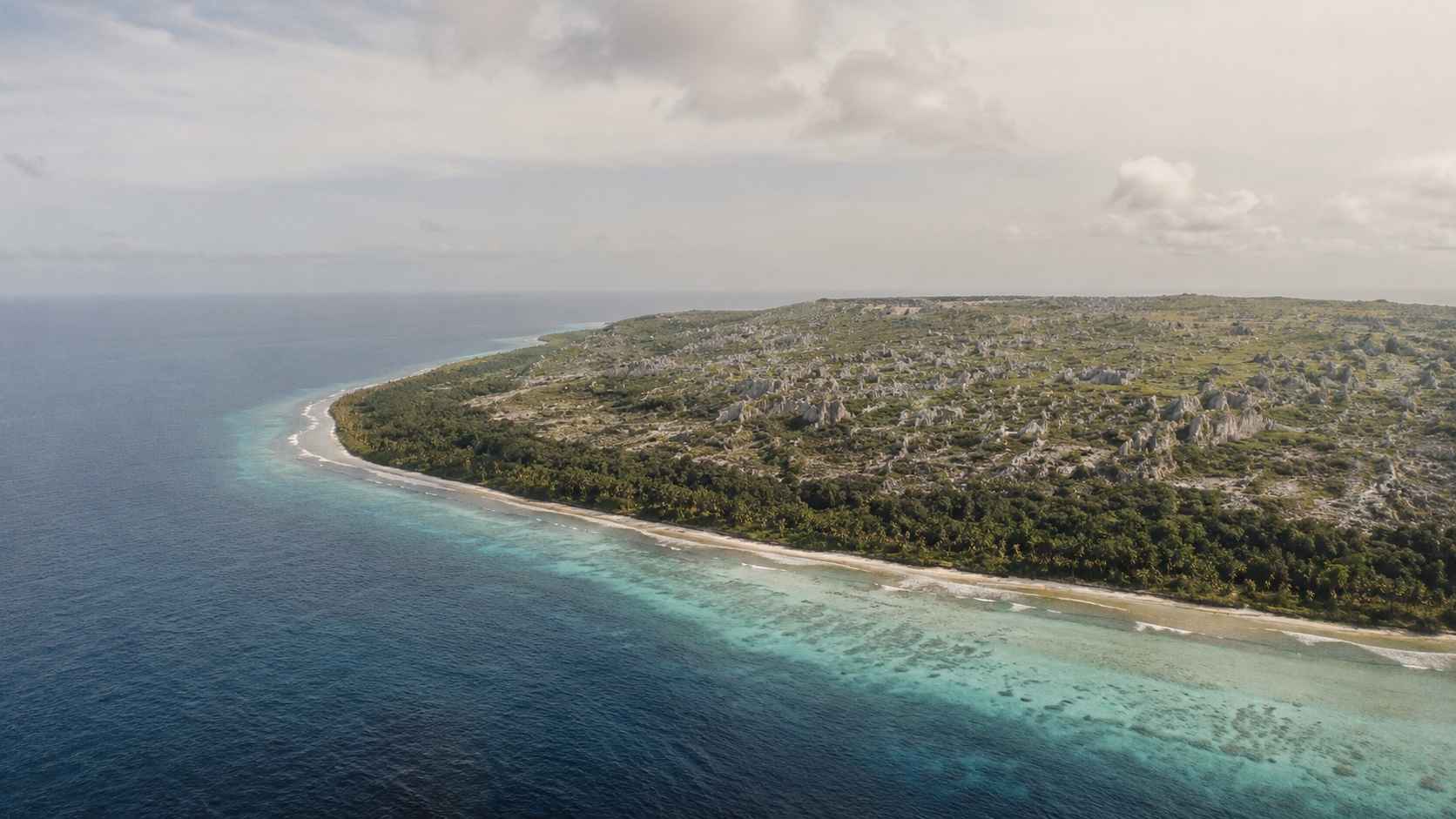
- Environmental Devastation: Decades of strip-mining left approximately 80% of the island’s interior—known locally as the "Topside"—as an uninhabitable wasteland of jagged limestone pinnacles, stripped of topsoil and vegetation.
Official Responses and Global Recognition
The transition to Naoero has been met with widespread diplomatic support, reflecting a growing international respect for indigenous self-determination.
Domestic Political Consensus
The decision to bypass a public referendum was a point of brief debate within the country’s parliament. Initially, officials planned to put the name change to a national public vote. However, lawmakers ultimately agreed that a referendum was redundant.
President David Adeang argued successfully that because "Naoero" was already enshrined in the nation’s constitution and spoken daily by its citizens, the legislative amendment was not a political rebranding, but a restoration of an existing truth.
International Organizations and Allied Nations
The international community responded swiftly to the official notification:
- The United Nations: Following the June 26, 2026 notification, the UN updated its official portal, listing the nation under "N" as Naoero.
- Regional Neighbors: The foreign ministries of Australia and New Zealand—Naoero’s closest regional allies and developmental partners—immediately began updating their consular directories and bilateral agreements.
- Global Powers: The United States State Department and the Ministry of Foreign Affairs of the People’s Republic of China have updated their official diplomatic communications to address the Republic of Naoero.
Implications: Cultural Sovereignty, Administrative Logistics, and Climate Survival
The renaming of Naoero carries deep implications across cultural, administrative, and environmental domains.
Cultural Sovereignty and Decolonization
Naoero joins a prestigious list of sovereign nations that have shed colonial-era names to reclaim their linguistic roots:
[Ceylon] ───────────► [Sri Lanka] (1972)
[Upper Volta] ──────► [Burkina Faso] (1984)
[Swaziland] ────────► [Eswatini] (2018)
[Turkey] ───────────► [Türkiye] (2022)
[Nauru] ────────────► [Naoero] (2026)
By reclaiming "Naoero," the island nation asserts its cultural autonomy. It challenges the historical precedent where Western convenience dictated global geography, proving that even the smallest nations have the right to define how they are addressed by the world.
Administrative and Financial Logistics
While the diplomatic transition has been swift, the practical, systemic updates will take years to fully implement. The government must systematically update:
- National passports, identification cards, and birth certificates.
- Civil aviation registries, international flight codes, and maritime shipping logs.
- Global mapping databases, GPS systems, and school textbooks.
- Currency, banking systems, and international postal routing protocols.
During this transition, both "Nauru" and "Naoero" are expected to coexist in commercial databases, travel booking engines, and historical archives.
The Intersection with Climate Change
The reclamation of the traditional name comes at a critical juncture in Naoero’s fight for survival. The country is highly vulnerable to the impacts of global climate change.
The vast majority of Naoero’s population, infrastructure, roads, and government buildings are situated on a narrow coastal strip just a few meters above sea level. Rising ocean temperatures, coastal erosion, and intensifying tropical storms pose an existential threat to these coastal communities.
Because the interior of the island remains largely unusable due to historical phosphate mining, the government has launched long-term initiatives to rehabilitate the "Topside" limestone fields. The goal is to restore the land to allow the safe relocation of critical infrastructure and residential zones to higher ground. Additionally, Naoero has explored innovative funding mechanisms, including investment-based citizenship programs, to finance these massive climate adaptation and land reclamation projects.
In this context, reclaiming the name "Naoero" is not merely an exercise in semantics. It is a powerful declaration of resilience. As the dei-Naoero work to heal their scarred physical landscape and protect their island from rising seas, they do so under the banner of the name their ancestors gave to the land thousands of years ago.