















































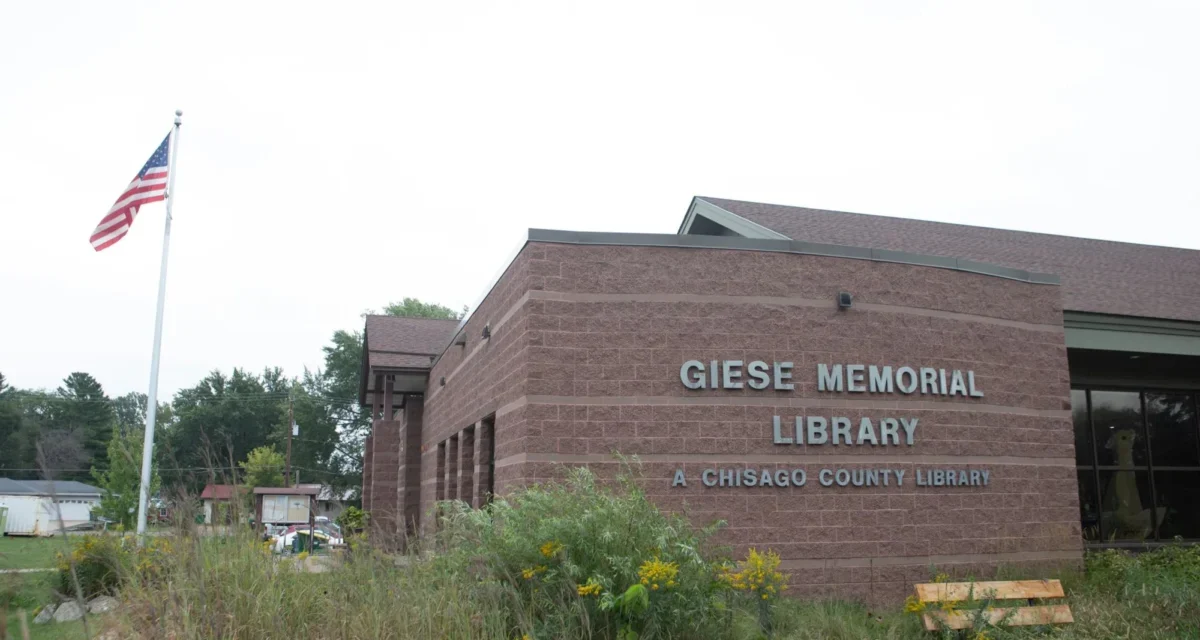






In an era where the digital divide and the decline of "third spaces"—those essential physical locations for community interaction outside of home and work—are becoming increasingly pronounced, rural libraries are undergoing a quiet, high-tech transformation. Across the United States, from the rolling landscapes of Minnesota to the coastal reaches of Washington, a growing number of library systems are implementing "Extended Access" programs. These initiatives allow patrons to utilize library facilities during unstaffed hours, effectively turning traditional, clock-bound institutions into 24/7 (or near-24/7) hubs of productivity and refuge.
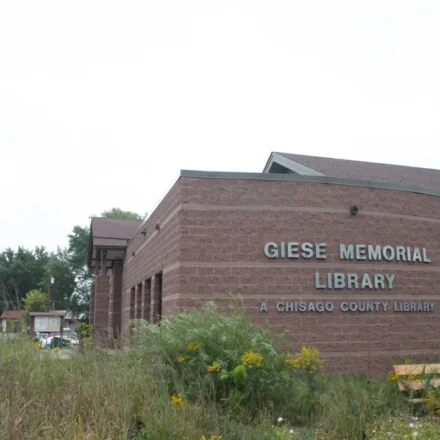
For individuals like Michael Sayen, a resident of Forest Lake, Minnesota, this evolution is more than a convenience; it is a vital utility. Whether he is drafting a novel, filing time-sensitive legal documents, or simply seeking a quiet, climate-controlled environment during extreme weather, the ability to access the Wyoming branch of the East Central Regional Library (ECRL) after the librarians have gone home has fundamentally changed his relationship with his local community.
The Main Facts: Bridging the Gap in Rural Connectivity
At its core, "Extended Access"—often marketed under names like "Open+ Access" in Nevada County, California, or "Expanded Access" in Washington’s Timberland Regional Library—is a technological bridge. By integrating secure swipe-card entry systems, motion-activated lighting, and comprehensive video surveillance, library boards are finding ways to keep their doors open when their limited budgets would otherwise force them to lock up.
The model is straightforward but requires significant logistical preparation. Patrons must generally hold a valid library card, undergo a specific orientation to understand safety protocols—such as the location of defibrillators and emergency exits—and, in many systems, sign a waiver of responsibility. Once these hurdles are cleared, the library transforms. Users can borrow materials, utilize high-speed internet, and access public computers, all without a staff member present.
A Chronology of the "Always-Open" Movement
The rise of unstaffed access is a response to a decade of fiscal tightening in rural governance. While the concept originated in Europe, it began gaining traction in American rural libraries around the mid-2020s.

- Early Implementation: Pilot programs began appearing in regional systems that faced geographic isolation and dwindling tax bases. These early adopters recognized that staffing a desk for eight hours a day was often inefficient if the bulk of the population worked during those exact hours.
- The Testing Phase: Systems like Minnesota’s ECRL spent months in a controlled "beta" phase, refining the security infrastructure. For ECRL, the transition from a test environment to full implementation occurred in April 2026.
- Growth and Normalization: Since that transition, usage at the Wyoming branch has surged by 66%. Today, hundreds of rural branches across diverse states operate under these policies, with larger systems like the Timberland Regional Library recording over 63,000 individual after-hours visits in a three-year window (2023–2026).
Supporting Data: Usage Trends and Security Metrics
The numbers suggest that the demand for "third space" access is not just a niche interest; it is a core necessity for rural life.
- ECRL Usage: Despite having only one branch currently equipped with the technology, ECRL has seen 55 registered users log more than 800 visits in the current calendar year.
- Timberland Regional Library: As a larger system, Timberland serves as a bellwether for the program’s scalability. With 12 branches operating under this model and over 4,100 registered users, the sheer volume of 63,000 swipes indicates that once the barrier to entry is removed, the community integrates the facility into their daily routine—for evening study sessions, remote work, or academic research.
- Safety Records: Concerns regarding vandalism or behavioral issues have been largely mitigated by the "accountability loop." Because access is tied to a personal library card and monitored via high-definition security cameras, the incentive for illicit activity is effectively nullified. According to ECRL executive director Carla Lydon, the system is designed to allow for the immediate revocation of privileges if a user violates the code of conduct, a power that has rarely needed to be exercised.
Official Responses: Navigating the Balance of Service and Safety
The administrative perspective on these programs is one of cautious optimism. For leaders like Carla Lydon, the primary goal is equity. "We hope that it allows more people to use the facility, in particular those who may not be able to get to the library during otherwise limited hours due to work and family schedules," she noted.
However, the rollout is not without its bureaucratic challenges. Implementing the hardware—cameras, card readers, and automated alarm systems—is a capital-intensive process. The Wyoming branch, for instance, required a $70,000 initial investment, with an additional $12,000 annual maintenance fee.
In some jurisdictions, the barrier is political rather than financial. In Aitkin and Pine counties, the buildings are owned by the municipal governments rather than the library system itself. This necessitates complex multi-party agreements before any security modifications can be made to the architecture. Furthermore, while the programs are gaining popularity, they are not a replacement for human staff. Library administrators are careful to emphasize that the programs are additive, not subtractive. "Staffed hours remain as they were prior to implementation," Lydon confirmed, aiming to dispel fears that the programs are a pretext for replacing librarians with algorithms.
Implications: The Future of Rural Public Spaces
The broader implications for rural America are profound. As traditional social anchors—like independent coffee shops or community centers—continue to disappear from smaller towns, the library is one of the last remaining places where a person can exist without the expectation of spending money.

Yet, there is a paradox at play. While Extended Access keeps the lights on, the underlying fiscal reality of these libraries remains precarious. The Timberland Regional Library system serves as a stark example: despite the success of their expansion program, the system faces a $3.69 million deficit, forcing cuts to books and salaries. They are currently seeking a levy increase to keep the lights on—literally and figuratively.
This creates a duality in the rural library experience:
- The Digital Reality: Technology is successfully democratizing access to information and quiet space, allowing the "always-on" generation to find a desk at 9 p.m. in a town where the only other option is a fast-food chain.
- The Structural Reality: The reliance on local property taxes for the vast majority of funding makes these systems vulnerable to the boom-and-bust cycles of local real estate.
As pastor Ryan Stigile, a regular user at the Wyoming branch, pointed out, these libraries are not just "book warehouses"—they are the only infrastructure available for community members to function in a modern, demanding economy.
Looking Ahead
The path forward for Extended Access depends on two factors: sustained legislative support and public demand. While the technology is proven and the safety concerns have been managed, the scalability of these programs is tied to the willingness of local governments to prioritize the library as an essential service.
If these systems can secure the necessary funding to expand, they may set a new standard for what a library is: not just a building that closes at 5 p.m., but a living, breathing extension of the community that respects the non-linear lives of its citizens. The success of programs in places like Minnesota and Washington provides a blueprint for the rest of the nation. Yet, as administrators like Chris Chrzan of Timberland emphasize, technology cannot fully replace the human element. The future of the rural library must be a hybrid one—where digital accessibility meets robust, human-centric support—to truly serve the diverse needs of the rural public.