
















































As the nights draw in and the autumn chill settles over the landscape, a growing segment of the travel industry is leaning into the macabre. For the modern traveler, a standard hotel room is no longer enough; there is a burgeoning demand for "spooky tourism"—a niche market where architecture, history, and pop culture collide to offer experiences that linger in the memory long after checkout. From the nostalgic terrors of Netflix’s Stranger Things to the quiet, lingering histories of 19th-century morgues, these curated Airbnb properties are transforming the way we perceive "haunted" hospitality.
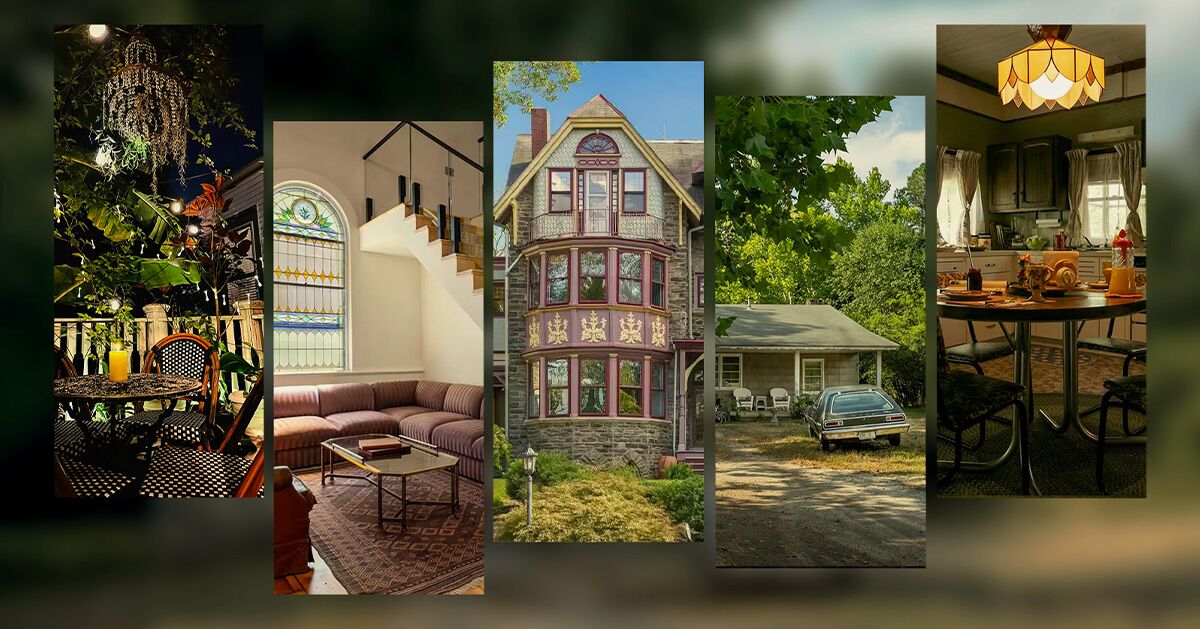
Main Facts: The Intersection of Folklore and Lodging
The recent proliferation of themed, high-concept vacation rentals signals a shift in the short-term rental market. Owners are moving beyond mere aesthetics, instead opting for narrative-driven environments that invite guests to inhabit a story. These properties typically fall into three categories:
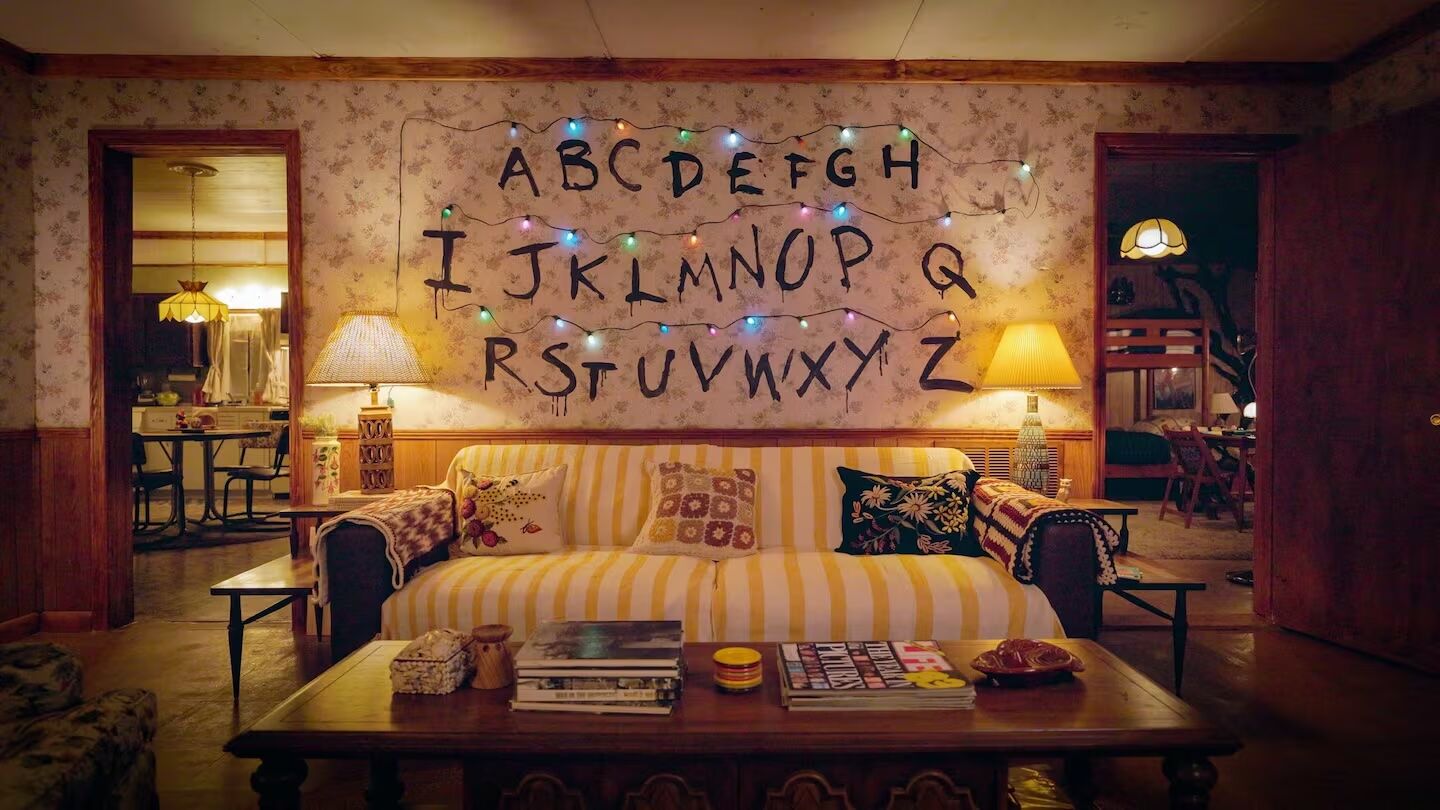
- Pop-Culture Recreations: Designed for immersive fandom, these homes use authentic decor and production-level set design to transport guests into a beloved fictional world.
- Historic Anomalies: Properties with genuine, often dark, histories—such as former funeral homes or 19th-century frontier outposts—that lean into their past to create an atmospheric, if not supernatural, experience.
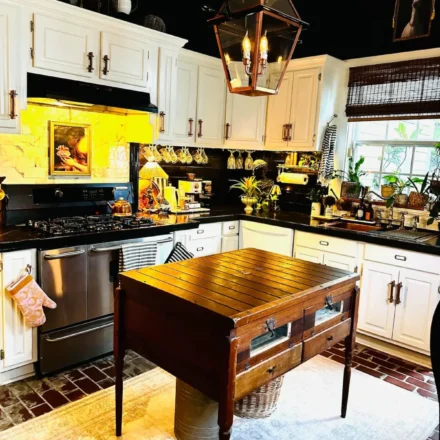
- Sophisticated Gothic: High-end architectural restorations that utilize "spooky" elements (Victorian manor aesthetics, secluded settings, or historic religious sites) to provide a luxurious yet moody atmosphere for those seeking a retreat from the mundane.
A Chronology of the Supernatural Stay
The evolution of these properties is a relatively recent phenomenon, tracking closely with the rise of the "experience economy" and the mainstreaming of paranormal pop culture.
- Pre-2015: The "haunted" stay was largely relegated to fringe, derelict roadside motels or historic hotels that leveraged their ghost stories primarily as a secondary marketing gimmick.
- 2016–2018: The release of high-production supernatural television shows, most notably Stranger Things, catalyzed a change. Fans began seeking out the actual filming locations and "inspired-by" properties, legitimizing the "fandom-as-lodging" business model.
- 2019–2022: The pandemic accelerated the demand for domestic, "staycation" travel. As international travel slowed, hosts invested heavily in property renovations that turned mundane homes into immersive, thematic experiences.
- 2023–Present: We are currently in the era of the "curated haunt." Property owners are now partnering with ghost hunters, historians, and set designers to elevate the guest experience, moving from cheap jump-scares to high-end, atmospheric narrative immersion.
Supporting Data: Why Travelers Choose the Dark Side
Market analysis suggests that the popularity of these properties is not merely seasonal. According to travel data, bookings for "unique stays" and "historic homes" on platforms like Airbnb have seen a steady year-over-year increase of nearly 15% since 2021.
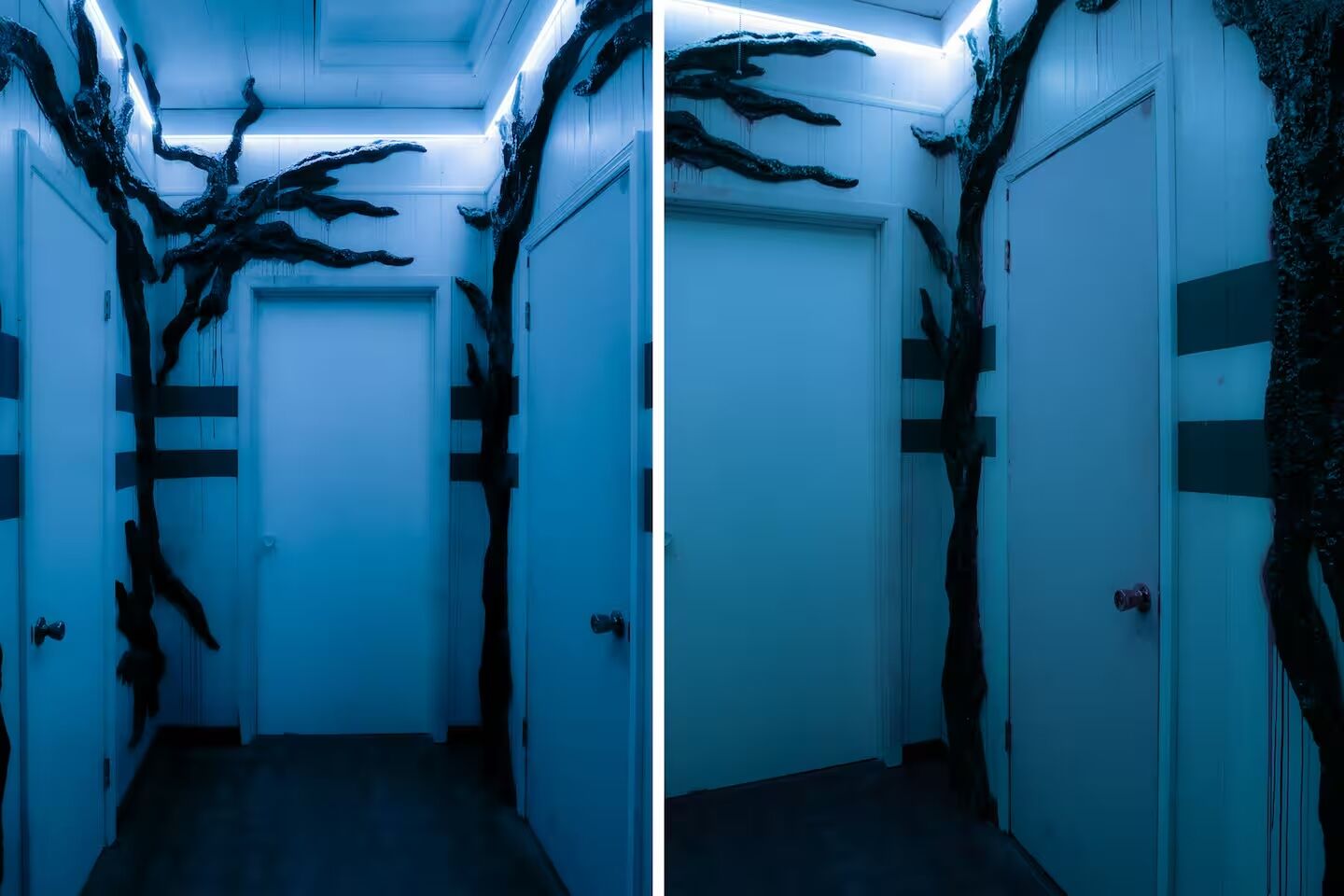
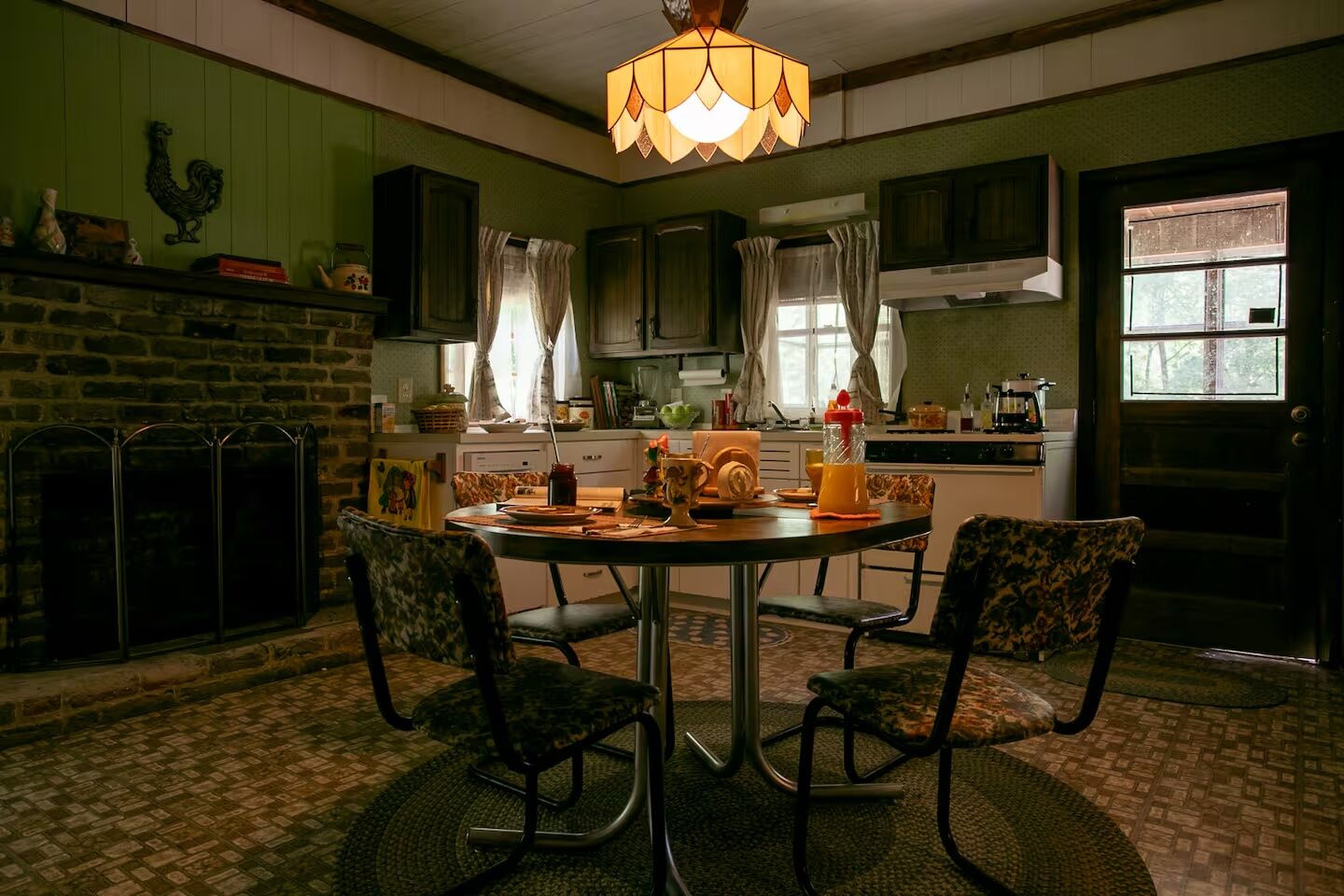
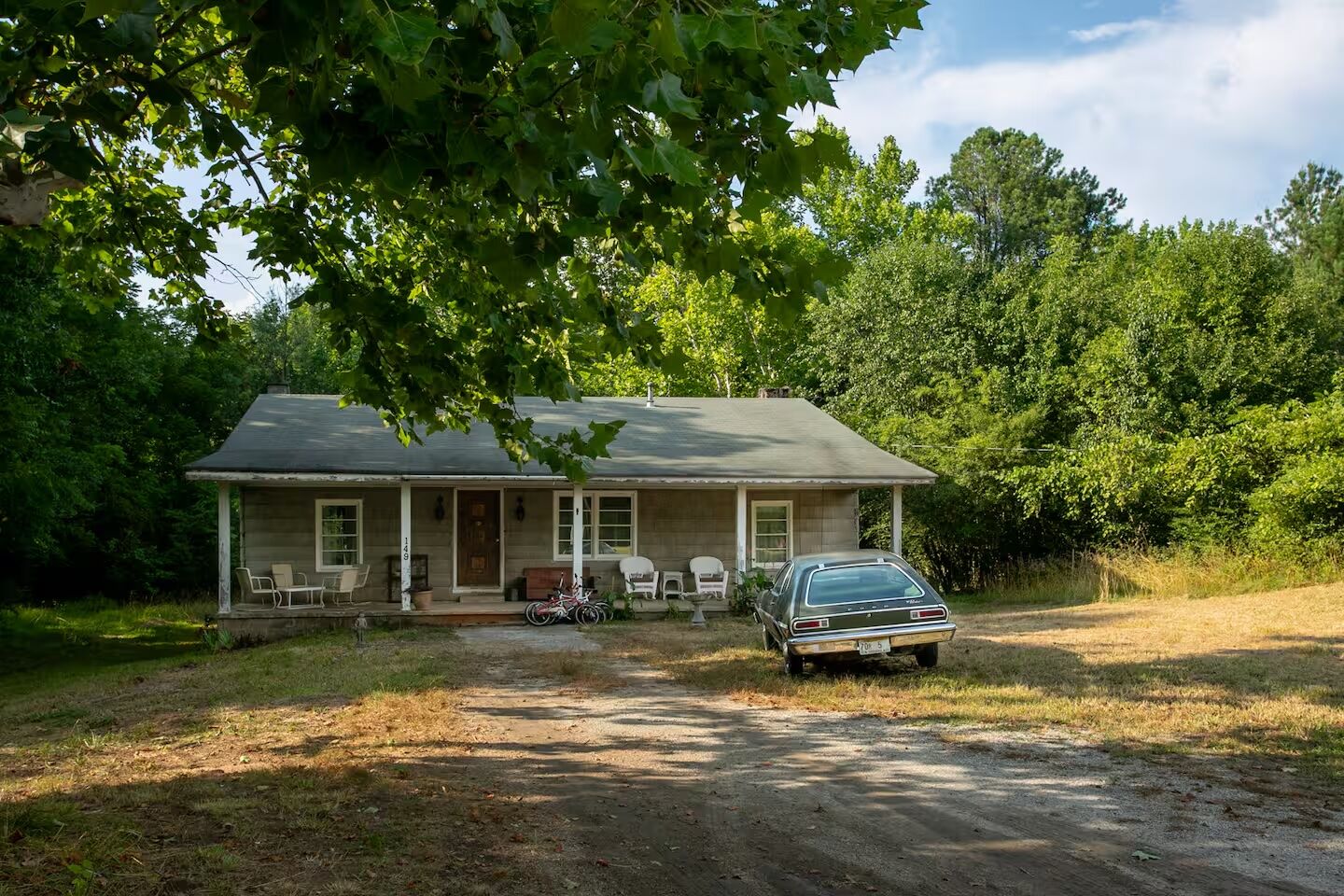
The psychological draw is twofold. First, there is the "Safe Scare" phenomenon: the biological urge to experience a thrill—increased adrenaline, heightened awareness—within a controlled, safe environment. Second, the Narrative Fulfillment factor: in a digital age, guests are paying for a "content-ready" environment. Properties like the Stranger Things-themed house in Fayetteville, Georgia, offer a built-in photoshoot opportunity, essentially providing a professional set for guests to document their stay on social media.
Case Study: The Range of the "Spooky" Experience
- The Fandom Experience (Fayetteville, GA): At $1,590 per night, this home proves that narrative branding commands a premium. By sourcing 1980s-era gadgets and a vintage hatchback, the hosts have created a time capsule that bridges the gap between reality and the Upside Down.
- The Historic Transformation (Ozark, MO): A former morgue charging $200 per night, this property demonstrates the shift toward "niche tourism." By providing ghost-hunting equipment, the hosts transition from being simple landlords to being "experience facilitators."
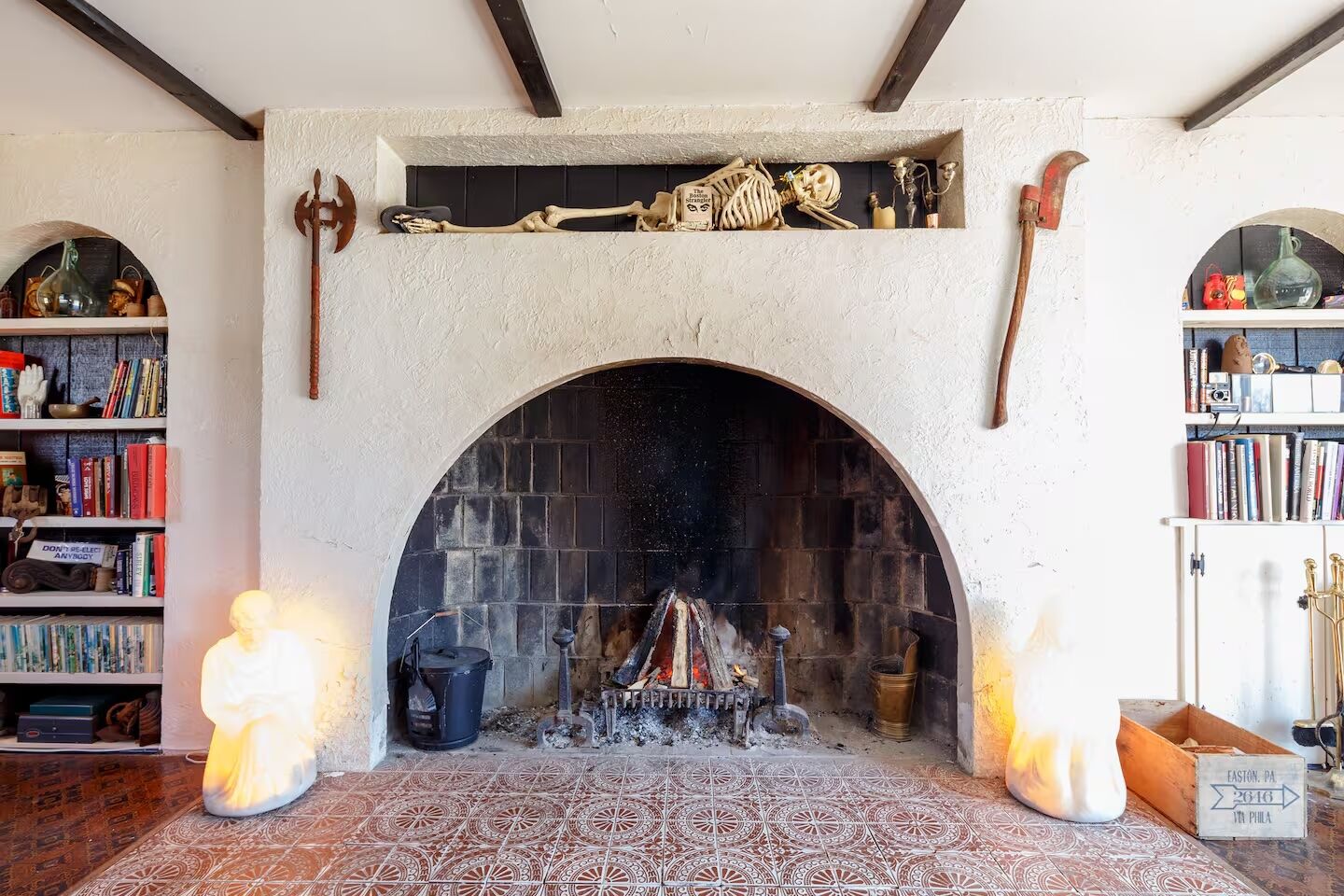
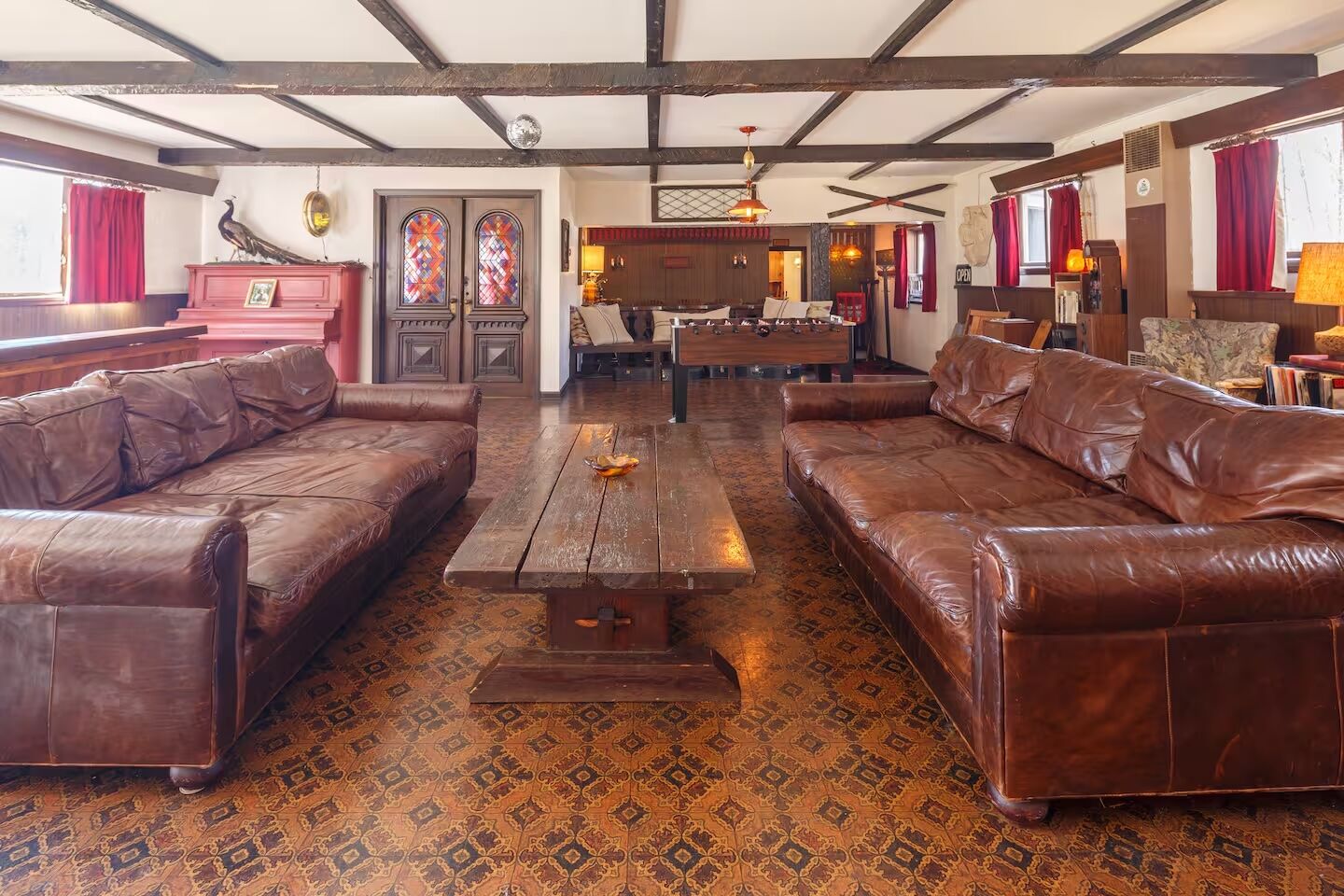
- The Architectural Gothic (Philadelphia, PA): Here, the spookiness is subtle. The Victorian mansion uses "hidden rooms" and library aesthetics to evoke mystery, targeting a demographic that values atmosphere over overt horror.
Official Responses and Property Management Perspectives
The hosts behind these properties often frame their business models as "preserving history through performance."
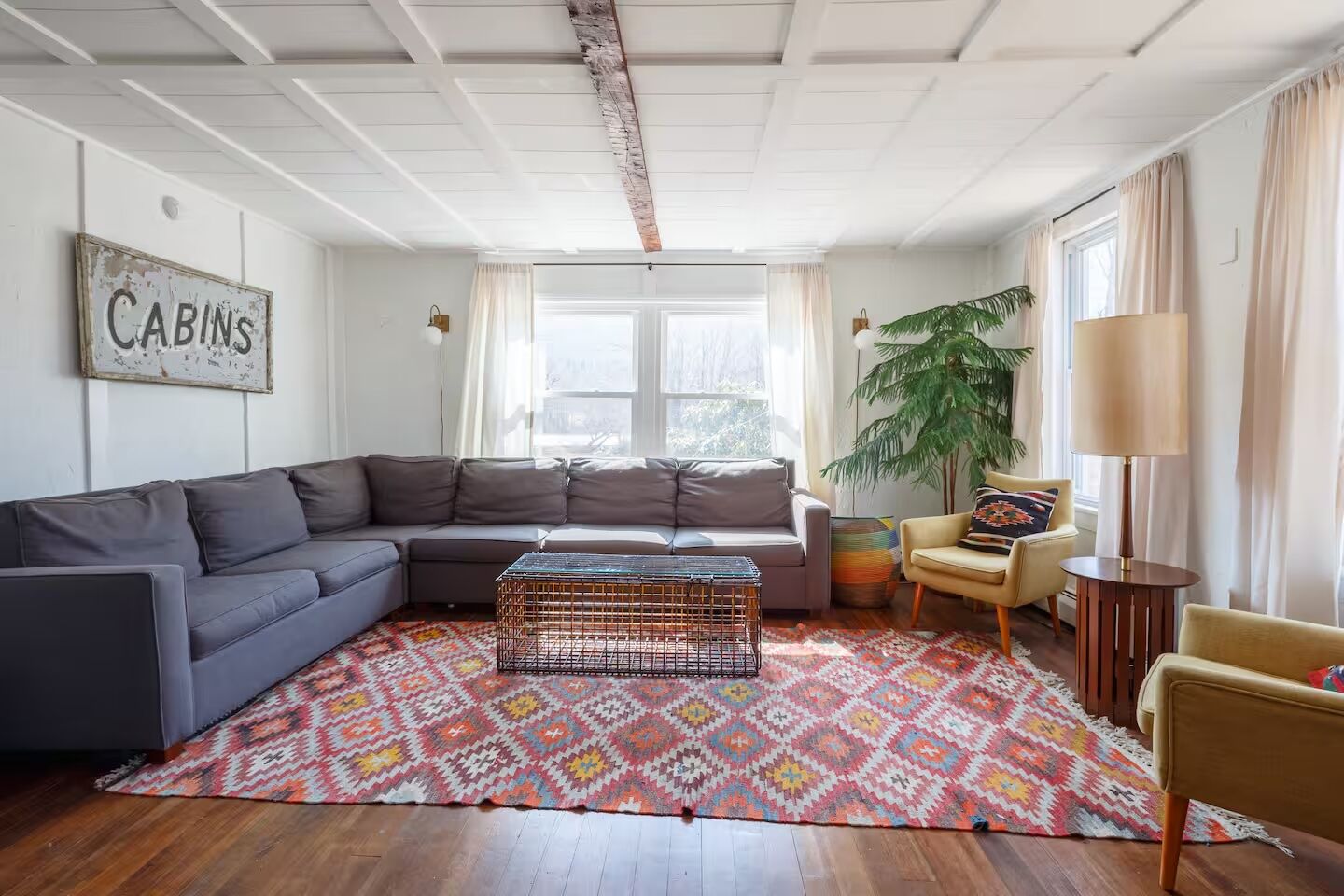
"People don’t just want a bed anymore," says a representative for a management group overseeing a collection of historic properties in the Catskills. "They want to feel like they’ve stepped into a novel. Whether that involves a ghost story or a period-accurate Victorian parlor, the goal is to provide a sense of place that is fundamentally different from the cookie-cutter hotel experience."
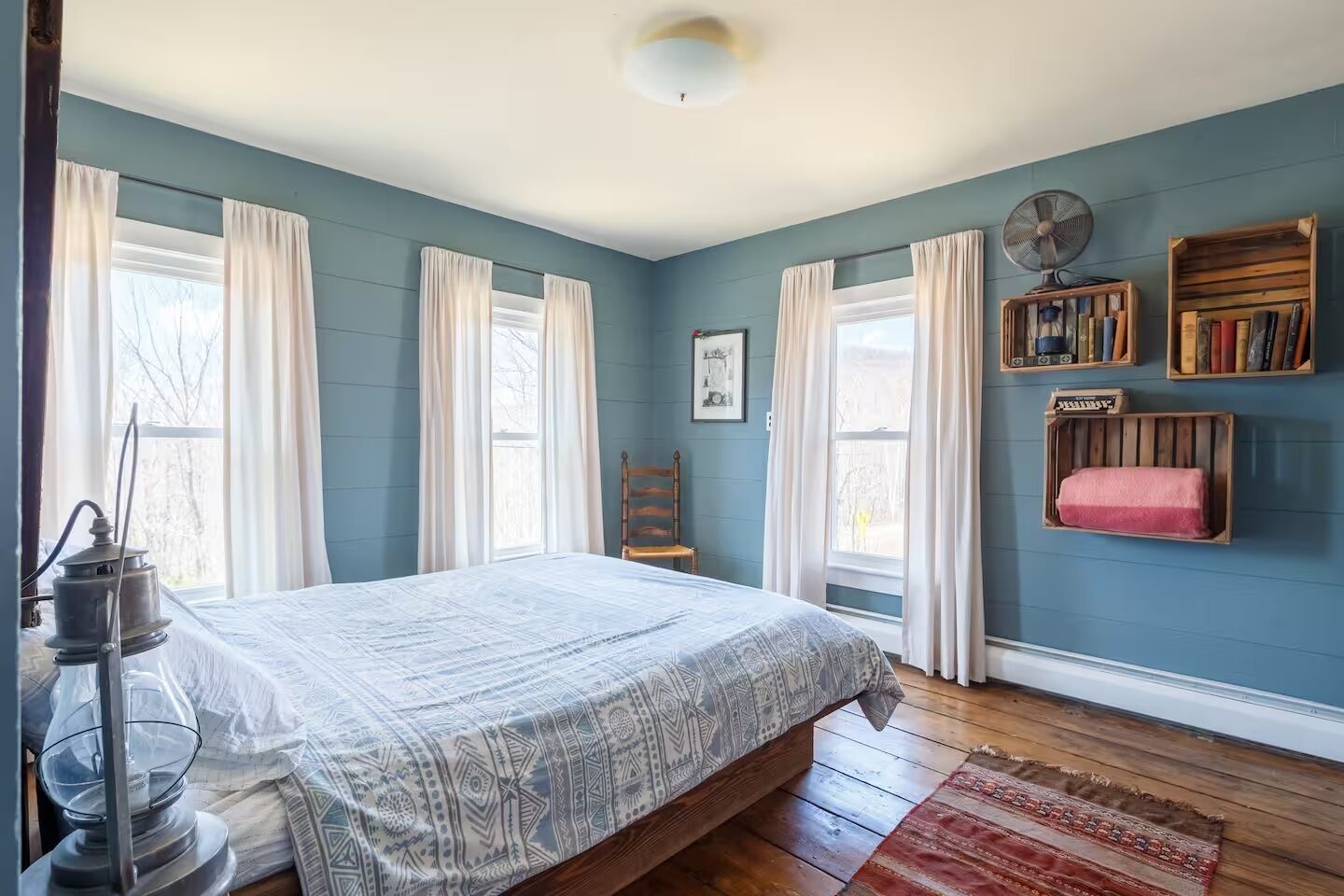
However, this trend has not been without its regulatory and social challenges. Local zoning boards in towns like Windham, New York, and Seguin, Texas, have had to navigate the fine line between "historic preservation" and "commercial operation." Some hosts have faced criticism for "exploiting" tragedies, particularly in properties that were once sites of genuine death, such as funeral homes or hospitals. In response, many operators have adopted a "Respectful Haunted" policy, emphasizing the historical significance of the buildings while maintaining a boundary between the macabre and the exploitative.
Implications: The Future of Themed Hospitality
The success of these properties has significant implications for the future of the travel and hospitality industry.
1. The Rise of "Micro-Tourism"
As the market saturates, we can expect to see more hyper-niche properties. We are already seeing the emergence of "Occult-Themed" rentals, "Folklore-Inspired" cabins, and even "UFO-Landing-Site" glamping. The competitive advantage no longer lies in the luxury of the linens, but in the specificity of the experience.
2. Digital-Physical Integration
The future of these stays will likely involve more interactive technology. We are moving toward "Gamified Lodging," where a stay includes a scavenger hunt, an augmented reality (AR) ghost tour of the property, or even a murder-mystery narrative that unfolds via an app as guests explore the rooms.
3. Ethical Tourism and Historical Integrity
As these properties grow in popularity, the industry must grapple with the ethics of commercializing trauma. The most successful properties will be those that integrate their history with educational components—offering guests a deeper understanding of the local lore or the building’s history rather than just a shallow, gimmicky fright.
Conclusion
Whether you are looking to confront the spectral echoes of a 19th-century morgue in the Ozarks or simply want to sip coffee in a 1980s-inspired living room that feels pulled from a cinematic frame, the world of "spooky" hospitality is expanding. It is a reflection of a modern traveler who is increasingly seeking to be surprised, unsettled, and transported. As long as there are stories to be told—and houses with enough history to hold them—this segment of the hospitality industry will continue to thrive, proving that for many, the perfect vacation is the one that gives them just enough of a shiver to remember it forever.
Summary of Notable Properties
| Location | Concept | Nightly Rate |
|---|---|---|
| Fayetteville, GA | Stranger Things / 80s Nostalgia | $1,590 |
| Windham, NY | Sophisticated Catskills Farmhouse | $915 |
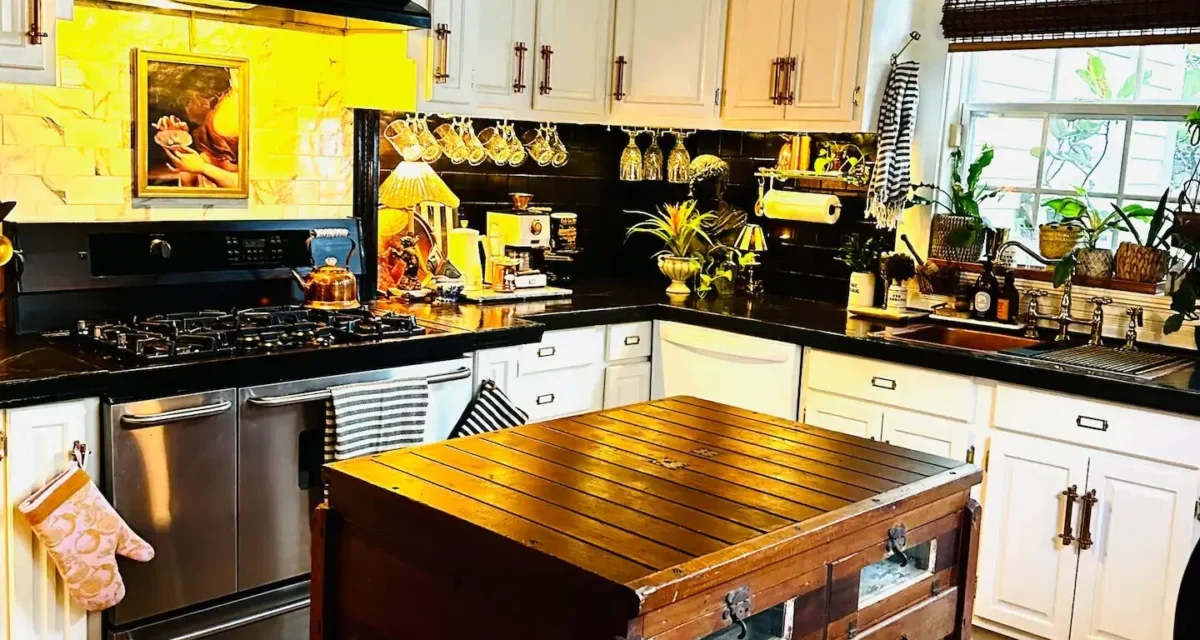
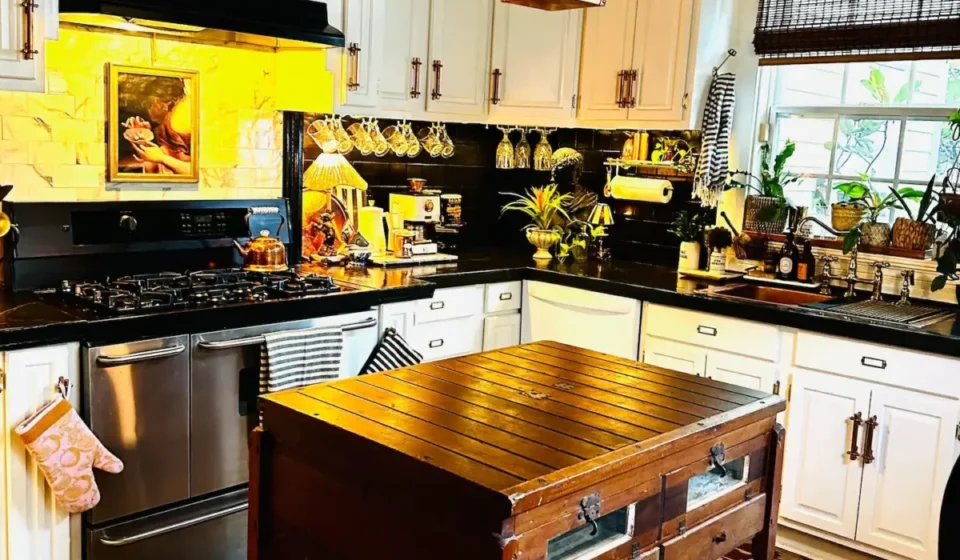
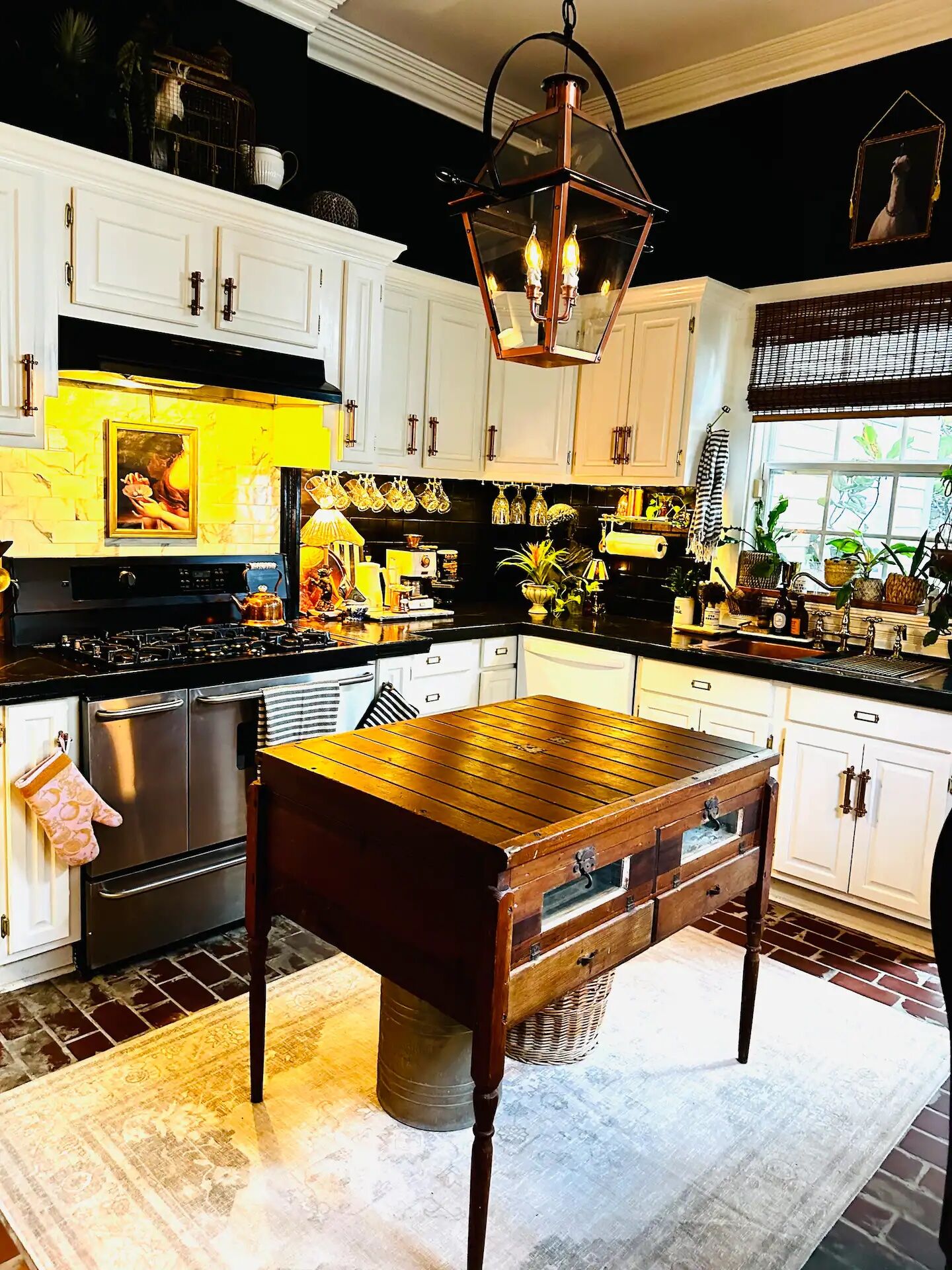
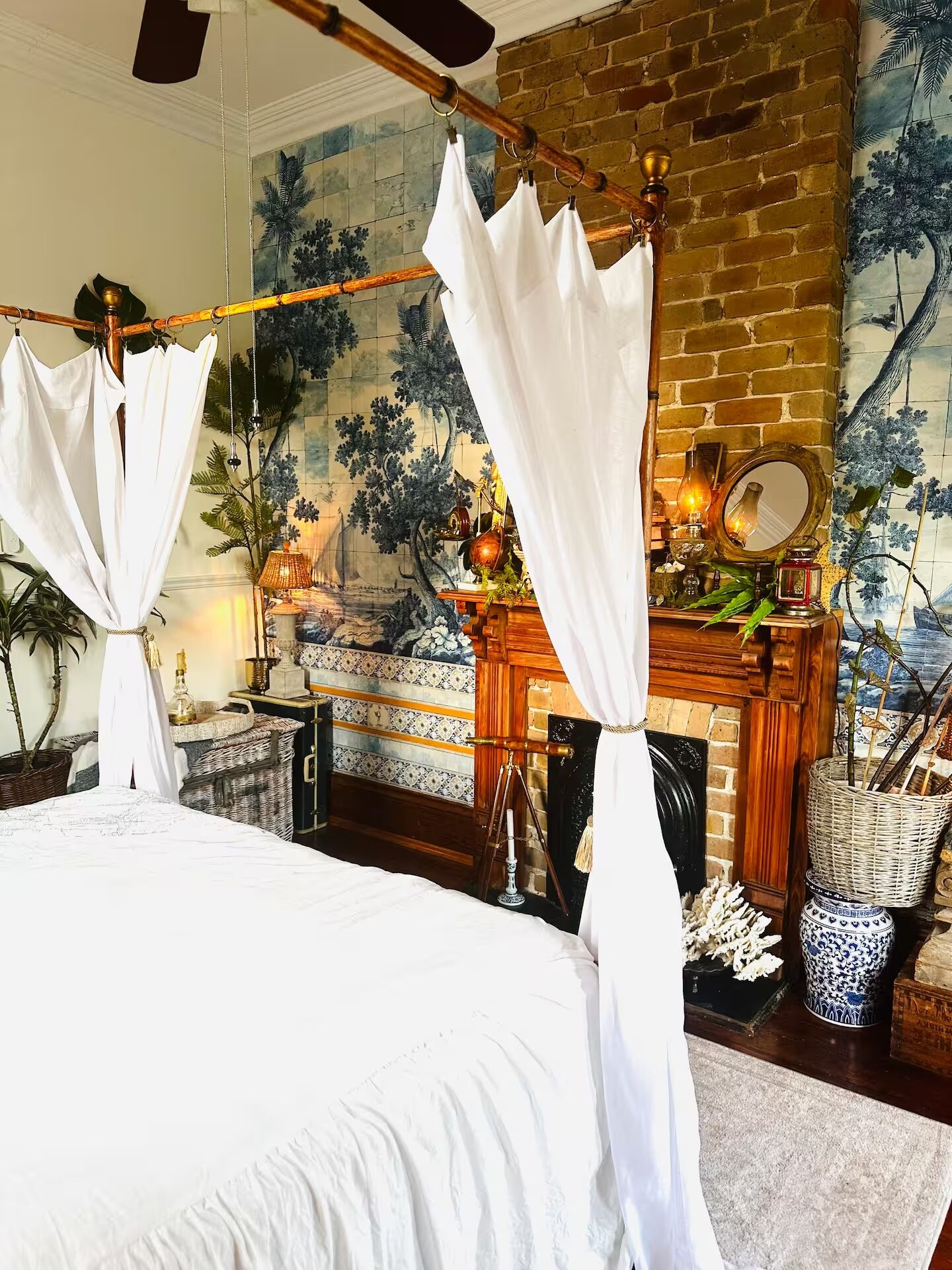
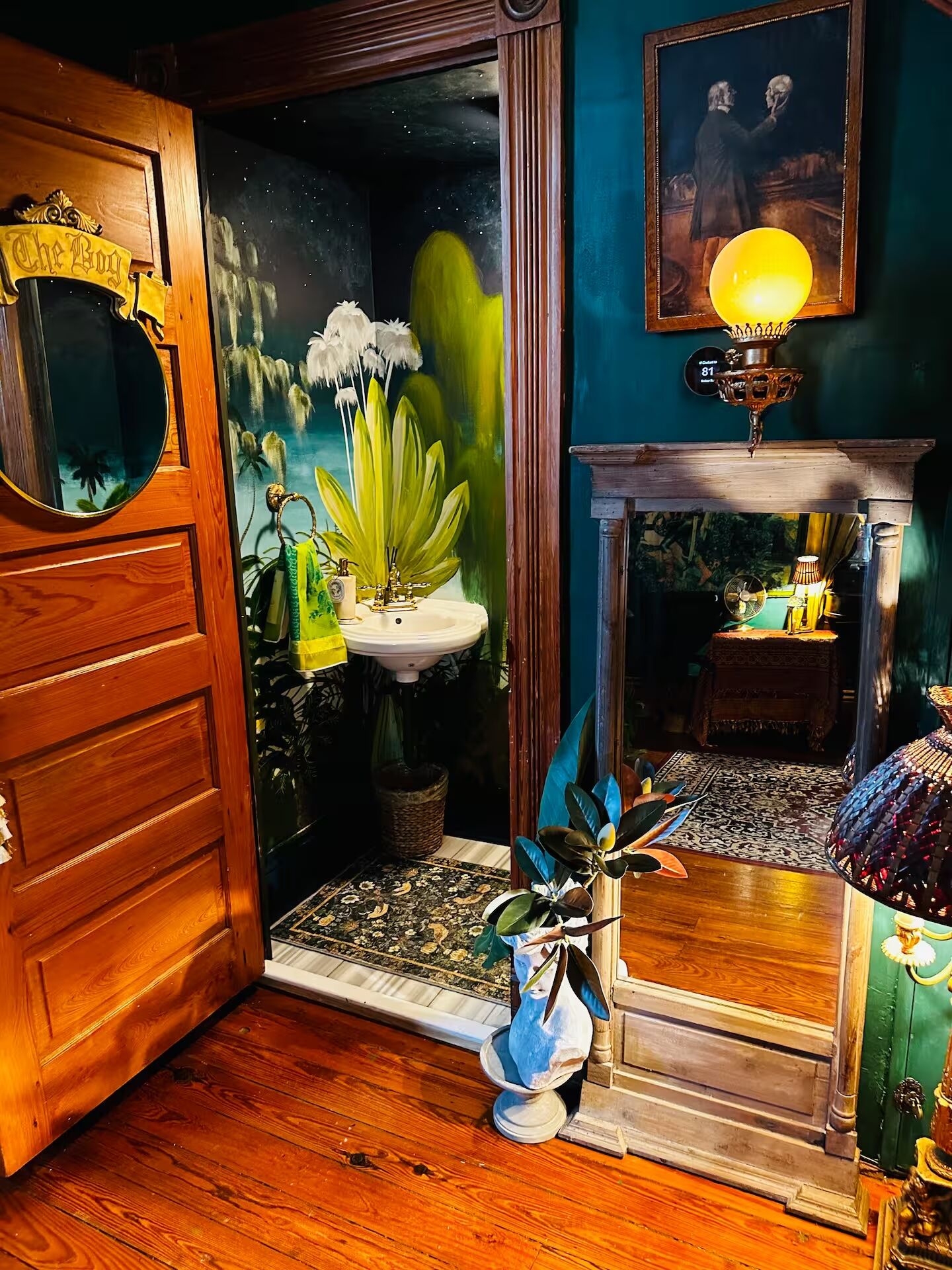
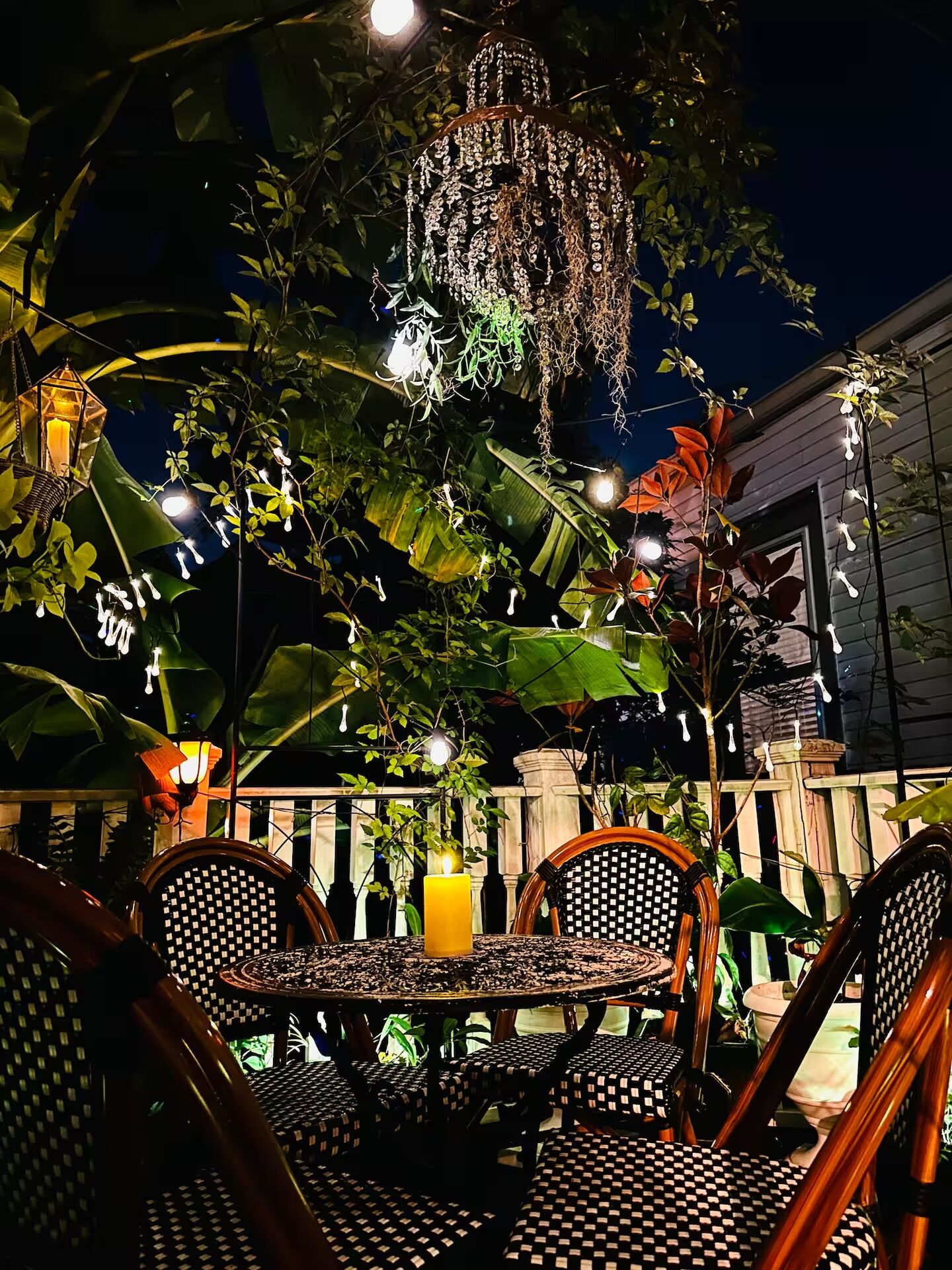
| New Orleans, LA | Garden District Antiques / Potion-Making | $322 |
| Ozark, MO | Historic Morgue / Ghost Hunting | $200 |
| Philadelphia, PA | Victorian Mansion / Secret Lair | $321 |
| Seguin, TX | Frontier Town / Haunted Hotel | $241 |
| Great Barrington, MA | 1862 Church Conversion / Speakeasy | $730 |
Disclaimer: Travelers are encouraged to research local historical context before booking properties with sensitive pasts. Prices and availability are subject to change based on seasonal demand and platform fluctuations.