
























































Comprehensive Veterinary Study Reveals Baseline Life Expectancy and Longevity Factors for Domestic Cats

LONDON — A landmark epidemiological study examining thousands of companion cats has provided definitive baseline metrics for feline life expectancy, highlighting significant disparities driven by breed, gender, lifestyle, and preventive healthcare. Conducted by researchers at the Royal Veterinary College (RVC) using the VetCompass clinical database and published in the Journal of Feline Medicine and Surgery, the research offers pet owners and veterinary practitioners an actuarial foundation for understanding feline aging and health outcomes.
The investigation calculated an overall average life expectancy at birth of 11.74 years for companion cats receiving veterinary care. However, the data reveals a broad spectrum of outcomes, ranging from extended lifespans exceeding 14 years in specific breeds to distinct vulnerabilities in others, alongside a stark longevity gap between male and female felines.
Main Facts: Deciphering Feline Longevity and Population Norms
The comprehensive study analyzed recorded mortalities across primary care veterinary clinics, providing an empirical benchmark for feline longevity. Rather than relying on anecdotal reporting or isolated breed registries, the research utilized real-world clinical records to construct formal life tables for companion cats.
       +-------------------------------------------------------------+
       |                  KEY STUDY FINDINGS (RVC)                   |
       +-------------------------------------------------------------+
       | Overall Average Life Expectancy:  11.74 years               |
       | Female Life Expectancy:           12.51 years               |
       | Male Life Expectancy:             11.18 years               |
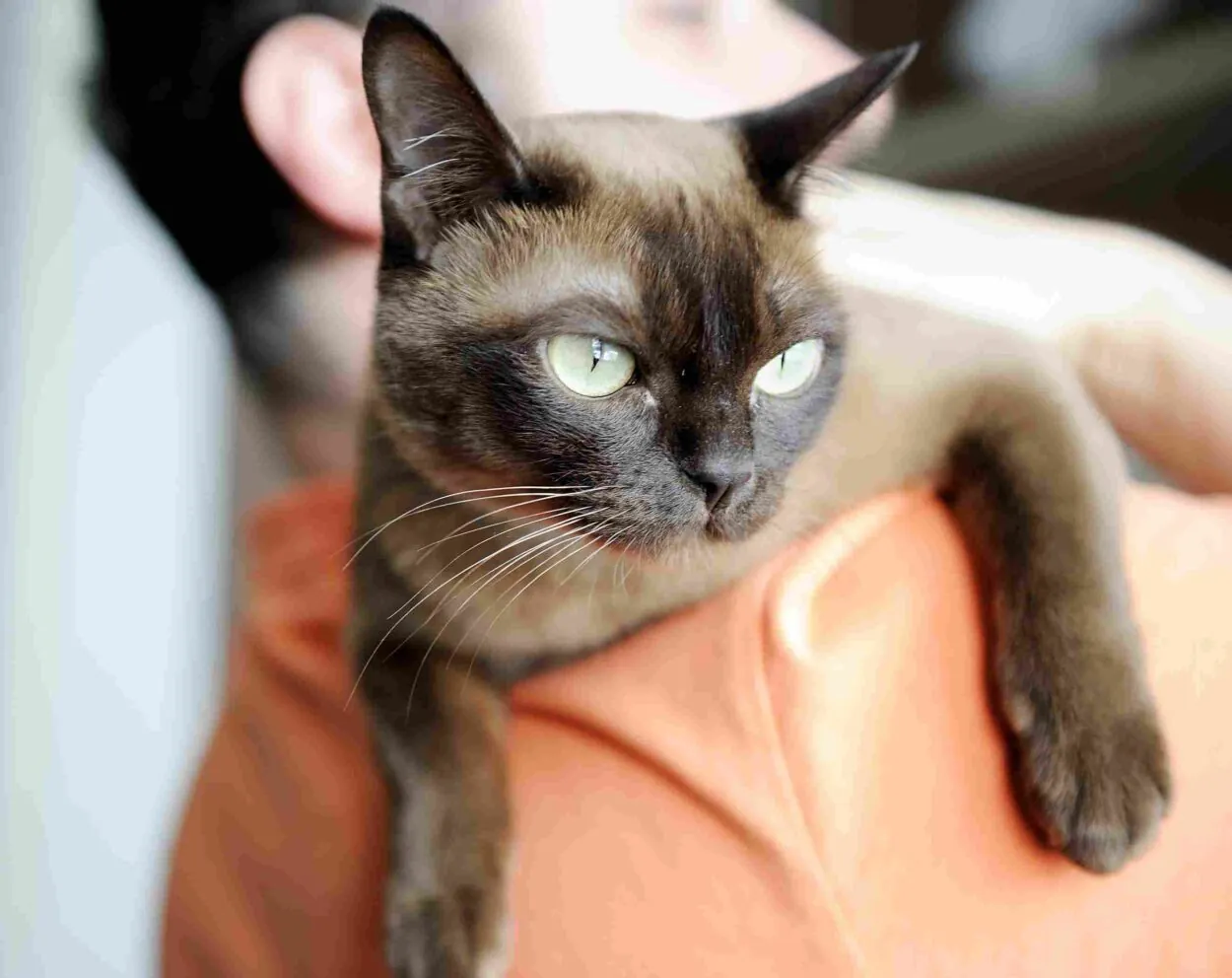
       | Top Performing Breeds:            Burmese & Birman (14.4 yrs) |
       | Crossbred/Mixed-Breed Average:    11.90 years               |
       +-------------------------------------------------------------+
Core Findings
- Baseline Expectancy: The overall expected lifespan at birth for domestic cats attending primary care practices in the United Kingdom is 11.74 years.
- Sex Disparity: Female cats outlive male cats by an average of 1.33 years. Estimated life expectancy at birth stands at 12.51 years for females compared to 11.18 years for males.
- Crossbred Advantage: Non-purebred (crossbred or domestic shorthair/longhair) cats demonstrate a statistical longevity advantage over purebred cats as a collective group, reaching an average lifespan of 11.90 years.
- Breed Divergence: Estimated life expectancies vary dramatically across purebred populations, from high averages of 14.4 years in Burmese and Birman cats to lower baseline averages of 6.7 years in Sphynx cats.
The study emphasizes that these figures represent statistical averages at birth rather than maximum potential lifespans. The inclusion of early mortalities—such as juvenile trauma, congenital defects, and acute infectious disease—naturally pulls the overall birth baseline down. Consequently, a cat that survives through early adulthood faces an increased conditional life expectancy.
Chronology: Historical Context and Life Stage Evolution
Understanding feline lifespan requires tracking both the evolution of veterinary medicine and the individual physiological progression of the cat from kittenhood through senior age.
+-----------------------------------------------------------------------------------+
|                            FELINE LIFE STAGE TIMELINE                             |
+-----------------------------------------------------------------------------------+
| [Birth - 1 yr]     KITTEN          Rapid physical and behavioral development.    |
| [1 - 6 years]      YOUNG ADULT     Peak physical condition; baseline established.|
| [7 - 10 years]     MATURE ADULT    Early physiological shifts; metabolic slowing.|
| [10+ years]        SENIOR          Increased risk for chronic conditions (CKD,   |
|                                    arthritis, hyperthyroidism).                  |
+-----------------------------------------------------------------------------------+
The Epidemiological Shift
Over the past half-century, companion feline life expectancy has expanded dramatically. Historically, infectious diseases such as feline panleukopenia, rabies, and feline leukemia virus (FeLV), alongside outdoor hazards, severely limited average lifespans. The introduction of core vaccination protocols, widespread spaying and neutering, indoor housing practices, and modern clinical nutrition transformed feline demography, allowing millions of domestic cats to routinely live into their mid-to-late teens.

Timeline of the Landmark Research
- 2019 Data Capture Window: Researchers aggregated electronic clinical records from thousands of UK veterinary practices, compiling detailed mortality data on 7,936 individual feline deaths occurring within the calendar year.
- 2024 Publication: Led by Dr. Kendy Teng and colleagues, the research team finalized life table analyses and published their findings in the Journal of Feline Medicine and Surgery, establishing updated epidemiological reference standards.
Life Stage Classifications
To standardize clinical evaluation, the American Animal Hospital Association (AAHA) and the American Association of Feline Practitioners (AAFP) categorize feline aging into four clear chronological stages:
- Kitten (Birth to 1 year): Period of rapid growth, primary vaccination, and surgical sterilization.
- Young Adult (1 to 6 years): Period of physical maturity; health focus centers on dental hygiene, weight maintenance, and trauma prevention.
- Mature Adult (7 to 10 years): Early cellular aging and metabolic changes occur; initial screening for middle-age onset diseases begins.
- Senior (Older than 10 years): High-risk window for progressive chronic conditions, requiring adapted nutrition, environmental modification, and bi-annual veterinary monitoring.
Historical Exceptionalism
While standard populations average between 11 and 15 years depending on sub-demographics, extreme outlier longevity exists. The documented world record holder, an American domestic cat named Creme Puff (1967–2005), lived to 38 years and 3 days. Veterinary epidemiologists treat such instances as genetic and environmental anomalies rather than realistic targets for standard population management.
Supporting Data: Demographic, Breed, and Actuarial Analysis
The research utilizes actuarial life tables—the same analytical tool used in human insurance and public health modeling—to evaluate survival probabilities across feline sub-populations.
Comparative Life Expectancy by Breed Table
The following table details the estimated life expectancy at birth across distinct breed categories derived from the VetCompass 2024 dataset:
| Cat Breed Category | Average Life Expectancy at Birth (Years) |
|---|---|
| Burmese | 14.4 |
| Birman | 14.4 |
| Crossbred / Mixed Breed | 11.9 |
| Siamese | 11.7 |
| Persian | 10.9 |
| Ragdoll | 10.3 |
| Norwegian Forest Cat | 10.0 |
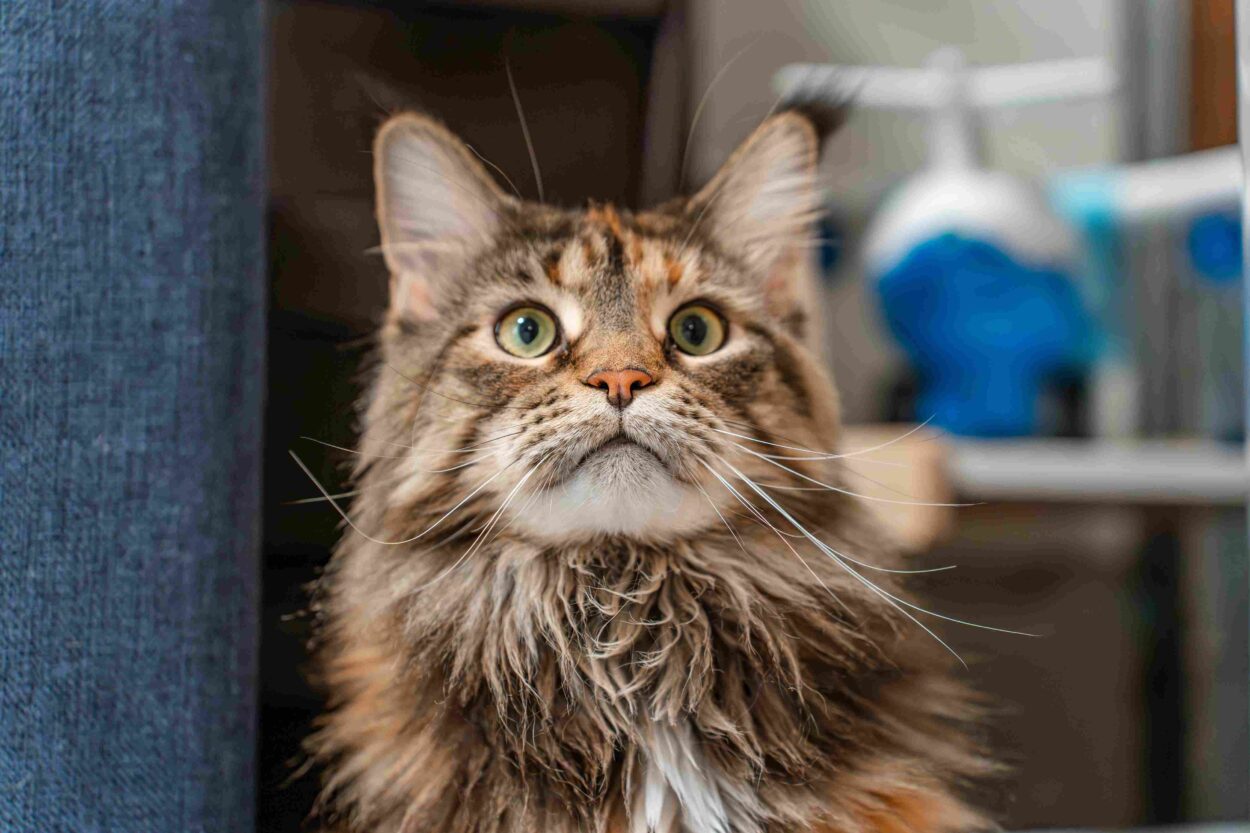
| Maine Coon | 9.7 |
| Russian Blue (and related) | 9.7 |
| British Shorthair (and related) | 9.6 |
| Bengal | 8.5 |
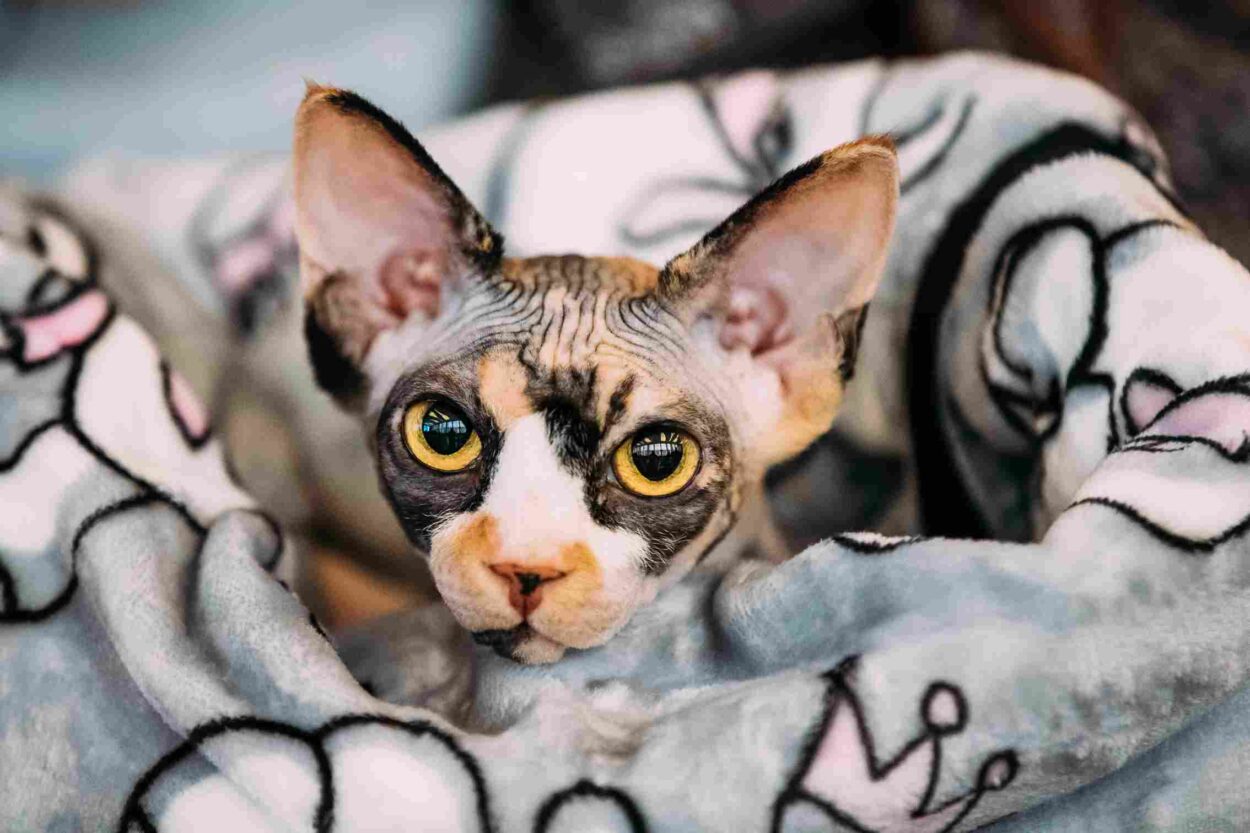
| Sphynx | 6.7 |
Data Source: Teng et al., 2024, VetCompass UK Dataset.
                 ESTIMATED LIFE EXPECTANCY BY BREED (YEARS)
   +-------------------------------------------------------------------+
   | Burmese / Birman  [14.4] ======================================== |
   | Crossbred         [11.9] =====================================    |
   | Siamese           [11.7] ====================================     |
   | Persian           [10.9] =================================        |
   | Ragdoll           [10.3] ==============================           |
   | Maine Coon        [9.7]  ============================             |
   | Bengal            [8.5]  ======================                   |
   | Sphynx            [6.7]  =================                        |
   +-------------------------------------------------------------------+
Statistical Analysis & Sample Caveats
Epidemiologists caution against interpreting low breed averages as definitive ceilings for individual animals. Sample size plays a critical role in statistical precision:

- Crossbred Cohort: Represents thousands of clinical subjects, establishing high statistical confidence for the 11.9-year baseline.
- Burmese & Birman Cohorts: Based on 45 and 38 recorded deaths, respectively. While statistically significant, confidence intervals are wider than those of general mixed-breed populations.
- Sphynx Cohort: Calculated from 18 recorded deaths within the study timeframe. The resulting 6.7-year average reflects a high prevalence of early deaths from inherited structural conditions within that specific sample, rather than a universal physiological expiration cap for every hairless cat.
Actuarial Survival Bias
A vital finding of the study centers on conditional life expectancy. In population metrics, infant and juvenile mortality lowers the mean life expectancy at birth. Once an individual cat reaches middle age, its projected remaining lifespan shifts upward because it has already successfully bypassed early mortality risks.
       +-----------------------------------------------------------+
       |                ACTUARIAL SURVIVAL ADVANTAGE               |
       +-----------------------------------------------------------+
       |  A newborn cat has a baseline expectation of ~11.7 yrs.   |
       |  A cat surviving to 10 yrs has cleared juvenile hazards,   |
       |  frequently pushing total expected age to 15+ yrs.        |
       +-----------------------------------------------------------+
Official Responses and Expert Guidelines
Veterinary research organizations and clinical welfare bodies have issued specific guidance interpreting the study’s data for clinicians and pet owners.
The Royal Veterinary College (RVC)
Lead researchers emphasized that actuarial tables must be used to empower pet owners rather than induce panic. The team noted that life tables provide a realistic perspective for assessing risk, evaluating therapeutic interventions for senior pets, and helping owners make informed choices regarding medical management versus quality-of-life care.

Veterinary Cardiology Insights on Inherited Disease
Cardiology specialists from institutions including the Cornell University College of Veterinary Medicine highlight that certain purebred longevity metrics are heavily affected by inherited pathologies:
- Hypertrophic Cardiomyopathy (HCM): Maine Coons, Ragdolls, and Sphynx breeds exhibit documented genetic predispositions to HCM, a structural heart defect causing abnormal thickening of the ventricular heart muscle. Early cardiac screening via echocardiography and genetic testing is strongly advised prior to breeding.
Animal Welfare Organizations on Brachycephaly
The Universities Federation for Animal Welfare (UFAW) has addressed the shorter average lifespans observed in extreme brachycephalic (flat-faced) breeds such as Persians. UFAW points out that extreme facial shortening leads to:
- Brachycephalic Obstructive Airway Disease: Impaired respiration and heat regulation.
- Ocular Complications: Exposed corneas susceptible to chronic irritation and ulceration.
- Dental Malocclusion: Compacted jaw structures predisposing cats to severe early periodontal disease.
Implications for Pet Care, Veterinary Medicine, and Welfare
The 2024 benchmarks carry major implications for preventive healthcare, clinical diagnostics, and home management practices.
1. The Indoor vs. Outdoor Lifestyle Balance
The decision to house a cat strictly indoors versus allowing outdoor access represents a fundamental determinant of longevity, involving a distinct trade-off between safety and environmental enrichment:
+-----------------------------------------------------------------------------------+
|                             INDOOR VS. OUTDOOR TRADE-OFFS                         |
+-----------------------------------------------------------------------------------+
| INDOOR ADVANTAGES:                                                                |
|   - Elimination of vehicular trauma (hit-by-car incidents).                        |
|   - Prevention of territorial fights (abscesses, FIV/FeLV transmission).          |
|   - Protection from wildlife predators and accidental poisoning.                  |
| INDOOR RISKS (Mitigation Required):                                              |
|   - Sedentary lifestyle leading to middle-age obesity.                            |
|   - Chronic stress, lower urinary tract disease (FLUTD), and behavioral issues.   |
+-----------------------------------------------------------------------------------+
The American Association of Feline Practitioners (AAFP) recommends that strictly indoor cats receive structured environmental stimulation—including vertical climbing space, interactive puzzle feeders, and safe outdoor access via enclosed outdoor patios ("catios") or harness walking—to prevent stress-induced idiopathic cystitis and metabolic disease.
2. Weight Management as a Longevity Driver
The VetCompass study confirmed a direct correlation between non-ideal body weight and decreased survival times. Feline obesity increases systemic inflammation and directly correlates with:
- Type II Diabetes Mellitus: A common, complex endocrine disease requiring daily insulin management.
- Degenerative Joint Disease (Osteoarthritis): Excess load accelerates joint degradation, causing hidden chronic pain.
- Hepatic Lipidosis: Rapid weight loss in obese, anorexic cats leads to dangerous liver failure.
Clincially, a healthy cat should possess easily palpable ribs beneath a slight fat pad and a clearly discernible abdominal waistline when viewed from above.
       +-----------------------------------------------------------+
       |             VISUAL BODY CONDITION SCORE (BCS)             |
       +-----------------------------------------------------------+
       |  UNDERWEIGHT: Ribs visibly prominent, no palpable fat.    |
       |  IDEAL:       Ribs easily felt; clear waist behind ribs.  |
       |  OVERWEIGHT:  Ribs difficult to feel under thick fat;     |
       |               absent waist, abdominal tuck absent.        |
       +-----------------------------------------------------------+
3. Preventive Clinical Intervention and Biomarkers
Because felines instinctively conceal clinical signs of vulnerability or pain, subtle shifts in routine serve as critical early warning indicators. Veterinary protocols advocate transitioning senior cats (aged 10 and above) from annual to bi-annual wellness examinations. Key preventive monitoring steps include:
- Renal and Endocrine Blood Panels: Early tracking of Symmetric Dimethylarginine (SDMA), serum creatinine, and total T4 (thyroid hormone) allows clinicians to intercept Chronic Kidney Disease (CKD) and Hyperthyroidism long before clinical crisis occurs.
- Urinary and Stool Monitoring: Changes in litter box frequency, increased volume of urination (polyuria), straining, or altered defecation patterns frequently serve as the earliest clinical indicators of lower urinary tract disease, renal insufficiency, or gastrointestinal tract inflammation.
- Dental Care: Advanced periodontal disease causes systemic bacterial dissemination, placing severe metabolic stress on hepatic and renal systems.
Conclusion
The 2024 epidemiological data provides a clear baseline for feline longevity, confirming that while genetics set initial biological boundaries, day-to-day husbandry, body weight management, environmental hazard control, and proactive veterinary care are the ultimate determinants of how long and how comfortably a cat lives.