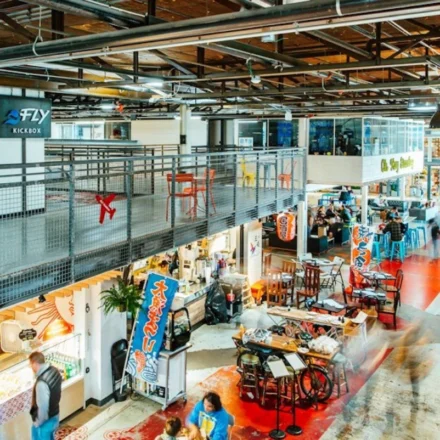













































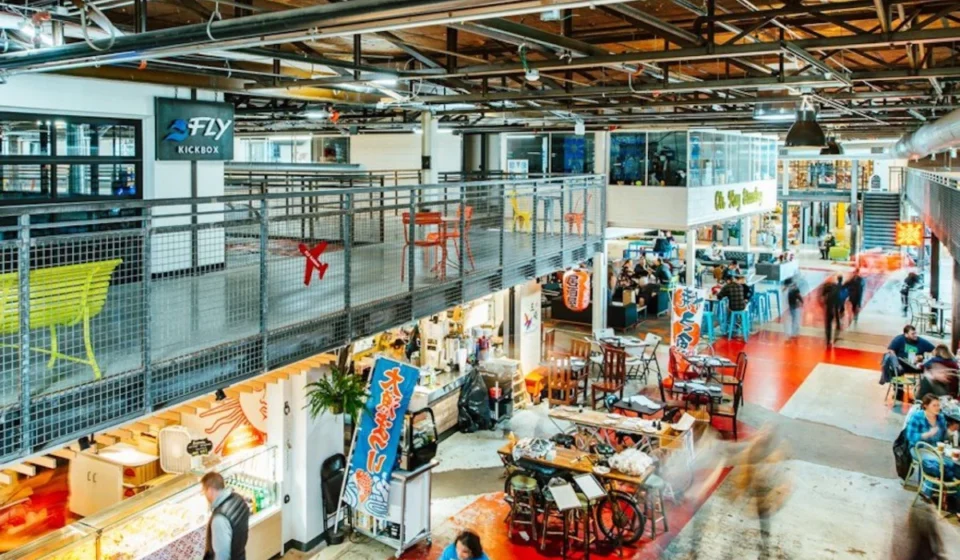

For decades, the northern fringes of downtown Denver were defined by the rhythmic hum of industry—a landscape of vacant warehouses, cold storage facilities, and quiet rail yards. Today, that same topography has been radically reimagined. Where once there was industrial decay, there is now a vibrant, high-density network of “market halls” that serve as the city’s new town squares. This evolution is not merely a trend in dining; it is a fundamental shift in how urban neighborhoods are constructed, financed, and experienced.
The Architectural Rebirth: Building Cities "One Move at a Time"
The transformation of Denver’s culinary scene is inextricably linked to its urban development strategy. Justin Croft, vice president of development at Zeppelin Development—the firm behind pioneering projects like The Source—views the rise of the food hall as a direct response to a legacy of urban neglect.
"Part of the reason that markets are blowing up is that cities, and especially industrial parts, declined for so long," Croft explains. "Developers are coming in and kind of building cities and neighborhoods from scratch, one big move at a time, in an effort to create compelling places for people to go."
This "big move" philosophy turned the RiNo (River North) and LoDo (Lower Downtown) districts from desolate industrial corridors into the city’s most desirable real estate. The catalyst, ironically, was the construction of Coors Field in the 1990s. By bringing tens of thousands of people to the north side of the city center, the stadium provided the foot traffic necessary to justify adaptive reuse. What was once empty warehouse space is now a dense tapestry of local commerce, housing, and, most importantly, gastronomy.
A Demographic Melting Pot: The Catalyst for Culinary Diversity
Denver’s food halls are more than just architecture; they are mirrors reflecting the city’s evolving demographics. According to 2024 U.S. Census Bureau data, the Denver metro area is home to approximately 3.05 million people, with the Latino community comprising nearly 25% of that population.
However, the city’s diversity extends far beyond its traditional foundations. The influx of international residents has created a unique "perfect landscape" for culinary experimentation. Venezuela has emerged as the seventh-largest source of foreign-born residents, with nearly 9,000 individuals, while Vietnamese, Indian, and Chinese communities have solidified their presence as major cultural pillars. With over 12,000 Vietnamese-born residents and robust populations from India and China, the city’s palate has expanded, and market halls provide the perfect incubator for this global influence to find a local audience.
The Economic Engine: Lowering the Barrier to Entry
For local entrepreneurs, the traditional brick-and-mortar restaurant model has long been a gatekeeper, favoring large chains with deep pockets. Market halls have disrupted this status quo.
"The reason market halls are happening is because there are interesting, independent brands with people who have devoted their lives to that endeavor," Croft notes. "Twenty years ago, that just wasn’t the case because cities were filled with chain restaurants in their core, making it extremely difficult for local entrepreneurs to find their way to a storefront. Market halls really make it possible for mom-and-pop businesses to come together with their limited budgets and operational capacity."
By sharing infrastructure—utilities, seating, and marketing—these small-scale operators can compete in high-rent districts that would otherwise be inaccessible. This communal model has effectively democratized the Denver restaurant scene.
A Chronology of the Market Hall Movement
The rise of the Denver food hall is not a sudden phenomenon but a steady progression over the last decade:

- 2013: The Source opens in RiNo. Marking the first full-scale food hall in the city, The Source set the gold standard by integrating a butcher, a brewery, and high-concept dining within an industrial shell.
- 2015: Avanti F+B launches in LoHi. By utilizing repurposed shipping containers and a rotating cast of chefs, Avanti introduced the "incubator" model, allowing chefs to test concepts before committing to permanent leases.
- 2018: Denver Central Market expands. The success of the LoDo flagship led to a high-profile expansion into the Denver International Airport, signaling that the food hall model had reached "mainstream" viability.
- 2019-Present: The Suburban Pivot. Projects like the Stanley Marketplace in Aurora demonstrated that the food hall model could work outside the downtown core, transforming a defunct aviation facility into a community hub.
Regional Spotlights: The Icons of Denver’s Culinary Scene
The Source (RiNo)
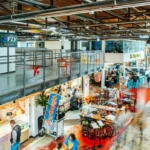
As the pioneer, The Source remains the benchmark for adaptive reuse. It is a destination where one can find a barber, a craft brewery, and world-class Israeli cuisine at Safta. Its integration with The Source Hotel makes it a primary node for both locals and tourists, successfully blending hospitality with neighborhood utility.
Avanti F+B (LoHi)
Avanti has become the pulse of Denver’s future dining scene. By curating a rotating roster of culinary concepts, it serves as an R&D lab for the city’s chefs. The space, characterized by its two-floored warehouse design and expansive views of the downtown skyline, has proven so successful that the brand has expanded its footprint into Boulder and Vail, proving the model is exportable.
Denver Central Market (LoDo)
This venue captures the essence of a European urban market, serving as an antidote to the sterile, "big-box" grocery experience. Its success lies in its focus on artisanal craftsmanship—bakers, butchers, and deli counter staff who operate with a level of expertise that fosters a deep sense of place.
Stanley Marketplace (Aurora)
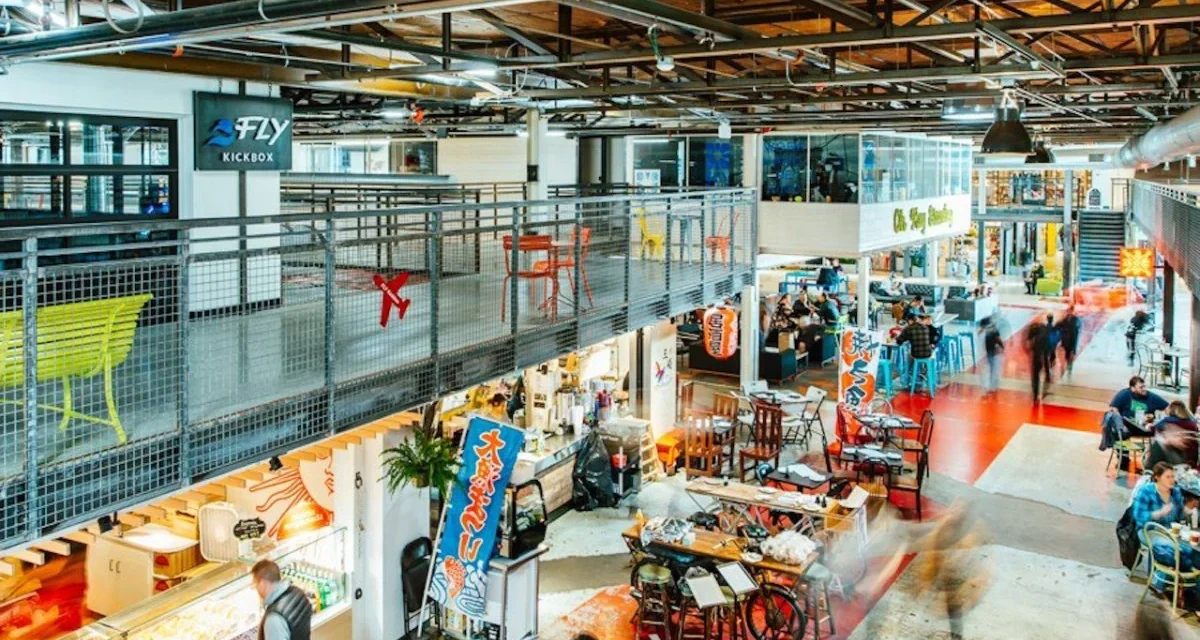
Stanley Marketplace represents the evolution of the suburban mall. By rejecting the traditional enclosed-mall format, it has created an inclusive environment that caters to a diverse range of needs, from coworking spaces to zero-waste grocery options. Its commitment to quality—such as its Japanese restaurant that sources fish via daily air freight—shows that the food hall model is a powerful tool for suburban revitalization.
Denver Milk Market (LoDo)
Situated in the historic Dairy Block, this market embraces the city’s agricultural legacy while pushing forward with modern global influences. With 16 kitchens, it is perhaps the most diverse in its offerings. Notably, it has challenged the notion that salads are a secondary thought in a dining hall, with The Green Huntsman proving that even vegetable-forward concepts can anchor a massive, high-traffic food hall.
Implications: The Future of Urban Planning
The success of these market halls suggests that the "death of the city" narrative was premature. Instead, urban centers are simply shedding their industrial skins in favor of communal, experiential hubs.
For developers, the lesson is clear: long-term success is no longer about building monolithic office blocks, but about creating "third places"—spaces that are neither work nor home, where the community can interact through the shared language of food. As Denver continues to grow, these market halls will likely serve as the anchor points for new, dense, and culturally rich neighborhoods.
However, this growth also brings the challenge of gentrification. As industrial zones transform into "trendy" districts, developers and city officials face the ongoing task of ensuring these spaces remain accessible to the very communities they serve. The shift toward market halls has successfully revitalized the city’s core; the next phase of this evolution will be ensuring that the "local entrepreneurs" Croft speaks of continue to have a place at the table as the city expands.
In conclusion, Denver’s food hall revolution is a testament to the power of adaptive design. By turning the city’s industrial past into its culinary future, these developments have created a landscape that is both economically vibrant and socially inclusive. Whether it is a bowl of ramen in an old warehouse or a salad in a historic dairy building, the people of Denver are finding that the best way to build a city is one bite at a time.