
























































Understanding Feline Longevity: Comprehensive Study Unveils Lifespan Expectancies Across Cat Breeds and Lifestyles

A landmark epidemiological study examining thousands of domestic cats has provided veterinary medicine with one of its most comprehensive benchmarks to date regarding feline life expectancy. Published by researchers at the Royal Veterinary College (RVC), the study established that cats receiving primary veterinary care in the United Kingdom have an average life expectancy of 11.74 years at birth.
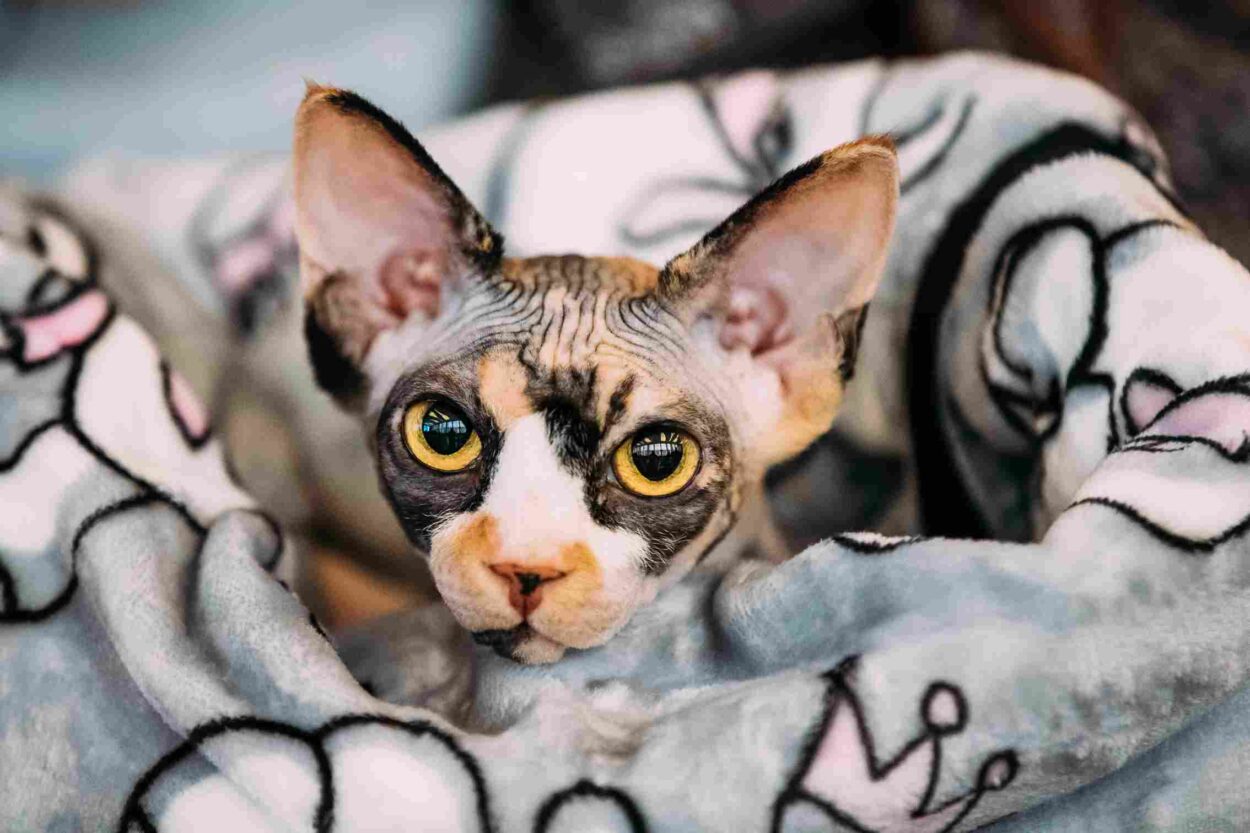
However, the findings reveal a complex landscape of longevity shaped by breed genetics, biological sex, body weight, and indoor versus outdoor management. While crossbred domestic cats outlived many purebred counterparts, specific breeds demonstrated marked variances—ranging from an average of 14.4 years for Burmese and Birman cats to 6.7 years for Sphynx cats.
The research underscores a critical statistical nuance for pet owners and practitioners alike: baseline life expectancy figures at birth incorporate early, juvenile mortality. Consequently, a cat that reaches mature adulthood or senior status possesses a significantly higher remaining lifespan than initial population averages suggest.
Main Facts: Key Findings from Feline Mortality Research
The study, led by Dr. Dan O’Neill and Dr. Kendy Teng, analyzed clinical data across primary veterinary clinics to establish updated life tables for domestic felines. Among the primary findings:
- Overall Life Expectancy: Felines overall exhibited a mean life expectancy at birth of 11.74 years.
- Sex-Based Disparities: Female cats consistently outlived male cats, registering an average lifespan of 12.51 years compared to 11.18 years for males—a disparity of approximately 1.33 years.
- Purebred vs. Crossbred Metrics: Crossbred cats (frequently classified as Domestic Shorthair, Mediumhair, or Longhair) achieved an average life expectancy of 11.89 years, outperforming the combined average of purebred felines.
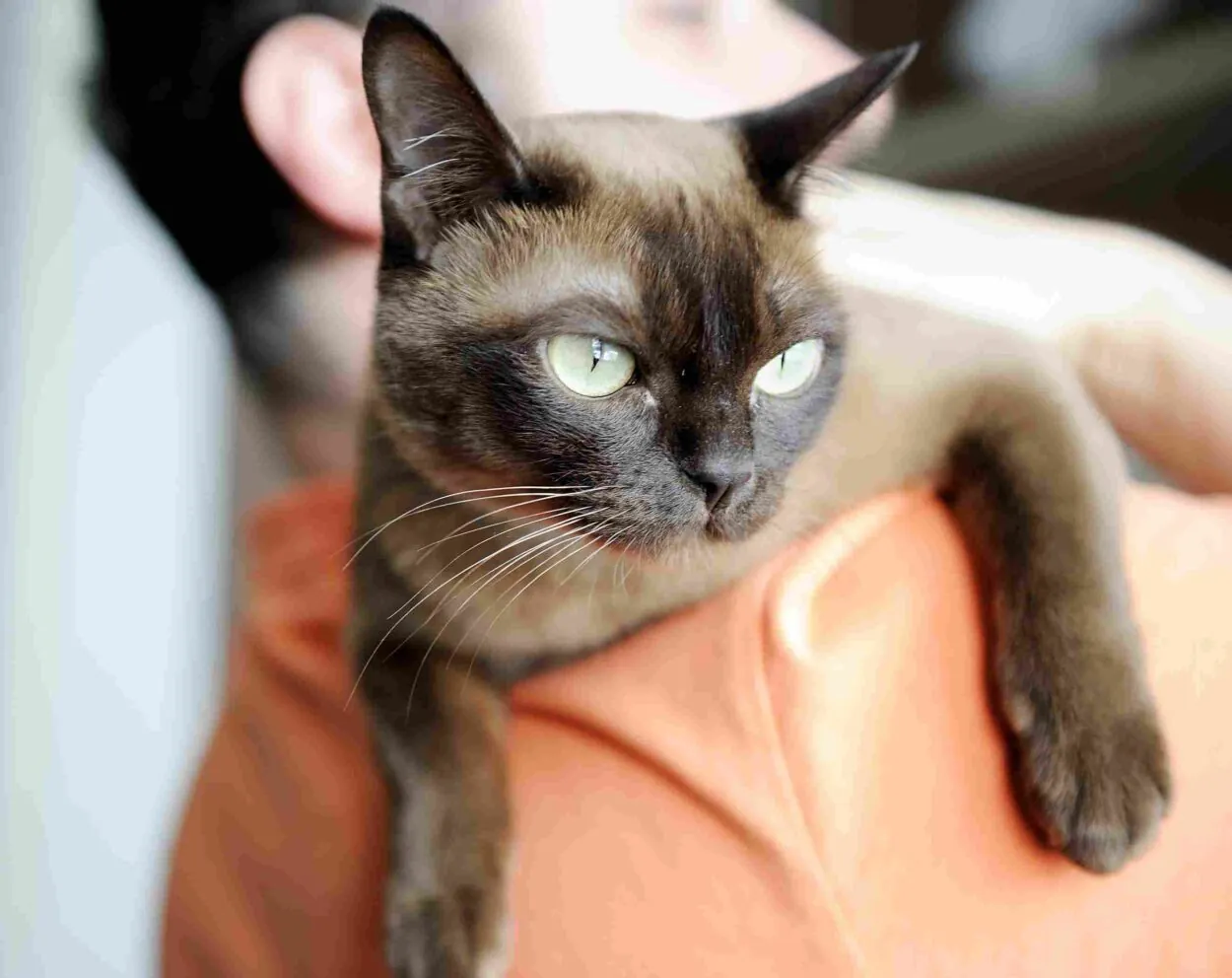
- Top-Performing Breeds: The Burmese and Birman breeds tied for the highest longevity estimates among studied purebreds, both achieving an average life expectancy of 14.4 years.
- Lowest Breed Lifespans: Sphynx cats registered the lowest statistical average at 6.7 years, followed by Bengals (8.5 years), British Shorthairs (9.6 years), and Maine Coons (9.7 years).
- Impact of Weight and Health Interventions: Body condition scores outside the ideal range correlated strongly with reduced longevity, emphasizing the role of preventable metabolic and nutritional conditions in feline mortality.
Chronology: The Evolution of Feline Life Expectancy Research
Understanding how feline lifespans are recorded and contextualized requires examining the historical evolution of veterinary epidemiology and record-keeping milestones.
+-----------------------------------------------------------------------------------+
| CHRONOLOGY OF FELINE LONGEVITY MILESTONES & RESEARCH                             |
+-----------------------------------------------------------------------------------+
| August 1967 – August 2005                                                         |
| • Creme Puff, a domestic cat in Austin, Texas, lives to 38 years and 3 days.      |
|   She remains the oldest verified feline in recorded history (Guinness World      |
|   Records).                                                                       |
+-----------------------------------------------------------------------------------+
| 2019                                                                              |
| • Data Collection Window: The Royal Veterinary College records clinical outcomes   |
|   and deaths across 7,936 veterinary-attended cats across the UK.                |
+-----------------------------------------------------------------------------------+
| 2021                                                                              |
| • AAHA and AAFP update Feline Life Stage Guidelines, establishing four distinct   |
|   categories: Kitten, Young Adult, Mature Adult, and Senior (10+ years).          |
+-----------------------------------------------------------------------------------+
| 2024                                                                              |
| • Teng et al. publish comprehensive feline life tables in the Journal of Feline   |
|   Medicine and Surgery using VetCompass data.                                     |
| • AAFP releases updated Feline Indoor and Outdoor Lifestyle Statement addressing   |
|   environmental enrichment and longevity safety trade-offs.                       |
+-----------------------------------------------------------------------------------+
Historically, estimates of feline longevity relied on small, localized clinic surveys or self-reported owner data, which often overstated average lifespans by excluding early mortalities or underrepresenting non-pedigree populations.
The integration of centralized veterinary research databases—such as the RVC’s VetCompass program—marked a paradigm shift in the late 2010s and 2020s. By aggregating anonymized electronic health records from thousands of primary care practices, epidemiologists achieved the sample sizes necessary to construct true actuarial life tables for felines, similar to those used in human demography.
Supporting Data: Demographic and Breed-Specific Breakdowns
The 2024 VetCompass study published in the Journal of Feline Medicine and Surgery analyzed a randomized sample of 7,936 feline deaths occurring within participating UK practices in 2019.
Feline Life Expectancy by Breed
The data demonstrated significant variation across purebred populations, influenced by inherited genetic predispositions, body size, and selective breeding traits.
| Cat Breed | Average Life Expectancy at Birth (Years) | Key Health & Anatomical Factors |
|---|---|---|
| Burmese | 14.4 | High longevity; requires monitoring for diabetes mellitus |
| Birman | 14.4 | High longevity; susceptibility to feline audiogenic reflex seizures |
| Mixed Breed (Crossbred) | 11.9 | High genetic diversity; reduced risk of recessive genetic disorders |
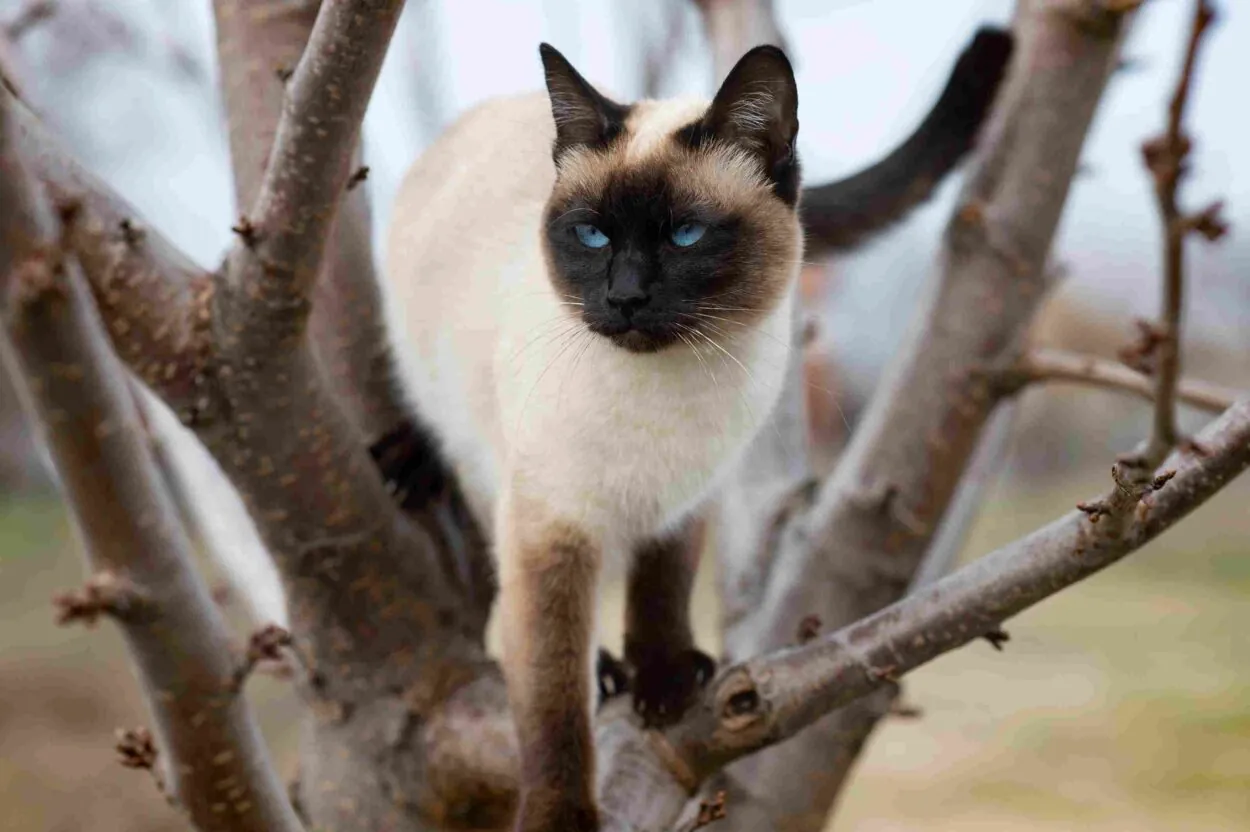
| Siamese | 11.7 | Moderate-high longevity; prone to renal and amyloidosis risks |
| Persian | 10.9 | Brachycephalic structure; prone to polycystic kidney disease (PKD) |
| Ragdoll | 10.3 | Susceptible to Hypertrophic Cardiomyopathy (HCM) |
| Norwegian Forest Cat | 10.0 | Susceptible to glycogen storage disease IV and HCM |
| Maine Coon | 9.7 | Large frame; predisposed to HCM and hip dysplasia |
| Russian Blue / Related | 9.7 | Susceptible to lower urinary tract disorders |
| British Shorthair | 9.6 | Predisposed to obesity and HCM |
| Bengal | 8.5 | Risk of progressive retinal atrophy and hypertrophic cardiomyopathy |
| Sphynx | 6.7 | High susceptibility to HCM; skin care and thermoregulation demands |
Note: Data derived from Teng et al. (2024), VetCompass UK. Figures reflect life expectancy calculated at birth and do not represent maximum potential age.
Methodological Context on Low-Sample Breeds
Researchers cautioned against interpreting lower breed averages as definitive ceilings on potential lifespan. For instance, the Sphynx estimate of 6.7 years was derived from a small sub-sample of 18 recorded deaths. Small sample sizes widen confidence intervals, meaning individual outcomes within those breeds can vary substantially depending on parental screening, management, and luck.
Survivorship Bias and Advanced Age Estimates
A critical insight from actuarial science is the concept of remaining life expectancy. Baseline figures combine infant, juvenile, and young-adult mortalities (including trauma and infectious diseases). Once a cat survives past its early years, its expected total age shifts upward.
LIFE EXPECTANCY TRAJECTORY BY AGE ATTAINED
========================================================================
At Birth:          [11.74 Years Total Expected]
Reaching Age 7:    [13.50+ Years Total Expected]
Reaching Age 12:   [15.80+ Years Total Expected]
========================================================================
*Survives early life risks (trauma, infectious disease) -> Projected lifespan increases.
Official Responses and Expert Consensus
Veterinary medical organizations and specialized bodies have issued clinical guidelines based on these statistical realities, addressing how care strategies must adapt across a cat’s life cycle.
Life Stage Classifications
The American Animal Hospital Association (AAHA) and the American Association of Feline Practitioners (AAFP) jointly establish feline life stage definitions. Their 2021 guidelines classify cats into four core groups:
- Kitten: Birth to 1 year
- Young Adult: 1 to 6 years
- Mature Adult: 7 to 10 years
- Senior: Greater than 10 years
Dr. Hazel Carney, a feline medicine specialist involved in AAFP guideline development, notes that designating a ten-year-old cat as a "senior" is a clinical mechanism for preventive screening rather than a terminal diagnosis. Regular blood pressure, blood chemistry, and urinalysis screenings are recommended every six months for cats in this tier to catch asymptomatic chronic diseases early.

The Indoor vs. Outdoor Lifestyle Debate
In 2024, the AAFP released an updated position statement regarding feline environmental management. While acknowledging that outdoor access offers sensory enrichment, experts emphasized the distinct hazards associated with unrestricted outdoor roaming, including vehicular trauma, inter-animal conflict, toxin exposure, and infectious agents such as Feline Leukemia Virus (FeLV) and Feline Immunodeficiency Virus (FIV).
Conversely, veterinary behavioral experts stress that purely indoor cats require deliberate environmental modification. Without climbing vertical space, scratching surfaces, sensory stimulation, and structured play, indoor cats face elevated risks of chronic stress, lower urinary tract inflammation, and idiopathic cystitis.
Genetic Screening and Extreme Breeding Traits
Welfare organizations have responded directly to breed-specific lifespan disparities. The Universities Federation for Animal Welfare (UFAW) has highlighted the health burdens linked to extreme brachycephaly (facial flattening) in Persians and related breeds, pointing out that severe skeletal modifications can cause upper respiratory distress and tear-duct overflow.
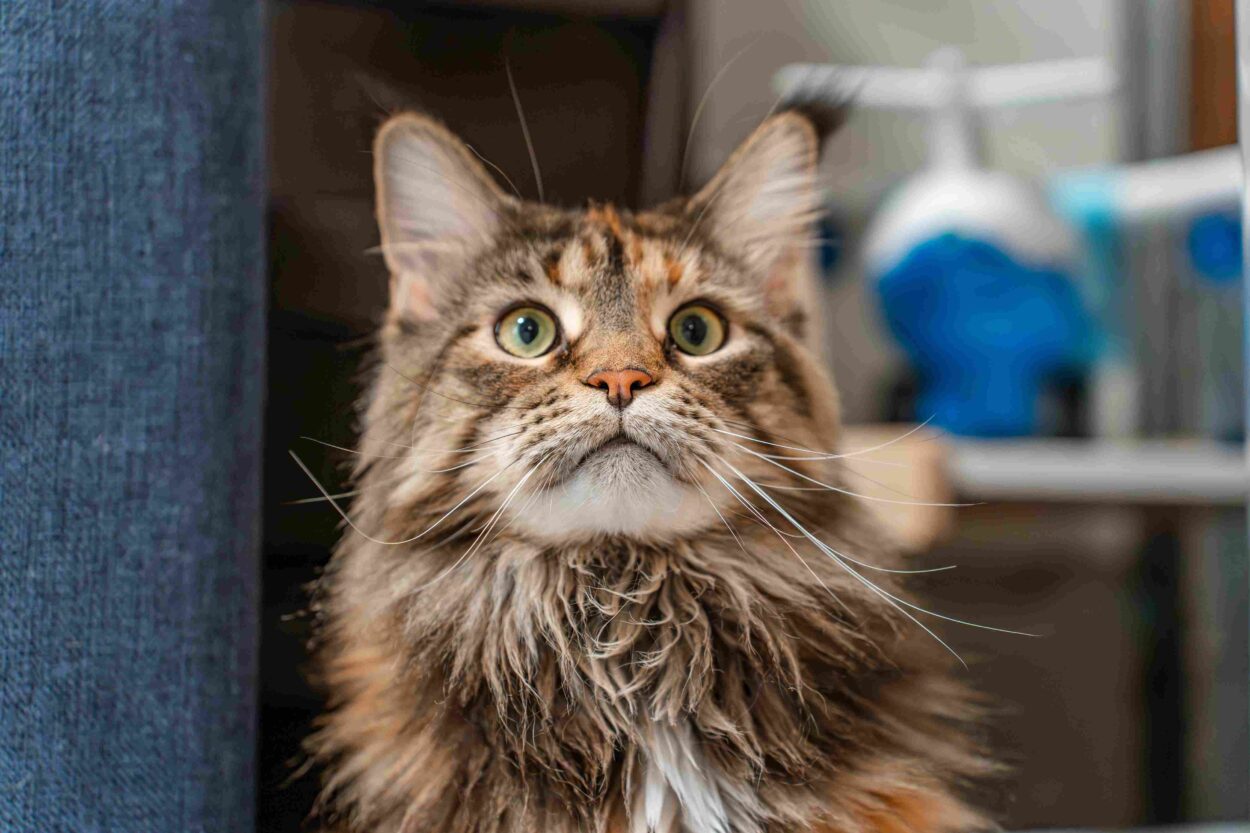
Similarly, specialist services such as the Cornell University Hospital for Animals Cardiology Unit emphasize the necessity of pre-breeding echocardiographic and genetic screenings for Hypertrophic Cardiomyopathy (HCM) in predisposed breeds like the Maine Coon, Ragdoll, and Sphynx.
Implications for Veterinary Medicine, Breeders, and Pet Owners
The findings from modern feline life tables carry direct actionable implications across animal welfare, breeding practices, and everyday pet care.
1. Shift in Preventive Veterinary Protocols
Because cats instinctually mask physical discomfort and signs of chronic disease, waiting for overt clinical symptoms often results in delayed diagnoses. Veterinary practices are increasingly implementing proactive screening schedules:
- Weight and Body Condition Monitoring: Detecting subtle, unprompted weight loss early often serves as the initial indicator of hyperthyroidism, chronic kidney disease (CKD), or gastrointestinal neoplasia.
- Bi-Annual Senior Exams: For cats aged 10 and above, twice-yearly physical exams facilitate early interventions for osteoarthritis, periodontal disease, and systemic hypertension.
- Monitoring Elimination Habits: Changes in litter box frequency, stool consistency, or urine volume offer actionable diagnostic clues for underlying metabolic or urological conditions.
       PREVENTIVE SENIOR CARE PROTOCOL (CATS 10+ YEARS)
+------------------------------------------------------------------+
| PHYSICAL EXAM       | Bi-annual assessment of joints, teeth, eyes |
| LAB WORKWORK        | Complete Blood Count (CBC), Chemistry, SDMA|
| URINALYSIS          | Specific gravity, protein, sediment check  |
| BLOOD PRESSURE      | Screening for systemic hypertension        |
| HOME MONITORING     | Tracking weight, water intake, litter box  |
+------------------------------------------------------------------+
2. Responsibilities for Purebred Breeding Programs
The substantial lifespan discrepancies between crossbred felines and select purebred breeds highlight the ongoing need for responsible breeding protocols. Breeders of high-risk breeds are urged to utilize genomic testing and cardiac ultrasounds to clear breeding stock of known hereditary mutations before mating.
3. Optimization of Home Environments
To balance safety with psychological health, feline welfare experts advocate hybrid indoor management strategies:
- Enclosed Outdoor Access: Utilizing "catios" or secure harness walking to allow safe outdoor exposure without exposure to traffic or predators.
- Environmental Enrichment: Installing vertical shelving, perches, food-puzzle feeders, and daily interactive play sessions to emulate natural hunting behaviors and curb obesity.
Ultimately, while population-wide statistical data provides invaluable baseline metrics, an individual cat’s lifespan remains heavily influenced by targeted preventive care, early medical intervention, proper nutrition, and a safe, enriching home environment.