



















































The Anchor of Minneapolis: Why Rudy Gobert’s 2026-27 Campaign Defines the Timberwolves’ Future

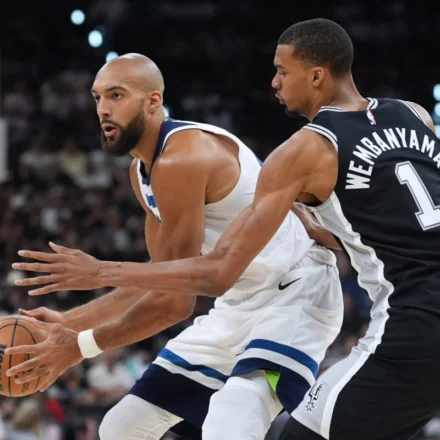
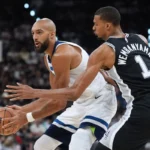
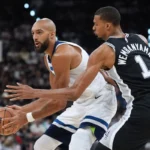
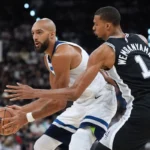
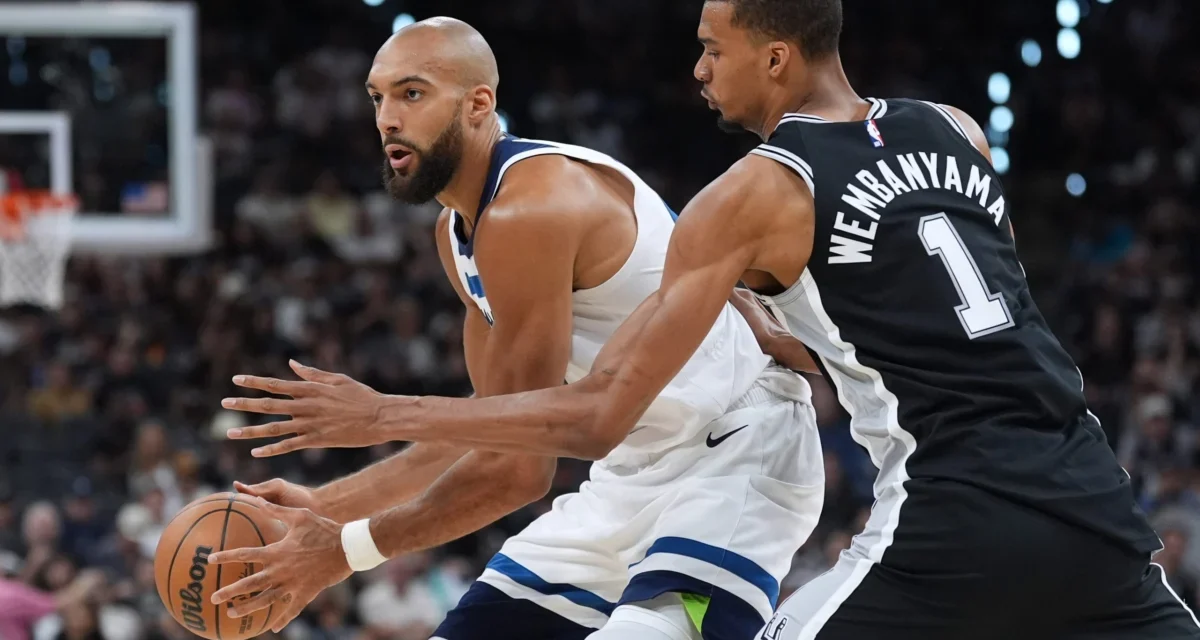
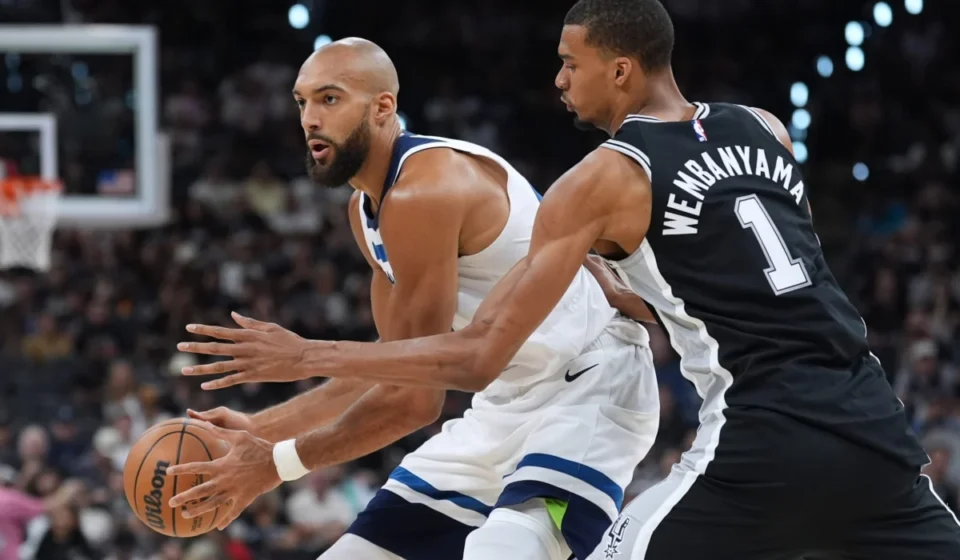
As the Minnesota Timberwolves wrapped their first official practice of the 2026-27 NBA season last month, a lighthearted scene unfolded on the court. Rudy Gobert, now 34, stood amidst a roster where over a dozen players have yet to celebrate their 27th birthday. Sporting a newly shaved head and a sharp, dark goatee—a look his head coach Chris Finch wryly likened to that of a "Russian gangster"—the veteran center reflected on his status as the team’s elder statesman.
"It is interesting," Gobert said with a bemused smile. "But I feel wise and fresh at the same time. It is a good place to be."
While the NBA world has been transfixed by the flashy arrival of LaMelo Ball and the continued ascension of superstar Anthony Edwards, the reality of the Timberwolves’ season rests on a foundation that is less about aesthetics and more about durability. As the team prepares for the regular-season tip-off, it has become increasingly apparent that the sustained health, defensive savviness, and stoic leadership of Rudy Gobert will be the single most vital variable in Minnesota’s championship equation.
The New-Look Wolves: A Trade-Off in Depth
The summer of 2026 was defined by the aggressive pursuit of LaMelo Ball. To bring the creative playmaker to Minneapolis, the Timberwolves front office had to execute a high-stakes roster overhaul. The cost was significant: shipping out Julius Randle and parting ways with fan-favorite Naz Reid, along with a collection of draft capital.
While Ball’s arrival is expected to boost the efficiency of Anthony Edwards and revitalize the team’s offensive rhythm, the move created a glaring vacancy in the frontcourt. For the past two seasons, the duo of Randle and Reid provided the Timberwolves with elite insurance for the center position. When Gobert headed to the bench, the team never had to sacrifice size or interior scoring. Even in the preceding years, the presence of Karl-Anthony Towns offered a similar safety net.
By moving both Randle and Reid, the organization has effectively handed the keys to the backup center role to Joan Beringer, a 19-year-old prospect from France. While the front office and coaching staff remain high on Beringer’s raw potential, the gap between his current development and the demands of an NBA title contender is vast.
The Beringer Experiment: Learning on the Fly
Joan Beringer possesses the physical dimensions and the "sacrificial thirst" required of an modern big man, but his resume is undeniably thin. Last season, his rookie campaign, he logged a mere 314 minutes of NBA action, supplemented by a handful of appearances for the G League’s Iowa Wolves.

His backstory is equally unconventional. A late bloomer who didn’t take basketball seriously until a growth spurt at age 14 diverted his focus from soccer and judo, Beringer’s professional experience prior to the NBA was limited to roughly 50 games in the Adriatic League and the EuroCup. Now, he is tasked with anchoring the defense for 15 to 20 minutes a night against the most sophisticated offenses in the world.
Watching Beringer in the preseason is a study in contrasts—a "milkshake of marveling," as one observer put it. There are flashes of instinctive brilliance, but they are often punctuated by the inevitable gaffes of a teenager adjusting to the speed and physicality of the professional game. The nuance of "act-and-react" defense—knowing when to help, when to rotate, and when to abandon a man to crash the glass—cannot be taught through film study alone. It requires the experience that only comes with the grind of a full 82-game season.
The "Non-Rudy" Minutes: A Strategic Concern
The risk of relying on a neophyte like Beringer is compounded by the heavy reliance the team places on Gobert. Over his four seasons in Minnesota, the center has averaged 32.3 minutes per game. If the Timberwolves are to meet their championship goals, that workload is non-negotiable.
Coach Chris Finch has been transparent about the challenge. On a recent podcast appearance, he referred to Gobert as a "mistake eraser"—a player whose defensive IQ and anticipation bail out teammates who are out of position. Finch noted that Gobert’s primary value is his ability to "raise the floor" of the team’s performance.
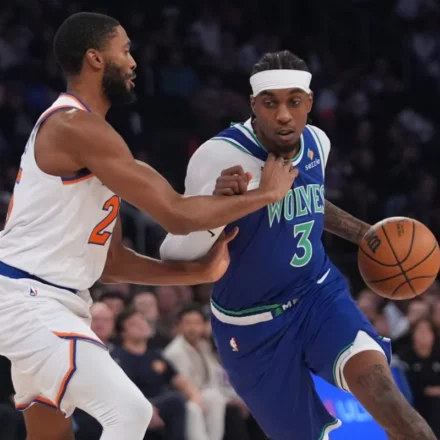
With the departures of veteran stabilizers, that floor is now precarious. If Gobert encounters foul trouble or, heaven forbid, injury, the team’s defensive integrity faces a massive drop-off. While Trey Lyles offers veteran experience as a "small-ball" center and Jaden McDaniels has proven effective in zone-defensive schemes, these are temporary fixes for a structural weakness.
Leadership and the "Rudy" Fluency
Recognizing the potential for a leadership void, the team has taken proactive steps to integrate Gobert’s influence into the core of the locker room. This off-season, the team-building culture shifted in a positive direction, with Anthony Edwards leading an initiative to conduct off-season training in France—an invitation Gobert had extended for years but which had previously gone unheeded.
This gesture is symbolic of a larger cultural shift. Younger players, including the recently re-signed Ayo Dosunmu, have expressed appreciation for Gobert’s mentorship, particularly regarding his approach to nutrition and physical recovery. Even LaMelo Ball, the new engine of the offense, has shown a willingness to adapt to Gobert’s playing style, acknowledging the veteran’s gravity on the court.

Finch believes this is the moment for the young core, particularly Edwards and McDaniels, to move past their youth. "It’s time to take the diapers off," Finch said, emphasizing that leadership is no longer a luxury but a requirement for the team’s success.
Stoicism as a Foundation
Perhaps the most overlooked aspect of Gobert’s influence is his mental resilience. Throughout his career, the four-time Defensive Player of the Year has been a lightning rod for criticism, ranging from valid tactical critiques to baseless online vitriol. Even within his own organization, the sting of being benched during critical moments—such as the 2026 Olympic games or the final minutes of the season-ending loss to San Antonio—has been a recurring theme.
Gobert, however, remains remarkably stoic. He credits his mental fortitude to the study of ancient philosophy, specifically the writings of Marcus Aurelius.
"I’m big on Stoicism," Gobert remarked after practice. "It is about finding your own type of leadership and your own purpose. Control what you can control, and what I can control is how I show up every day."
Implications for the 2026-27 Season
The success of the Minnesota Timberwolves this season will not be decided solely by the highlight-reel passes of LaMelo Ball or the explosive scoring of Anthony Edwards. It will be decided in the margins—in the defensive rotations, the rebounding battles, and the ability to maintain composure when the game slows down.
If the young Timberwolves can embrace the "Rudy" way of life—a commitment to defensive discipline, meticulous physical preparation, and an unwavering focus on the collective goal—they may find themselves in a position to contend for the Larry O’Brien trophy.
However, should the team fall into the traps of inconsistency or lack of focus that plagued them in previous seasons, the veteran center will be there to hold them accountable. As the season progresses, Gobert’s role as the anchor will be tested daily. Whether through his play or his quiet, persistent leadership, he remains the most indispensable part of the Timberwolves’ puzzle. The team is younger, faster, and more creative, but they are only as sturdy as their veteran center allows them to be. In a season of high expectations, the "Russian gangster" look may be a joke, but the necessity of his presence is the most serious truth in Minneapolis.