

























































Navigating the Modern Workplace: The Evolving Legal, Safety, and Operational Landscape of Employee Drug Testing

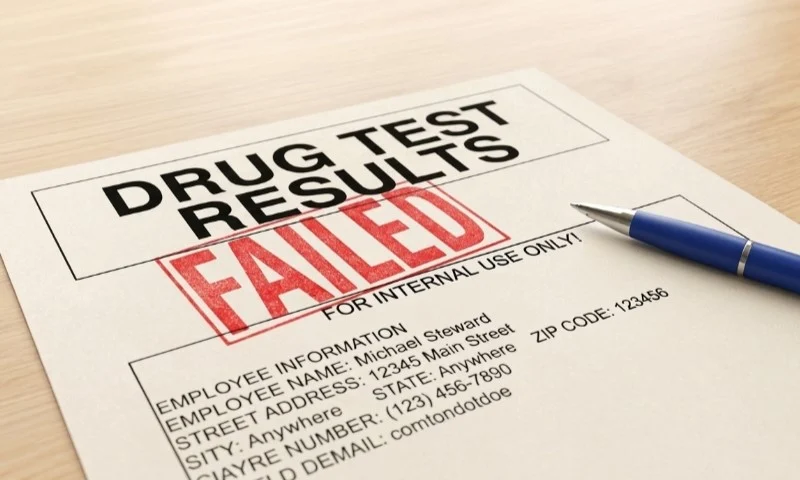
Employee drug testing has long served as a cornerstone of occupational safety and risk management across various sectors of the global economy. Originally designed as a straightforward tool to identify substance use and mitigate liability, the practice has transformed into a highly complex, regulated, and debated operational issue. Today, employers must balance safety concerns, regulatory mandates, and liability reduction against shifting legal landscapes, technological advancements, and evolving social attitudes toward substance use.
A recent industry survey highlights the pervasive nature of these programs, revealing that approximately 40% of surveyed employers conduct drug testing for both regulated and nonregulated positions. This indicates that screening is far from limited to federally mandated transportation and safety-sensitive sectors; it remains a mainstream practice across corporate offices, retail environments, and manufacturing facilities alike. However, as the legal status of substances like cannabis changes across various jurisdictions, the mechanisms, methodologies, and philosophies underpinning workplace screening are undergoing their most significant shift in decades.
1. Main Facts: The State of Workplace Drug Testing
At its core, workplace drug testing is designed to detect the presence of specific substances or their metabolites in an employee’s system, thereby reducing the risks associated with on-the-job impairment. Employers deploy these testing protocols to achieve several critical objectives:
- Promoting Workplace Safety: Minimizing the risk of accidents, injuries, and fatalities.
- Regulatory Compliance: Meeting strict federal, state, or local legal obligations.
- Deterrence: Discouraging substance misuse both on and off the clock.
- Fitness for Duty: Ensuring that employees are physically and cognitively capable of performing their job responsibilities safely.
Testing methodologies are diverse, relying on various biological samples depending on company policy, industry regulations, and the specific window of detection required. The most common sample types include:
- Urine: The industry standard for most corporate and regulated screening programs, offering a reliable detection window for most substances over several days.
- Saliva (Oral Fluid): An increasingly popular method that offers a shorter detection window, making it highly effective for identifying recent use or potential active impairment.
- Hair: Used primarily to detect long-term patterns of substance use, offering a detection window of up to 90 days.
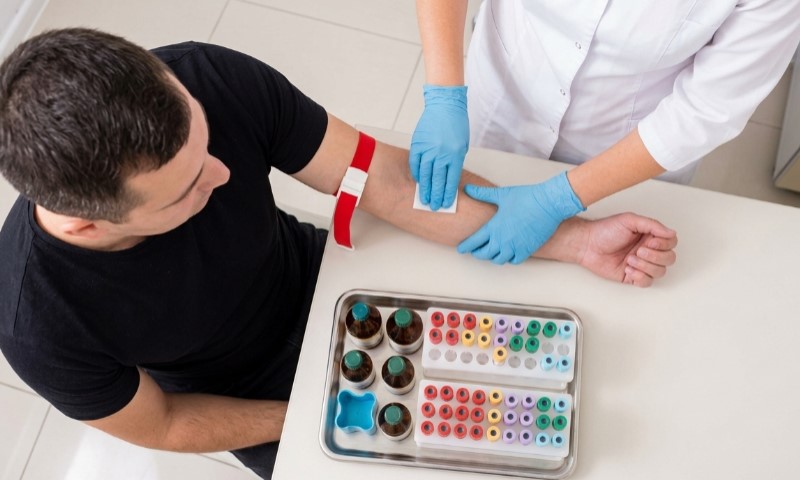
- Blood: Highly accurate but invasive, typically reserved for post-accident investigations or clinical evaluations to determine immediate impairment.
Despite the widespread adoption of these methods, employers face the ongoing challenge of interpreting results. As testing technology evolved, a critical distinction emerged: a positive test result indicates the historical presence of a substance or its metabolites, but it does not necessarily prove active, on-the-job impairment. This distinction has become a major focal point for legal disputes, policy updates, and scientific innovation.
2. Chronology and Evolving Context: From Zero Tolerance to Nuanced Compliance
The history of workplace drug testing in the United States and other Western economies reflects a steady progression from punitive, broad-brush policies to highly regulated, scientifically driven programs.
The Foundation of Workplace Screening (1980s)
The modern framework for employee drug testing was established during the height of the "War on Drugs" in the 1980s.
- 1986: President Ronald Reagan signed Executive Order 12564, establishing the Drug-Free Federal Workplace. This mandate required federal agencies to implement drug testing programs for employees in sensitive positions, setting a precedent for the private sector.
- 1988: The U.S. Congress passed the Drug-Free Workplace Act of 1988. This legislation required federal contractors and grantees to maintain a drug-free workplace as a condition of receiving federal funding, cementing drug testing as a standard corporate practice.
The Rise of DOT Regulations (1990s–2000s)
Following several high-profile transportation accidents in which substance impairment was a contributing factor, federal oversight intensified. The Omnibus Transportation Employee Testing Act of 1991 mandated drug and alcohol testing for safety-sensitive transportation employees. This led to the creation of the U.S. Department of Transportation (DOT) drug testing regulations under 49 CFR Part 40, establishing strict guidelines for specimen collection, laboratory analysis, and medical review.
The Modern Era: Cannabis Legalization and Technological Shifts (2010s–Present)
The landscape began to shift dramatically with the widespread state-level legalization of medical and recreational cannabis.
- 2012: Colorado and Washington became the first states to legalize recreational cannabis, creating an immediate conflict between federal law (which classifies cannabis as a Schedule I controlled substance) and state-level employment protections.
- 2023: In response to changing technology and the need for more immediate detection windows, the DOT published updated guidelines officially authorizing the use of oral fluid (saliva) drug testing as an alternative to urine collection, once certified laboratories are available to process the samples.
- 2024: Industry data revealed a stark divergence in drug positivity rates, particularly in post-accident scenarios, prompting employers to reevaluate their testing triggers and safety-sensitive definitions.
3. Supporting Data and Methodology: Analyzing the Numbers
To understand the operational impact of drug screening, employers rely heavily on testing statistics and established toxicology panels. Recent data highlights the direct relationship between substance use and workplace safety incidents.
The Post-Accident Positivity Gap
Data reported for 2024 revealed a significant disparity in drug positivity rates across the combined U.S. workforce:
| Test Type | Drug Positivity Rate (2024) |
|---|---|
| Overall Workforce Testing | 4.4% |
| Post-Accident Testing | 10.2% |
This dramatic increase—showing that post-accident drug positivity is more than double the overall average—underscores why employers maintain post-accident testing protocols. It suggests a strong correlation between substance use and the failures in coordination, judgment, or reaction times that lead to workplace accidents.
Workforce Drug Positivity Rates (2024)
[====================] 4.4% (Overall Positivity)
[==================================================] 10.2% (Post-Accident Positivity)
The Standard 5-Panel Drug Test
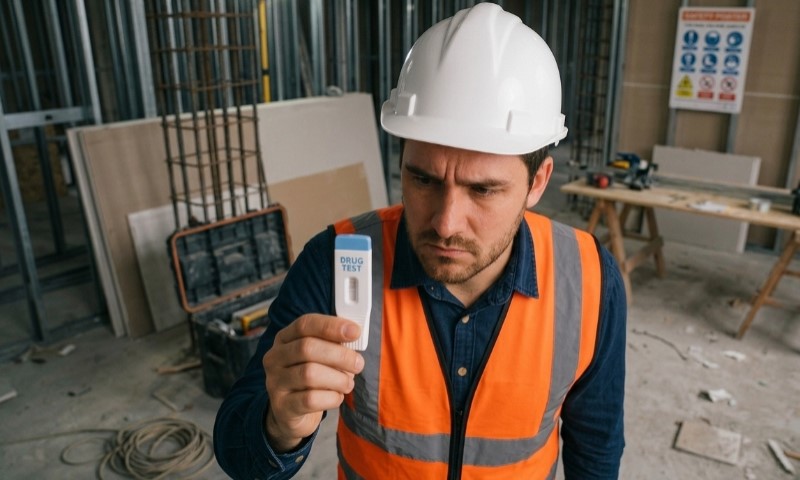
The most common screening protocol used across both regulated and nonregulated industries is the standard 5-Panel Drug Test. This panel is designed to detect the five most frequently abused classes of substances:
- Amphetamines: Including methamphetamine, MDMA, and prescription stimulants.
- Cocaine: Including crack cocaine and cocaine metabolites.
- Opiates: Such as codeine, morphine, and heroin (often expanded to include synthetic opioids like oxycodone).
- Phencyclidine (PCP): A powerful dissociative anesthetic.
- Marijuana (THC): Specifically targeting the tetrahydrocannabinol metabolite.
While the 5-panel test remains the industry standard, many employers utilize expanded panels (such as 9-panel, 10-panel, or 12-panel tests) to screen for benzodiazepines, barbiturates, methadone, and propoxyphene, depending on specific workplace risks and regional drug trends.
4. Official Responses and Legal Frameworks
The regulatory environment governing drug testing is a complex patchwork of federal mandates, state statutes, and civil rights protections. Employers must carefully navigate these frameworks to avoid costly litigation and regulatory penalties.
Federal Mandates: The Gold Standard
For safety-sensitive industries, drug testing is not optional. The DOT enforces rigid compliance standards for employees in transportation sectors, including:
- Aviation: Pilots, flight crews, and air traffic controllers.
- Commercial Motor Vehicles: Truck drivers and interstate bus operators.
- Railroads: Locomotive engineers and train dispatchers.
- Transit and Pipeline Operations: Maintenance crews and control room operators.
Employers operating under DOT guidelines must follow the latest collection protocols, ensuring strict chain-of-custody procedures to prevent specimen tampering or contamination.
OSHA and Retaliation Concerns
The Occupational Safety and Health Administration (OSHA) has weighed in significantly on post-accident testing. OSHA guidelines emphasize that employers must not use post-accident drug testing as a retaliatory tool to discourage workers from reporting legitimate workplace injuries. To remain compliant, employers should limit post-accident testing to situations where there is a reasonable belief that employee drug use could have contributed to the incident, and where the test can reasonably identify active impairment.
State-Level Protections and Cannabis
The most challenging legal frontier for employers is the rapid expansion of state-level cannabis protections. States like California, New York, New Jersey, and Illinois have enacted laws that protect employees from discrimination based on their off-duty, recreational use of cannabis.
- The Impairment Dilemma: Because cannabis metabolites can remain in a person’s system for weeks after consumption, a positive urine test does not prove that an employee was impaired while on the job.
- Legal Protections: In states with robust employee protections, employers are increasingly restricted from taking adverse action against non-safety-sensitive employees based solely on a positive cannabis test, unless active, on-the-job impairment can be documented through observable physical symptoms.
5. Implications and Future Outlook: A Holistic Approach to Workplace Safety
As the legal and cultural landscape continues to shift, the business community is realizing that drug testing alone is insufficient to guarantee workplace safety. Instead, forward-thinking organizations are transitioning toward comprehensive, holistic health and safety models.
High-Risk Environments and the Cost of Failure
For industries where physical labor, heavy machinery, or public safety are central to operations, the consequences of impairment remain catastrophic. High-risk positions that require continuous vigilance include:
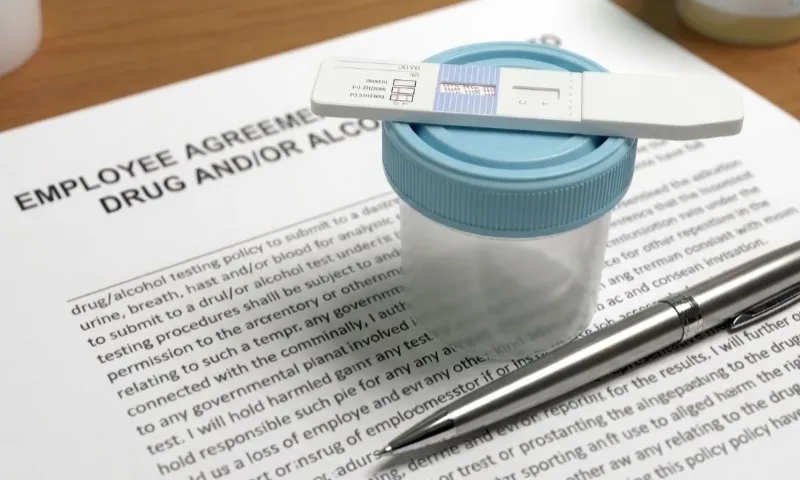
- Heavy Machinery Operators: Cranes, forklifts, and industrial manufacturing equipment.
- Commercial Transport Drivers: Navigating public roadways in multi-ton vehicles.
- Healthcare Providers: Surgeons, nurses, and pharmacists responsible for patient care and medication administration.
- Electrical Utility and Nuclear Workers: Managing high-voltage systems and hazardous energy sources.
- Construction and Scaffolding Crews: Working at extreme heights where a single slip can be fatal.
In these environments, a single safety failure can trigger immense financial and operational damages, including:
- Direct workers’ compensation and medical expenses.
- Catastrophic property and equipment damage.
- Severe civil litigation, legal defense costs, and punitive damages.
- OSHA fines and regulatory penalties for safety violations.
- Skyrocketing corporate insurance premiums.
- Severe brand damage and loss of client trust.
The Shift Toward Employee Assistance Programs (EAPs)
Rather than relying solely on a "test and terminate" philosophy, modern human resources practices favor a balanced approach that combines deterrent testing with active support. Research indicates that workplace substance misuse is often tied to underlying mental health challenges, chronic pain, or personal crises.
Traditional Approach          Modern Holistic Approach
  [ Test & Catch ]             [ Education & Prevention ]
         │                                │
         ▼                                ▼
  [ Termination ]              [ Reasonable Suspicion / Testing ]
                                          │
                                          ▼
                               [ Treatment & EAP Support ]
                                          │
                                          ▼
                               [ Return-to-Duty Pathway ]
A comprehensive safety program includes:
- Supervisor Training: Educating managers to recognize the specific, physical signs of active impairment (e.g., slurred speech, lack of coordination, erratic behavior) rather than relying on subjective assumptions.
- Employee Education: Providing clear communication regarding company policies, the dangers of substance abuse, and the safe use of prescription medications.
- Employee Assistance Programs (EAPs): Offering confidential counseling, mental health services, and addiction treatment pathways to employees before their performance or safety is compromised.
- Rehabilitation and Return-to-Duty Pathways: Providing structured support for employees who seek help voluntarily, allowing them to recover and return to work safely under supervised, follow-up testing protocols.
Conclusion
Employee drug testing remains a vital component of the corporate safety toolkit, but it is no longer a static, one-size-fits-all solution. To protect both their workforces and their bottom lines, modern employers must design testing policies that are scientifically sound, legally compliant with local jurisdictions, and integrated into a broader culture of employee wellness and support. By focusing on active impairment, respecting employee privacy rights, and offering pathways to recovery, businesses can maintain safe, productive, and resilient workplaces in an increasingly complex world.