















































Minnesota’s Cannabis Transition: From Tribal Monopoly to a Flourishing Non-Tribal Marketplace

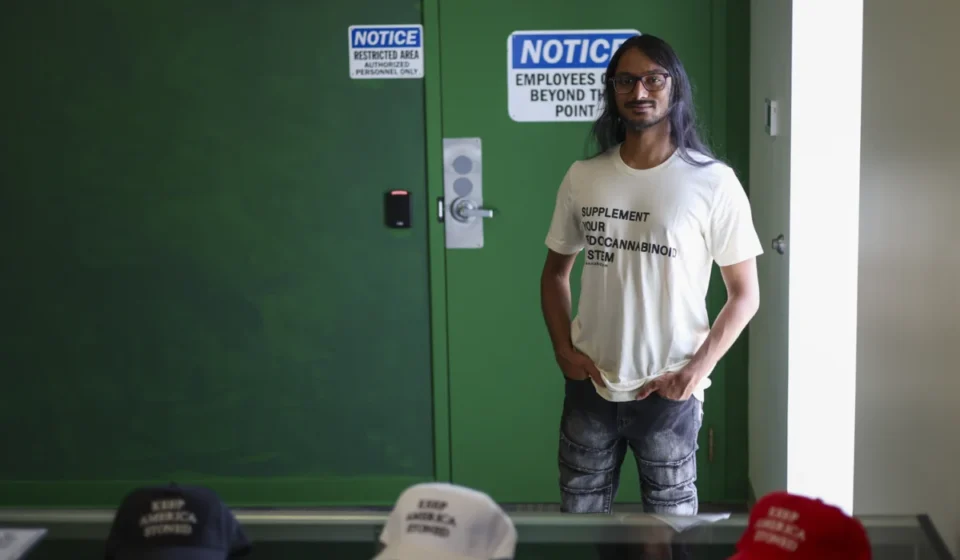
MINNEAPOLIS — At the vibrant intersection of West 25th Street and South Lyndale Avenue, the Loon Smoke Shop has long served as a neighborhood anchor. Inside, the air is often thick with the scent of tobacco and flavored vapor as patrons congregate late into the night. However, this familiar scene is on the verge of a historic transformation. Just a few blocks south, the shop’s owners are preparing to launch a full-scale cannabis dispensary, a move that signals a pivotal shift in Minnesota’s long-delayed rollout of legal marijuana.
As the state enters the second half of 2025, the "onus," according to state officials, has shifted. For nearly two years, the narrative of Minnesota cannabis was defined by legislative hurdles, administrative turnover, and a market exclusively dominated by sovereign tribal nations. Today, the first non-tribal licenses have been issued, and a wave of nearly 150 businesses is expected to crest by the end of the year.
Main Facts: The End of the "Waiting Game"
The Minnesota Office of Cannabis Management (OCM) has officially broken the seal on non-tribal retail and cultivation. In a flurry of activity throughout June and July 2025, the OCM granted final approval to five distinct entities, marking the first time businesses not operated by the state’s 11 tribal nations have been authorized to enter the recreational market.
The newly licensed pioneers include:
- Herb-Quest: Authorized for a cultivation center in Pine County.
- Concentrate Labs (Roots and Resin Farm): Approved for cultivation in Chisago County.
- The Smoking Tree, Loon Lab Extracts and Research, and Fairwater Farm: Granted retail licenses for operations in Albert Lea, Isanti, and Plainview, respectively.
While the 2023 legalization act set an ambitious target for retail availability by 2025, the path has been anything but linear. Eric Taubel, the interim director of the OCM, suggests that the period of blaming "bureaucratic red tape" is coming to a close. "We’ve transitioned to the point where the onus is on the applicant and a prospective business owner," Taubel stated. According to the OCM, the infrastructure is now in place to support a rapid expansion, with 150 non-tribal businesses projected to be operational before 2026.
Chronology: The Long Road to Legalization
The journey to this point began in May 2023, when Governor Tim Walz signed a landmark bill legalizing recreational marijuana for adults 21 and older. At the time, Minnesota was hailed for its progressive "social equity" focus and its respect for tribal sovereignty.
August 2023: The Tribal Head Start
While the state struggled to build a regulatory framework from scratch, Minnesota’s tribal nations utilized their sovereign status to move immediately. The Red Lake Nation opened the state’s first legal recreational dispensary on August 1, 2023. They were soon followed by the White Earth Nation. For nearly two years, these tribal dispensaries—often located hours away from the Twin Cities—were the only legal avenues for Minnesotans to purchase flower and concentrates.
Early 2024: Administrative Turmoil
The OCM faced a series of leadership crises that stalled the rollout. The initial choice for director was withdrawn following a botched hiring process that drew a stinging review from the Office of the Legislative Auditor. Charlene Briner served as interim director until January 2024, when she was succeeded by Eric Taubel. Governor Walz has admitted that the lack of a "model" for such a complex rollout contributed to these delays.
May 2025: The Compact Breakthrough
A significant milestone was reached when the state finalized a regulatory compact with the White Earth Nation. This agreement allowed the tribe to operate dispensaries off-reservation, leading to the opening of stores in St. Cloud and Moorhead. This "hybrid" model remains unique to Minnesota, positioning tribal nations as major players in the broader state economy.
June – July 2025: The Lottery and Final Approvals
The OCM held two high-stakes lotteries to distribute licenses. In June, 249 social equity applicants won the right to proceed toward licensing. In July, a second lottery saw 75 winners from a pool of 569 applicants, including those without social equity status. This paved the way for the first non-tribal retail approvals currently making headlines.
Supporting Data: The Regulatory and Financial Landscape
The rollout is governed by a complex set of data-driven requirements and financial structures designed to balance social justice with economic viability.

The Social Equity Component
Minnesota’s model prioritizes those disproportionately affected by previous prohibition. Of the hundreds of applicants, those with "social equity status" were given the first opportunity. Criteria for this status include:
- Military veteran status.
- Prior convictions for marijuana offenses (victims of the "War on Drugs").
- Residency in high-poverty or high-incarceration ZIP codes.
The "Checkerboard" of Local Control
While state law prevents cities and counties from banning cannabis businesses outright, it grants them significant zoning authority. This has created what Taubel calls a "checkerboard" of local regulations. For example, Jacob Schlichter, owner of The Smoking Tree in Albert Lea, had to secure state approval first, but must still pass a final City Council hurdle on July 28 regarding specific municipal requirements.
Taxation and Revenue
One of the most contentious data points in the new market is the tax rate. Initially proposed at 10%, a recent state budget adjustment raised the cannabis excise tax to 15%. When combined with standard state and local sales taxes, consumers in some jurisdictions will face a total levy exceeding 20%.
- Lowest in U.S.: Connecticut (approx. 3% excise).
- Highest in U.S.: Washington (37% excise).
- Minnesota’s Position: Middle-of-the-pack, though critics fear high taxes will keep the illicit market thriving.
Official Responses: Leadership and Accountability
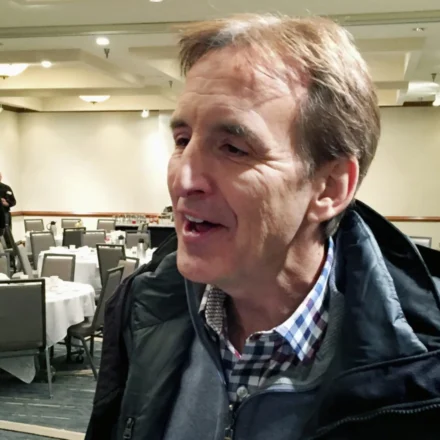
Governor Tim Walz has been candid about the difficulties of the implementation. When asked recently which of the hundreds of laws passed in the 2023 session was the most difficult to execute, he pointed directly to cannabis. "There really was not a model of how to do it," Walz remarked, noting that every state before Minnesota has struggled with the transition. Despite the delays, Walz has praised Taubel’s interim leadership, though he has stopped short of making the appointment permanent.
From the regulatory side, Taubel is pushing back against the narrative of a "slow" rollout. He emphasizes that the state is moving carefully to avoid the "white-collar" criminal element, requiring rigorous background checks and Labor Peace Agreements. These agreements require business owners to remain neutral during union organizing drives in exchange for a "no-strike" pledge from employees.
Industry consultants are more cautious. Leili Fatehi, a partner at Blunt Strategies, notes that while the "social equity" focus is noble, it has contributed to the slower pace compared to states that simply allowed existing medical dispensaries to flip to recreational sales. "I don’t think it was anticipated that the tribal program and operations would start so far ahead of non-tribal licenses," Fatehi said.
Implications: The Future of the Minnesota Market
The arrival of non-tribal dispensaries carries profound implications for the state’s economy and social fabric.
1. Market Competition and Pricing
With the tribal nations enjoying a two-year head start, they have established supply chains and brand loyalty. New retailers like the Loon Smoke Shop and The Smoking Tree will likely have to source their initial inventory from tribal cultivators, as non-tribal cultivation sites like Herb-Quest will take months to bring their first harvests to market. This could lead to higher initial prices for consumers.
2. The Persistence of the Illicit Market
The 15% excise tax is a double-edged sword. While it provides much-needed revenue for the state, experts like Fatehi warn it may be "too high." If the price of legal, tested cannabis significantly exceeds the "street price," a large segment of the population may continue to purchase from unregulated sources, undermining the state’s safety and revenue goals.
3. Municipal "Not-In-My-Backyard" (NIMBY) Hurdles
As more lottery winners attempt to find storefronts, the "checkerboard" of local zoning will become a primary battlefield. Municipalities that require large setbacks from schools, parks, and residential areas could effectively create "cannabis deserts," even in cities where the state has granted dozens of licenses.
4. Economic Revitalization vs. Social Equity
The goal of the 150-business rollout by the end of the year is to ensure that the economic benefits of cannabis are spread across the state, from rural Plainview to the heart of Minneapolis. However, the true test will be whether these social equity entrepreneurs—many of whom lack the deep pockets of multi-state operators—can survive the high overhead and complex regulatory environment of Minnesota’s unique "homegrown" marketplace.
As the first non-tribal shops prepare to open their doors, Minnesota stands at the precipice of a new era. The "amiable loiterers" at the Loon Smoke Shop are no longer just watching the traffic on Lyndale Avenue; they are watching the birth of a multi-billion dollar industry that is finally, if slowly, coming home.