




















































The Green Revolution: How Native Plants Transformed from "Weeds" to a National Horticultural Powerhouse

CHICAGO — Inside the historic Kilbourn Park greenhouse on Chicago’s North Side, the air is thick with the scent of damp earth and the quiet hum of a transformation in progress. Renee Costanzo, the Chicago Park District’s sole full-time employee at this facility, stands amidst a sea of 12,000 seedlings, her hands calloused from months of labor. As she cranks a rusty pulley to open the greenhouse roof, letting in the crisp spring air, she is not just venting a building; she is overseeing a pivot in American gardening culture.
What was once a niche hobby for ecological purists has exploded into a mainstream movement. This year, the Kilbourn Park annual plant sale shattered all previous records. Historically, the event drew roughly 1,100 people seeking tomatoes and marigolds. This year, more than 2,300 shoppers descended upon the park, lining up for hours to purchase plants at $4 a piece. The driving force behind this unprecedented surge? A skyrocketing demand for native species—plants that have evolved over millennia to thrive in the specific soil and climate of the Great Lakes region.
Main Facts: The Record-Breaking Season at Kilbourn Park
The Kilbourn Park plant sale serves as a microcosm for a broader national trend. While the sale has traditionally focused on "starter kits" for backyard gardeners—vegetables like cucumbers and bright annuals like zinnias—the inventory has shifted radically to meet modern tastes. This year, nearly 20% of the 15,000 plants produced by Costanzo and her team were native species.
The financial and social results of this shift were staggering:
- Attendance: Over 2,300 shoppers, more than double the annual average.
- Revenue: The sale generated approximately $48,000, nearly double the initial fundraising goal of $25,000.
- Inventory: Every single plant, bag of compost, and even the accompanying baked goods were sold out.
- Community Impact: The funds are slated to build a new outdoor learning center, expanding the park’s footprint as an educational hub for urban ecology.
Costanzo, who began experimenting with 30 different native species last November, noted that the demand has become impossible to ignore. "Just in the last five years, people have asked for more natives," she said. "We’ve been coddling and loving these babies for months, and the public’s appetite for them is only growing."
Chronology: From Outcasts to Essentials
The ascent of native plants from being dismissed as "weeds" to becoming the "must-have" items of the horticultural world has been decades in the making. To understand the current boom, one must look back to the early 1980s, a time when the American lawn was defined by manicured turf and exotic ornamentals.
1982: The Pioneer Era
Neil Diboll, president of Wisconsin-based Prairie Nursery, recalls the early days of the movement as a struggle for legitimacy. In 1982, his nursery grossed just over $13,000. At the time, native plants were largely ignored by the commercial industry. "I’ve watched this for 44 years, from almost zero to now," Diboll remarked. For decades, advocates like Diboll operated on the fringes, educating a skeptical public on why a "messy" prairie garden was superior to a sterile, chemically-dependent lawn.
2010–2017: The Tipping Point
In the last decade, the narrative began to shift. Public awareness regarding the "insect apocalypse"—the dramatic decline in global pollinator populations—began to permeate mainstream consciousness. This period saw the rise of organizations like Wild Ones, which transformed from a local Milwaukee gardening club into a national powerhouse with over 14,000 members.
2018–Present: The Mainstream Explosion
The last seven years have seen an exponential rise in sales. Becky Klukas-Brewer, co-owner of Prairie Moon Nursery in Minnesota, reports a 350% increase in sales during this window. Orders have tripled as local plant sales across the country—like the one at Kilbourn Park—have acted as "gateway" events, introducing homeowners to the beauty and practicality of indigenous flora.
Supporting Data: Quantifying the Ecological Economy
The numbers provided by major nurseries and non-profits confirm that the native plant movement is not a temporary fad, but a structural shift in the landscaping industry.
National Sales and Distribution
- Prairie Nursery: Now ships approximately 500,000 plants annually, along with millions of seeds. Diboll notes that while his 1982 revenue was five figures, today’s figures have "a few more zeros on there," reflecting a multi-million dollar industry.
- Wild Ones: In the last year alone, this non-profit facilitated the sale of over 110,000 native plants through 107 different chapter sales. An additional 40,000 plants were distributed through various educational and community programs.
- Growth Rates: Prairie Moon Nursery’s 350% growth over seven years suggests an annual compounded growth rate that far outpaces traditional ornamental horticulture.
Environmental Drivers
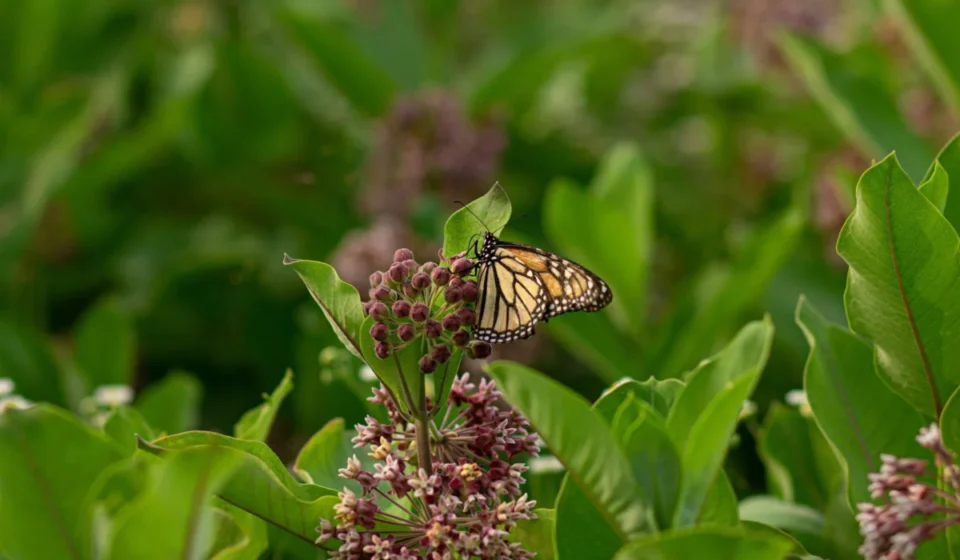
The data suggests that consumer behavior is being driven by specific environmental anxieties. The decline of the Monarch butterfly is a primary motivator. Monarch caterpillars depend solely on native milkweed (Asclepias) for survival. As industrial agriculture and suburban sprawl removed these plants from the landscape, Monarch populations plummeted. The response from home gardeners has been a massive "re-planting" effort, with milkweed now becoming one of the top-selling native species in the Midwest.
Official Responses: Expert Perspectives on Resilience
Leaders in the fields of conservation and horticulture emphasize that the shift toward native plants is a pragmatic response to a changing climate.
Tiffany Jones, who leads habitat education for the National Wildlife Federation (NWF) in the Great Lakes region, argues that native plants are the "infrastructure" of a climate-resilient city. "Native plants have been adapting to change for thousands of years," Jones said. "They need less water, less maintenance, and they’re incredibly resilient."
Jones highlights several key "official" benefits that native plants provide to urban environments:
- Flood Mitigation: Unlike the shallow roots of turf grass, native prairie plants like Big Bluestem or Compass Plant have root systems that can reach 10 to 15 feet underground. These roots act as channels, allowing soil to absorb massive amounts of rainwater, thereby reducing the burden on municipal sewer systems during the extreme storms that are becoming more frequent in Chicago.
- Carbon Sequestration: The deep root systems of these plants store significant amounts of carbon underground, contributing to local climate mitigation efforts.
- Biodiversity Support: By providing the specific chemical compounds needed by local insects, native plants support the entire food web, including songbirds and predatory insects that provide natural pest control.
Renee Costanzo echoed this sentiment from the perspective of a public servant. For the Chicago Park District, native plants represent a way to maintain beautiful public spaces with fewer chemical inputs and less intensive labor over the long term.
Implications: A New Ethic for the American Landscape
The success of the Kilbourn Park sale and the growth of nurseries like Prairie Moon and Prairie Nursery signal a fundamental change in how Americans view their relationship with the land. The implications of this movement are three-fold:
1. The Death of the "Weed" Stigma
For generations, municipal codes and neighborhood associations penalized homeowners for growing anything that looked like a "weed." Today, those same plants are being rebranded as "heritage species." This shift in aesthetics—valuing ecological function over geometric perfection—is allowing for more diverse, wilder urban landscapes that can survive heatwaves and droughts that kill off non-native species.
2. Economic Decentralization of Horticulture
The rise of native plant sales provides a new revenue stream for local parks and non-profits. The $48,000 raised at Kilbourn Park stays within the community, funding educational centers and public improvements. This creates a "virtuous cycle" where the sale of plants improves the very parks where those plants are showcased.
3. Community-Led Conservation
The role of volunteers cannot be overstated. At Kilbourn Park, the "Friends of Kilbourn Park Greenhouse," led by people like retired schoolteacher Lourdes Valenzuela, provide the manual labor necessary to scale these operations. "We’re not fighting against the climate here," Valenzuela said. "We’re working with it because it’s what’s native to this area."
As the native plant business continues to grow, it is transforming from a grassroots effort into a pillar of urban planning. The record-breaking turnout in Chicago proves that the public is no longer content with a "standard starter kit" of tomatoes and marigolds. They are looking for a deeper connection to their local environment—one plant at a time.
Editor’s note: This story reflects the ongoing evolution of the Midwest’s ecological landscape. As noted by readers and experts, the selection of specific native species—such as Minnesota or Illinois-specific milkweed—is crucial to the success of these restoration efforts.