
























































The Great European Eclipse of 2026: A Complete Guide to the August 12 Totality, Path, and Viewing Regions

An extraordinary astronomical event is set to capture the world’s attention on August 12, when a total solar eclipse will sweep across the Arctic, Greenland, Iceland, and parts of Europe. This highly anticipated celestial alignment occurs when the Moon passes directly between the Earth and the Sun, completely obscuring the solar disk and casting a narrow shadow—known as the path of totality—across a select corridor of the globe.
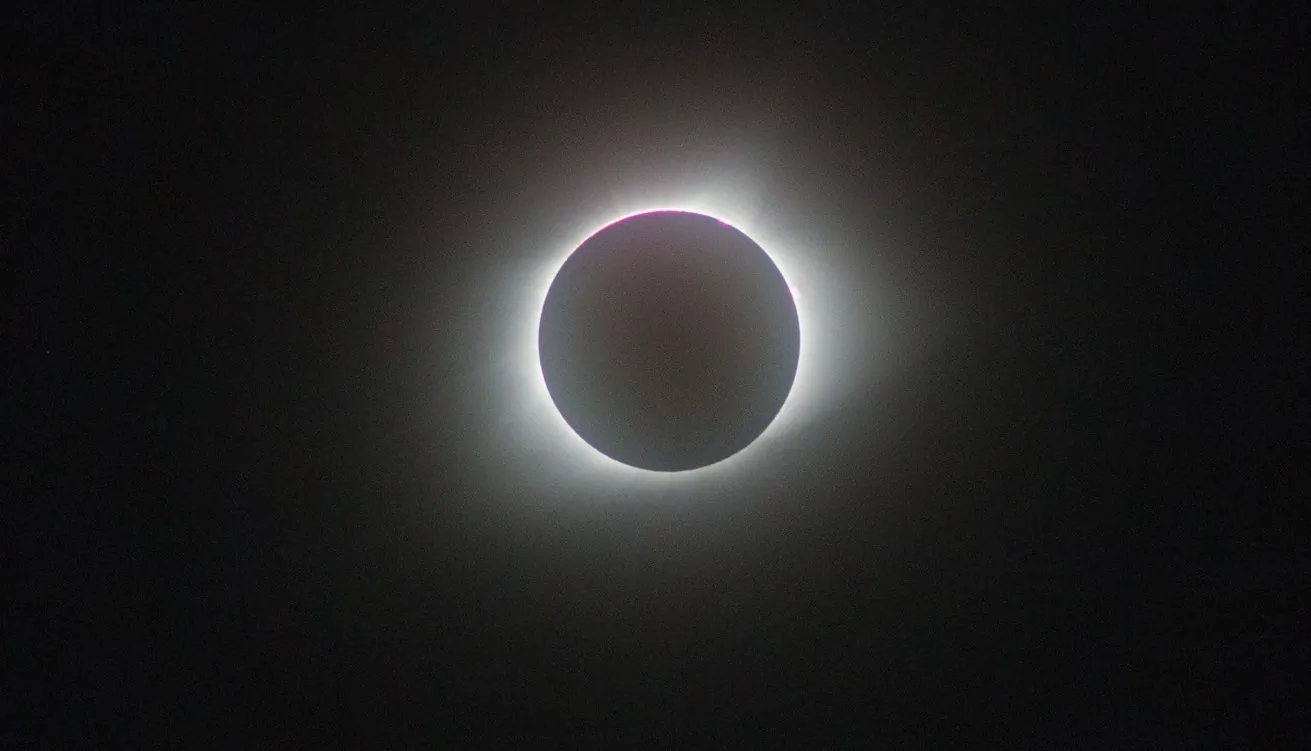
For observers positioned within this narrow path, the experience will be profound. For a brief window of up to two minutes, daylight will vanish, temperatures will noticeably drop, local wildlife may fall silent, and the Sun’s elusive outer atmosphere—the solar corona—will reveal itself as a pearlescent halo around the dark silhouette of the Moon.
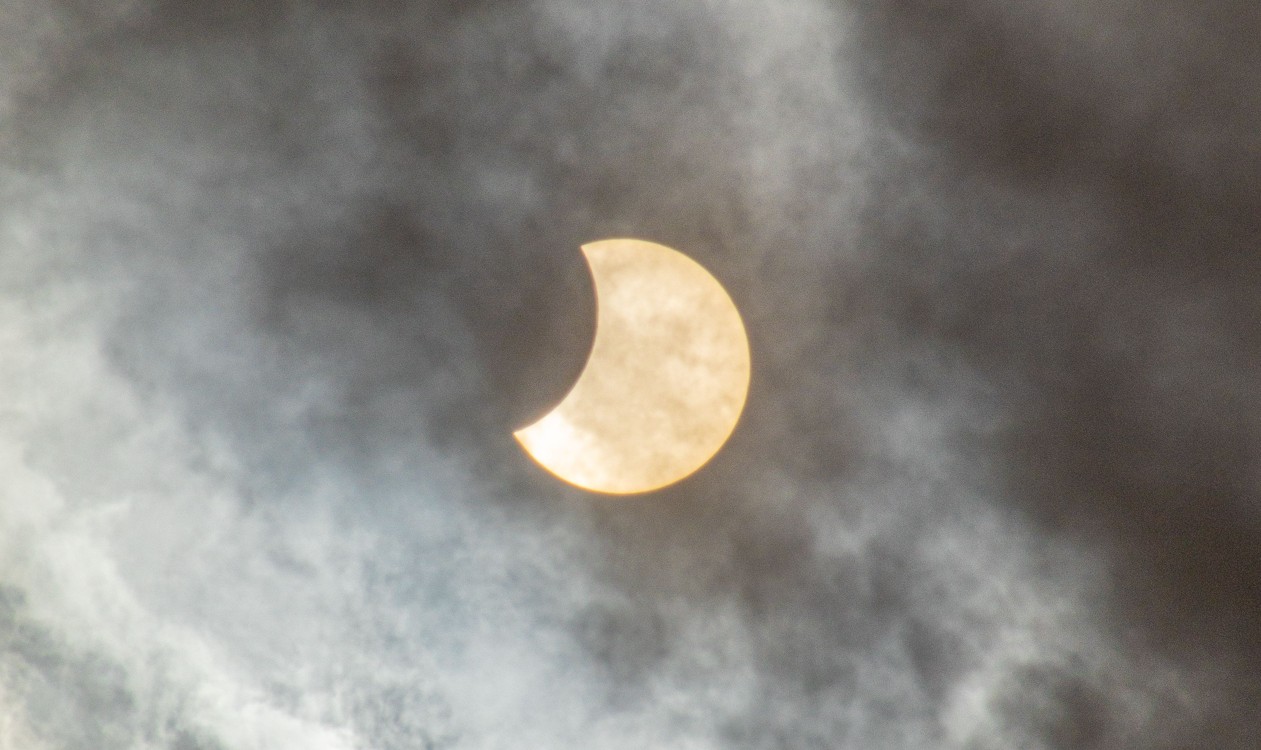
Outside this path of totality, hundreds of millions of people across North America, Europe, and North Africa will witness a partial solar eclipse of varying degrees.
Main Facts of the August 12 Eclipse
The solar eclipse of August 12 represents the first total solar eclipse visible from continental Europe since August 11, 1999. It promises to be a highly sought-after spectacle for astronomers, chase-groups, and casual tourists alike.
Key Astronomical Parameters
- Type of Event: Total Solar Eclipse
- Date: August 12
- Path of Totality: Arctic Ocean, Greenland, Iceland, Atlantic Ocean, Northern Spain, and a small portion of northwestern Portugal.
- Maximum Duration of Totality: Approximately 2 minutes and 18 seconds (occurring off the western coast of Iceland).
- Partial Eclipse Coverage: Visible across most of Europe, northern and eastern Canada, parts of the northern and eastern United States, and northwestern Africa.
During the minutes leading up to totality, observers will notice sharp, crescent-shaped shadows cast by trees and structures. The ambient light will take on an eerie, silvery quality. However, experts emphasize that even a 99% partial eclipse does not compare to the experience of 100% totality. Even a tiny sliver of direct sunlight is bright enough to drown out the solar corona and prevent the daytime sky from turning completely dark.
Chronology of the Celestial Event
The progress of the eclipse can be mapped precisely down to the second. The global timeline of the eclipse, as compiled by astronomical tracking services such as Time and Date and NASA’s Eclipse Explorer, reveals a swift journey across the northern hemisphere.
   15:34 UTC              16:58 UTC              17:46 UTC              18:34 UTC
       |                      |                      |                      |
       v                      v                      v                      v
[Partial Phase Begins] -> [Totality Begins] -> [Maximum Eclipse] -> [Totality Ends]- 15:34 UTC – Partial Eclipse Begins: The Moon first begins to touch the edge of the Sun’s disk over remote regions of the northern hemisphere. This initial contact is invisible to the naked eye without specialized solar filters.
- 16:58 UTC – Totality Begins: The Moon’s dark inner shadow (the umbra) touches down on Earth, starting its rapid journey in northern Russia, crossing the Arctic Ocean, and heading south toward Greenland.
- 17:46 UTC – Maximum Eclipse: The point of greatest eclipse is reached in the Denmark Strait, just off the western coast of Iceland. Here, the duration of totality reaches its maximum length of just over 2 minutes and 18 seconds, with the Sun positioned high enough to minimize atmospheric distortion.
- 18:34 UTC – Totality Ends: The path of totality makes its final landfalls in northern and eastern Spain and the Balearic Islands before moving out over the Mediterranean Sea, where the umbra leaves the Earth’s surface at sunset.
Supporting Data: Regional Viewing Dynamics
The geographic distribution of the path of totality creates unique viewing opportunities, localized challenges, and vastly different landscapes for observers.
Iceland: Prime Positioning with Weather Risks
Iceland sits directly in the path of the umbra, making it one of the premier destinations for international eclipse chasers.
- The Reykjavik Zone: The capital city of Reykjavik lies close to the southern edge of the path of totality. While the city will experience a total eclipse, locations further west, such as the Snæfellsnes Peninsula and the Westfjords, are closer to the centerline and will enjoy a longer duration of totality.
- The Meteorological Wildcard: Iceland’s maritime climate is notoriously unpredictable. Heavy cloud cover can develop rapidly, potentially obscuring the Sun during the critical two-minute window of totality.
- The Silver Lining: Even if light cloud cover is present, observers will still experience the dramatic, sudden plunge into darkness as the shadow sweeps over the landscape. However, a completely clear sky is required to observe the delicate structure of the solar corona.
Spain: The Low-Angle Sunset Spectacle
As the path of totality reaches northern Spain, the eclipse will occur late in the local evening. This low-altitude positioning of the Sun presents both spectacular photographic potential and significant viewing obstacles.
| Region / City | Position of the Sun | Key Considerations |
|---|---|---|
| Galicia & Asturias | Very low on the western horizon | Coastal cliffs offer unobstructed views of the sea horizon. |
| Castile and León | Low, dropping toward sunset | High risk of obstruction from local topography and buildings. |
| Aragón & Catalonia | Extremely close to the horizon | Requires elevated viewing spots to see over mountains. |
| Balearic Islands (Mallorca/Ibiza) | Touching the horizon at sunset | The eclipse will culminate right as the Sun dips below the sea. |
Because the Sun will sit very low in the western sky during totality in Spain, observers must carefully select their locations. Standard street-level viewing in urban areas or deep valleys will likely be blocked by buildings, hills, or mountain ranges. To successfully view the event, spectators must find locations with a clear, unobstructed view of the western horizon, such as west-facing beaches, high mountain passes, or elevated plateaus.
The Partial View: United States, Canada, and Northern Europe
For those unable to travel to the path of totality, the partial eclipse offers a notable astronomical event across three continents.
- United States: No portion of the United States will experience totality. However, northern states—ranging from Alaska through the Great Lakes and into the Northeast—will see a partial eclipse. The coverage will be deepest in Alaska and northern New England, while southern states like North Carolina will see only a minor, brief indentation on the solar disk.
- Canada: Much of Canada will have a front-row seat to a significant partial eclipse. Eastern provinces will experience the event during the afternoon, with the Moon obscuring a large percentage of the Sun in northern territories.
- Europe & Africa: Outside of Spain, countries including the United Kingdom, Ireland, France, Germany, and Italy will experience a "sunset eclipse." In these locations, the Sun will set while still partially covered by the Moon, creating a dramatic, crescent-shaped sunset.
Safety Guidelines and Technical Specifications
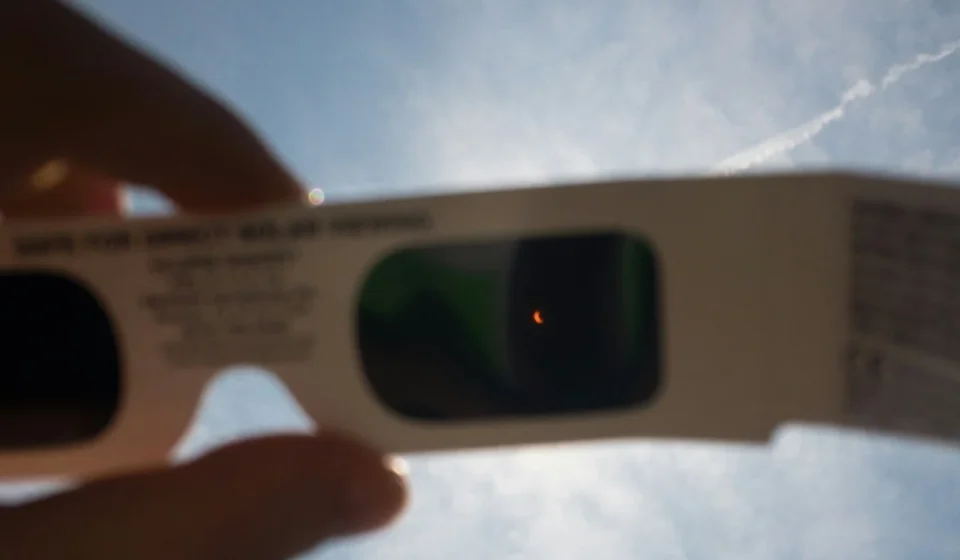
Looking directly at the Sun without specialized eye protection can cause permanent eye damage, known as solar retinopathy. The safety rules that governed the April 2024 eclipse in North America apply equally to the August 12 event.
       [ PARTIAL PHASES ]                     [ TOTALITY ]                    [ PARTIAL PHASES ]
   Must wear certified glasses            Can safely remove glasses            Must put glasses back on
(ISO 12312-2 international standard) (Only when Sun is 100% covered) (As soon as sunlight returns)- Certified Solar Filters: Standard sunglasses, polarized lenses, and improvised filters (such as smoked glass or photographic negatives) do not block harmful infrared and ultraviolet radiation. Spectators must use eclipse glasses that comply with the ISO 12312-2 international safety standard.
- Indirect Viewing Methods: For those without eclipse glasses, a pinhole projector—constructed by punching a small hole in a piece of cardstock and projecting the Sun’s image onto a secondary surface—offers a safe way to track the progress of the partial phases.
- The Totality Exception: The only time it is safe to look directly at the Sun without protection is during the brief period of 100% totality, when the Sun is completely covered by the Moon. As soon as the first bead of direct sunlight reappears (the "diamond ring" effect), protective eyewear must immediately be put back on.
Official Responses and Expert Perspectives
Space agencies, scientific organizations, and meteorological departments are preparing extensive resources to assist the public and scientific communities.
NASA’s Scientific and Public Outreach
NASA has published detailed digital mapping resources and safety guidelines to help observers plan their viewing coordinates. Recognizing that millions of people will reside outside the path of totality, the agency has announced plans to host a live, high-definition broadcast starting at 1:15 p.m. EDT (17:15 UTC) on August 12.
The broadcast will feature live feeds from high-altitude balloons, ground-based telescopes in Greenland and Spain, and commentary from solar physicists, ensuring that viewers worldwide can experience the phenomenon in real-time.
Space.com Global Monitoring
Science and space news outlet Space.com has deployed specialized reporting teams to key locations along the path, including the remote ice sheets of Greenland and the coastal regions of northern Spain. These teams will monitor local weather patterns, atmospheric changes, and crowd dynamics, providing live updates in the days leading up to the event.
Astronomers emphasize that total solar eclipses provide rare opportunities to study the solar corona—the hottest, outermost layer of the Sun’s atmosphere. The corona is normally invisible due to the overwhelming glare of the Sun’s surface (the photosphere). During the brief minutes of totality, ground-based instruments can capture high-resolution data on solar winds and magnetic field loops, which are critical for understanding space weather and its effects on Earth’s satellite networks.
Implications: Tourism, Economy, and Logistics
The path of the August 12 eclipse crosses several highly accessible European destinations, triggering a significant logistical and economic surge.
The Tourism Influx in Spain and Iceland
Local hospitality industries in northern Spain and Iceland have reported a surge in hotel bookings, car rentals, and guided tour reservations. In Iceland, remote coastal villages are preparing for an influx of travelers that could temporarily strain local infrastructure, roads, and emergency services.
In Spain, regional tourism boards are organizing designated viewing areas in public parks, historic castles, and coastal viewpoints. Local authorities are coordinating traffic control plans, anticipating that thousands of "eclipse chasers" will take to the roads at the last minute to escape localized cloud cover.
Astrophotography Demands
The late-day timing of the eclipse in Spain presents an unprecedented opportunity for landscape astrophotographers. By capturing the eclipsed Sun low on the horizon, photographers can frame the solar corona alongside iconic terrestrial features, such as the rugged cliffs of Galicia, the peaks of the Picos de Europa, or the Mediterranean waters surrounding the Balearic Islands.
However, this requires precise calculations. Photographers are utilizing specialized GPS and 3D terrain-mapping applications to ensure their chosen line of sight will not be blocked by local geography.
The Mobility Factor
For serious observers, flexibility is key. Because a single bank of clouds can obscure the entire event, seasoned eclipse chasers are preparing mobile itineraries, monitoring high-resolution satellite weather models in the 48 hours leading up to August 12, and remaining ready to drive hours in search of clear skies.
Whether viewed from a remote Icelandic fjord, a historic Spanish plaza, or via live stream from across the globe, the total solar eclipse of August 12 stands as one of the premier natural spectacles of the decade—a stark reminder of the clockwork precision of our solar system.