





















































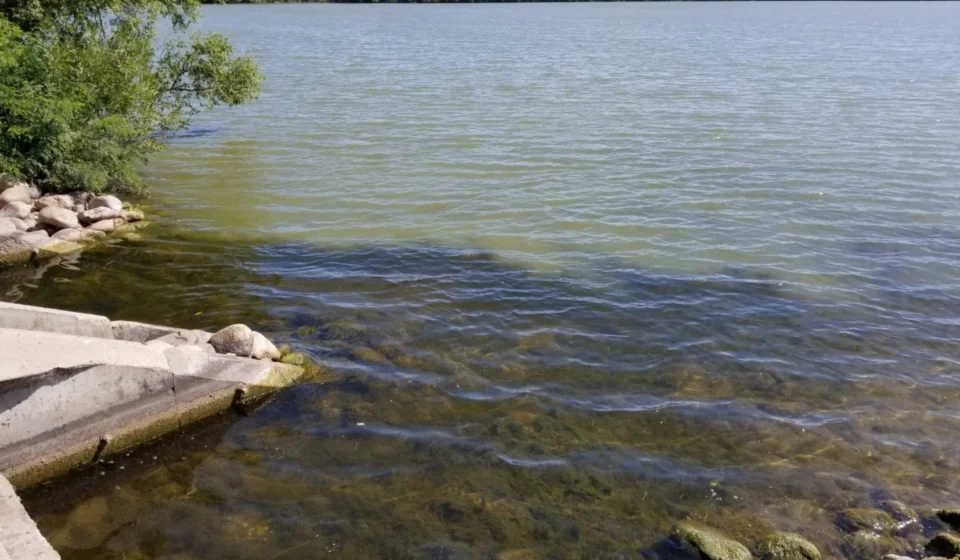

While the nation’s eyes are currently fixed on the stark visual contrast of the Lincoln Memorial Reflecting Pool—now struggling with a persistent, neon-green bloom of algae—Minnesota’s environmental stewards are quietly navigating a much larger, more complex aquatic crisis. In the “Land of 10,000 Lakes,” the challenge is not a single reflecting pool, but thousands of interconnected water bodies that serve as the lifeblood of the state’s ecology, economy, and identity.
As the Minnesota Pollution Control Agency (MPCA) releases its 2026 draft list of “impaired waters,” the state finds itself at a critical juncture. This federal mandate under the Clean Water Act is more than a bureaucratic filing; it is an annual check-up on the health of the state’s most precious natural resource.
The Scope of the Crisis: Defining “Impaired”
The concept of an “impaired” water body is essentially a diagnostic label. Under the Clean Water Act, states are required to identify waters that do not meet established quality standards—meaning they are no longer suitable for their designated uses, whether that be fishing, swimming, or serving as a source of drinking water.
According to the 2026 draft list currently under review, Minnesota is grappling with 2,979 individual water bodies—a vast network of lakes, streams, rivers, and wetlands. Within this count, there are a total of 6,410 specific impairments. Some bodies of water suffer from a single issue, while others, particularly those near industrial or heavy agricultural zones, face a compounded set of problems.
The data reveals a troubling hierarchy of pollutants. At the top of the list, 32% of impairments are linked to the degradation of aquatic life, including the decline of fish populations and essential macroinvertebrates. Mercury contamination accounts for 27% of the impairments, a long-standing legacy issue that persists across much of the upper Midwest. Bacteria, often tied to runoff and sewage infrastructure, make up 15% of the total, followed by excessive nutrients like phosphorus and nitrogen, which serve as the primary fuel for the algae blooms that are currently causing such a stir in the nation’s capital.
A Brief Chronology: From Isolated Studies to Watershed Thinking
The history of water quality management in Minnesota has evolved from reactive, site-specific firefighting to a more proactive, systemic approach.
- 1992: Minnesota initiates its official impaired waters program, beginning the long-term documentation of water quality trends.
- 2007: The MPCA shifts its strategy toward a “watershed approach.” Rather than focusing solely on a single lake or a small stream segment, the agency begins managing water on a landscape scale. By looking at the entire drainage basin, regulators can identify the root causes of pollution upstream that eventually manifest in downstream impairments.
- 2008: A landmark moment for state conservation occurs when Minnesota voters approve the Clean Water, Land and Legacy Amendment. This constitutional amendment dedicated a portion of the state sales tax to environmental protection, creating a permanent funding stream for water quality efforts through 2034.
- 2026: The MPCA releases its latest draft, marking what the agency describes as a record-breaking cycle for restoration, with 45 water bodies proposed for removal from the impaired list—the highest number of successful restorations in a single cycle since the program’s inception.
Supporting Data: The Science of Restoration
The process of "delisting" a water body—or moving it from impaired to restored—is a multi-year, often multi-decade endeavor. The success story of Riley Lake, situated on the border of Chanhassen and Eden Prairie, serves as a blueprint for how technical intervention can turn the tide.
To restore Riley Lake, the Riley Purgatory Bluff Creek Watershed District employed a holistic strategy. The intervention began with a deep dive into the biological mechanics of the lake, specifically the common carp. Researchers from the University of Minnesota studied the migratory and reproductive patterns of the invasive fish, which were stirring up sediment and destroying native vegetation.
Once the carp population was controlled, the district removed invasive weeds like Eurasian water milfoil and curly leaf pondweed. Finally, the team applied alum—an aluminum-based compound that binds to phosphorus in the water column and settles it into the lakebed, effectively “locking” it away and depriving algae of the nutrients they need to bloom.
This project exemplifies what is known as a Total Maximum Daily Load (TMDL) project. A TMDL is the calculated maximum amount of a pollutant that a water body can receive and still remain in compliance with water quality standards. While the term is undeniably bureaucratic, it provides the mathematical foundation for every restoration project in the state. To date, Minnesota has seen 205 such projects gain approval from the U.S. Environmental Protection Agency.

Official Responses and the Public Process
The release of the 2026 draft list has triggered a robust public review period, which remains open until July 22. The MPCA has emphasized that this is not a one-way communication from the state to the public, but a collaborative dialogue.
Throughout late June and early July, the agency hosted a series of virtual town halls. These sessions were designed to break down the complexities of the report for stakeholders, including farmers, municipal planners, and recreational users. The first meeting, held on June 23, specifically targeted the Upper Mississippi River region, engaging communities in the watersheds of the Leech Lake, Pine, Long Prairie, Redeye, and South Fork Crow rivers.
MPCA officials have noted that while they are adding 46 new impairments to the list this cycle, the net progress—evidenced by the 45 removals—suggests that the watershed approach is yielding results. However, they remain cautious. Climate change, characterized by more intense rainfall events, is increasing the amount of nutrient-rich runoff entering the state’s waters, creating a “moving target” for water quality managers.
Implications: The High Stakes of Stewardship
The situation at the Lincoln Memorial Reflecting Pool in Washington, D.C., serves as a high-profile cautionary tale for the nation. The pool’s struggles—driven by shallow depth, extreme summer heat, and water sources prone to nutrient loading—are the exact same issues Minnesota regulators face on a state-wide scale.
The implications of failing to manage these impairments are severe. Economically, Minnesota’s tourism industry, centered on lake recreation, relies entirely on the perceived and actual health of the water. Ecologically, the loss of aquatic life in these impaired zones creates a cascading effect that threatens biodiversity.
Furthermore, the state’s commitment to funding is unique. With $318 million appropriated for water resource activities in the 2024-2025 biennium alone, Minnesota has put its money where its mouth is. The Clean Water Fund represents a social contract between the state’s citizens and their environment. As the 2026 report to Congress highlights, the state is effectively treating water quality not as an afterthought, but as a critical infrastructure priority.
Conclusion: A Long Road Ahead
As the public comment period closes and the MPCA moves toward finalizing the 2026 list, the path forward remains clear but arduous. The transition from reactive management to the holistic, watershed-based approach has proven effective, as seen in the recovery of lakes like Riley.
Yet, the sheer volume of 6,410 impairments remains a sobering reminder of the impact human activity has on the landscape. Whether it is the intentional application of phosphorus in urban settings, agricultural runoff in the west, or the atmospheric deposition of mercury across the north, the threats to Minnesota’s water are multifaceted.
For the citizens of Minnesota, the “Land of 10,000 Lakes” is more than just a marketing slogan—it is a responsibility. As the state continues to navigate the complexities of climate change and land use, the work of the MPCA and the vigilance of local watershed districts will continue to be the primary defense against the encroaching tide of pollution. While the green waters of the Lincoln Memorial Reflecting Pool may capture the nation’s attention today, the quiet, persistent work being done in Minnesota is what will determine the health of our water for generations to come.